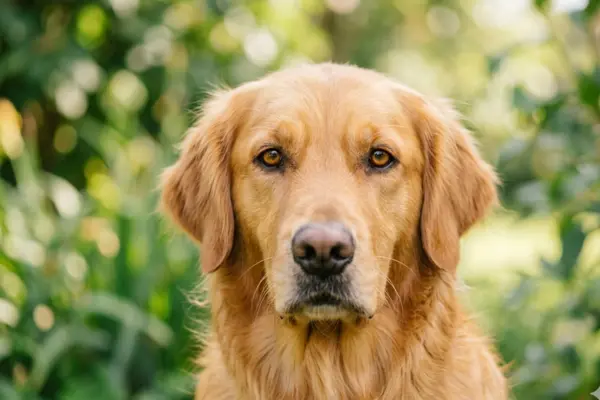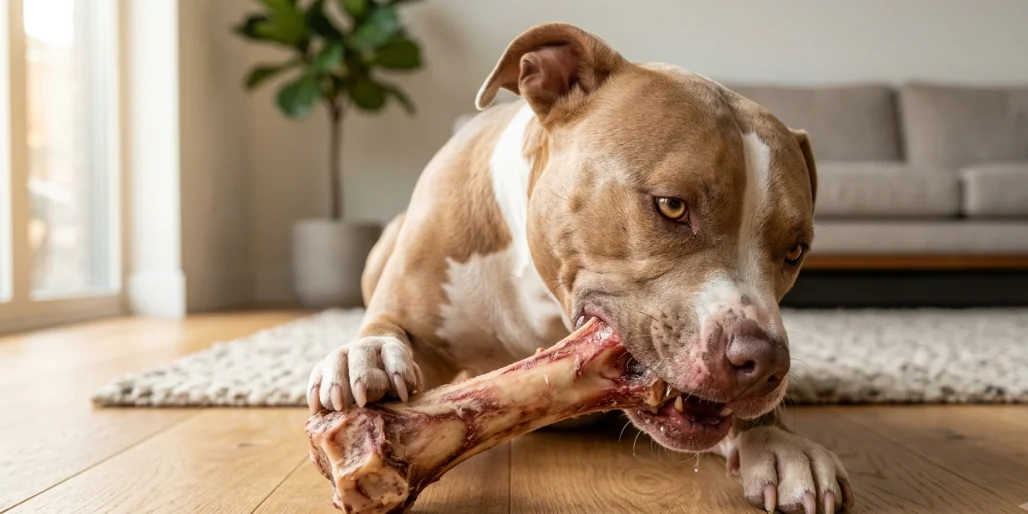
Are you the proud parent of an aggressive chewer? If so, you know the struggle of finding a durable dog chew bone that can withstand their relentless jaws. This article will help you understand your power chewer and select the best dog bones and chew toys to keep them happy and your home intact — and for a full safety breakdown across all bone types, our guide on what bones are good for dogs is worth reading alongside this one.
Understanding Aggressive Chewers
What Defines an Aggressive Chewer?
An aggressive chewer dog is typically a dog that exhibits an exceptionally strong and persistent chewing style, often destroying ordinary dog chew toys and bones in a very short amount of time. These power chewers are not just gnawing idly; they are actively working to break down and consume whatever is in their mouths, requiring robust and long-lasting chew bones for dogs.
Common Traits of Power Chewers
Power chewers often have strong jaws, a persistent drive to chew, and can quickly demolish dog toys that aren’t designed for heavy chewers. They may also exhibit certain preferences, making it crucial to find the best dog chew bone that satisfies their instincts while remaining safe and durable. Understanding these traits is key to selecting appropriate chew bones for dogs, particularly for aggressive chewers.
- A preference for certain textures in chew bones for dogs can influence their chewing habits.
- A preference for certain hardness levels in chew bones for dogs can affect their chewing satisfaction.
Why Choose Tough Chew Bones?
Choosing tough chew bones for aggressive chewers is paramount for several reasons, including safety and satisfaction. Ordinary dog chew bones can pose various problems for an aggressive chewer dog, such as:
- Splintering, which can lead to choking hazards or digestive issues
- Being ingested too quickly, also posing choking hazards or digestive issues
Durable dog bones designed for strong chewers provide a long-lasting and safe outlet for their intense chewing style, preventing damage to household items and keeping your power chewer happily occupied.
Best Dog Chew Options
Top Rated Dog Chew Bones for Aggressive Chewers
For aggressive chewers, the top-rated best bones are those that combine extreme durability with safety. These often include a few excellent options:
- Natural antler chews, which are incredibly hard and long-lasting, provide a satisfying chewing experience without splintering, making them ideal for heavy chewer dogs.
- Certain types of nylon bones, specifically engineered for heavy chewers, offering a resilient surface that stands up to persistent chewing styles.
Choosing the Best Dog Chew Bone for Your Dog
Selecting the best dog chew bone for your specific dog involves considering their chewing style, size, and any sensitivities. While an aggressive chewer will need a durable dog bone, a younger dog might benefit from slightly softer, yet still robust, options. Always prioritize chew bones that are appropriate for their breed and jaw strength, ensuring they can gnaw safely without risk of dental damage or ingestion of large pieces.
Durable Chews: An Essential for Heavy Chewers
Durable chews, such as betterbone and nylon chews, are not just a luxury but an essential item for heavy chewers to ensure their safety and mental stimulation. Without proper durable dog chew bones, these power chewers may turn to furniture or other household items, leading to destructive behaviors and potential ingestion of harmful materials. A strong, long-lasting chew toy provides a healthy outlet for their natural instincts.
Types of Chew Bones Available
Nylon Bones: A Long-Lasting Option
Nylon bones are a popular choice among dog owners, especially those with aggressive chewers, due to their exceptional durability and long-lasting nature. These chew bones are designed to withstand intense chewing, slowly wearing down rather than splintering, which makes them a safer alternative to some natural options. Many nylon bones also feature textures that aid in cleaning teeth as the dog chews.
Bully Sticks: Natural and Nutritious
Bully sticks are a highly favored natural dog chew bone, renowned for being both delicious and digestible for most chewer dogs. Made from beef muscle, these bully sticks offer a satisfying chewing experience for an aggressive chewer while providing protein and nutrients. Unlike some other natural chews, bully sticks are generally less likely to splinter, offering a safer option for large dog chewers, though supervision is always recommended.
Textured Chew Toys for Better Teeth Cleaning
Textured chew toys are specifically designed to offer more than just a satisfying chew; they actively contribute to a dog’s dental hygiene. Many of these durable dog chew bones feature nubs, ridges, and grooves that help scrape away plaque and tartar as the aggressive chewer gnaws, promoting cleaner teeth and healthier gums. These chew toys are an excellent choice for maintaining oral health while providing entertainment.
Safety and Durability of Dog Chews
Identifying Safe Dog Chews
Identifying safe dog chews for aggressive chewers is paramount to preventing potential health issues, especially with raw bones and nylon chews. The best dog chews are those that are specifically designed for an aggressive chewer, often labeled as “durable dog” or “for heavy chewers.” Avoid dog chew bones that can easily splinter, like certain types of rawhide or cooked bones, as these pose a serious choking hazard or can cause internal injuries — risks specifically documented by the American Veterinary Medical Association (AVMA) in its official guidance on bone-related dangers for dogs.
How to Select Durable Bones for Dogs
When selecting durable bones for dogs, especially for power chewers, focus on materials known for their resilience and longevity. Nylon bones are an excellent long-lasting option, as they are designed to gradually wear down without breaking into dangerous pieces. Antler chews are another superb choice, offering extreme hardness that stands up to aggressive chewer dog styles. For natural options, consider beef cheek rolls or certain marrow bones, ensuring they are sized correctly for your strong chewers.
Monitoring Your Dog During Chewing
Even with the best dog chew bone, monitoring your dog during chewing is crucial to ensure their safety. An aggressive chewer can sometimes manage to break off a piece of a chew toy that is too large to safely swallow, leading to a choking risk. Regular checks of the chew bone for signs of excessive wear or splintering are also important. If a chew bone becomes too small, it should be replaced immediately to prevent accidental ingestion, even if it’s a durable dog chew bone.
Tips for Maintaining Chew Bones
How to Clean Dog Chew Bones
Maintaining the cleanliness of dog chew bones is important for your pet’s hygiene and the longevity of the chew. For most nylon bones and hard rubber chew toys, a simple wash with warm, soapy water, followed by a thorough rinse, is sufficient. Natural chew bones like bully sticks or tendon chews should generally not be washed with soap, but rather inspected regularly and replaced when they become too small or heavily soiled, especially for a power chewer.
Storage Tips for Long-lasting Chew Toys
Proper storage is key to making your chew bones for aggressive chewers last longer and remain appealing to your pet. For natural dog chew bones, such as bully sticks or beef cheek rolls, store them in a cool, dry place away from direct sunlight to prevent spoilage. Synthetic chew toys and nylon bones can be stored almost anywhere, but keeping them clean and dry will prevent bacterial growth and maintain their structural integrity, ensuring a long-lasting chew toy for your aggressive chewer.
When to Replace Chew Bones
Knowing when to replace chew bones for dogs is vital for your dog’s safety and continued enjoyment. Any dog chew bone, no matter how durable, should be replaced once it becomes small enough for your aggressive chewer to swallow whole or when it shows significant signs of splintering or cracking. For consumable chews like a bully stick or tendon chews, replace them when they are nearly gone. Regular inspection of all dog chews for aggressive chewers will help you determine the right time for a new, safe chew toy.
best chew bones and durable dog chew toys for super chewer
What are the best dog bones for aggressive chewers?
For aggressive chewers, the best chew bones are non-splintering, made from natural ingredients or tough synthetic materials designed to withstand heavy chew time. Options that often perform well include high-quality bully sticks (or pizzle), beef trachea for short-term chewing enrichment, reinforced nylon alternatives like Nylabone made for super chewers, and durable rubber toys. Choose chews rated for your dog’s size and chewing style to ensure they are enough to withstand sustained chewing without producing large chunks or sharp pieces.
Are rawhide chews safe for dogs that destroy bones quickly?
Rawhide chews can be risky for aggressive chewers because they may become a choking hazard if your dog can break them into large chunks or swallow them whole. Unlike rawhide, highly digestible alternatives and non-splintering chew bones reduce obstruction risk. If you do choose rawhide-like products, look for easily digestible, processed options and supervise chew time closely; otherwise consider safer substitutes such as bully stick holders, beef pizzle, or veterinarian-recommended chew toys.
How do I pick a chew based on my dog’s chewing style?
Assess your dog’s chewing style—power chewer, persistent gnawer, or casual chewer—and match durability accordingly. A super chewer needs non-splintering, reinforced chew bones and dog toy designs rated for heavy use, while moderate chewers may do well with pig ears or softer chew options. Consider chew bones to keep your dog occupied that are sized to prevent swallowing whole pieces and that have natural ingredients and high digestibility if ingestion is likely.
Can chew toys and bones help clean dog teeth?
Yes—many durable dog chew toys and appropriately textured chew bones can help clean dog teeth by scraping plaque and massaging gums during chew time. Look for products specifically marketed to clean dog teeth, such as textured Nylabone-style toys or beef trachea and bully sticks that encourage gnawing action. Regular veterinary dental checks are still important because no chew toy is completely safe as a substitute for professional care.
What are safer alternatives to common choking risks like rawhide?
Safer alternatives include highly digestible chews like cooked beef pizzle (bully sticks), beef trachea for cartilage-based chewing, non-splintering nylon alternatives, and durable rubber toys. Products labeled as easily digestible or veterinarian-approved reduce obstruction risk. Always avoid small pieces, supervise chew time, and discard chews that have become small enough for your dog to swallow whole.
How long should I allow chew time and how do I keep my dog occupied safely?
Chew time depends on the chew type and your dog’s chewing style—super chewers may need short supervised sessions with very durable chews, while gentler chewers can have longer sessions. To keep your dog occupied, rotate chew bones to maintain interest, offer puzzle feeders or bully stick holders, and combine chews with training. Supervise sessions to prevent swallowing large chunks and remove any chews that become worn to avoid obstruction risk.
When should I consult a veterinarian about my dog’s chewing habits?
Consult a veterinarian if your dog regularly swallows chews whole, breaks chews into sharp pieces, exhibits excessive chewing that damages teeth, or if you suspect an obstruction. A vet can recommend best chew bones tailored to your dog’s size (large dog versus small), chewing strength, and dental health, and can advise on whether softer chew options or tougher, non-splintering toys are safer for your pet.
Are natural chews like pig ears and beef trachea better than synthetic nylabone-type toys?
Natural chews such as pig ears and beef trachea are often enjoyed because dogs love to chew their taste and texture, and some are highly digestible. However, pig ears can be greasy and may pose bacterial or obstruction risks if swallowed in large pieces. Nylabone and other nylon or rubber alternatives are non-splintering and durable, serving as a safer alternative to nylon for some dogs. The best choice depends on your dog’s chewing style, digestion, and supervision—combine natural ingredients with durable design when possible.
What should I do if my dog breaks a chew and swallows large chunks?
If your dog breaks a chew and swallows large chunks, monitor for signs of distress, vomiting, changes in appetite, abdominal pain, or lethargy—these can indicate obstruction risk. Contact your veterinarian immediately for guidance; do not induce vomiting unless instructed. To prevent recurrence, switch to chews rated for super chewers that are non-splintering and large enough to avoid being swallowed whole.