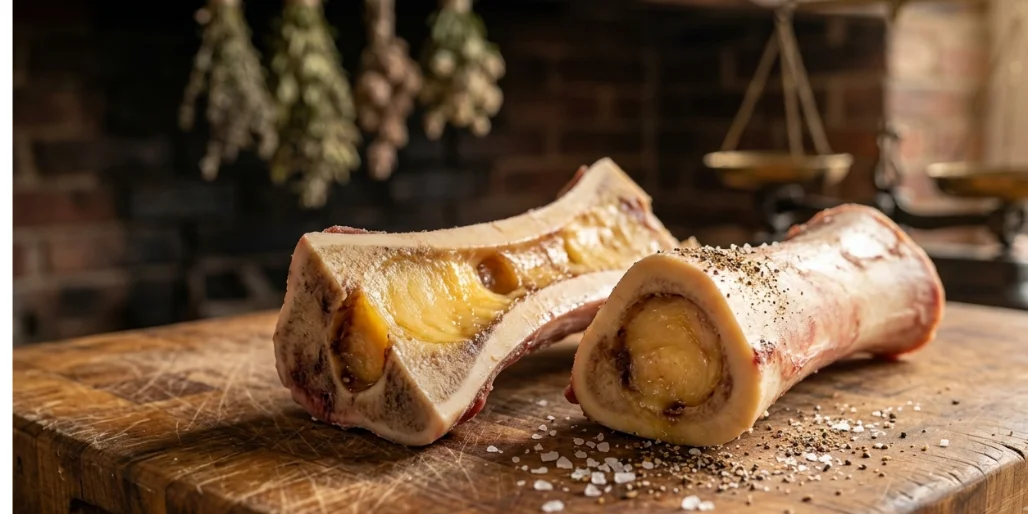
Are you curious about feeding marrow bones or smoked bones to your canine companion? This guide will walk you through everything you need to know about beef marrow bones for dogs, from their benefits to safe feeding practices and even how to make nutritious marrow bone broth.
Understanding Marrow Bones for Dogs
Marrow bones for dogs can be a fantastic addition to their diet, offering both nutritional benefits and an enjoyable chew experience. However, it’s crucial to understand what kind of marrow bones are suitable and how to offer them safely, such as by recommending boiling, to ensure your dog reaps the rewards without any risks. Not all bones are created equal when it comes to our furry friends; some can be great dog treats while others can pose risks.
What are Beef Marrow Bones?
Beef marrow bones are essentially the leg bones of cattle, specifically the femur bones, which are cut to expose the rich, fatty marrow inside. These are dense, long bones that are typically filled with a soft, nutrient-dense bone marrow that dogs absolutely adore, making them a healthy treat for your canine companion. When you visit a butcher, you’ll often find these bones labeled in different ways:
| Common Label | Intended Use |
| Soup bones | Human consumption |
| Beef bones | Human consumption, also highly sought after for dogs |
Benefits of Feeding Marrow Bones to Dogs
Feeding raw marrow bone to your dog offers a plethora of benefits. The marrow itself is packed with essential fats, vitamins, and minerals that contribute to a healthy coat and skin. Beyond nutrition, the act of gnawing on these recreational bones helps to naturally clean your dog’s teeth, reducing plaque and tartar buildup. Furthermore, marrow bones contain collagen, glucosamine, and chondroitin, which are excellent for joint health.
Types of Bones for Dogs
When considering bones for dogs, it’s vital to differentiate between types. Raw bones are generally safe for dogs to chew, as they are less likely to splinter than cooked bones. Cooked bones, regardless of size, become brittle and more likely to break into sharp pieces, posing a choking hazard and potential internal damage. Smaller bones, or bones that are too small for your dog’s size, are also a significant choking hazard.
| Bone Type | Safety Considerations |
| Raw Bones (e.g., large raw beef marrow bones or smoked bones) | Generally safe; less likely to splinter, especially when you choose grass-fed options. |
| Cooked Bones | Brittle, likely to break into sharp pieces; choking hazard and potential internal damage. |
| Smaller Bones (or too small for dog’s size) | Significant choking hazard. |
Preparing Beef Marrow Bones
How to Select Quality Beef Bones
When you’re at the butcher, looking for the best marrow bones for dogs, you’ll want to focus on fresh, raw bones. Look for beef marrow bones that are whole, with plenty of bone marrow still inside, and consider those that are grass-fed for added health benefits. It’s also a good idea to opt for larger bones, like femur bones or knuckle bones, as these are less likely to be a choking hazard for most dogs. Avoid any bones that look old, discolored, or that have been pre-cut into very small pieces, as these might splinter more easily.
Safe Cooking Methods for Marrow Bones
While we emphasize feeding raw marrow bone for safety, sometimes you might want to use the bones for broth. If you’re preparing marrow bone broth, low and slow is the way to go. You’re not trying to cook the bones themselves to the point where they become brittle and more likely to splinter. Instead, you’re extracting the collagen and essential nutrients when you prepare bone broth from these bones. Never boil bones for dogs that you intend for them to chew, as this makes them brittle and dangerous. For chewing, always offer raw bones.
How Long to Boil for Optimal Nutrition
For bone broth, you need to boil beef marrow bones for an extended period to extract all the beneficial nutrients. This long boiling process ensures that collagen, glucosamine, and chondroitin are released into the liquid, creating a rich, nutritious bone broth. Remember, this cooked bone broth is meant to be a supplement, not the actual marrow bone for your dog to chew.
| Item | Simmering Time |
| Beef Marrow Bones | 12-24 hours (up to 48 hours) |
Feeding Guidelines for Dogs of All Sizes
Portion Control for Small Dogs
When feeding marrow bones to smaller dogs, portion control is absolutely critical to prevent a choking hazard. A bone that’s too small can easily be swallowed whole, leading to serious issues. For toy or small breeds, consider smaller beef bones or supervise them closely with a larger raw marrow bone, ensuring they are just gnawing on the ends and not attempting to consume the entire thing. Always supervise your dog when they are enjoying recreational bones, regardless of their size.
Feeding Meaty Bones to Larger Breeds
Larger breeds, with their stronger jaws and greater chewing power, can enjoy more substantial raw beef marrow bones as a healthy treat. For these robust chewers, beef bones such as full femur bones or large knuckle bones are excellent choices. These raw meaty bones provide a fantastic dental workout, helping to scrape away plaque and tartar. Always ensure the bone is appropriately sized for your dog’s mouth and chewing style to minimize any risk of it becoming a choking hazard.
Frequency of Feeding Marrow Bones
The frequency with which you feed marrow bones to dogs depends on your dog’s individual needs and their overall diet. Generally, offering raw marrow bone a few times a week as a treat is a good starting point. Some dogs can handle more frequent offerings, while others might only need it once a week. Always monitor your dog’s stool and digestion to determine the optimal frequency for feeding these rich, raw bones, especially if your dog is an aggressive chewer.
Making Bone Broth from Beef Bones
Health Benefits of Bone Broth for Dogs
Bone broth, particularly made from beef bones, offers a plethora of health benefits for dogs, making it a wonderful addition to their diet. This liquid gold is packed with collagen, glucosamine, and chondroitin, which are crucial for maintaining healthy joints and cartilage, especially in older dogs or those with mobility issues. The rich marrow inside the beef bones, when slowly simmered, releases these beneficial compounds, supporting your dog’s overall well-being and digestive health. It’s a fantastic way to utilize the beef marrow bones for dogs after they’ve enjoyed the raw marrow.
Recipe for Homemade Bone Broth
Making homemade bone broth is a straightforward process that yields a highly nutritious supplement for your canine companion. To start, gather a good selection of beef bones, such as femur bones or knuckle bones, preferably with some marrow inside. You’ll need to boil these beef bones with a bit of apple cider vinegar (which helps extract minerals) and enough water to cover them. The key is a long boiling time—simmering for at least 12-24 hours, and ideally up to 48 hours, will ensure all the good stuff like collagen and glucosamine is extracted, creating a rich and gelatinous bone broth.
Storing and Serving Bone Broth
Once your bone broth is ready, proper storage is crucial to maintain its freshness and beneficial properties, as it is packed with flavor and essential nutrients. After straining the cooked bone broth to remove any remaining bone fragments, allow it to cool completely. You can then pour it into ice cube trays for convenient, single-serving portions of frozen marrow bones. These can be stored in the freezer for several months. To serve, simply thaw a cube or two and add it to your dog’s regular dog food, or offer it as a hydrating and nutrient-rich treat. Never give your dog the cooked bone after making broth, as this makes them brittle and dangerous.
Safety Considerations
Potential Risks of Cooked Bones
It is paramount to understand the potential risks associated with feeding cooked bone, especially when dealing with beef marrow bones. Unlike raw bones, which are generally safe for dogs to chew and gnaw on, cooked bones become brittle and more likely to splinter into sharp fragments. These sharp pieces can pose a severe choking hazard or cause internal injuries, such as punctures in the digestive tract. Always remember that any cooked bone, whether from a table scrap or leftover from making soup bones, should be kept away from your dog to prevent these serious health issues — risks the American Veterinary Medical Association (AVMA) has specifically documented in its official guidance on bone-related dangers for dogs.
Signs of Digestive Issues in Dogs
When introducing new items like marrow bones for dogs, or even bone broth, it’s essential to supervise your dog closely and monitor for any signs of digestive upset. If your dog experiences vomiting, diarrhea, constipation, or seems to be in pain after consuming recreational bones or any raw food, these could be indicators of an issue. Even with raw marrow bone, some dogs may have sensitive stomachs, making it important to choose high-quality options like grass-fed beef. If you notice any unusual symptoms or changes in their behavior after introducing new dog treats, it’s always best to err on the side of caution and consult your veterinarian promptly.
Consulting Your Veterinarian
Before making significant changes to your dog’s diet, especially when it involves feeding marrow bones or incorporating bone broth, always consult your veterinarian. They can provide personalized advice based on your dog’s specific health needs, age, and breed. Your vet can help you determine the appropriate size of raw beef marrow bones, how frequently to feed marrow bones, and what kind of supervision is necessary to ensure safety. Their expertise is invaluable in helping you make informed decisions about your dog’s nutritional well-being and preventing any potential choking hazard or other risks associated with feeding cooked beef or raw bones.
How long to boil marrow bone for dogs — chew cooked beef safely
How long should I boil a marrow bone for my dog before giving it as a satisfying treat?
Boil marrow bones for 15–20 minutes to clean the surface and reduce bacteria, then simmer for another 20–30 minutes if you want the marrow softened for easier access; total time often ranges 30–50 minutes depending on bone size. For large beef marrow bones for dogs, avoid overcooking to the point that large chunks of marrow fall out and become a choking hazard — aim to soften but not liquefy the marrow.
Beef marrow bones for dogs and dental health
Will boiled beef marrow bones improve my dog’s dental health or risk chipping teeth?
Chewing on marrow bones can provide act of chewing that helps scrape plaque and offer mental stimulation, but hard, weight-bearing bones or frozen cooked beef bones can chip teeth. Use softer, cooked (but not brittle) bones and supervise chewing sessions; for dogs with a history of fragile teeth or small breeds, consider alternatives like dental chews or kibble formulated for dental health.
Dog food guidance — balancing marrow with kibble and B12
Is marrow from boiled bones a good addition to my dog food and does it provide B12?
Marrow is high in fat and contains nutrients such as B12 and other fat‑soluble vitamins, so small amounts can complement dog food and add flavor. Because marrow is high in fat, incorporate it sparingly — especially for dogs with pancreatitis, weight issues, or specific needs — and adjust their kibble portions to avoid excess calories.
Cooked beef bones and safe chewing — avoiding choking and swallowing large pieces
Can my dog swallow large chunks after boiling bones and how do I prevent choking?
Boiling can loosen marrow and make edges brittle on cooked beef bones, which may break into large chunks that a dog could swallow. Prevent choking by selecting appropriately sized bones, removing small or splintered pieces, supervising chewing, and discarding bones that have become thin or cracked.
Are turkey necks or chicken wings safer alternatives to beef marrow bones for dogs?
Raw turkey necks and raw chicken wings are often recommended as alternatives for smaller dogs because they are softer and less likely to cause chipping teeth, and they provide chewing and mental stimulation. Cooked poultry bones become brittle and can splinter, so never give cooked turkey necks or chicken wings; if opting for poultry, choose raw and supervise closely and check with your vet regarding safety for your dog.
How often can I give marrow bones to my dog without causing digestive issues?
Offer marrow bones as an occasional, satisfying treat rather than a daily staple due to their high in fat content. For most dogs, once every 1–2 weeks is reasonable, but dogs with sensitive stomachs, pancreatitis risk, or overweight dogs may need less frequent treats. Monitor stool and overall health and consult your vet for specific needs.
Should I give my puppy or senior dog boiled marrow bones for chewing practice?
Puppies and seniors have more fragile teeth and different chew needs; puppies may be instinctual chewers but risk chipping permanent teeth during development, while seniors may have worn or weakened teeth. For both groups, choose softer chew options or veterinary‑approved dental chews rather than beef marrow bones and consult your veterinarian to match the treat to their dental health and specific needs.
Are hooves or bones better than marrow bones for long lasting chewing and stimulation?
Hooves and large weight‑bearing bones can offer longer lasting chew sessions and mental stimulation, but they are extremely hard and can chip teeth or cause dental fractures. Marrow bones are more satisfying treat because of the tasty marrow, but balance longevity, dental health, and safety: consider supervised short sessions and rotate with softer chews or enrichment toys.