Delving into the world of dog treats, many pet owners ponder the safety of smoked beef bones. This comprehensive guide aims to unpack the complexities surrounding smoked bones for dogs, addressing common concerns and providing insights into making informed choices for your canine companion. We’ll explore the various types of smoked bones, potential risks, and safe alternatives to ensure your dog enjoys a healthy and happy chewing experience.
Understanding Smoked Bones for Dogs
The allure of a smoked bone for dogs is undeniable, often seen as a long-lasting treat that can satisfy your dog’s natural urge to chew. However, understanding what these bones are and their potential implications for your pet’s health is paramount. While they can be a source of entertainment, it’s crucial to differentiate between safe and unsafe dog bone options.
What Are Smoked Dog Bones?
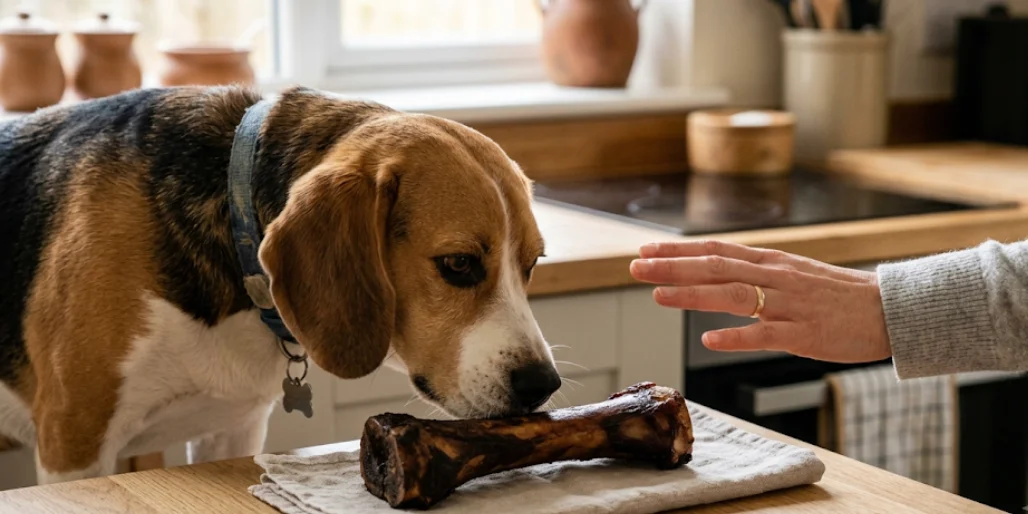
Smoked dog bones are typically animal bones, often beef bones, that have undergone a smoking process. Unlike raw bones, which are often more pliable and digestible, Smoked bones are cooked, a process that can alter their structure and increase the risk of splintering.. The smoking process is designed to add flavor and sometimes preserve the bone, making it an appealing dog treat sold in many pet stores.
Types of Smoked Bones Available
A wide variety of smoked bones are available on the market, ranging from various animal sources to different cuts. Beyond beef bones, you might find lamb, pork, or even chicken bones, although chicken bones are generally discouraged due to their inherently brittle nature. The size and density of the dog bone also vary, with larger, denser bones often marketed towards more aggressive chewers.
Popular Choices: Beef and Marrow Bones
Among the most popular choices for smoked dog bones are beef bones, especially those rich in marrow. Marrow bones are often chosen because they offer a tasty, fatty treat inside a sturdy casing, providing a long-lasting challenge for a dog’s natural urge to chew. However, even these seemingly robust bones can pose risks if they become brittle or splinter, leading to potential choking hazards or intestinal blockage.
Safety Considerations for Dogs and Smoked Bones
Potential Risks of Smoked Dog Bones
While the idea of a long-lasting smoked dog bone might seem appealing, there are significant risks associated with feeding cooked bones to your canine companion. The smoking process, which effectively cooks the bone, can make it brittle and prone to splintering — risks the American Veterinary Medical Association (AVMA) has specifically documented in its official guidance on bone-related dangers for dogs. These sharp bone fragments can pose serious internal health hazards, including oral injuries, choking, and severe internal damage leading to intestinal blockage from splintering.
Identifying Bones Safe for Dogs
Distinguishing between bones safe for dogs and those that are not is crucial for pet owners. Generally, raw bones are considered safer than cooked or smoked bones because they are more flexible and less likely to splinter. Always monitor your dog closely when they are enjoying any bone treat, and consider alternatives like natural, non-splintering chews if you are concerned about the risks associated with bones.
How to Choose Quality Smoked Bones
If you do opt for smoked bones, ensure they are safe and free from splinters. selecting quality products is paramount. Look for smoked beef bones that are sourced from reputable butchers and free from artificial preservatives or flavorings. Ensure the dog bone is appropriately sized for your dog’s breed and chewing style to minimize choking hazards, and avoid bones that appear overly brittle. Always prioritize your dog’s safety and well-being over extended chew time.
Benefits of Smoked Beef Bones as Dog Treats
Nutritional Value of Marrow Bones
Marrow bones, particularly smoked beef marrow bones, can offer some nutritional benefits to dogs. The marrow itself is rich in essential fatty acids, iron, and vitamins, contributing to a healthy coat and overall vitality. While not a complete meal, a moderate amount of marrow from a safe, properly chosen dog bone can be a tasty and beneficial supplement to your dog’s diet.
Dental Health Benefits of Chewing Smoked Bones
Chewing on a sturdy smoked bone can provide significant dental health benefits for dogs. The act of gnawing helps scrape away plaque and tartar buildup from their teeth, Promoting cleaner teeth and healthier gums is essential when choosing the right dog treats.. This natural cleaning process can reduce the risk of dental disease, making smoked beef bones a beneficial tool for maintaining canine oral hygiene when used cautiously.
Engagement and Mental Stimulation for Dogs
Beyond the physical benefits, smoked beef bones offer excellent mental stimulation and engagement for dogs. The challenge of getting to the marrow and the act of persistent chewing can satisfy your dog’s natural urge to chew, reducing boredom and anxiety. This long-lasting smoked bone treat can keep aggressive chewers occupied, providing a rewarding and enriching experience for their minds and bodies.
How to Safely Serve Smoked Dog Bones
Preparation Tips for Smoked Bones
Ensuring the safe enjoyment of a smoked bone begins with proper preparation. It is crucial to Inspect any smoked bone for existing splinters or sharp edges before offering it to your dog.. If you notice any questionable areas on the smoked bone, it’s best to discard it to prevent potential injury. Additionally, consider the size of the smoked dog bones; they should always be larger than your dog’s mouth to prevent them from attempting to swallow the bone whole, which can lead to choking or intestinal blockage.
Supervision During Chewing
Even with careful preparation, constant supervision is non-negotiable when your dog is enjoying a smoked bone. Always monitor your dog closely to observe their chewing behavior. If the bone starts to splinter, becomes too small, or your dog attempts to swallow bones that are too large, immediately remove the bone. This proactive approach helps prevent potential choking hazards, oral injuries, or the ingestion of sharp fragments that could cause internal damage.
Storing Smoked Bones Properly
Proper storage is essential for maintaining the freshness and safety of smoked bones. After your dog has finished chewing, any leftover smoked bone should be stored in an airtight container in the refrigerator to prevent bacterial growth and maintain its quality. Discard any smoked beef bone treat after a few days to ensure it remains a safe option. Never leave smoked dog bones lying around where they can become contaminated or attract pests, always prioritizing a safe and healthy environment for your pet.
Alternatives to Smoked Beef Bones
Raw Bones vs. Smoked Bones
When considering alternatives, the distinction between raw bones and smoked bones is paramount. Raw bones, particularly large beef bones with marrow, are often considered safer than cooked bones because they are less likely to splinter into sharp fragments. The cooking process, including smoking, makes bones brittle and more dangerous for dogs. While a raw bone can still pose risks, many veterinarians advocate for raw, digestible bones over their smoked or cooked counterparts, which significantly increase the risk of intestinal blockage or other internal injuries.
Other Safe Dog Treat Options
For pet owners seeking to satisfy their dog’s natural urge to chew without the risks associated with smoked bones, Numerous safe treat options, including dog bones, exist for your pet.. Durable chew toys made from rubber or nylon provide mental stimulation and help with dental health without the danger of splintering. Natural alternatives like bully sticks, antlers, or high-quality dental chews can offer a long-lasting chew experience. These options are specifically designed to be safe for dogs, minimizing the risk of choking or internal damage while still providing the satisfaction of a good chew.
Homemade Dog Bones: A Safe Alternative
Creating homemade dog bones offers a controlled and often safer alternative to commercially smoked bones. You can craft safe, digestible “bones” using ingredients like whole wheat flour, peanut butter, and even a bit of beef broth for flavor. These dog treats can be baked to a hardness that satisfies a dog’s natural urge to chew but will not splinter like traditional bone treats. This approach allows you to avoid preservatives and ensure the ingredients are safe and healthy for your dog, providing a rewarding and worry-free chew.
FAQ’s
Q: Are smoked beef bones safe for dogs to chew?
A: Mostly no — smoked beef bones are risky. Smoking and cooking make bones harder and more likely to splinter into sharp pieces that can cause choking, cuts, or gastrointestinal damage. If your dog is a heavy chewer or a large breed, the high risk goes up. For light chewers, supervised short sessions reduce risk, but safer alternatives like Himalayan chews or approved store-bought treats are better.
Q: What’s the difference between smoked bones and raw rib bones for dogs?
A: Cooked or smoked bones become more brittle than raw rib bones. Raw rib bones are softer and more easily digestible when appropriate and supervised, whereas smoked (cured, low-temperature or high-temperature) bones can splintered pieces and cause vomiting, diarrhea, or worse. Always know your dog’s chewing style before offering any real bone.
Q: Can small size dogs chew smoked beef bones safely?
A: Small size dogs face unique risks: chunks that are fine for a big dog can still splinter or be a choking hazard for small mouths. For small dogs, opt for small, softer, easily digestible treats like dental chews or soft rawhide alternatives (be cautious with rawhide too) and avoid smoked bones altogether.
Q: What should I watch for after my dog chews a smoked bone?
A: Watch for signs of gastrointestinal trouble: vomiting, diarrhea, abdominal pain, gagging, or lack of appetite. Also look for lethargy, difficulty breathing, or bloody stools. If you see any of these, get to your vet—bones can cause intestinal blockage or perforation, which are emergencies.
Q: Are store-bought smoked bones or cured treats safer than homemade ones?
A: Some store-bought options are safer because they’re processed and tested, but not all. Look for reputable brands at places like PetSmart or specialty pet stores, check packaging for chew type and safety warnings, and choose products made for your dog’s chewer level. Avoid cheap cured or smoked bones with unknown processing.
Q: My dog is a chewer — what alternatives to smoked beef bones are better?
A: For heavy chewers, try durable options like beef horn, hoof products, or veterinarian-recommended dental chews. Himalayan chews are popular and often longer-lasting. You can also use frozen yogurt (dog-safe plain yogurt) as a treat filler, or tough rubber toys designed for heavy chewers. Always avoid things that splinter or are easily swallowed.
Q: Do smoked beef bones provide calcium or other nutritional benefits?
A: Bones do contain calcium and other minerals, but they’re not a balanced source and can splinter or cause constipation. If you want to add calcium to your dog’s diet, use supplements recommended by your vet rather than letting them chew on smoked bones.
Q: Can smoked bones cause intestinal blockage or perforation?
A: Yes. Splintered pieces can puncture the intestine or create a gastrointestinal blockage, which can be life-threatening. Symptoms include vomiting, lethargy, lack of stool, and severe abdominal pain. Seek immediate veterinary help if you suspect this.
Q: If my dog swallowed part of a smoked bone, what should I do?
A: Don’t wait—call your vet right away. They may advise monitoring if the piece was tiny and your dog is fine, but if there are signs of distress (vomiting, diarrhea, bloating, pain) you’ll need an exam and possibly x-rays or surgery. Quick action can make a big difference.