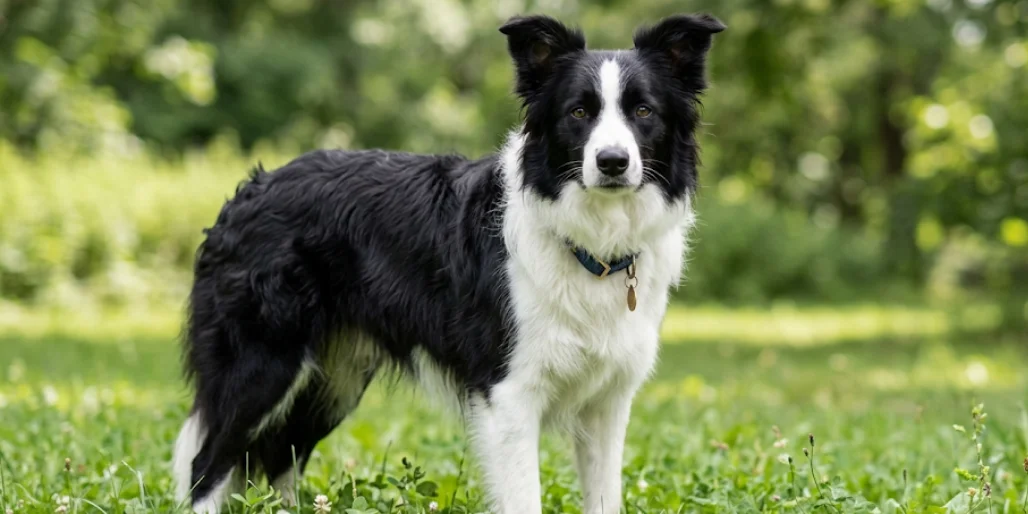
Welcome to pawandbreeds, your ultimate resource for dog enthusiasts! If you’re looking for an essential collie training guide, you’ve come to the right place. Our pillar page on “dog breeds guide” is full of valuable information, and today, we’re diving deep into the world of Border Collies.
Understanding the Border Collie
The Border Collie is a truly remarkable dog breed, renowned for its intelligence and boundless energy. Understanding their unique characteristics is the first step toward successful Border Collie training. These dogs were bred to herd sheep, and that strong instinct is still very much alive in every Border Collie puppy and adult dog. Their high drive and need for mental stimulation make them a challenging yet rewarding pet.
Characteristics of Border Collies
Border Collies are known for their incredible intelligence and athleticism — consistently recognised by the American Kennel Club (AKC) as one of the most intelligent dog breeds in the world, a status that makes both their trainability and their need for mental stimulation exceptionally high. They are a high-drive breed, meaning they possess an intense desire to work and please their handler. Their inherent herding instinct is strong, often leading them to try and herd anything that moves, from other pets to children. This intelligent dog requires significant physical exercise and mental stimulation to prevent destructive behaviors like chewing or excessive barking.
Why Train a Border Collie?
Training a Border Collie is not just about teaching them commands; it’s about channeling their natural instincts and intelligence into productive activities. Without proper Border Collie training, these dogs can become hyperactive, bored, and develop undesirable behaviors. Effective obedience training helps them become well-adjusted pets, making them a joy to live with and ensuring their well-being.
The Importance of Early Training
Starting training early with your Border Collie puppy is crucial for developing a well-behaved dog. Early socialization and basic obedience training lay the foundation for all future learning. It helps them master commands like “sit and wait” and prevents potential behavioral issues before they even begin. An early start ensures your Border Collie grows into a responsive and happy companion.
Essential Training Tips for Border Collies
Now that we’ve covered the basics of understanding this incredible breed, let’s dive into some essential collie training tips to help you effectively train a Border Collie. Remember, consistency and positive reinforcement are key to successful dog training, especially with such an intelligent and high-energy breed.
Basic Obedience Training
Basic obedience training is fundamental for every Border Collie. This includes teaching essential commands such as “sit,” “stay,” “come,” and “down.” These commands are not just tricks; they are crucial for safety and control. Keeping training sessions short, fun, and engaging with plenty of treats will help your Border Collie puppy or adult dog listen and master these cues quickly.
Behavioral Training Techniques
Border Collies, with their strong herding instinct, can sometimes exhibit challenging behaviors like chasing or excessive barking. Behavioral training techniques focus on redirecting these instincts into appropriate outlets. For instance, instead of chasing cars, you can teach them to play fetch or engage in agility training. Positive reinforcement and consistent boundaries are vital for managing their behavior effectively.
Socialization and Its Benefits
Socialization is incredibly important for Border Collies, especially when they are puppies. Exposing your Border Collie puppy to various people, animals, sounds, and environments helps them develop into a confident and well-adjusted dog. Proper socialization prevents fear-based aggression or shyness and ensures your dog is comfortable in different situations. It’s an ongoing process that benefits them throughout their lives.
Training Border Collie Puppies
Starting Obedience Training Early
Starting obedience training early with your Border Collie puppy is incredibly important for their development into a well-behaved adult dog. Puppies are like sponges, eager to learn, and this is the prime time to introduce basic obedience commands such as “sit and wait,” “come,” and “stay.” Short, frequent training sessions, filled with positive reinforcement and plenty of treats, will help your border collie puppy master these cues quickly and enjoy the learning process. This early foundation is vital for all future collie training, making them much easier to train as they grow.
Tackling Common Puppy Behaviors
Border Collie puppies, while adorable, can exhibit some challenging behaviors due to their high-drive nature and need for mental stimulation. Common issues like nipping, chewing, and excessive barking can be managed effectively with consistent border collie training. Redirecting their chewing to appropriate toys and teaching a “leave it” command can prevent destructive habits. For nipping, immediately stopping playtime and withdrawing attention teaches them that biting makes the fun stop. Addressing these puppy behaviors early on is key to raising a well-adjusted pet.
Creating a Positive Training Environment
A positive training environment is crucial for success when you train a border collie. This means keeping training sessions fun, engaging, and free from harsh corrections. Border Collies thrive on praise and rewards, so positive reinforcement with treats, toys, and verbal encouragement works wonders. Ensure the training space is free from distractions, especially when your border collie puppy is just starting out. A stress-free environment helps your intelligent dog focus on the command and strengthens the bond between you and your pet.
Advanced Training Techniques
Herding Instincts and Training
The strong herding instinct in Border Collies is one of their defining characteristics, originating from their history as sheep dogs. This instinct can be a challenge but also a fantastic opportunity for advanced training. If you have access, herding training can be incredibly fulfilling for breeds like Border Collies, allowing them to fulfill their natural urge to herd. Even without sheep, you can channel this drive through agility, treibball, or even specialized retrieve games that simulate herding, providing the mental stimulation they crave. This helps them engage their minds and bodies.
Dealing with Chasing Cars and Other Distractions
Dealing with a Border Collie’s tendency to chase cars, bicycles, or other distractions requires consistent and patient border collie training. This chasing behavior is often an extension of their herding instinct. Advanced training techniques involve teaching a solid “come” command and impulse control. Practicing “sit and wait” in distracting environments, gradually increasing the level of distraction, can help your dog learn to listen to your cues. A professional trainer can also provide specific strategies to manage this high-drive behavior, ensuring the safety of your pet and others.
Fun Activities to Engage Your Border Collie
Beyond basic obedience, engaging your Border Collie in fun activities is essential for their overall well-being and to prevent hyperactive or destructive behaviors. This intelligent dog thrives on mental stimulation and physical exercise. Activities like agility, flyball, disc dog, or even advanced trick training can keep them happy and engaged. Fetch games are excellent for burning off energy, while puzzle toys can provide mental challenges. Border Collie owners who regularly engage their pets in varied activities find their dogs are much calmer and more responsive. For more tips on how to train a border collie and to explore further, visit pawandbreeds and our comprehensive “dog breeds guide” for all your dog training needs.
Common Challenges in Border Collie Training
Understanding Barking Behavior
Excessive barking can be a common challenge for Border Collie owners, often stemming from their high-drive nature and need for mental stimulation. These intelligent dogs may bark out of boredom, frustration, or to alert their handler to perceived threats, reflecting their herding instinct. Effective border collie training involves understanding the root cause of the barking and addressing it with consistent dog training techniques. Teaching a “quiet” command and rewarding calm behavior during training sessions can help to manage this behavior, providing your pet with an alternative response.
Addressing Hyperactivity
Border Collies are renowned for their boundless energy, and without sufficient physical exercise and mental stimulation, they can become hyperactive. This high-drive breed requires more than just a quick walk; they need engaging activities that challenge both their bodies and minds. To train a Border Collie effectively and curb hyperactivity, incorporate regular agility training, long fetch sessions, or advanced obedience work. Providing ample opportunities to engage their instincts in constructive ways, such as through puzzles or scent games, can help your border collie puppy or adult dog channel their energy positively.
Overcoming Stubbornness in Training
While Border Collies are incredibly intelligent, they can sometimes exhibit stubbornness, especially if they don’t understand the command or perceive a lack of motivation. Overcoming this requires patience, consistency, and making training sessions fun and rewarding. Treat training, using high-value treats, and maintaining an upbeat tone can encourage your border collie to listen and master new cues. If your border collie seems resistant, a professional trainer can offer tailored strategies to help your pet stay engaged and responsive, ensuring that obedience training remains a positive experience for both of you.
Conclusion: Maintaining a Strong Bond Through Training
Recap of Key Training Tips
To recap, successful Border Collie training hinges on early and consistent application of positive reinforcement techniques. We’ve covered everything from starting obedience training early with your border collie puppy, tackling common puppy behaviors, to understanding their strong herding instinct. Remember the importance of providing ample mental stimulation and physical exercise to manage their high-drive nature and prevent issues like excessive barking or hyperactivity. Regular, engaging training sessions using cues like “sit and wait” are crucial for developing a well-behaved and happy pet.
Continued Learning and Growth
Dog training is an ongoing journey, especially with a breed as intelligent and dynamic as the Border Collie. Even after mastering basic obedience, there’s always more to learn and new challenges to explore. Continued engagement in advanced training, such as agility or trick training, will keep your border collie mentally stimulated and deepen the bond between you and your intelligent dog. Regular practice of commands and exposure to new environments will ensure your pet remains responsive and well-adjusted throughout their life.
Resources for Further Training
For Border Collie owners looking to further their dog training journey, there are numerous resources available. Consulting a professional trainer specializing in breeds like Border Collies can provide invaluable guidance for specific behavioral challenges or advanced skills. Online training programs, workshops, and local dog clubs offer opportunities for continued learning and socialization. Don’t forget to visit pawandbreeds and our comprehensive “dog breeds guide” for more in-depth articles, training tips, and support to help you train a border collie and maintain a strong, loving relationship with your pet.
FAQ’s
Q: How do I start training my Border Collie puppy as a dog and pet at 8 weeks or 12 weeks?
A: Start simple and gentle. At 8 weeks you can begin basic socialization and short sit/stay games; by 12 weeks increase short sessions that teach name recognition and “come.” Use praise and tiny rewards — Border Collies are an intelligent dog breed and learn new things fast, but keep sessions under 5–10 minutes so they don’t get bored. Crate or kennel training early helps establish routine and safety.
Q: Are Border Collies easy to train as a pet compared to other breeds?
A: Yes, Border Collies are widely considered an intelligent breed and high intelligence makes them easy to train—if you give them mental engagement. They pick up commands quickly and love to please, so consistent cues, lots of praise, and progressive challenges will help them follow commands and stay obedient.
Q: How do I teach heel and loose leash walking with my Border Collie puppy or older dog?
A: Start with short walks using a low-distraction area and a comfortable leash. Reward the position you want (by your side) with treats or praise. Practice heel in 2–5 minute bursts and gradually increase time. If they pull, stop walking until they return to the correct spot—this helps teach loose leash walking without harsh correction. Pay attention to their body language so you know when to give a break or change pace.
Q: What mental engagement activities can prevent a Border Collie from getting bored and acting like a “bad dog”?
A: Keep them busy with nose work, puzzle toys, hide and seek, and fetch or frisbee sessions. Border Collies love to play and learn new things, so mixing obedience drills, trick training, and agility-style games will help. Rotate toys and add short training challenges daily to satisfy their high intelligence and energy.
Q: When should I crate or kennel train my Collie, and how does crate training help?
A: Start crate or kennel training as soon as you bring your puppy home—often around 8 weeks or when they’re comfortable in their new environment. A crate helps with house training, provides a safe den, and prevents destructive behavior when you can’t supervise. Make it a positive place with treats, toys, and short, calm sessions so the dog sees it as a comfy retreat, not punishment.
Q: Can older dogs learn how to train and pick up new tricks, or is this only for months old puppies?
A: Absolutely—older dogs can learn new things too. While puppies (from 8–12 weeks and months old) may acquire basic skills earlier, adult Border Collies still respond well to training because they’re obedient and intelligent. Use patience, shorter sessions, and clear rewards; adjusting expectations helps but you’ll be surprised how quickly an older dog can learn.
Q: How do I train my Collie to play frisbee safely and build strong recall and obedience?
A: Teach basic fetch and reliable “come” first—start in a fenced or low-distraction area. Use a soft frisbee and teach proper release (drop) with rewards. Gradually increase distance and introduce jumps once they’ve built strength. Mental engagement before play helps, and always watch for fatigue; Border Collies love to play but can overdo it without cues from you.
Q: What role does body language and lots of praise play in training a Border Collie pet?
A: Body language is huge—Border Collies are reactive to subtle cues. Use confident, calm posture and consistent hand signals paired with verbal commands. Give lots of praise immediately when they get it right; positive reinforcement strengthens learning and encourages them to follow commands willingly. Avoid harsh punishment because it can shut down their willingness to try.
Q: How long until my Collie is reliably house-trained and following basic commands like sit, stay, and heel?
A: Timelines vary—many puppies start to reliably follow basic commands within weeks with daily practice, and house-training can show steady progress by a few months of age with consistency. For leash skills and more complex obedience, expect steady improvement over months as you build on skills. Be consistent, reward progress, and keep sessions short so your intelligent dog breed stays engaged.