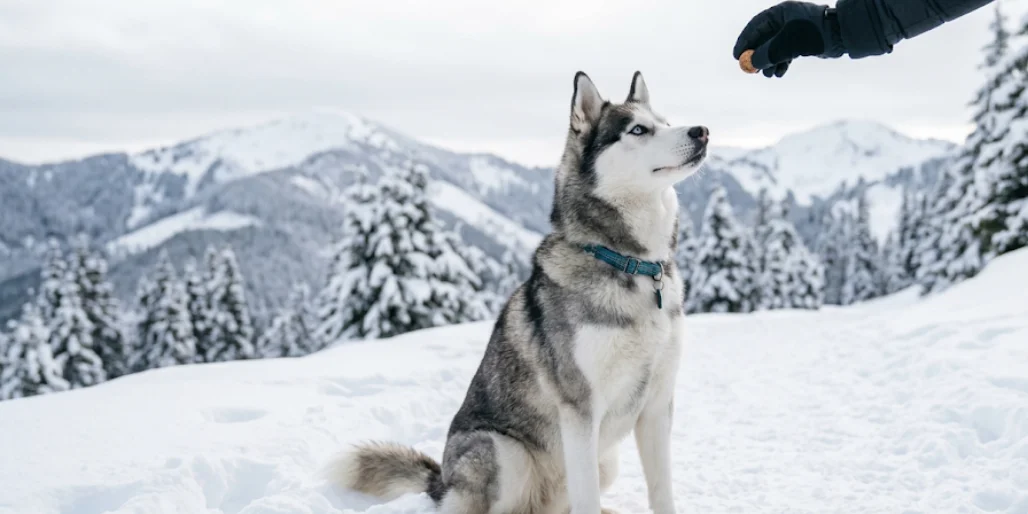
Welcome to PawandBreeds, your ultimate resource for everything canine! If you’re looking for an in-depth dog breeds guide, you’ve come to the right place. Today, we’re diving into the fascinating world of Siberian Huskies, offering invaluable tips for training and care.
Understanding the Siberian Husky Breed
History and Origin of Siberian Huskies
Siberian Huskies are truly remarkable dogs with a rich history rooted in the harsh, icy landscapes of Siberia. Originally bred by the Chukchi people, these resilient canines were primarily used for pulling sleds over long distances — a heritage formally documented by the American Kennel Club (AKC), which recognises the Siberian Husky as one of the oldest and most enduring working breeds in existence. Their historical role as working dogs has deeply influenced their physical characteristics and temperament, making them a breed unlike any other. They were essential for survival, demonstrating loyalty and an unparalleled work ethic, which are traits still evident in the breed today.
Physical Characteristics of Huskies
When you think of a husky, striking blue eyes, a thick double coat, and a wolf-like appearance often come to mind. If you love the wolf‑like look, you might also enjoy our guide to dog breeds that look like wolves. These physical traits aren’t just for show; they are adaptations to their cold origins. Their dense fur provides insulation, while their powerful, agile build makes them excellent runners. Many husky owners are drawn to their captivating looks, but it’s important to remember that these physical attributes come with specific care requirements, especially concerning exercise and grooming.
Temperament and Behavior Traits
Siberian Huskies are renowned for their outgoing and friendly temperament, but they also possess a stubborn streak. They are highly intelligent, yet this intelligence often manifests as selective hearing, making training a Siberian a unique challenge. Huskies are generally good-natured, enjoying the company of people and other dogs, but their high energy and strong prey drive mean they require consistent mental stimulation and physical exercise to prevent boredom and destructive behaviors. Understanding these traits is the first step to successful Siberian husky training.
Essential Tips for Training Huskies
Establishing a Training Routine
Establishing a consistent training routine is paramount when training huskies. These intelligent dogs thrive on predictability, so a regular schedule for training sessions, feeding, and exercise helps them understand what’s expected. Start with short, engaging sessions, gradually increasing their duration as your husky puppy’s attention span grows. Consistency in your approach will make a huge difference in how quickly your dog learns to obey commands and develops good habits.
Positive Reinforcement Techniques
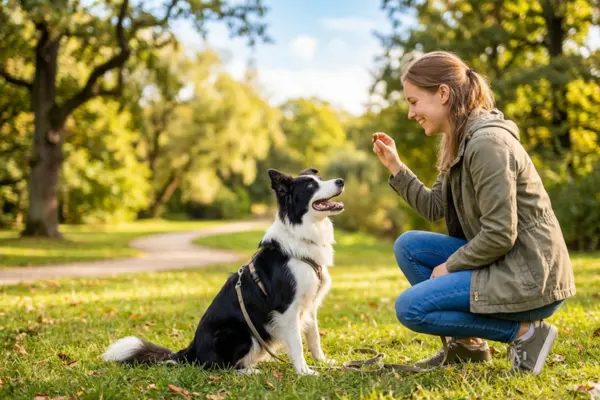
Positive reinforcement is the most effective method for training a Siberian husky. Instead of punishment, reward your dog for desirable behaviors with treats, praise, or their favorite toy. This creates a positive association with learning and encourages your husky to repeat the actions you want to see. Remember, many huskies are motivated by food, so using high-value treats can be a powerful tool to get your dog to listen and respond to your commands.
Common Commands for Siberian Husky Training
Starting with basic obedience commands like “sit,” “stay,” “come,” and “leash” is crucial for any husky owner. These foundational commands not only teach your dog discipline but also ensure their safety. Due to their independent nature, patience is key. Practice these commands in various environments, gradually introducing distractions to solidify your husky’s understanding. Consistency and repetition are your best friends in helping your husky puppy master these essential life skills.
Exercise Needs of Siberian Huskies
Importance of Regular Exercise
Siberian Huskies are a high-energy breed, and regular exercise is an absolute priority for their well-being. Without enough physical activity, a husky can become bored and develop destructive habits, which no husky owner wants! Daily walks or runs are essential to burn off their boundless energy and provide much-needed mental stimulation. Letting your husky run and explore safely is key to preventing them from becoming stubborn or exhibiting unwanted behaviors, ensuring they remain a happy and well-adjusted pet.
Fun Activities for Active Huskies
Beyond daily walks, there are many fun activities that can keep your Siberian huskies engaged and exercised. Activities like hiking, running alongside a bike, or even participating in doggy sports such as agility or canicross are fantastic ways to satisfy their need for speed and stamina. Many huskies also love to play fetch or tug, and these games can be excellent opportunities to reinforce commands and strengthen your bond. Remember, a tired husky is a well-behaved husky, so get creative with their exercise!
Balancing Exercise and Training
Balancing exercise with obedience training is crucial for a well-rounded husky. Incorporate short training sessions during your walks or playtimes, using treats and positive reinforcement to reward good behavior. This helps your husky associate exercise with learning and makes them more likely to listen to commands even when excited. A good trainer or behaviorist will emphasize this integration, as it teaches your husky to focus on you amidst distractions, which is a vital skill for this intelligent, yet often independent, breed.
Developing Impulse Control in Huskies
Understanding Impulse Control
Impulse control is incredibly important for training a Siberian husky, especially given their high prey drive and tendency to be escape artists. It’s about teaching your husky to pause and think before reacting to exciting stimuli, like a squirrel or another dog. Without good impulse control, your husky might pull on the leash, not listen to commands, or even engage in counter surfing. Developing this skill is a cornerstone of effective dog training and helps your dog to listen and make better choices.
Training Exercises for Better Control
There are several effective training exercises to improve your husky’s impulse control. “Leave It” is a fantastic command for teaching your husky to ignore tempting items, whether it’s a dropped treat or a cat. Practicing “stay” for longer durations, especially with distractions, also builds their ability to resist immediate urges. Incorporating group classes can be beneficial, as they provide controlled environments to practice obedience around other dogs and people, helping your puppy learn to greet appropriately without jumping or wandering.
Tips for Preventing Destructive Behavior
Preventing destructive behavior in Siberian Huskies often comes down to managing their environment and providing plenty of mental and physical outlets. Ensure your husky has appropriate chew toys to satisfy their chewing instincts and consider crate training for safe containment when you can’t supervise them directly. A tired husky is less likely to engage in destructive acts, so consistent exercise, coupled with ongoing mental stimulation like puzzle toys, will greatly reduce the chances of your husky chewing on furniture or digging up your yard. Remember, PawandBreeds is here to provide all the dog breeds guide information you need!
Common Challenges in Training a Siberian Husky
Dealing with Stubbornness
One of the most frequent hurdles many husky owners face when training a Siberian is their inherent stubbornness. These intelligent canines often have a mind of their own and can be quite selective in when they choose to obey a command. It’s not that your husky doesn’t listen; it’s often a case of them deciding if they want to. This trait requires immense patience and a consistent approach from the trainer. Instead of getting frustrated, remember that positive reinforcement and making training sessions fun and rewarding can help overcome this challenge, gradually encouraging your dog to listen more consistently.
Addressing Distractions During Training
Distractions are another significant challenge when training huskies, especially given their high energy and natural curiosity. A passing cat, another dog, or even an interesting smell can quickly divert your husky’s attention, making it hard for them to focus on your commands. To tackle this, start training in a quiet, low-distraction environment, gradually introducing more stimulating surroundings as your husky puppy progresses. Using high-value treats and engaging your husky with exciting rewards can help them prioritize your instructions over external distractions, ensuring they stay focused on the task at hand.
Strategies for a Successful Training Experience
To ensure a successful training experience with your Siberian Huskies, a multifaceted approach is best. Employing positive reinforcement is paramount; always reward your dog for good behavior with treats, praise, or a favorite toy. Keep training sessions short, frequent, and engaging to maintain your husky’s interest and prevent boredom. Socialization from a young age is also a priority, as it helps your husky greet other dogs and people appropriately. If you find yourself struggling, don’t hesitate to consult with a professional dog trainer or behaviorist from PawandBreeds, who can offer tailored husky training tips to help you and your pet succeed.
Maintaining Long-term Training Success
Consistency is Key
Consistency is undeniably the most crucial element in maintaining long-term training success with Siberian Huskies. These intelligent dogs thrive on routine and predictability, so ensuring that everyone in the household uses the same commands, expectations, and rewards is vital. Regular, albeit short, obedience training sessions throughout your husky’s life will reinforce learned behaviors and prevent them from reverting to old habits. Think of it as ongoing education for your pet; just because they know a trick doesn’t mean they don’t benefit from a refresher.
Reinforcing Good Behavior
To ensure your husky remains well-behaved, consistently reinforcing good behavior is essential. Whenever your husky puppy performs a command correctly, walks nicely on the leash, or greets a guest calmly, make sure to reward them immediately. This continuous positive reinforcement strengthens the desired actions and helps your dog understand that good choices lead to good outcomes. Don’t just reward during formal training; praise and treat them for everyday good habits, creating a positive association with listening and following your lead.
Continuing Education for Your Husky
Just like people, dogs benefit from continuing education, and this is especially true for smart breeds like Siberian Huskies. Enrolling your husky in advanced obedience classes, trying out new doggy sports, or even teaching them new tricks can provide valuable mental stimulation and keep their minds sharp. This ongoing engagement helps prevent boredom, which can often lead to destructive behaviors, and further solidifies the bond between you and your pet. A well-trained husky is a happy husky, and at PawandBreeds, we believe in fostering a lifelong love of learning for all canines.
FAQ’s
Q: How do I get my dog to listen when I try to train a husky?
A: Start with high-value rewards and short sessions so your dog stays engaged — Huskies are energetic and easily bored. Use a comfy mat as a designated spot, practice near the front door for controlled exits, and gradually increase distractions so your dog will listen willingly even when someone else walks by and your pup wants to sniff or chase.
Q: What are the top husky training tips for leash walking and recalling?
A: Huskies love to pull and follow scents, so a sturdy collar or front-clip harness helps. Train with frequent short walks, reward recalls with treats or a favorite toy, and practice “come” in a fenced yard before letting them off leash. Think in miles of consistent repetition rather than a single long session — a few five-minute drills each day beats one hour once a week.
Q: Is socialization a priority when I train a husky puppy?
A: Yes — socializing early makes your dog confident and less reactive. Introduce your pup to different people, dogs, sounds, and environments, including daycare visits and short car rides, so they learn that new is okay. Enrichment like puzzle toys and supervised play prevents boredom and channelizes their energetic nature.
Q: How can I train a husky to stop escaping or bolting out the front door?
A: Teach a reliable “wait” and “stay” at the front door using a mat and step-by-step practice: open the door a crack, reward calm behavior on the mat, then slowly increase the challenge. Pair this with working on recall and a strong “leave it” cue so your husky learns to choose you over an adventure beyond the threshold.
Q: Can huskies be trained for advanced tasks or are they only good for running a mile or more?
A: Huskies are capable of learning a lot — they can do agility, carting, or therapy work — but they need motivation and consistency. Their love for movement means they excel in activities that include running, but they also respond well to enrichment games and clear, fun training that taps into their natural instincts.
Q: How do I handle stubborn behavior when I try to train dogs like huskies?
A: Stay patient and positive — punishment backfires with this breed. Break commands into tiny steps, reward progress, and mix in play or short runs as rewards. If your husky prefers sniffing over obedience, use sniff time as a controlled reward for following a command first.
Q: Should I use treats, toys, or correction when I train a husky to come back?
A: Use rewards first — treats and toys build a strong, happy recall. Corrections can create fear or distrust; reserve them only as last resort under professional guidance. Make coming back more fun than the adventure: call them from play, then give a treat or take them on a short walk or mini-adventure as a reward.
Q: How often and for how long should I train a husky so they stay happy and willing to learn?
A: Short, frequent sessions work best — 5–15 minutes several times a day. Mix basic obedience with enrichment like puzzle feeders or scent games so your husky uses both brain and body. Regular exercise and mental stimulation reduce nuisance behaviors and keep them willingly focused during training.