Welcome to PawandBreeds, your go-to source for everything related to dog breeds! If you’ve recently welcomed an adorable French Bulldog puppy into your home, you’re in for a treat. These charming companions, often called Frenchies, are known for their playful nature and affectionate personalities. Our comprehensive dog breeds guide, including a dedicated section on French Bulldogs, is designed to help you navigate the exciting journey of puppy ownership. This article will provide essential Frenchie training tips to ensure your new furry friend grows into a well-behaved and happy member of your family.
Understanding the French Bulldog Puppy
French Bulldogs are a unique breed, and understanding their specific characteristics and needs is the first step toward successful dog training. From their distinctive bat-like ears to their endearing snorts, every aspect of a Frenchie puppy contributes to their charm. Proper training for a French Bulldog puppy involves recognizing these traits and tailoring your approach accordingly. As with any new puppy, early socialization and consistent training sessions are crucial for their development into a well-adjusted adult dog.
Characteristics of Frenchies
French Bulldogs are a brachycephalic breed, meaning they have a short snout, which can impact their ability to regulate temperature — a characteristic the American Kennel Club (AKC) formally documents alongside recognising the French Bulldog as one of the most popular breeds in the US. This makes them prone to overheating, so exercise and playtime should always be monitored, especially during warmer weather. Their compact size and generally low energy levels make them excellent apartment dwellers. However, don’t let their small stature fool you; Frenchies have big personalities and can display a surprising amount of stubbornness, which can sometimes make training a puppy a unique challenge.
Why Training is Important for French Bulldogs
Dog training is paramount for any breed, but it holds particular significance for French Bulldogs. A well-trained Frenchie puppy is a happy Frenchie, and a happy pet’s journey contributes significantly to a harmonious household. Proper training helps mitigate common behavioral issues and ensures your pup understands boundaries. Without consistent guidance, a French Bulldog puppy might develop undesirable habits. Early intervention through positive reinforcement not only builds a strong bond between you and your pup but also helps them navigate the world safely and confidently, preventing potential problems down the line.
Common Behavioral Traits of Frenchie Puppies
French Bulldog puppies are known for their playful and affectionate nature, often displaying a charming stubborn streak. They can be quite prone to separation anxiety if not properly socialized and trained to be alone, often manifesting as excessive barking or destructive chewing. Early potty training efforts might also encounter some resistance due to their occasional stubbornness, so patience is key when teaching them to pee outside. Establishing a consistent training schedule early on is vital to shape a well-behaved pup.
Essential Training Tips for French Bulldogs
Now that you understand the unique characteristics of French Bulldogs, it’s time to dive into the practical aspects of dog training. These essential training tips will help you effectively train your French Bulldog puppy, ensuring they grow into a well-behaved and happy companion. Remember, consistency and patience are key when training a Frenchie, as their charming stubbornness can sometimes make the process a bit challenging. With the right approach, training your French Bulldog can be a rewarding experience for both you and your pup.
Positive Reinforcement Techniques
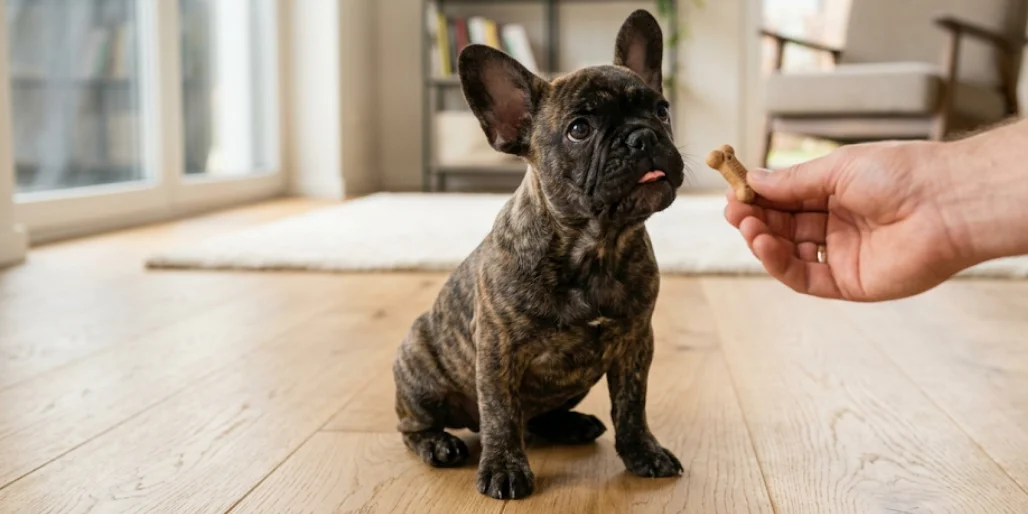
Positive reinforcement is the cornerstone of effective French Bulldog puppy training. This method involves rewarding your Frenchie for desired behaviors, making them more likely to repeat those actions. When your pup successfully performs a command like “sit” or “stay,” immediately offer a high-value training treat, praise, or a quick playtime session. This creates a positive association with good behavior and strengthens the bond between you and your French Bulldog. Avoid punishment, as it can create fear and anxiety, hindering the training process for your Frenchie.
Creating a Training Schedule for Your Puppy
Establishing a consistent training schedule is crucial for your French Bulldog puppy. Young pups thrive on routine, so regular, short training sessions throughout the day are more effective than long, infrequent ones. For instance, incorporate potty breaks every couple of hours, especially after waking up and eating. Schedule specific times for practicing basic commands and for crate training, if you choose to use it. A predictable routine helps your pup understand expectations and accelerates their learning, making it easier to train your French Bulldog.
Consistency in Training: Key to Success
Consistency is paramount when training a French Bulldog. Every member of the household should use the same commands and training methods to avoid confusing your pup. If one person allows your Frenchie on the couch but another doesn’t, your French Bulldog won’t understand the rules. Regularly reinforce learned behaviors, even after your pup seems to have mastered them. This continuous practice helps solidify their understanding and ensures your French Bulldog remains well-behaved as they grow into a 1-year-old adult.
Potty Training Your French Bulldog
Potty training is a fundamental aspect of raising a well-behaved French Bulldog puppy, and while it might test your patience, it’s entirely achievable with the right approach. Frenchies, with their sometimes stubborn nature, require consistency and positive reinforcement to understand where they should do their business. At PawandBreeds, we understand the common struggles French Bulldog owners face, and our dog breeds guide emphasizes the importance of early and consistent potty training efforts to ensure a clean and happy home for both you and your pup.
Steps to Potty Train a French Bulldog Puppy
To effectively potty train a French Bulldog puppy, start by establishing a consistent routine. Take your Frenchie outside frequently, especially after waking up, eating, and before bedtime. When your pup successfully goes potty outside, immediately reward them with enthusiastic praise and a high-value training treat. This positive reinforcement creates a strong association between going outside and receiving a reward. Crate training can also be incredibly helpful, as dogs are naturally inclined not to soil their sleeping area. Gradually increase the time between outdoor trips as your French Bulldog puppy gets older, always remembering to take them out if they start sniffing around or circling indoors.
Common Challenges and Solutions
Potty training a French Bulldog can present its own set of challenges, often due to their characteristic stubbornness or a lack of consistent training. One common issue is accidents indoors. When this happens, avoid punishment; instead, clean the area thoroughly with an enzymatic cleaner to remove any lingering scent that might attract your Frenchie back to the same spot. If your pup is having trouble understanding that they need to pee outside, try keeping them on a leash during outdoor potty breaks to minimize distractions and keep them focused on the task at hand. Remember, patience and consistency are your best tools when dealing with these hurdles in your French Bulldog training.
When to Seek Professional Help
While most French Bulldog owners can successfully potty train their pup with consistency and positive reinforcement, there are times when professional help might be beneficial. If you’ve been diligently following a training schedule and your French Bulldog puppy is still having frequent accidents, or if they seem to be regressing in their potty training progress, it might be time to consult a professional dog trainer. A qualified trainer can assess your specific situation, identify underlying issues, and provide tailored training tips and strategies to help your Frenchie overcome their potty training challenges and ensure your new puppy develops good habits.
Behavioral Training for Frenchies
Behavioral training is just as crucial as potty training for your French Bulldog. Beyond basic commands, it helps shape your Frenchie into a well-adjusted, confident, and polite companion. Given the breed’s charming personality and occasional stubbornness, consistent behavioral training sessions are essential from a young age. Our comprehensive dog breeds guide at PawandBreeds highlights the importance of early socialization and command training for all breeds, ensuring your French Bulldog puppy integrates smoothly into your family and interacts positively with the world around them.
Basic Commands Every French Bulldog Should Know
Teaching your French Bulldog basic commands is fundamental for their safety and good behavior. Essential commands like “sit,” “stay,” and “come” are not just party tricks; they are vital for managing your pup in various situations. For example, a reliable “come” command can prevent your Frenchie from running into dangerous situations, while “stay” can help manage excitement. Use high-value training treats and positive reinforcement to make these sessions fun and rewarding for your French Bulldog puppy. Short, frequent training sessions are more effective than long, drawn-out ones, especially with a young Frenchie.
Socialization with Other Dogs and People
Socialization is paramount for a well-rounded French Bulldog puppy. Exposing your Frenchie to a variety of sights, sounds, people, and other well-behaved dogs from an early age helps them develop confidence and prevents fear-based aggression or anxiety later on. Enroll your pup in puppy classes where they can safely interact with other young dogs under supervision. Arrange controlled playtime with vaccinated, friendly dogs, and ensure your French Bulldog puppy has positive experiences with different people. These interactions are crucial for preventing your Frenchie from becoming fearful or overly shy, fostering a balanced and happy pet’s journey.
Addressing Aggressive or Fearful Behaviors
Addressing aggressive or fearful behaviors in your French Bulldog puppy requires a sensitive and consistent approach. If your Frenchie displays signs of fear, such as cowering, growling, or snapping, avoid forcing interactions. Instead, create positive associations with the things that scare them, using training treats and praise. For aggression, it’s critical to identify the triggers. For example, if your pup guards their food bowl, practice “resource guarding” exercises under professional guidance. In severe cases of aggression or persistent fear, consulting a professional dog trainer or a veterinary behaviorist is highly recommended to ensure your French Bulldog receives the appropriate support and training.
Maintaining Training Consistency
Consistency is the bedrock of successful dog training, especially when you’re working with a French Bulldog puppy, who can sometimes exhibit a charming stubbornness. Just as we emphasized the importance of a regular training schedule, maintaining that routine and approach every single day is crucial for your Frenchie’s understanding and long-term behavioral success. It’s not just about the specific training sessions; it’s about how you interact with your pup consistently throughout the day, reinforcing good habits and gently correcting undesirable ones.
Daily Training Routines for Your French Bulldog
Incorporating short, engaging training sessions into your French Bulldog puppy’s daily routine is far more effective than infrequent, long ones. Think of it like mini-lessons for your Frenchie. Start the day with a quick trip outside for potty, followed by a few minutes of practicing “sit” and “stay” before breakfast. Throughout the day, seize opportunities to reinforce good behavior, such as rewarding your pup for calmly greeting guests or for going potty outside. This consistent exposure helps solidify their understanding of commands and expectations, making training a French Bulldog a seamless part of your daily life.
Adjusting Training Techniques as Your Puppy Grows
As your French Bulldog puppy matures into a 1-year-old, their training needs and capabilities will evolve. What worked for a tiny pup might need adjustment for a more independent adolescent Frenchie. Initially, high-value training treats might be essential, but as your pup becomes more reliable, you can start transitioning to verbal praise or toys as rewards, intermittently reinforcing with treats. You’ll also want to introduce more complex commands and situations, gradually increasing distractions to ensure your French Bulldog can perform commands reliably in various environments. Remember, training a Frenchie is an ongoing journey, not a one-time event.
Tracking Progress and Celebrating Successes
Keeping track of your French Bulldog puppy’s progress is incredibly motivating for both of you! You might want to jot down which commands your Frenchie has mastered, any challenges you’re facing with potty training, or new behaviors your pup has learned. Celebrate every milestone, no matter how small—whether it’s a perfectly executed “come” or a full week without an indoor potty accident. Positive reinforcement isn’t just for your Frenchie; it’s for you too! Acknowledging your puppy’s achievements builds your confidence as a French Bulldog owner and reinforces the positive bond you share.
Conclusion: Embracing Your Journey with PawandBreeds
Bringing a French Bulldog puppy into your home is a truly rewarding experience, and we at PawandBreeds are thrilled to be part of your pet’s journey. From understanding their unique characteristics to navigating the nuances of potty training and behavioral training, we hope these essential Frenchie training tips have equipped you with the knowledge and confidence to raise a well-behaved and happy companion. Remember, the bond you build through consistent, positive dog training will last a lifetime, creating countless cherished memories with your beloved French Bulldog.
Recap of Key Training Tips
To recap, successful training a French Bulldog puppy hinges on several key principles: understanding their unique Frenchie characteristics, especially their occasional stubbornness; employing positive reinforcement techniques consistently; establishing a clear training schedule for commands like “sit,” “stay,” and “come;” and prioritizing early socialization. Patience, consistency, and a generous supply of training treats are your best allies in helping your pup master everything from going potty outside to more complex behaviors. Remember, every little step forward is a victory in your French Bulldog training journey.
Encouragement for New French Bulldog Owners
To all new French Bulldog owners, we want to offer a hearty dose of encouragement! Training a Frenchie, or any new puppy, can have its ups and downs, but the rewards are immeasurable. There will be days of triumph and moments of frustration, but every interaction is an opportunity to strengthen the bond with your French Bulldog. Embrace the journey, celebrate the small victories, and never hesitate to seek advice or support when needed. You’re doing great, and your French Bulldog puppy is lucky to have you.
Exploring More on Dog Breeds Guide at PawandBreeds
We hope this article has provided valuable insights into training your French Bulldog puppy. For even more in-depth information on Frenchies and a wide array of other breeds, we invite you to explore our comprehensive dog breeds guide right here at PawandBreeds. Our pillar page is packed with resources on everything from breed-specific training tips to health and nutrition advice, ensuring you have all the information you need for a happy and healthy pet’s journey. If you’re curious about how French Bulldogs compare to other popular breeds, check out our detailed French Bulldog vs Boston Terrier comparison to help you understand the unique traits of each breed. Keep exploring, keep learning, and enjoy every moment with your wonderful French Bulldog!
Q: How do I get my french bulldog puppy to behave from day one?
A: Start early with consistency and use positive reinforcement — praise and treats when your puppy does what you want. Set a simple train program for basic training commands like “sit, “stay, and “come, and make sure everyone in the household follows the same rules so your frenchbulldog learns boundaries. Socialize him gradually around other dogs and people after vaccination so he learns to behave in different situations.
Q: What are the first steps in french bulldog training for house break and potty routines?
A: Begin by establishing a spot outside and a schedule — take him outside every 2 hours and after meals, play, or naps. Use puppy pads only temporarily if needed, then transition to outdoor spot outside. Reward your puppy when he eliminates in the right place and avoid harsh scold — urinary accidents will happen while house-trained skills develop.
Q: When should I start formal french bulldog training and are they trainable as puppies?
A: You can start basic training as soon as the puppy is weeks old, using short sessions and positive reinforcement. Frenchies are trainable but can be stubborn, so consistency matters. If you got your pup from a breeder, ask about early socialization. Formal obedience commands and a train program become easier before 1 year old, though it’s never too late to teach your dog new skills.
Q: How do I teach common commands like “sit, “stay, and “come to my Frenchie?
A: Use treats and praise: lure him into “sit with a treat, mark and reward the position, then add the word. For “stay start short and step back slowly, rewarding calm behavior. For “come use high-value rewards and make coming fun. Repetition, short sessions, and use positive reinforcement will help your french bulldog respond reliably.
Q: My french bulldog puppy is social — how do I safely introduce him to other dogs and public spaces?
A: Wait until vaccinations are complete before heavy exposure, then start slow: controlled playdates with vaccinated, friendly dogs, visits to low-traffic outdoor spots, and small group trainings. Use a kennel or playpen for safe breaks, and reward calm behavior so he learns to behave around other dogs and people.
Q: Are small breed puppies like French Bulldogs harder to train than bigger dogs?
A: Little dogs can be just as trainable, but sometimes owners unintentionally reinforce bad habits. Treat your french bulldog like any dog: consistent rules, reward your puppy for good behavior, and avoid scolding that confuses him. With patience, your pup can be house-trained and even fully trained in obedience commands.
Q: How should I handle biting, chewing, and typical puppy misbehavior?
A: Redirect chewing to appropriate toys, keep tempting items out of reach, and reward calm play. If he nips, stop play and ignore briefly so he learns that gentle behavior gets attention. Crate training and a safe playpen help manage unsupervised time and reduce destructive behavior while you teach him what’s acceptable.
Q: Should I consider formal classes, and how do I pick the right dogtraining approach for my Frenchie?
A: Group classes or a private trainer can speed progress, especially for teaching obedience commands and social skills. Look for positive reinforcement-based trainers and programs endorsed by akc or experienced with small breeds. A good trainer will help tailor a plan for weeks old puppies up to older dogs and guide you to make your french bull dog a wonderful companion.Training a French Bulldog Puppy: Essential Frenchie Training Tips
Welcome to PawandBreeds, your go-to source for everything related to dog breeds! If you’ve recently welcomed an adorable French Bulldog puppy into your home, you’re in for a treat. These charming companions, often called Frenchies, are known for their playful nature and affectionate personalities. Our comprehensive dog breeds guide, including a dedicated section on French Bulldogs, is designed to help you navigate the exciting journey of puppy ownership. This article will provide essential Frenchie training tips to ensure your new furry friend grows into a well-behaved and happy member of your family.
Understanding the French Bulldog Puppy
French Bulldogs are a unique breed, and understanding their specific characteristics and needs is the first step toward successful dog training. From their distinctive bat-like ears to their endearing snorts, every aspect of a Frenchie puppy contributes to their charm. Proper training for a French Bulldog puppy involves recognizing these traits and tailoring your approach accordingly. As with any new puppy, early socialization and consistent training sessions are crucial for their development into a well-adjusted adult dog.
Characteristics of Frenchies
French Bulldogs are a brachycephalic breed, meaning they have a short snout, which can impact their ability to regulate temperature. This makes them prone to overheating, so exercise and playtime should always be monitored, especially during warmer weather. Their compact size and generally low energy levels make them excellent apartment dwellers. However, don’t let their small stature fool you; Frenchies have big personalities and can display a surprising amount of stubbornness, which can sometimes make training a puppy a unique challenge.
Why Training is Important for French Bulldogs
Dog training is paramount for any breed, but it holds particular significance for French Bulldogs. A well-trained Frenchie puppy is a happy Frenchie, and a happy pet’s journey contributes significantly to a harmonious household. Proper training helps mitigate common behavioral issues and ensures your pup understands boundaries. Without consistent guidance, a French Bulldog puppy might develop undesirable habits. Early intervention through positive reinforcement not only builds a strong bond between you and your pup but also helps them navigate the world safely and confidently, preventing potential problems down the line.
Common Behavioral Traits of Frenchie Puppies
French Bulldog puppies are known for their playful and affectionate nature, often displaying a charming stubborn streak. They can be quite prone to separation anxiety if not properly socialized and trained to be alone, often manifesting as excessive barking or destructive chewing. Early potty training efforts might also encounter some resistance due to their occasional stubbornness, so patience is key when teaching them to pee outside. Establishing a consistent training schedule early on is vital to shape a well-behaved pup.
Essential Training Tips for French Bulldogs
Now that you understand the unique characteristics of French Bulldogs, it’s time to dive into the practical aspects of dog training. These essential training tips will help you effectively train your French Bulldog puppy, ensuring they grow into a well-behaved and happy companion. Remember, consistency and patience are key when training a Frenchie, as their charming stubbornness can sometimes make the process a bit challenging. With the right approach, training your French Bulldog can be a rewarding experience for both you and your pup.
Positive Reinforcement Techniques
Positive reinforcement is the cornerstone of effective French Bulldog puppy training. This method involves rewarding your Frenchie for desired behaviors, making them more likely to repeat those actions. When your pup successfully performs a command like “sit” or “stay,” immediately offer a high-value training treat, praise, or a quick playtime session. This creates a positive association with good behavior and strengthens the bond between you and your French Bulldog. Avoid punishment, as it can create fear and anxiety, hindering the training process for your Frenchie.
Creating a Training Schedule for Your Puppy
Establishing a consistent training schedule is crucial for your French Bulldog puppy. Young pups thrive on routine, so regular, short training sessions throughout the day are more effective than long, infrequent ones. For instance, incorporate potty breaks every couple of hours, especially after waking up and eating. Schedule specific times for practicing basic commands and for crate training, if you choose to use it. A predictable routine helps your pup understand expectations and accelerates their learning, making it easier to train your French Bulldog.
Consistency in Training: Key to Success
Consistency is paramount when training a French Bulldog. Every member of the household should use the same commands and training methods to avoid confusing your pup. If one person allows your Frenchie on the couch but another doesn’t, your French Bulldog won’t understand the rules. Regularly reinforce learned behaviors, even after your pup seems to have mastered them. This continuous practice helps solidify their understanding and ensures your French Bulldog remains well-behaved as they grow into a 1-year-old adult.
Potty Training Your French Bulldog
Potty training is a fundamental aspect of raising a well-behaved French Bulldog puppy, and while it might test your patience, it’s entirely achievable with the right approach. Frenchies, with their sometimes stubborn nature, require consistency and positive reinforcement to understand where they should do their business. At PawandBreeds, we understand the common struggles French Bulldog owners face, and our dog breeds guide emphasizes the importance of early and consistent potty training efforts to ensure a clean and happy home for both you and your pup.
Steps to Potty Train a French Bulldog Puppy
To effectively potty train a French Bulldog puppy, start by establishing a consistent routine. Take your Frenchie outside frequently, especially after waking up, eating, and before bedtime. When your pup successfully goes potty outside, immediately reward them with enthusiastic praise and a high-value training treat. This positive reinforcement creates a strong association between going outside and receiving a reward. Crate training can also be incredibly helpful, as dogs are naturally inclined not to soil their sleeping area. Gradually increase the time between outdoor trips as your French Bulldog puppy gets older, always remembering to take them out if they start sniffing around or circling indoors.
Common Challenges and Solutions
Potty training a French Bulldog can present its own set of challenges, often due to their characteristic stubbornness or a lack of consistent training. One common issue is accidents indoors. When this happens, avoid punishment; instead, clean the area thoroughly with an enzymatic cleaner to remove any lingering scent that might attract your Frenchie back to the same spot. If your pup is having trouble understanding that they need to pee outside, try keeping them on a leash during outdoor potty breaks to minimize distractions and keep them focused on the task at hand. Remember, patience and consistency are your best tools when dealing with these hurdles in your French Bulldog training.
When to Seek Professional Help
While most French Bulldog owners can successfully potty train their pup with consistency and positive reinforcement, there are times when professional help might be beneficial. If you’ve been diligently following a training schedule and your French Bulldog puppy is still having frequent accidents, or if they seem to be regressing in their potty training progress, it might be time to consult a professional dog trainer. A qualified trainer can assess your specific situation, identify underlying issues, and provide tailored training tips and strategies to help your Frenchie overcome their potty training challenges and ensure your new puppy develops good habits.
Behavioral Training for Frenchies
Behavioral training is just as crucial as potty training for your French Bulldog. Beyond basic commands, it helps shape your Frenchie into a well-adjusted, confident, and polite companion. Given the breed’s charming personality and occasional stubbornness, consistent behavioral training sessions are essential from a young age. Our comprehensive dog breeds guide at PawandBreeds highlights the importance of early socialization and command training for all breeds, ensuring your French Bulldog puppy integrates smoothly into your family and interacts positively with the world around them.
Basic Commands Every French Bulldog Should Know
Teaching your French Bulldog basic commands is fundamental for their safety and good behavior. Essential commands like “sit,” “stay,” and “come” are not just party tricks; they are vital for managing your pup in various situations. For example, a reliable “come” command can prevent your Frenchie from running into dangerous situations, while “stay” can help manage excitement. Use high-value training treats and positive reinforcement to make these sessions fun and rewarding for your French Bulldog puppy. Short, frequent training sessions are more effective than long, drawn-out ones, especially with a young Frenchie.
Socialization with Other Dogs and People
Socialization is paramount for a well-rounded French Bulldog puppy. Exposing your Frenchie to a variety of sights, sounds, people, and other well-behaved dogs from an early age helps them develop confidence and prevents fear-based aggression or anxiety later on. Enroll your pup in puppy classes where they can safely interact with other young dogs under supervision. Arrange controlled playtime with vaccinated, friendly dogs, and ensure your French Bulldog puppy has positive experiences with different people. These interactions are crucial for preventing your Frenchie from becoming fearful or overly shy, fostering a balanced and happy pet’s journey.
Addressing Aggressive or Fearful Behaviors
Addressing aggressive or fearful behaviors in your French Bulldog puppy requires a sensitive and consistent approach. If your Frenchie displays signs of fear, such as cowering, growling, or snapping, avoid forcing interactions. Instead, create positive associations with the things that scare them, using training treats and praise. For aggression, it’s critical to identify the triggers. For example, if your pup guards their food bowl, practice “resource guarding” exercises under professional guidance. In severe cases of aggression or persistent fear, consulting a professional dog trainer or a veterinary behaviorist is highly recommended to ensure your French Bulldog receives the appropriate support and training.
Maintaining Training Consistency
Consistency is the bedrock of successful dog training, especially when you’re working with a French Bulldog puppy, who can sometimes exhibit a charming stubbornness. Just as we emphasized the importance of a regular training schedule, maintaining that routine and approach every single day is crucial for your Frenchie’s understanding and long-term behavioral success. It’s not just about the specific training sessions; it’s about how you interact with your pup consistently throughout the day, reinforcing good habits and gently correcting undesirable ones.
Daily Training Routines for Your French Bulldog
Incorporating short, engaging training sessions into your French Bulldog puppy’s daily routine is far more effective than infrequent, long ones. Think of it like mini-lessons for your Frenchie. Start the day with a quick trip outside for potty, followed by a few minutes of practicing “sit” and “stay” before breakfast. Throughout the day, seize opportunities to reinforce good behavior, such as rewarding your pup for calmly greeting guests or for going potty outside. This consistent exposure helps solidify their understanding of commands and expectations, making training a French Bulldog a seamless part of your daily life.
Adjusting Training Techniques as Your Puppy Grows
As your French Bulldog puppy matures into a 1-year-old, their training needs and capabilities will evolve. What worked for a tiny pup might need adjustment for a more independent adolescent Frenchie. Initially, high-value training treats might be essential, but as your pup becomes more reliable, you can start transitioning to verbal praise or toys as rewards, intermittently reinforcing with treats. You’ll also want to introduce more complex commands and situations, gradually increasing distractions to ensure your French Bulldog can perform commands reliably in various environments. Remember, training a Frenchie is an ongoing journey, not a one-time event.
Tracking Progress and Celebrating Successes
Keeping track of your French Bulldog puppy’s progress is incredibly motivating for both of you! You might want to jot down which commands your Frenchie has mastered, any challenges you’re facing with potty training, or new behaviors your pup has learned. Celebrate every milestone, no matter how small—whether it’s a perfectly executed “come” or a full week without an indoor potty accident. Positive reinforcement isn’t just for your Frenchie; it’s for you too! Acknowledging your puppy’s achievements builds your confidence as a French Bulldog owner and reinforces the positive bond you share.
Conclusion: Embracing Your Journey with PawandBreeds
Bringing a French Bulldog puppy into your home is a truly rewarding experience, and we at PawandBreeds are thrilled to be part of your pet’s journey. From understanding their unique characteristics to navigating the nuances of potty training and behavioral training, we hope these essential Frenchie training tips have equipped you with the knowledge and confidence to raise a well-behaved and happy companion. Remember, the bond you build through consistent, positive dog training will last a lifetime, creating countless cherished memories with your beloved French Bulldog.
Recap of Key Training Tips
To recap, successful training a French Bulldog puppy hinges on several key principles: understanding their unique Frenchie characteristics, especially their occasional stubbornness; employing positive reinforcement techniques consistently; establishing a clear training schedule for commands like “sit,” “stay,” and “come;” and prioritizing early socialization. Patience, consistency, and a generous supply of training treats are your best allies in helping your pup master everything from going potty outside to more complex behaviors. Remember, every little step forward is a victory in your French Bulldog training journey.
Encouragement for New French Bulldog Owners
To all new French Bulldog owners, we want to offer a hearty dose of encouragement! Training a Frenchie, or any new puppy, can have its ups and downs, but the rewards are immeasurable. There will be days of triumph and moments of frustration, but every interaction is an opportunity to strengthen the bond with your French Bulldog. Embrace the journey, celebrate the small victories, and never hesitate to seek advice or support when needed. You’re doing great, and your French Bulldog puppy is lucky to have you.
Exploring More on Dog Breeds Guide at PawandBreeds
We hope this article has provided valuable insights into training your French Bulldog puppy. For even more in-depth information on Frenchies and a wide array of other breeds, we invite you to explore our comprehensive dog breeds guide right here at PawandBreeds. Our pillar page is packed with resources on everything from breed-specific training tips to health and nutrition advice, ensuring you have all the information you need for a happy and healthy pet’s journey. Keep exploring, keep learning, and enjoy every moment with your wonderful French Bulldog!
Q: How do I get my french bulldog puppy to behave from day one?
A: Start early with consistency and use positive reinforcement — praise and treats when your puppy does what you want. Set a simple train program for basic training commands like “sit, “stay, and “come, and make sure everyone in the household follows the same rules so your frenchbulldog learns boundaries. Socialize him gradually around other dogs and people after vaccination so he learns to behave in different situations.
Q: What are the first steps in french bulldog training for house break and potty routines?
A: Begin by establishing a spot outside and a schedule — take him outside every 2 hours and after meals, play, or naps. Use puppy pads only temporarily if needed, then transition to outdoor spot outside. Reward your puppy when he eliminates in the right place and avoid harsh scold — urinary accidents will happen while house-trained skills develop.
Q: When should I start formal french bulldog training and are they trainable as puppies?
A: You can start basic training as soon as the puppy is weeks old, using short sessions and positive reinforcement. Frenchies are trainable but can be stubborn, so consistency matters. If you got your pup from a breeder, ask about early socialization. Formal obedience commands and a train program become easier before 1 year old, though it’s never too late to teach your dog new skills.
Q: How do I teach common commands like “sit, “stay, and “come to my Frenchie?
A: Use treats and praise: lure him into “sit with a treat, mark and reward the position, then add the word. For “stay start short and step back slowly, rewarding calm behavior. For “come use high-value rewards and make coming fun. Repetition, short sessions, and use positive reinforcement will help your french bulldog respond reliably.
Q: My french bulldog puppy is social — how do I safely introduce him to other dogs and public spaces?
A: Wait until vaccinations are complete before heavy exposure, then start slow: controlled playdates with vaccinated, friendly dogs, visits to low-traffic outdoor spots, and small group trainings. Use a kennel or playpen for safe breaks, and reward calm behavior so he learns to behave around other dogs and people.
Q: Are small breed puppies like French Bulldogs harder to train than bigger dogs?
A: Little dogs can be just as trainable, but sometimes owners unintentionally reinforce bad habits. Treat your french bulldog like any dog: consistent rules, reward your puppy for good behavior, and avoid scolding that confuses him. With patience, your pup can be house-trained and even fully trained in obedience commands.
Q: How should I handle biting, chewing, and typical puppy misbehavior?
A: Redirect chewing to appropriate toys, keep tempting items out of reach, and reward calm play. If he nips, stop play and ignore briefly so he learns that gentle behavior gets attention. Crate training and a safe playpen help manage unsupervised time and reduce destructive behavior while you teach him what’s acceptable.
Q: Should I consider formal classes, and how do I pick the right dogtraining approach for my Frenchie?
A: Group classes or a private trainer can speed progress, especially for teaching obedience commands and social skills. Look for positive reinforcement-based trainers and programs endorsed by akc or experienced with small breeds. A good trainer will help tailor a plan for weeks old puppies up to older dogs and guide you to make your french bull dog a wonderful companion.Welcome to PawandBreeds, your go-to source for everything related to dog breeds! If you’ve recently welcomed an adorable French Bulldog puppy into your home, you’re in for a treat. These charming companions, often called Frenchies, are known for their playful nature and affectionate personalities. Our comprehensive dog breeds guide, including a dedicated section on French Bulldogs, is designed to help you navigate the exciting journey of puppy ownership. This article will provide essential Frenchie training tips to ensure your new furry friend grows into a well-behaved and happy member of your family.
Understanding the French Bulldog Puppy
French Bulldogs are a unique breed, and understanding their specific characteristics and needs is the first step toward successful dog training. From their distinctive bat-like ears to their endearing snorts, every aspect of a Frenchie puppy contributes to their charm. Proper training for a French Bulldog puppy involves recognizing these traits and tailoring your approach accordingly. As with any new puppy, early socialization and consistent training sessions are crucial for their development into a well-adjusted adult dog.
Characteristics of Frenchies
French Bulldogs are a brachycephalic breed, meaning they have a short snout, which can impact their ability to regulate temperature. This makes them prone to overheating, so exercise and playtime should always be monitored, especially during warmer weather. Their compact size and generally low energy levels make them excellent apartment dwellers. However, don’t let their small stature fool you; Frenchies have big personalities and can display a surprising amount of stubbornness, which can sometimes make training a puppy a unique challenge.
Why Training is Important for French Bulldogs
Dog training is paramount for any breed, but it holds particular significance for French Bulldogs. A well-trained Frenchie puppy is a happy Frenchie, and a happy pet’s journey contributes significantly to a harmonious household. Proper training helps mitigate common behavioral issues and ensures your pup understands boundaries. Without consistent guidance, a French Bulldog puppy might develop undesirable habits. Early intervention through positive reinforcement not only builds a strong bond between you and your pup but also helps them navigate the world safely and confidently, preventing potential problems down the line.
Common Behavioral Traits of Frenchie Puppies
French Bulldog puppies are known for their playful and affectionate nature, often displaying a charming stubborn streak. They can be quite prone to separation anxiety if not properly socialized and trained to be alone, often manifesting as excessive barking or destructive chewing. Early potty training efforts might also encounter some resistance due to their occasional stubbornness, so patience is key when teaching them to pee outside. Establishing a consistent training schedule early on is vital to shape a well-behaved pup.
Essential Training Tips for French Bulldogs
Now that you understand the unique characteristics of French Bulldogs, it’s time to dive into the practical aspects of dog training. These essential training tips will help you effectively train your French Bulldog puppy, ensuring they grow into a well-behaved and happy companion. Remember, consistency and patience are key when training a Frenchie, as their charming stubbornness can sometimes make the process a bit challenging. With the right approach, training your French Bulldog can be a rewarding experience for both you and your pup.
Positive Reinforcement Techniques
Positive reinforcement is the cornerstone of effective French Bulldog puppy training. This method involves rewarding your Frenchie for desired behaviors, making them more likely to repeat those actions. When your pup successfully performs a command like “sit” or “stay,” immediately offer a high-value training treat, praise, or a quick playtime session. This creates a positive association with good behavior and strengthens the bond between you and your French Bulldog. Avoid punishment, as it can create fear and anxiety, hindering the training process for your Frenchie.
Creating a Training Schedule for Your Puppy
Establishing a consistent training schedule is crucial for your French Bulldog puppy. Young pups thrive on routine, so regular, short training sessions throughout the day are more effective than long, infrequent ones. For instance, incorporate potty breaks every couple of hours, especially after waking up and eating. Schedule specific times for practicing basic commands and for crate training, if you choose to use it. A predictable routine helps your pup understand expectations and accelerates their learning, making it easier to train your French Bulldog.
Consistency in Training: Key to Success
Consistency is paramount when training a French Bulldog. Every member of the household should use the same commands and training methods to avoid confusing your pup. If one person allows your Frenchie on the couch but another doesn’t, your French Bulldog won’t understand the rules. Regularly reinforce learned behaviors, even after your pup seems to have mastered them. This continuous practice helps solidify their understanding and ensures your French Bulldog remains well-behaved as they grow into a 1-year-old adult.
Potty Training Your French Bulldog
Potty training is a fundamental aspect of raising a well-behaved French Bulldog puppy, and while it might test your patience, it’s entirely achievable with the right approach. Frenchies, with their sometimes stubborn nature, require consistency and positive reinforcement to understand where they should do their business. At PawandBreeds, we understand the common struggles French Bulldog owners face, and our dog breeds guide emphasizes the importance of early and consistent potty training efforts to ensure a clean and happy home for both you and your pup.
Steps to Potty Train a French Bulldog Puppy
To effectively potty train a French Bulldog puppy, start by establishing a consistent routine. Take your Frenchie outside frequently, especially after waking up, eating, and before bedtime. When your pup successfully goes potty outside, immediately reward them with enthusiastic praise and a high-value training treat. This positive reinforcement creates a strong association between going outside and receiving a reward. Crate training can also be incredibly helpful, as dogs are naturally inclined not to soil their sleeping area. Gradually increase the time between outdoor trips as your French Bulldog puppy gets older, always remembering to take them out if they start sniffing around or circling indoors.
Common Challenges and Solutions
Potty training a French Bulldog can present its own set of challenges, often due to their characteristic stubbornness or a lack of consistent training. One common issue is accidents indoors. When this happens, avoid punishment; instead, clean the area thoroughly with an enzymatic cleaner to remove any lingering scent that might attract your Frenchie back to the same spot. If your pup is having trouble understanding that they need to pee outside, try keeping them on a leash during outdoor potty breaks to minimize distractions and keep them focused on the task at hand. Remember, patience and consistency are your best tools when dealing with these hurdles in your French Bulldog training.
When to Seek Professional Help
While most French Bulldog owners can successfully potty train their pup with consistency and positive reinforcement, there are times when professional help might be beneficial. If you’ve been diligently following a training schedule and your French Bulldog puppy is still having frequent accidents, or if they seem to be regressing in their potty training progress, it might be time to consult a professional dog trainer. A qualified trainer can assess your specific situation, identify underlying issues, and provide tailored training tips and strategies to help your Frenchie overcome their potty training challenges and ensure your new puppy develops good habits.
Behavioral Training for Frenchies
Behavioral training is just as crucial as potty training for your French Bulldog. Beyond basic commands, it helps shape your Frenchie into a well-adjusted, confident, and polite companion. Given the breed’s charming personality and occasional stubbornness, consistent behavioral training sessions are essential from a young age. Our comprehensive dog breeds guide at PawandBreeds highlights the importance of early socialization and command training for all breeds, ensuring your French Bulldog puppy integrates smoothly into your family and interacts positively with the world around them.
Basic Commands Every French Bulldog Should Know
Teaching your French Bulldog basic commands is fundamental for their safety and good behavior. Essential commands like “sit,” “stay,” and “come” are not just party tricks; they are vital for managing your pup in various situations. For example, a reliable “come” command can prevent your Frenchie from running into dangerous situations, while “stay” can help manage excitement. Use high-value training treats and positive reinforcement to make these sessions fun and rewarding for your French Bulldog puppy. Short, frequent training sessions are more effective than long, drawn-out ones, especially with a young Frenchie.
Socialization with Other Dogs and People
Socialization is paramount for a well-rounded French Bulldog puppy. Exposing your Frenchie to a variety of sights, sounds, people, and other well-behaved dogs from an early age helps them develop confidence and prevents fear-based aggression or anxiety later on. Enroll your pup in puppy classes where they can safely interact with other young dogs under supervision. Arrange controlled playtime with vaccinated, friendly dogs, and ensure your French Bulldog puppy has positive experiences with different people. These interactions are crucial for preventing your Frenchie from becoming fearful or overly shy, fostering a balanced and happy pet’s journey.
Addressing Aggressive or Fearful Behaviors
Addressing aggressive or fearful behaviors in your French Bulldog puppy requires a sensitive and consistent approach. If your Frenchie displays signs of fear, such as cowering, growling, or snapping, avoid forcing interactions. Instead, create positive associations with the things that scare them, using training treats and praise. For aggression, it’s critical to identify the triggers. For example, if your pup guards their food bowl, practice “resource guarding” exercises under professional guidance. In severe cases of aggression or persistent fear, consulting a professional dog trainer or a veterinary behaviorist is highly recommended to ensure your French Bulldog receives the appropriate support and training.
Maintaining Training Consistency
Consistency is the bedrock of successful dog training, especially when you’re working with a French Bulldog puppy, who can sometimes exhibit a charming stubbornness. Just as we emphasized the importance of a regular training schedule, maintaining that routine and approach every single day is crucial for your Frenchie’s understanding and long-term behavioral success. It’s not just about the specific training sessions; it’s about how you interact with your pup consistently throughout the day, reinforcing good habits and gently correcting undesirable ones.
Daily Training Routines for Your French Bulldog
Incorporating short, engaging training sessions into your French Bulldog puppy’s daily routine is far more effective than infrequent, long ones. Think of it like mini-lessons for your Frenchie. Start the day with a quick trip outside for potty, followed by a few minutes of practicing “sit” and “stay” before breakfast. Throughout the day, seize opportunities to reinforce good behavior, such as rewarding your pup for calmly greeting guests or for going potty outside. This consistent exposure helps solidify their understanding of commands and expectations, making training a French Bulldog a seamless part of your daily life.
Adjusting Training Techniques as Your Puppy Grows
As your French Bulldog puppy matures into a 1-year-old, their training needs and capabilities will evolve. What worked for a tiny pup might need adjustment for a more independent adolescent Frenchie. Initially, high-value training treats might be essential, but as your pup becomes more reliable, you can start transitioning to verbal praise or toys as rewards, intermittently reinforcing with treats. You’ll also want to introduce more complex commands and situations, gradually increasing distractions to ensure your French Bulldog can perform commands reliably in various environments. Remember, training a Frenchie is an ongoing journey, not a one-time event.
Tracking Progress and Celebrating Successes
Keeping track of your French Bulldog puppy’s progress is incredibly motivating for both of you! You might want to jot down which commands your Frenchie has mastered, any challenges you’re facing with potty training, or new behaviors your pup has learned. Celebrate every milestone, no matter how small—whether it’s a perfectly executed “come” or a full week without an indoor potty accident. Positive reinforcement isn’t just for your Frenchie; it’s for you too! Acknowledging your puppy’s achievements builds your confidence as a French Bulldog owner and reinforces the positive bond you share.
Conclusion: Embracing Your Journey with PawandBreeds
Bringing a French Bulldog puppy into your home is a truly rewarding experience, and we at PawandBreeds are thrilled to be part of your pet’s journey. From understanding their unique characteristics to navigating the nuances of potty training and behavioral training, we hope these essential Frenchie training tips have equipped you with the knowledge and confidence to raise a well-behaved and happy companion. Remember, the bond you build through consistent, positive dog training will last a lifetime, creating countless cherished memories with your beloved French Bulldog.
Recap of Key Training Tips
To recap, successful training a French Bulldog puppy hinges on several key principles: understanding their unique Frenchie characteristics, especially their occasional stubbornness; employing positive reinforcement techniques consistently; establishing a clear training schedule for commands like “sit,” “stay,” and “come;” and prioritizing early socialization. Patience, consistency, and a generous supply of training treats are your best allies in helping your pup master everything from going potty outside to more complex behaviors. Remember, every little step forward is a victory in your French Bulldog training journey.
Encouragement for New French Bulldog Owners
To all new French Bulldog owners, we want to offer a hearty dose of encouragement! Training a Frenchie, or any new puppy, can have its ups and downs, but the rewards are immeasurable. There will be days of triumph and moments of frustration, but every interaction is an opportunity to strengthen the bond with your French Bulldog. Embrace the journey, celebrate the small victories, and never hesitate to seek advice or support when needed. You’re doing great, and your French Bulldog puppy is lucky to have you.
Exploring More on Dog Breeds Guide at PawandBreeds
We hope this article has provided valuable insights into training your French Bulldog puppy. For even more in-depth information on Frenchies and a wide array of other breeds, we invite you to explore our comprehensive dog breeds guide right here at PawandBreeds. Our pillar page is packed with resources on everything from breed-specific training tips to health and nutrition advice, ensuring you have all the information you need for a happy and healthy pet’s journey. Keep exploring, keep learning, and enjoy every moment with your wonderful French Bulldog!
FAQ’s
Q: How do I get my french bulldog puppy to behave from day one?
A: Start early with consistency and use positive reinforcement — praise and treats when your puppy does what you want. Set a simple train program for basic training commands like “sit, “stay, and “come, and make sure everyone in the household follows the same rules so your frenchbulldog learns boundaries. Socialize him gradually around other dogs and people after vaccination so he learns to behave in different situations.
Q: What are the first steps in french bulldog training for house break and potty routines?
A: Begin by establishing a spot outside and a schedule — take him outside every 2 hours and after meals, play, or naps. Use puppy pads only temporarily if needed, then transition to outdoor spot outside. Reward your puppy when he eliminates in the right place and avoid harsh scold — urinary accidents will happen while house-trained skills develop.
Q: When should I start formal french bulldog training and are they trainable as puppies?
A: You can start basic training as soon as the puppy is weeks old, using short sessions and positive reinforcement. Frenchies are trainable but can be stubborn, so consistency matters. If you got your pup from a breeder, ask about early socialization. Formal obedience commands and a train program become easier before 1 year old, though it’s never too late to teach your dog new skills.
Q: How do I teach common commands like “sit, “stay, and “come to my Frenchie?
A: Use treats and praise: lure him into “sit with a treat, mark and reward the position, then add the word. For “stay start short and step back slowly, rewarding calm behavior. For “come use high-value rewards and make coming fun. Repetition, short sessions, and use positive reinforcement will help your french bulldog respond reliably.
Q: My french bulldog puppy is social — how do I safely introduce him to other dogs and public spaces?
A: Wait until vaccinations are complete before heavy exposure, then start slow: controlled playdates with vaccinated, friendly dogs, visits to low-traffic outdoor spots, and small group trainings. Use a kennel or playpen for safe breaks, and reward calm behavior so he learns to behave around other dogs and people.
Q: Are small breed puppies like French Bulldogs harder to train than bigger dogs?
A: Little dogs can be just as trainable, but sometimes owners unintentionally reinforce bad habits. Treat your french bulldog like any dog: consistent rules, reward your puppy for good behavior, and avoid scolding that confuses him. With patience, your pup can be house-trained and even fully trained in obedience commands.
Q: How should I handle biting, chewing, and typical puppy misbehavior?
A: Redirect chewing to appropriate toys, keep tempting items out of reach, and reward calm play. If he nips, stop play and ignore briefly so he learns that gentle behavior gets attention. Crate training and a safe playpen help manage unsupervised time and reduce destructive behavior while you teach him what’s acceptable.
Q: Should I consider formal classes, and how do I pick the right dogtraining approach for my Frenchie?
A: Group classes or a private trainer can speed progress, especially for teaching obedience commands and social skills. Look for positive reinforcement-based trainers and programs endorsed by akc or experienced with small breeds. A good trainer will help tailor a plan for weeks old puppies up to older dogs and guide you to make your french bull dog a wonderful companion.