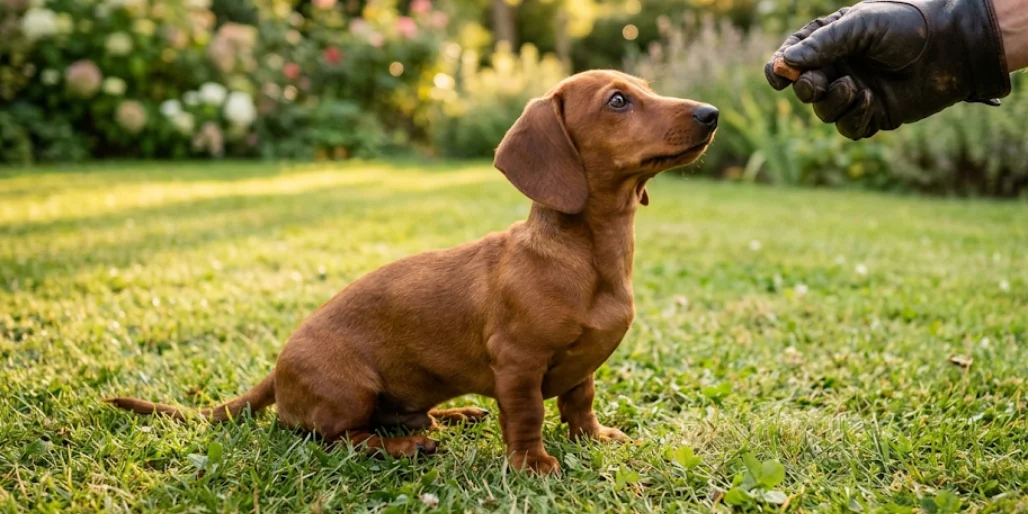
Thinking about bringing a delightful Dachshund puppy into your home? This guide from mypawandbreeds will walk you through everything you need to know about training these charming, yet sometimes stubborn, little dogs. You’ll find comprehensive advice, whether you’re a first-time Dachshund owner or looking for specific tips for your new pup, building on our extensive dog breeds guide.
Understanding the Dachshund Breed
Dachshunds are truly unique dogs with a rich history, originally bred in Germany to hunt badgers and other burrowing animals. riginally bred in Germany to hunt badgers and other burrowing animals, their distinctive long back and short legs were specifically developed for this purpose — a heritage the American Kennel Club (AKC) documents in detail, also noting the Dachshund as one of the most recognisable and popular breeds in the world.”This hunting heritage still influences the Dachshund breed today, manifesting in their strong prey drive and often tenacious personalities. Understanding this background is crucial for any Dachshund owner looking to effectively train a Dachshund, as it helps explain many of their natural instincts and behaviors. Recognizing these innate characteristics is the first step in successful dachshund training.
Characteristics of Dachshund Puppies
Dachshund puppies, despite their small size, possess a huge personality! They are known for being playful, curious, and incredibly intelligent, but also for having a stubborn streak that can make puppy training a real challenge. Their intelligence means they can pick up commands quickly, but their independent nature often leads to selective hearing when something more interesting catches their attention. Early socialization is key for Dachshund puppies, as they can sometimes be reactive or prone to barking at new sights and sounds if not properly introduced to the world. A well-behaved Dachshund starts with consistent and positive training during this critical phase.
Why Choose a Miniature Dachshund?
Choosing a miniature dachshund puppy brings all the charm of the standard Dachshund into a more compact package, perfect for smaller living spaces or those who prefer a small dog. Miniature Dachshunds still retain the breed’s signature bravery and lively spirit, making them fantastic companions. Despite their diminutive size, they are not fragile and possess a robust constitution. However, their long back makes them susceptible to IVDD (Intervertebral Disc Disease), so maintaining a healthy weight and discouraging excessive jumping is important for their well-being. A miniature dachshund puppy requires the same dedicated training approaches as its larger relatives, ensuring a happy and healthy pup.
Common Behavior Problems in Dachshunds
Dachshunds, while endearing, can be prone to several behavior problems that require consistent and patient dachshund training. Potty training can be notoriously difficult with this breed, often requiring diligent house training and frequent trips outside. Many Dachshunds are vocal and prone to barking, especially if left alone or if they sense perceived threats, which can lead to separation anxiety. Another common issue is their tendency to chew and teethe excessively, so providing appropriate chew toys is essential to redirect this behavior. Addressing these challenges with positive reinforcement and structured training sessions will help you teach your dachshund to be a well-behaved companion.
Essential Puppy Training Techniques
When you first bring home your miniature dachshund puppy, it’s an exciting time, but also the perfect moment to start establishing good habits through essential puppy training techniques. Effective training is crucial for every dachshund owner, especially with a breed known for its strong personality. From basic obedience to more specific needs like house training, a consistent and positive approach will lay the groundwork for a well-behaved adult dog. Remember, mypawandbreeds emphasizes that early training sessions are key to preventing many common behavior problems. Don’t underestimate the power of early socialization and consistent dog training to help your pup thrive.
Crate Training Your Dachshund
Crate training is an invaluable tool for any dachshund owner, providing a safe haven for your pup while also aiding in house training and preventing destructive chewing. To effectively train your dachshund with a crate, introduce it as a comfortable, den-like space, not a punishment. Start with short periods, using treats and praise to create positive associations. Never force your dachshund into the crate, and ensure it’s just large enough for them to stand up, turn around, and lie down comfortably. This method is one of the best training approaches to help your puppy feel secure and manage their initial independence, preventing issues like separation anxiety.
House Training Basics for Dachshund Puppies
House training can be one of the most challenging aspects of raising a dachshund puppy, but with patience and consistency, you can teach your dachshund good habits. Dachshunds are small dogs, and their small bladders mean frequent trips outside are a must. Establish a regular schedule for potty breaks, taking your pup out first thing in the morning, after meals, before bed, and several times in between. Reward successful potty breaks immediately with praise and a small treat to reinforce the desired behavior. Accidents will happen, but avoid punishment; instead, clean them thoroughly and continue with your consistent house training routine.
Training Tips for New Dachshund Owners
For new dachshund owners, embarking on the journey of dachshund training can seem daunting, but a few key training tips can make all the difference. Always use positive reinforcement—dachshunds respond much better to rewards and praise than to harsh corrections. Keep training sessions short, fun, and engaging to hold your puppy’s attention; their “selective hearing” is real if they get bored. Early socialization is vital; expose your miniature dachshund puppy to a variety of sights, sounds, people, and other well-behaved dogs to prevent them from becoming reactive or fearful. Remember that consistent effort and a loving approach will help you train your dachshund into a wonderful, well-adjusted companion.
Addressing Specific Challenges
Nipping and Biting in Dachshund Puppies
Nipping and biting are common behavior problems in young dachshund puppies, but it’s crucial for every dachshund owner to address these issues early to teach your dachshund appropriate interactions. This often stems from puppy teething or overexcitement during play. To train your dachshund to stop nipping, redirect their attention immediately to an appropriate chew toy when they start to bite. Positive reinforcement is key here; praise them when they chew on the toy instead of your hand. Consistency across all training sessions will help your pup understand what is acceptable, fostering a well-behaved companion. My Paw and Breeds has plenty of resources, including our dog breeds guide, on how to handle puppy nipping effectively.
Puppy Teething Solutions
Puppy teething is a natural, albeit sometimes uncomfortable, phase for your miniature dachshund puppy, and providing the right solutions can prevent destructive chewing and alleviate discomfort. During this time, dachshund puppies have a strong urge to chew, and if not given appropriate outlets, they might target furniture or even your hands. Offer a variety of safe and durable chew toys specifically designed for teething puppies, some of which can be frozen to provide extra relief to their sore gums. Introducing a durable chew toy during this phase is one of the best training approaches to manage the discomfort and teach your dachshund what they are allowed to teethe on, redirecting their natural instincts.
Managing Small Dog Behavior Issues
Managing behavior problems in a small dog like a dachshund requires understanding their unique characteristics and applying consistent training approaches. Dachshunds are small dogs with big personalities, and without proper training, issues like excessive barking, leash reactivity, or even separation anxiety can emerge. Early socialization is paramount; expose your miniature dachshund puppy to various sights, sounds, and people to prevent them from becoming fearful or reactive. Consistent house training, positive reinforcement during training sessions, and patience are vital. If your pup tends to whine or bark excessively when left alone, gradually increase the time they are confined in their crate, ensuring they have plenty of enrichment to prevent boredom.
Conclusion: Becoming a Responsible Dachshund Owner
Becoming a responsible dachshund owner is a journey filled with love, patience, and consistent effort. As we’ve explored, training a dachshund puppy, especially a miniature dachshund puppy, requires understanding their unique breed characteristics, from their tenacious hunting heritage where dachshunds were bred to hunt badgers, to their charming yet stubborn personalities. Effective puppy training and dog training techniques are crucial for nurturing a well-behaved companion. Remember, mypawandbreeds is here to support you every step of the way, providing comprehensive resources and tips in our dog breeds guide to ensure you and your pup thrive together.
The Importance of Ongoing Training
Even after your miniature dachshund puppy has mastered the basics of house training and understands essential commands, ongoing training remains incredibly important. Dachshunds are intelligent dogs, and continued mental stimulation through regular training sessions helps to prevent boredom and the development of unwanted behavior problems like excessive barking or whining. Regularly practicing commands, introducing new tricks, and engaging in brain games keeps your pup sharp and strengthens the bond between you and your dachshund. This continuous reinforcement is essential for maintaining a well-behaved dachshund, especially given their “selective hearing” when faced with distractions. Consistent engagement will help to solidify the training and prevent your dachshund from reverting to old habits.
Resources for Dachshund Training
Finding the right resources can make all the difference in your dachshund training journey. My Pawandbreeds offers a wealth of information and articles, including our comprehensive dog breeds guide, specifically tailored to the unique needs of the dachshund breed. Look for online courses, local puppy classes, or even one-on-one sessions with a professional dog trainer who has experience with small dog breeds. These resources can provide valuable training tips and help address specific challenges like leash reactivity or separation anxiety. Utilizing these tools will equip you with the best training approaches to successfully train your dachshund, ensuring they grow into a happy and well-adjusted member of your family.
Final Thoughts on Puppy Training with My Pawandbreeds
Embarking on puppy training with your miniature dachshund puppy is a rewarding experience that lays the groundwork for a lifetime of companionship. From early socialization to mastering crate training and house training, every step contributes to raising a well-behaved dog. Remember to use positive reinforcement, be patient, and keep training sessions fun and engaging to combat their selective hearing. My Pawandbreeds is dedicated to providing dachshund owners with the most effective training tips and resources, helping you teach your dachshund to be a joyful and obedient member of your family. Celebrate every small victory, and enjoy the journey of watching your pup grow and learn with the best training guidance available.
FAQ’s
Q: How do I train a dachshund puppy so they learn to come when called?
A: Start small and fun: use high-value rewards and tiny treats, call their name in a happy voice, and reward immediately when they come. Dachshunds often get easily distracted, so keep sessions short and sweet during this training phase. Practice inside with no extra distractions then slowly add distance. It requires patience but builds a solid foundation for reliable recall.
Q: What are the best dog training tips for housebreaking a miniature dachshund?
A: Set a designated potty spot, keep a consistent schedule, and take your pup out after naps, meals, and play. Praise and tiny treats work wonders. Dachshunds tend to be stubborn, so consistency and a calm routine help. Avoid training without supervision—crate training can help protect their spine and support bladder control while you build habits.
Q: How can I train a dachshund not to bite or nip during play?
A: Teach bite inhibition by yelping and stopping play when they nip too hard, then resume when they calm. Offer chew toys and high-value alternatives. Dachshunds thrive with positive reinforcement; redirect attention rather than punishing. This training phase helps them learn to play nicely and become well behaved.
Q: Is it OK to use extra weight or heavy collars during training for a dachshund?
A: No—avoid extra weight, choke chains, or heavy collars. Dachshunds have a long back and you should protect their spine. Use a lightweight harness that supports the chest instead. Gentle, reward-based dog training is the safest approach for these little legs.
Q: My dachshund puppy is easily distracted—how do I keep them focused during dog training?
A: Use high-value treats, short sessions (5–10 minutes), and practice in a calm area. Increase distractions gradually and reward bigger challenges. Play dates with well-behaved dogs can help social skills, but keep early sessions brief so your pup doesn’t lose focus. Consistency creates a solid foundation.
Q: When should I start socialization and play dates for a miniature dachshund?
A: Begin gentle socialization early, after initial vaccinations, so they get used to people, other dogs, and different environments. Short play dates are great for learning manners. Dachshunds often become bold if isolated, so early exposure helps them be well behaved and confident.
Q: How do I avoid back injuries while doing agility or tricks with my dachshund?
A: Avoid activities that stress their spine—no jumping from heights or heavy impact. Keep them lean (no extra weight), strengthen core muscles with low-impact exercises, and use ramps instead of stairs. Dachshunds tend to protect their spines naturally, but you need to watch for awkward movements and stop risky activities.
Q: What’s the right way to handle obedience training when a dachshund seems stubborn?
A: Be consistent, positive, and patient. Break commands into tiny steps and reward progress with tiny treats or play. Remember dachshunds thrive on routine and praise—yelling or force slows progress. This training without harshness helps them stay motivated.
Q: How long does each training phase take when you train a dachshund puppy?
A: It varies—basic skills like sit and come when called can take days to weeks; housebreaking and social confidence may take months. Dachshunds often need repetition and it requires patience. Keep sessions short, build a solid foundation, and adjust as they grow. Consistency now pays off with a well behaved adult dog.