Welcome to pawandbreeds, your ultimate resource for dog breeds and training insights! This guide is your go-to for everything about Labradoodle training, whether you have a new Labradoodle puppy or an older Labradoodle dog. We’ll cover everything you need to successfully train a Labradoodle, ensuring you raise a well-behaved companion. Our comprehensive dog breeds guide will help you understand this wonderful breed better.
Understanding Labradoodles
History and Origin of the Breed
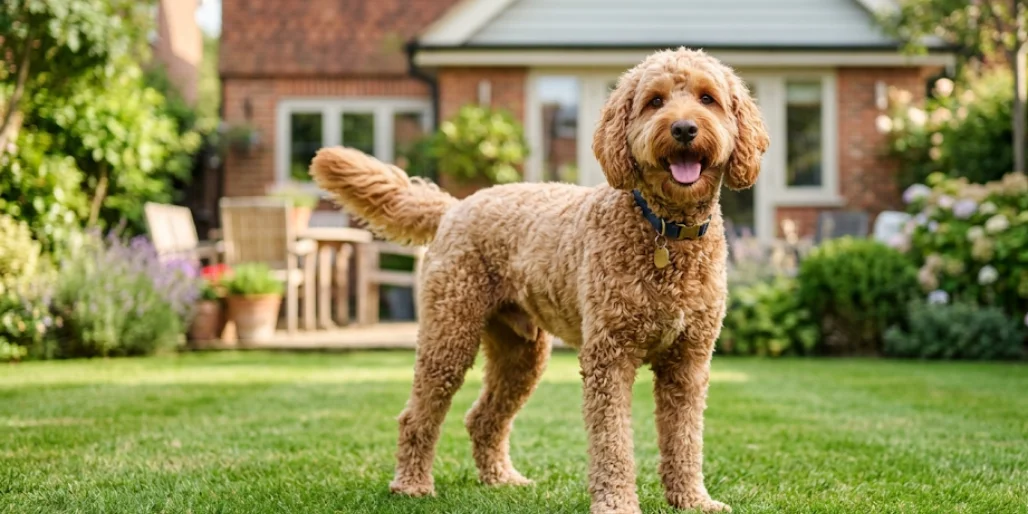
The Labradoodle is a truly fascinating breed, a deliberate cross between a Labrador Retriever and a Poodle. This intelligent hybrid was first bred in Australia with the intention of creating a guide dog suitable for people with allergies. The combination of the Labrador’s gentle nature and the Poodle’s low-shedding coat quickly made Labradoodles popular, leading to their widespread adoption by dog owners around the world. Coat color varies widely across the breed too — from the classic apricot and chocolate tones to the sought-after cream Australian Labradoodle, prized for its pale, low-shedding coat.
Temperament of Labradoodles
Labradoodles are generally known for their delightful temperament. They inherit the best traits from both parent breeds, often resulting in a friendly, intelligent, and eager-to-please dog. Their affable nature makes them wonderful family pets, thriving on interaction and companionship. These characteristics also contribute significantly to why Labradoodles are easy to train, making them a joy for any Labradoodle owner.
Why Labradoodles are Easy to Train
Many Labradoodle owners find that their Labradoodle puppy is remarkably easy to train, largely due to their high intelligence and eagerness to please. This breed’s inherent desire to learn and cooperate means they respond well to positive reinforcement and consistent training sessions. With the right training approach, a Labradoodle can quickly grasp commands and develop into a well-behaved dog, making the journey of Labradoodle training a rewarding experience.
Puppy Training Basics
Starting with Puppy Training
Embarking on puppy training with your Labradoodle puppy as early as possible sets the foundation for a well-behaved dog. Establishing a consistent training program from the start helps your Labradoodle understand expectations and boundaries. Early puppy training sessions, using positive reinforcement, are crucial for teaching basic obedience and building a strong bond between you and your new family member, ensuring a smooth transition into their new home.
Importance of Socialization
Socialization is paramount for a Labradoodle puppy. Exposing your Labradoodle to various sights, sounds, people, and other well-behaved dogs during their crucial developmental period helps them grow into a confident and calmer adult. Proper socialization prevents common Labradoodle training issues such as fear or aggression, making future dog training much more manageable and enjoyable for both you and your Labradoodle dog.
Potty Training Techniques
Potty training is often one of the first and most vital training steps for any Labradoodle puppy. Consistency is key; establish a regular schedule for potty breaks, especially after waking up, eating, and before bedtime. Crate training can be incredibly effective, as dogs naturally avoid soiling their sleeping area. Reward your Labradoodle for successful outdoor trips with praise and treats to reinforce the desired behavior.
Labradoodle Dog Training Methods
Positive Reinforcement Techniques
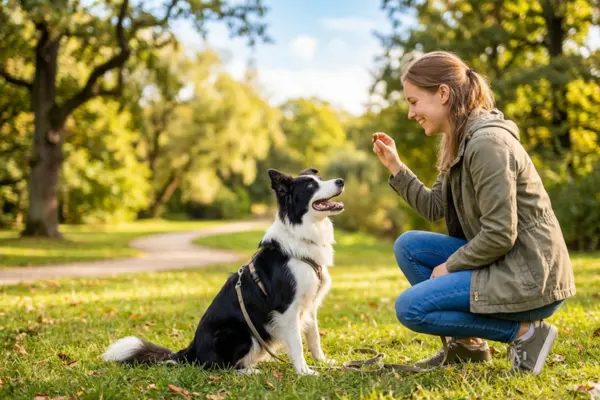
Positive reinforcement is the cornerstone of effective Labradoodle dog training, especially given their eager-to-please temperament. This method focuses on rewarding desired behaviors, which makes your Labradoodle puppy more likely to repeat them. Whether it’s with treats, praise, or a favorite toy, consistently reinforcing good actions during training sessions helps to build a strong, positive association with learning for your Labradoodle, making the entire process enjoyable for both of you.
Common Labradoodle Training Mistakes
When you train a Labradoodle, it’s easy to fall into some common training mistakes that can hinder progress. One frequent error is inconsistency in commands or expectations, which can confuse your Labradoodle puppy. Another mistake is using punishment instead of positive reinforcement, which can create fear and anxiety, making your dog less responsive. Always aim for clear, consistent communication and patience to ensure your Labradoodle thrives in their training program.
Crate Training Essentials
Crate training is an essential part of effective Labradoodle training, offering a safe and secure den for your Labradoodle puppy. Introducing the crate positively, making it a comfortable space with blankets and and toys, is key. Never use the crate as punishment; instead, encourage your Labradoodle to view it as their personal sanctuary. This method is incredibly helpful for potty training, managing separation anxiety, and ensuring a well-behaved dog in various situations.
Advanced Training for Labradoodles
Leash Training Tips
Effective leash training is crucial for ensuring your Labradoodle is a well-behaved dog during walks, making outings enjoyable for both of you. Start early with your Labradoodle puppy, using a comfortable harness and introducing short, positive training sessions in a distraction-free environment. Teach them to walk politely by your side without pulling, rewarding loose-leash walking with treats and praise. This consistent approach helps your Labradoodle understand expectations, preventing common struggles with the leash.
Group Classes for Socialization
Enrolling your Labradoodle in group classes offers invaluable opportunities for continued socialization and advanced obedience training. These structured environments allow your Labradoodle puppy to interact safely with other dogs and people, further enhancing their socialization skills. Under the guidance of professional trainers, group classes also provide the stimulation needed to keep their brain engaged, refine their commands, and ensure they develop into a well-adjusted and well-behaved dog, ready for any situation.
Keeping Their Brain Engaged
Labradoodles are intelligent dogs, and keeping their brain engaged with mental stimulation is just as important as physical exercise to prevent boredom and destructive behaviors. Incorporate puzzle toys, interactive games, and new tricks into their daily routine to challenge their minds. Regularly varying their training sessions and introducing new commands can also provide the mental workout Labradoodles need to remain happy, well-balanced, and calm, contributing to a well-behaved dog overall.
Training Challenges and Solutions
Addressing Behavioral Issues
Even with their eager-to-please temperament, Labradoodles can sometimes develop behavioral issues, which is a common challenge for many dog owners. If your Labradoodle puppy starts to bark excessively, chew inappropriately, or show signs of separation anxiety, it’s crucial to address these behaviors with a consistent training approach. Often, these issues stem from a lack of mental stimulation, insufficient physical exercise, or inconsistent boundaries during puppy training. A well-structured training program using positive reinforcement can help redirect these unwanted habits and encourage a well-behaved dog.
Tips for Stubborn Labradoodles
While Labradoodles are generally easy to train, some may exhibit a stubborn streak, requiring a bit more patience and creativity during dog training sessions. For these Labradoodles, it’s vital to make training fun and engaging, using high-value treats and exciting rewards to capture their attention. Short, frequent training sessions can be more effective than long ones, as they prevent your Labradoodle puppy from getting bored. Persistence and consistency, combined with a clear understanding of their motivations, will help you train a Labradoodle, even a more strong-willed one, to be a truly well-behaved companion.
Maintaining Consistency in Training
Consistency is the cornerstone of successful Labradoodle training and is paramount for raising a well-behaved dog. Every member of the household should use the same commands and follow the same rules, ensuring your Labradoodle puppy understands what is expected of them. Inconsistent training can confuse your Labradoodle and lead to common training setbacks. Regular, positive reinforcement during all interactions, not just formal training sessions, reinforces good behavior and helps maintain the progress made in their training program, leading to a calmer and more responsive Labradoodle.
Conclusion
Recap of Labradoodle Training Tips
To recap, successful Labradoodle training hinges on several key principles. Starting puppy training early, focusing on positive reinforcement, and ensuring consistent socialization are crucial for your Labradoodle puppy. Addressing common Labradoodle training issues with patience and a clear training approach will help you train a Labradoodle to be a well-behaved dog. Remember that keeping their intelligent brains engaged with mental stimulation, such as puzzle toys, and providing ample physical exercise are essential for a happy, well-adjusted Labradoodle.
Final Thoughts on Training Your Labradoodle
Training your Labradoodle is a rewarding journey that strengthens the bond between you and your furry companion. With their high intelligence and eagerness to please, Labradoodles are generally easy to train, but consistency, patience, and positive reinforcement are always key. Embrace the process, celebrate small victories, and remember that every Labradoodle puppy is unique. By investing time and effort into their dog training, you’ll ensure your Labradoodle grows into a loving, well-behaved dog that brings joy to your family for years to come.
Exploring More in the Dog Breeds Guide
We hope this Labradoodle training guide has provided valuable insights into raising a well-behaved dog. At pawandbreeds, we are dedicated to helping dog owners like you understand and train their beloved companions. For more comprehensive information on various breeds, advanced dog training techniques, and an extensive dog breeds guide, be sure to explore the rest of our website. There’s always more to learn about making your Labradoodle, or any dog, the best they can be!
FAQ’s
Q: Do labradoodles need special training compared to other breeds?
A: A: Short answer: not dramatically, but yes in some ways. Labradoodles are a cross between Labrador Retrievers and Poodles, so they bring traits from both breeds — energy, smarts, and a love of people. That means training approaches that work for labs and poodles (clear rewards, consistency, and mental stimulation) work well. Socialise early, use proven training techniques, and remember time training is as important as technique. If you’re unsure, a professional dog trainer or training classes can speed up training success.
Q: How does understanding labradoodle puppy behavior help with training?
A: A: Understanding labradoodle puppy stages helps you set expectations. Puppies are curious, easily bored, and eager to please, so short sessions with high-value rewards win every time. Because labradoodles are usually affectionate and sociable, they respond well to positive reinforcement. If you know they’ll inherit energy from labrador retrievers and intelligence from poodles, you can plan walks, games, and obedience practice to avoid problem behaviours.
Q: What is the right training approach for a stubborn doodle?
A: A: Right training for a doodle mixes consistency, rewards, and mental challenge. Use positive reinforcement, keep training sessions short but frequent, and add puzzle toys and scent games to tire their brain. If you hit a plateau, consider professional training or group classes — dog training clients often see big improvements once routines are solidified.
Q: Is every labradoodle good with people and other dogs by nature?
A: A: Not automatically. Every labradoodle has a unique temperament — some are social butterflies, others more reserved. Early socialisation is the best way to help them get comfortable with people and other dogs. Training classes and controlled playdates teach manners, and if your doodle shows fear or aggression, a professional dog trainer can help safely build confidence.
Q: How do I train a labradoodle puppy to be housebroken quickly?
A: A: The way to train a labradoodle puppy for house training is routine, praise, and patience. Take them out often, reward successful toilet trips immediately, and limit unsupervised access until they’re reliable. Crate training helps with bladder control and gives the pup a safe spot. If you stay consistent over time training, most labradoodles can be housebroken within a few months.
Q: When should I consider professional training or a professional dog trainer?
A: A: Consider professional training if you’re struggling with leash pulling, reactivity, or inconsistent obedience, or if you just want faster progress. A professional dog trainer can tailor methods to your dog’s needs — especially useful since labradoodles are often energetic and smart. Group training classes are also great for socialise practice and building good manners around other dogs and people.
Q: What common behavioural traits should I expect from my adult dog doodle?
A: A: Labradoodles can make wonderful family dogs — they’re affectionate, playful, and eager to please. As an adult dog they’ll likely enjoy activity, mental challenges, and human company. Because labradoodles are known for being friendly, you’ll still want to reinforce boundaries and manners so excitement doesn’t become jumping or excessive barking.
Q: Can training mistakes ruin my chances of training success with a labradoodle?
A: A: Mistakes are normal; they don’t ruin things if you correct course early. Common errors include inconsistent rules, long boring sessions, and skipping socialisation. Labradoodles often respond best to positive, proven training methods rather than harsh corrections. If you’ve made mistakes, reset expectations, keep sessions short, and consider seeking help from a professional training instructor to get back on track.