Are you curious about the captivating American Eskimo Dog? Wondering if this intelligent and striking breed is the right fit for your home? This comprehensive guide will answer all your questions, delving into the traits, care requirements, and essential dog breed information to help you understand what makes these “Eskies” such wonderful companions.
Overview of the American Eskimo Dog
The American Eskimo Dog, often affectionately called an Eskie, is a beautiful and highly intelligent spitz breed known for its stunning white coat and lively personality. These dogs make excellent family pets, offering both companionship and a touch of elegance to any household.
History and Origin
Despite their name, the American Eskimo Dog breed actually originated in Germany, descending from the German Spitz. These charming dogs made their way to America in the early 20th century, where they quickly gained popularity as circus performers due to their trainability and striking appearance. The American Eskimo Dog Club was instrumental in establishing the breed’s standards.
Physical Characteristics
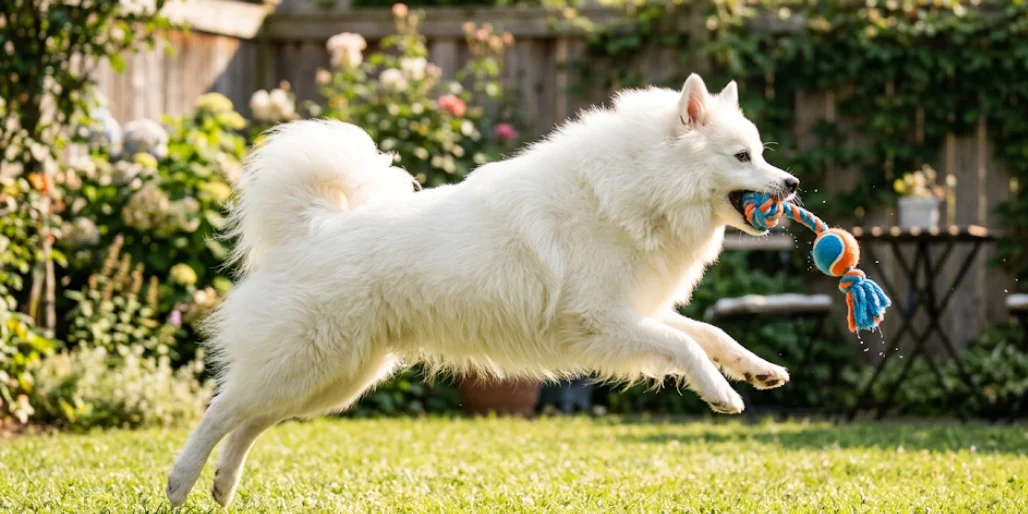
The American Eskimo Dog is recognized for its thick, white double coat, consisting of a dense undercoat and a longer outer coat, which provides protection from the elements. This beautiful white coat is one of their most distinguishing features. They come in three sizes: toy, miniature, and standard, all adhering to the breed standard.
Temperament and Behavior
Eskies are renowned for their highly intelligent and alert temperament, making them easily trainable and eager to please. They are excellent family dogs, forming strong bonds with their human companions. However, they do require consistent mental stimulation and early socialization to thrive and prevent excessive barking.
American Eskimo Dog Health
Understanding American Eskimo Dog health concerns is crucial for any owner. While generally robust, like all dog breeds, Eskies can be prone to certain genetic conditions. Providing proper care can help ensure a long and happy life for your furry friend.
Common Health Concerns
While the American Eskimo Dog is a resilient breed, they can be predisposed to conditions such as hip dysplasia and progressive retinal atrophy. Responsible breeders, recognized by the American Kennel Club (AKC), diligently screen their breeding stock to minimize the risk of these common health concerns in the puppies they produce.
Regular Health Check-ups
Regular health check-ups with your veterinarian are paramount for maintaining your Eskie’s well-being. These routine visits allow for early detection of any potential issues, ensuring that your American Eskimo Dog receives timely treatment and preventative care, contributing to their overall vitality and longevity.
Preventive Care
Preventive care for your American Eskimo Dog includes a balanced diet, regular exercise, and consistent grooming to maintain their beautiful double coat. Providing adequate mental stimulation through training and dog sports will also contribute to an Eskie’s overall health and happiness, preventing behavioral issues rooted in boredom.
Caring for Your American Eskimo Dog
Grooming Needs
To keep your American Eskimo Dog looking their best and maintaining a healthy skin and coat, regular grooming is absolutely essential. Their beautiful white double coat, characteristic of the breed, requires consistent attention to prevent matting and minimize shedding, ensuring your Eskie remains comfortable and looking pristine.
Diet and Nutrition
Providing a balanced and high-quality diet is crucial for the overall health and vitality of your American Eskimo Dog. Just like other dog breeds, Eskies thrive on nutrition tailored to their activity level and life stage. Consult your veterinarian to determine the best food and portion sizes to support your American Eskimo Dog’s health.
Exercise Requirements
American Eskimo Dogs are energetic and intelligent, requiring a good amount of daily exercise to stay happy and healthy. Regular physical activity, such as walks, playtime, and even participating in dog sports, will help burn off their energy and prevent boredom, which can sometimes lead to excessive barking.
Training Tips for American Eskimo Dogs
Basic Obedience Training
Starting basic obedience training early is incredibly beneficial for your American Eskimo Dog. This highly intelligent breed responds well to positive reinforcement and consistent training, making them eager learners. Establishing a solid foundation in obedience will make your Eskie a well-behaved and joyful companion.
Socialization Techniques
Early and consistent socialization is key to raising a well-adjusted American Eskimo Dog. Exposing your Eskie puppy to various people, places, sounds, and other friendly dog breeds will help them develop a confident and friendly temperament. This is crucial for preventing potential shyness or aggression in adult American Eskimos.
Addressing Behavioral Issues
Due to their highly intelligent nature, American Eskimo Dogs can sometimes develop behavioral issues if they lack sufficient mental stimulation or exercise. Addressing problems like excessive barking or destructive chewing often involves increasing their activity, engaging them in dog sports, or seeking guidance from a professional trainer. For more comprehensive information on this and other dog breeds, be sure to check out the Pawandbreeds Dog A-Z Breeds Guide.
Welcoming American Eskimo Puppies
Choosing a Reputable Breeder
When you are ready to welcome an American Eskimo Dog puppy into your home, choosing a reputable breeder is an absolutely crucial first step. A good breeder, often recognized by the American Kennel Club (AKC) or an Eskimo Dog Club of America, will prioritize the health and temperament of their American Eskimo Dog breed lines, ensuring you get a healthy and well-socialized pup. They will be transparent about the puppy’s lineage and health screenings.
Initial Care for Puppies
Bringing home an American Eskimo puppy requires careful initial care to ensure a smooth transition. Your young Eskie will need a comfortable, safe space, a high-quality puppy food specifically formulated for growing dog breeds, and regular veterinary check-ups. Gentle handling and consistent routines will help your new American Eskimo Dog feel secure and begin to bond with your family.
Understanding Puppy Behavior
Understanding puppy behavior is essential for effectively raising your American Eskimo Dog. Eskie puppies, like all young dog breeds, are curious and full of energy. They will explore, chew, and test boundaries. Early socialization and consistent, positive reinforcement training will help channel their highly intelligent nature and playful temperament into desirable behaviors, preventing issues like excessive barking.
Conclusion
Summary of Key Points
In summary, the American Eskimo Dog is a highly intelligent breed known for its stunning white double coat, lively temperament, and affectionate nature. They make wonderful family dogs, thriving on mental stimulation, regular exercise, and consistent grooming to maintain their beautiful white coat. Understanding their history as a German Spitz and their specific needs ensures a happy, healthy Eskie companion.
Resources for Further Information
For those eager to delve deeper into the world of American Eskimo Dogs, a wealth of resources is available. The American Kennel Club (AKC) and the Eskimo Dog Club of America offer extensive breed standard information, health guidelines, and reputable breeder directories. These organizations are invaluable for understanding the nuances of this delightful spitz breed and connecting with other Eskie enthusiasts.
Paw and Breeds Mention
For even more comprehensive information on the American Eskimo Dog breed and a wide array of other dog breeds, be sure to explore the Pawandbreeds Dog A-Z Breeds Guide. This resource provides in-depth details on various dog breeds, offering valuable insights into traits, care, and everything you need to know about your potential canine companion, including specifics on American Eskimo Dog health and temperament.
FAQ’s
Q: What is an eskie and how does it relate to other dog breeds?
A: The term “eskie” is a cute nickname for the American Eskimo Dog, a member of the spitz family often called the american spitz. They’re part of the broader dog breeds group known for prick ears, curled tails, and a fluffy white coat. Historically linked to german immigrants and circus lines like the bailey circus, eskies are alert, agile, and known as the american spitz in many breed circles.
Q: What sizes does the American Eskimo Dog come in — are there standard size, toy and miniature options?
A: Yep — American eskimos come in three common sizes: toy, miniature, and standard size. Toy and miniature eskies suit apartment life but still need exercise, while standard size has more energy and needs room to run. All sizes share similar personality traits and that beautiful coat and alert expression.
Q: Are American eskimos easy to train and do they need special training sessions?
A: Generally yes — eskies are intelligent and easy to train, responding well to positive, consistent care and short training sessions. They thrive when you socialise them early and regularly. Because they’re eager to please and agile, they do great in obedience, tricks, and dog sports as long as you keep training fun and varied.
Q: How much grooming does the fluffy white coat require and what about coat type and coat length?
A: Expect regular brushing — their coat type is double-layered, ranging from medium to long coat length, and it’s fluffy white. Weekly brushing prevents mats, more during shedding season. Baths only as needed to keep that beautiful coat looking its best. Good dental care and routine grooming help keep them healthy overall.
Q: What health conditions should I watch for in American Eskimos like patellar luxation and hip joint issues?
A: They’re a generally healthy breed but can be prone to developing certain health conditions such as patellar luxation and hip joint problems. Dental disease can also show up if you skip oral care. Regular vet checks, weight control, and appropriate exercise lower risks and help catch issues early.
Q: Can American Eskimo Dogs be left alone, or will they suffer if left alone for long periods?
A: Eskies don’t do well when left alone for long periods. They bond strongly with their people and can get anxious or destructive if left alone too much. They need mental and physical stimulation; otherwise they’ll bark, chew, or act out. If your schedule keeps you out often, consider doggy daycare, a dog walker, or a companion dog.
Q: Are American Eskimo Dogs good family pets and how do they get along with kids and other pets?
A: They make wonderful pets for families who can give them attention and exercise. Eskies are playful and affectionate, often doing well with kids when socialised early. They may chase smaller animals if not trained, so early socialisation and consistent care help them coexist with cats and other dogs.
Q: What’s the origin story of the breed and how did it become recognized the breed in the US?
A: The breed’s roots trace to european spitz dogs brought by german immigrants and entertainers like those in the bailey circus. Over time the american eskimos dogs were refined and recognized the breed by kennel clubs in the U.S. They were popular as companion and performance dogs, helping cement their place among popular dog breeds.
Q: Any tips for keeping an eskie mentally and physically stimulated so they don’t get bored?
A: Mix it up — short training sessions, puzzle toys, daily walks, agility or fetch, and social play all help. Because they’re agile and alert, they love activities that engage their brain and body. Regular exercise reduces undesirable behaviors and keeps them happy, healthy, and easy to live with.