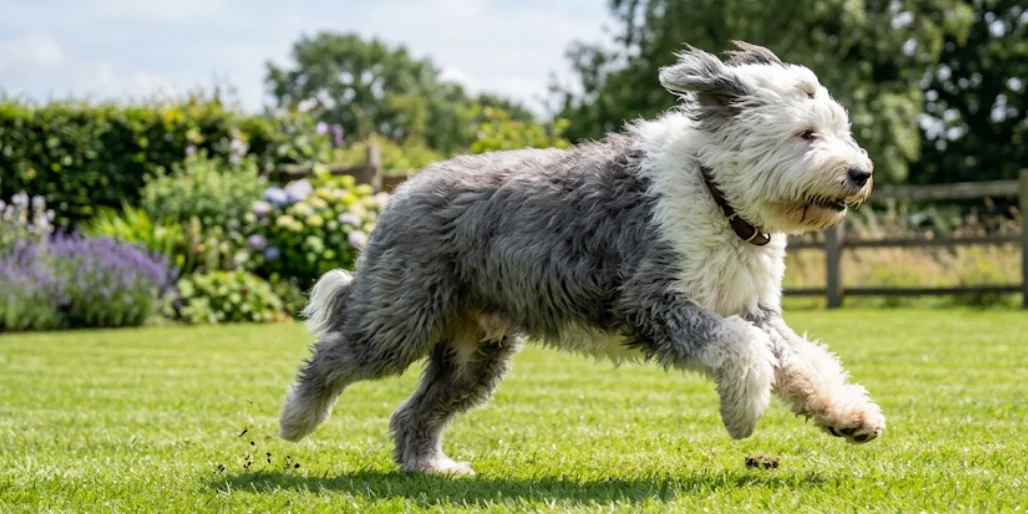
Old English Sheepdogs, or OES, are a large, shaggy herding breed weighing 60-100 pounds, historically used as drover’s dogs to move cattle and sheep across the English countryside. Known for their bear-like gait and profuse double coat, they’re good-natured, playful, and often described as the clowns of the herding world.
General Appearance of the Old English Sheepdog
The Old English Sheepdog, often affectionately called an OES, is a truly iconic dog breed, known for its distinctive shaggy coat and robust build. This large breed commands attention with its profuse double coat, giving it a bear-like appearance that is both endearing and majestic. It’s a breed that truly stands out in a crowd.
Physical Characteristics
The Old English Sheepdog is a robust and square-proportioned dog, showcasing a strong, muscular body that was historically ideal for a drover’s dog to move cattle and sheep. Its deep chest and broad hindquarters contribute to its powerful gait, reflecting its working heritage. This dog breed is built for endurance and strength, not just for show.
Size and Weight
As a large breed, the Old English Sheepdog typically weighs between 60 to 100 pounds, with males often being on the heavier side. Their height at the shoulder usually ranges from 21 to 22 inches or more, making them a substantial and imposing presence. This breed standard ensures a sturdy and capable working dog.
Coat and Color
The most striking feature of the Old English Sheepdog is its shaggy, waterproof double coat. The outer coat is profuse and coarse, while the undercoat is soft and insulating. The accepted colors are any shade of grizzle or blue, often with white markings. Pups are rarely born merle.
Temperament of the Old English Sheepdog
The temperament of the Old English Sheepdog is generally described as good-natured, adaptable, and intelligent. These herding dog breeds are known for their playful yet protective instincts, making them wonderful family companions. An OES puppy quickly endears itself to its human family with its charming personality.
Personality Traits
Old English Sheepdogs are renowned for their gentle and amiable personality traits. They are often described as clowns, possessing a mischievous streak that brings joy to their owners. Despite their playful nature, they are also very devoted and protective, embodying the best qualities of a loyal companion.
Interaction with Families
Old English Sheepdogs make exceptional family dogs and are known to be good with children, often forming strong bonds with them. Their herding instincts can sometimes manifest as gentle nudging, but they are typically very patient. This dog breed thrives on being an an integral part of family life and activities.
Energy Level and Activity Needs
Despite their large size, Old English Sheepdogs have a moderate energy level. They enjoy daily walks and playtime, but also appreciate a good nap. Regular exercise is crucial to prevent boredom and maintain their physical condition. Early training for an OES puppy is beneficial for managing their activity.
Care Requirements for the Old English Sheepdog
Grooming Needs
The Old English Sheepdog’s distinctive shaggy coat requires significant attention to prevent mats and tangles. Daily brushing is absolutely essential to maintain their profuse double coat and keep it free of debris. Without consistent grooming, an Old English Sheepdog’s coat can quickly become unmanageable, leading to discomfort and potential skin issues. Owners of this dog breed should be prepared for a dedicated grooming routine.
Diet and Nutrition
Proper diet and nutrition are crucial for maintaining the health of your Old English Sheepdog. As a large breed, they require high-quality dog food formulated for their size and activity level to support their robust build and energy needs. It’s important to monitor their weight to prevent obesity, which can exacerbate conditions like hip dysplasia that some larger dog breeds are prone to. Always consult with your vet regarding the best diet plan for your Old English Sheepdog puppy or adult.
Exercise Requirements
Despite their shaggy appearance, Old English Sheepdogs have moderate exercise requirements. They thrive on daily walks and playtime in a secure yard, which helps burn off energy and maintains their physical and mental well-being. Their historical role as a herding dog means they enjoy activities that engage their instincts. Regular exercise is key to preventing boredom and destructive behaviors in this intelligent dog breed.
Training the Old English Sheepdog
Basic Obedience Training
Basic obedience training is vital for an Old English Sheepdog, especially given their size and strong personality. Early and consistent training will help an OES puppy develop into a well-behaved adult dog. Positive reinforcement methods work best with this intelligent breed, establishing clear communication and strengthening the bond between the Old English Sheepdog and its owner. Enrolling in puppy classes is an excellent start for any Old English Sheepdog owner.
Socialization Tips
Early socialization is paramount for the Old English Sheepdog to ensure they grow into confident and well-adjusted adult dogs. Exposing an Old English Sheepdog puppy to various sights, sounds, people, and other animals from a young age helps them develop a friendly and adaptable temperament. Proper socialization helps prevent shyness or aggression and encourages the Old English Sheepdog to be a polite and comfortable family companion.
Herding Skills and Activities
Given their heritage as a working herding dog, Old English Sheepdogs often excel at activities that engage their natural herding instincts. Participating in herding trials or even just engaging in games that mimic herding can be incredibly enriching for this breed. These activities provide mental stimulation and physical exercise, fulfilling their innate drive. It’s a wonderful way to bond with your Old English Sheepdog and celebrate their unique breed traits.
Puppy Care for Old English Sheepdogs
Choosing a Responsible Breeder
When looking for an Old English Sheepdog puppy, selecting a responsible breeder is paramount. A reputable breeder will prioritize the health and temperament of their puppies, conducting necessary health screenings for conditions common in the breed, such as hip dysplasia. They will also be transparent about the Old English Sheepdog’s lineage and provide a clean, safe environment for the pups, ensuring a strong foundation for your future family companion.
Early Socialization Practices
Early socialization is crucial for an Old English Sheepdog puppy to develop into a well-adjusted and confident adult. Expose your OES pup to a variety of sounds, sights, people, and other friendly dogs from a young age to foster a calm temperament. Positive interactions during this critical period will help your Old English Sheepdog navigate different situations with ease, making them an even better family dog.
Health Considerations for Puppies
Old English Sheepdog puppies, like all young dogs, have specific health considerations. Regular veterinary check-ups, appropriate vaccinations, and parasite control are essential for their early development. A responsible breeder will have already started some of these protocols, but it’s vital for new owners to continue this preventative care to ensure their Old English Sheepdog puppy grows up healthy and strong, avoiding common puppy ailments.
Common Health Issues in Old English Sheepdogs
Genetic Conditions
The Old English Sheepdog breed can be predisposed to certain genetic conditions, with hip dysplasia being a notable concern in this large breed. Other issues include progressive retinal atrophy and hypothyroidism. Responsible breeders screen their breeding stock to minimize the occurrence of these hereditary problems, aiming to produce robust Old English Sheepdog puppies that adhere to the breed standard and live long, healthy lives.
Preventative Care
Preventative care is key to managing common health issues in Old English Sheepdogs. This includes a balanced diet, regular exercise, and consistent grooming to prevent mats in their profuse double coat, which can lead to skin problems. Regular dental care and appropriate vaccinations, as advised by your vet, also contribute significantly to the overall well-being and longevity of your Old English Sheepdog.
Regular Vet Check-Ups
Regular vet check-ups are indispensable for monitoring the health of your Old English Sheepdog throughout its life. These visits allow for early detection of potential health concerns, such as hip dysplasia or thyroid issues, which can be managed more effectively if caught early. Your veterinarian can also provide guidance on nutrition, exercise, and preventative treatments tailored to your OES’s specific needs, ensuring a high quality of life.
Conclusion
Final Thoughts on Owning an Old English Sheepdog
Owning an Old English Sheepdog is a rewarding experience, as these shaggy, good-natured dogs make wonderful family companions. Their distinctive look and amiable temperament, combined with their intelligence, mean they thrive in active households where they are considered part of the family. While they require dedication to grooming their profuse double coat and consistent training, the joy and loyalty an OES brings are immeasurable for Old English Sheepdog owners.
Link to Additional Resources
For more detailed information on various dog breeds, including characteristics and care tips beyond the Old English Sheepdog, we invite you to explore the comprehensive Dog A-Z Breeds Guide. This resource, along with expert advice from Pawandbreeds, can further assist prospective and current Old English Sheepdog owners in providing the best possible care for their beloved pets.
FAQ
Q: What exactly is the Old English Sheepdog breed known for?
A: This dog breed is famous for its shaggy waterproof pile coat, bear-like gait, and that adorable beard that makes it look like it’s always smiling. Originally bred as a herding dog in England, the old english sheepdog breed was built to handle rough weather and long days working with livestock. Nowadays it’s mostly a beloved family dog, but that herding instinct is still very much alive under all that fluff.
Q: How is the Old English Sheepdog different from a Bearded Collie?
A: People mix these two up constantly since both have that shaggy look and beard, but they’re actually quite different. A bearded collie is smaller and lighter than an Old English Sheepdog dog, with a longer tail (no docking involved) and a different coat texture. The old english sheepdog dog breed also has a much heavier build and that distinctive rolling gait that no collie really has. Both are herding breeds, but their working styles and origins differ quite a bit.
Q: What do Kennel Club standards say about hindquarter structure?
A: According to breed standards, the hindquarter should be round and muscular with well-developed second thighs, and the hocks should be low set. Poor angulation back there is considered a fault since it directly affects the soundness of this breed and how well the dog moves. The American Kennel Club and other national clubs are pretty strict about this because bad rear structure can lead to health problems down the road.
Q: Do Old English Sheepdogs need a lot of grooming?
A: Oh yes, big time. Old english sheepdogs need daily brushing to prevent that gorgeous coat from matting into a tangled mess. The waterproof pile texture that makes them so distinctive also makes them prone to knots if you skip even a few days of care. Many owners underestimate this breed needs before bringing one home, then realize grooming is basically a part-time job. Regular trips to a professional groomer definitely help too.
Q: What’s the deal with tail docking and the natural outline?
A: Historically, many Old English Sheepdogs had their tails docked close to the body, which was actually part of the traditional look and even tied to old tax exemptions for working dogs. These days, docking is banned or restricted in many countries, so you’ll see more dogs with their natural outline intact. Either way, the breed standard focuses on overall balance and proportion to the size of the dog rather than tail length alone.
Q: Is this breed good with kids and other pets?
A: Absolutely, that’s actually one of the biggest draws of the breed. Known for having an even disposition, the Old English Sheepdog tends to get along well with children, other dogs, and even cats if raised together. Breed clubs like the Old English Sheepdog Club and the English Sheepdog Club of America often highlight this gentle, patient temperament as a hallmark trait. Just remember their herding instincts might kick in occasionally, so don’t be surprised if they try to “herd” your kids around the yard.
Q: What coat colors are acceptable, like blue merle?
A: The classic look is grey, grizzle, or blue with white markings, but you’ll sometimes hear people ask about blue merle patterns too. Officially, blue merle isn’t a recognized color for this breed under most kennel club standards, unlike some other herding breeds where merle is common. Dogs should be evenly placed in their markings and never solid brown or fawn, and definitely not “without white” since white markings are actually required by the standard.
Q: How much exercise does this dog breed actually need?
A: Despite looking like a giant plush toy, this is genuinely a herding dog underneath all that coat, so it needs real daily exercise. A couple of good walks plus some playtime or mental stimulation keeps them happy and prevents boredom-related mischief. Many owners find that puzzle toys and herding-style games satisfy their instincts nicely, especially since not every family has sheep in the backyard for them to actually herd.
Q: What should I look for regarding head carriage and general soundness?
A: Good head carriage should be proud but not stiff, with the neck fairly long and gently arched into the shoulders. Judges and breeders pay close attention to this along with overall structure because it reflects the true soundness of this breed. When looking at dog breed information from reputable sources, always prioritize the welfare of the dog over strict cosmetic standards, since health and movement matter way more than a picture-perfect silhouette.
Q: Is the Old English Sheepdog considered an old or modern breed?
A: It’s got some genuine history behind it, dating back a couple centuries as a working herding dog breed in England, though a lot of refinement happened later to create the modern breed we recognize today. Breed clubs have worked hard over the decades to preserve both the working ability and that iconic shaggy appearance, balancing tradition with modern health and breeding practices.