This guide delves into the fascinating world of the Otterhound, a unique and historic dog breed. We’ll explore everything from their origins and distinctive physical traits to their personality and care requirements, offering a comprehensive look at what makes this rare breed so special.
Introduction to the Otterhound Breed
The Otterhound is a truly distinctive and rare breed, celebrated for its unique appearance and boisterous personality. This charming scent hound, with its shaggy coat and webbed feet, was historically bred for a very specific purpose. Understanding the core characteristics of this Otterhound dog breed will give you a solid foundation as we delve deeper into their world.
History of the Otterhound
The history of the Otterhound is deeply rooted in the ancient sport of otter hunting. This rugged hound was specifically developed in medieval England to hunt otters, a task for which their unique features, like their large, webbed feet and water-resistant double coat, made them exceptionally well-suited. The breeding of this dog breed focused on creating a resilient and tenacious companion.
Physical Characteristics of the Otterhound
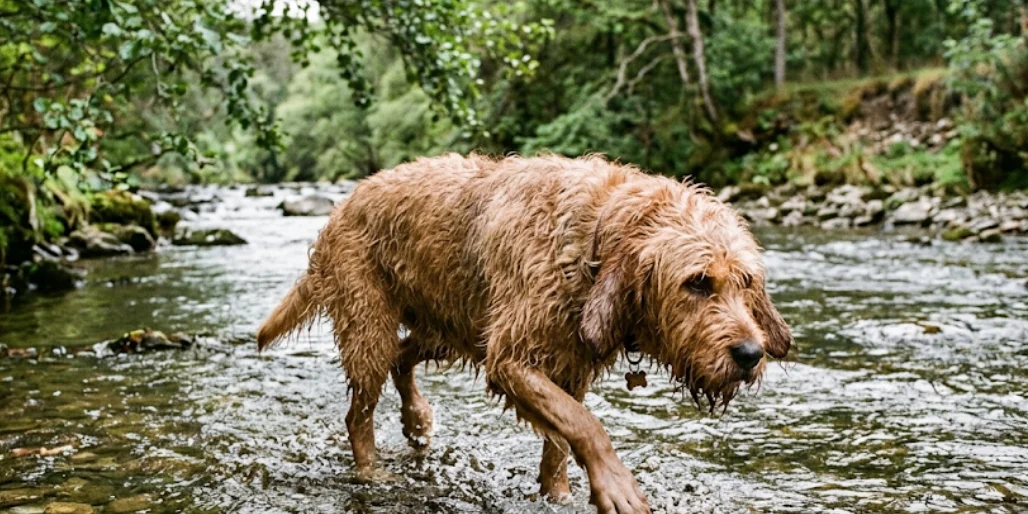
The Otterhound boasts several defining physical characteristics that are essential features of the breed. Their shaggy, rough-coated appearance, often described as disheveled, is complemented by an extremely sensitive nose, vital for their original purpose. Another prominent feature of the breed is their large, webbed feet, perfect for navigating waterways, and a coarse outer coat protecting them from the elements.
AKC Recognition and Standards
The American Kennel Club (AKC) officially recognizes the Otterhound, setting the breed standard that outlines the ideal physical and temperament traits for this dog. This recognition ensures that breeders adhere to specific guidelines, helping to preserve the unique qualities and health of the Otterhound breed. The AKC’s role is crucial for maintaining the integrity and welfare of the dog.
Understanding Otterhound Temperament
Otterhounds possess a fascinating temperament, known for being both boisterous and affectionate. This section will explore the various aspects of an Otterhound’s personality, from their innate playfulness to their need for proper socialization. Understanding these traits is key to fostering a happy and well-adjusted companion in your home.
Personality Traits of Otterhounds
The Otterhound’s temperament is a delightful mix of enthusiasm and amiability. They are often described as boisterous and playful, maintaining a puppy-like energy well into adulthood. Despite their large size, Otterhounds are known to be incredibly affectionate with their families, thriving on companionship and often displaying a clownish sense of humor that endears them to many.
Socialization Needs for Otterhounds
Given their friendly nature, Otterhounds generally enjoy the company of others, but proper socialization from a young age is crucial for this dog breed. Exposing an Otterhound puppy to a variety of sights, sounds, people, and other animals helps ensure they develop into well-adjusted adults. Early experiences contribute significantly to the overall welfare of the dog.
Training an Otterhound
Training an Otterhound requires patience and consistency, as these intelligent scent hounds can sometimes be strong-willed. Positive reinforcement methods work best, building on their desire to please. Otterhounds enjoy engaging in activities, so incorporating play into training sessions can be highly effective. Remember to walk your Otterhound regularly to keep them stimulated.
Otterhound Grooming Requirements
Regular Otterhound grooming is essential to maintain the health and appearance of their distinctive rough-coated, shaggy coat. While their shaggy outer coat provides protection, it can also trap dirt and debris, making consistent care crucial. Understanding the specific needs of this unique dog breed will ensure your Otterhound remains comfortable and looking their best.
Grooming Tools for Otterhounds
To effectively groom an Otterhound, you’ll need a few specialized tools. A slicker brush is great for removing loose hair and tangles from their double coat, while a de-shedding tool can help manage shedding. Additionally, a wide-toothed comb is useful for working through longer sections of hair, and nail clippers or a grinder are necessary for paw maintenance, especially given their large, webbed feet.
Step-by-Step Otterhound Grooming Guide
Grooming an Otterhound involves several steps to keep their shaggy coat in top condition. Start by thoroughly brushing their rough-coated fur to remove any loose hair and debris, paying close attention to areas prone to matting. Next, bathe your Otterhound using a gentle dog shampoo, ensuring to rinse thoroughly to prevent skin irritation. Finally, trim their nails and clean their ears to complete the grooming process.
Maintaining Otterhound Coat Health
Maintaining your Otterhound’s coat health goes beyond just brushing; it also involves their overall well-being. A balanced diet contributes significantly to a healthy, shiny double coat. Regular grooming sessions not only keep their shaggy fur free of mats but also allow you to check for any skin issues or parasites. This consistent care is a key aspect of responsible Otterhound ownership.
Health Considerations for Otterhounds
While Otterhounds are generally a robust and healthy dog breed, like all breeds, they are prone to certain health concerns. Understanding these potential issues is crucial for any owner or prospective owner, allowing for early detection and preventative care. Prioritizing their breed health ensures a long and happy life for your beloved hound.
Common Health Issues in the Otterhound Breed
The Otterhound breed can be susceptible to a few common health issues, which breeders typically screen for. Hip and elbow dysplasia are orthopedic concerns that can affect this large dog breed. Additionally, some Otterhounds may experience bloat, a life-threatening condition, and certain blood clotting disorders or even seizures. Regular vet check-ups are vital for monitoring these potential problems.
Routine Health Care and Checkups
Routine health care and regular checkups are paramount for the welfare of the dog. Annual veterinary visits allow for comprehensive physical examinations, vaccinations, and parasite prevention tailored to your Otterhound’s needs. Your vet can also offer advice on diet, exercise, and any emerging health concerns specific to the Otterhound breed, ensuring proactive care.
Diet and Nutrition for Otterhounds
Proper diet and nutrition are fundamental for an Otterhound’s overall health and vitality. A high-quality dog food formulated for large breeds provides the necessary nutrients to support their energetic lifestyle and maintain a healthy weight. Always ensure fresh water is available. Consult your veterinarian for specific dietary recommendations, especially if your Otterhound has any unique health considerations.
Similar Breeds to the Otterhound
Comparative Traits with Similar Breeds
When comparing the Otterhound to similar breeds, you’ll notice some shared characteristics, especially among other scent hounds. Breeds like the Airedale Terrier or even some types of griffons might share the rough-coated, shaggy appearance, but the Otterhound’s unique webbed feet and specific historical role in otter hunting truly set them apart. Their incredibly sensitive nose is also a distinct feature of the breed, distinguishing them from others.
Choosing Between Otterhounds and Similar Breeds
Deciding between an Otterhound and a similar breed often comes down to lifestyle and specific expectations. If you’re drawn to a boisterous, affectionate companion with a clownish personality and don’t mind their shaggy coat and unique grooming needs, an Otterhound might be perfect. However, if you’re looking for a dog with less intense grooming or a different energy level, another scent hound breed could be more suitable.
Resources for Dog Breed Comparisons
When exploring various dog breeds for comparison, several resources can be incredibly helpful. The American Kennel Club (AKC) website offers detailed breed standards and information, allowing you to compare temperaments, physical traits, and health concerns. Additionally, connecting with an Otterhound Club of America or other breed-specific clubs can provide invaluable insights from experienced owners and breeders.
Conclusion
Final Thoughts on the Otterhound Breed
The Otterhound is truly a rare breed with a captivating history and an endearing personality. From their distinctive rough-coated, shaggy appearance and webbed feet to their boisterous yet affectionate temperament, they are a remarkable scent hound. Owning an Otterhound means embracing a unique companion that thrives on companionship and requires dedicated care, making them a truly rewarding addition to the right home.
Exploring More Breeds: Dog A-Z Breeds Guide
If the Otterhound has sparked your interest in exploring the diverse world of canines, our comprehensive dog breeds guide offers a wealth of information. You can delve into hundreds of different breeds, discovering their histories, temperaments, and specific care requirements to find the perfect furry friend for your family and lifestyle.
About Pawandbreeds
Pawandbreeds is dedicated to providing comprehensive and reliable information for pet owners and enthusiasts. Our mission is to educate and empower you with the knowledge needed to ensure the health and welfare of your beloved pets.
FAQ
Q: What is an Otterhound and where does this dog breed information actually come from?
A: So the Otterhound is basically a big, shaggy, rough-coated hound that was bred to do exactly what its name says – hunt otters. Back in the day in England, otter hunting was a real thing that threatened fish stocks, so people needed a dog with a nose good enough to track a scent through water and land. Once otter hunting was banned in the 1970s, the breed kind of lost its job and numbers dropped hard. Most of the solid dog breed information out there today comes from breed clubs and the kennel club itself, since there just aren’t that many Otterhounds left to study.
Q: What does the kennel club breed standard say an Otterhound should look like?
A: The kennel club breed standard describes a large, rough-coated dog with a big head, deep chest, and a really distinctive double coat that’s meant to be waterproof. One essential feature of the Otterhound according to the standard is that big nose and those large nostrils, since scenting ability was literally the whole point of the breed. The standard also talks about how the feet are large and webbed-ish, well covered with hair, which helps them paddle around in rivers without getting torn up on rocks.
Q: Is there an AKC breed standard too, or is it different from the UK version?
A: Yep, there’s an AKC breed standard as well since the Otterhound is recognized by the American Kennel Club, though the breed sits pretty low on their breeds list in terms of popularity – it’s honestly one of the rarest breeds AKC recognizes. The AKC breed standard is pretty similar to the UK one in spirit, focusing on that rough double coat, the large head, and the overall rugged look. Small wording differences exist between the two standards but the core picture of the dog is basically the same.
Q: What colors can an Otterhound be according to the standard?
A: The color of the hound can vary quite a bit actually. You’ll see black and tan, grizzle, wheaten, blue and cream, and several other combinations. None of these colors are considered better or worse under the standard, so don’t stress if your Otterhound isn’t the “classic” black and tan you might picture in your head – pretty much any color combo is acceptable as long as the coat texture and structure are right.
Q: What should I know about Otterhound health before getting one?
A: Otterhound health is honestly a big topic for this breed because they’re prone to a handful of issues. Hip dysplasia is common, and there’s also a bleeding disorder that shows up in the breed that responsible breeders test for before pairing dogs. Bloat (gastric torsion) is another risk given their deep chest, so feeding routines matter a lot. If you’re serious about getting one, only go through responsible breeders who actually health-test their breeding stock rather than just any random ad you find.
Q: Is there an inherited condition that’s specific to Otterhounds I should worry about?
A: Yeah, there’s a breed specific inherited condition called Otterhound Factor VII deficiency, which is a blood clotting disorder. Affected dogs can bleed excessively from even minor injuries or surgeries, so it’s a serious thing. There’s also been some talk about seizures in dogs of this breed showing up occasionally, though it’s not as well documented as the bleeding disorder. Good breeders will test for these things and can tell you the health history of the parents.
Q: Why do Otterhounds have that loud baying bark, and is it a problem?
A: That loud baying is basically leftover instinct from when the Otterhound hunts in packs and needed to communicate across long distances, over water, through woods, wherever. It’s a deep, carrying sound that’s honestly kind of iconic for the breed but can be a nightmare if you’ve got close neighbors or live in an apartment. If barking noise is a dealbreaker for you, this probably isn’t your dog.
Q: How much grooming does an Otterhound actually need?
A: You’ll want to brush your Otterhound at least twice a week to keep that rough double coat from matting up into a tangled mess. Because the coat is thick and kind of oily (it’s what makes it water-resistant), it can get pretty smelly and pick up debris easily, so regular brushing isn’t optional if you want to keep your Otterhound looking decent. Occasional baths help too, though not too often since you don’t want to strip the natural oils out completely.
Q: Are Otterhounds good family pets, or are they too much of a hunting dog still?
A: Honestly they make pretty great family dogs despite their hunting background. They’re friendly, kind of goofy, and generally good with kids and other dogs since they were bred to work in packs. That said, the Otterhound needs a decent amount of exercise and mental stimulation because they’re a working breed at heart, so a couch-potato lifestyle probably won’t make either of you happy.
Q: Since Otterhounds are a rare breed, where can I actually find one to adopt or buy?
A: Yeah, Otterhounds are a rare breed – actually one of the rarest purebred dogs in the world, with only a few hundred registered each year worldwide. Your best bet is contacting the national Otterhound breed club, which usually keeps in touch with responsible breeders and sometimes has rescue dogs needing homes too. Be ready for a waitlist since litters are infrequent, and definitely be suspicious of anyone selling Otterhound puppies without any health testing paperwork or breed club involvement.