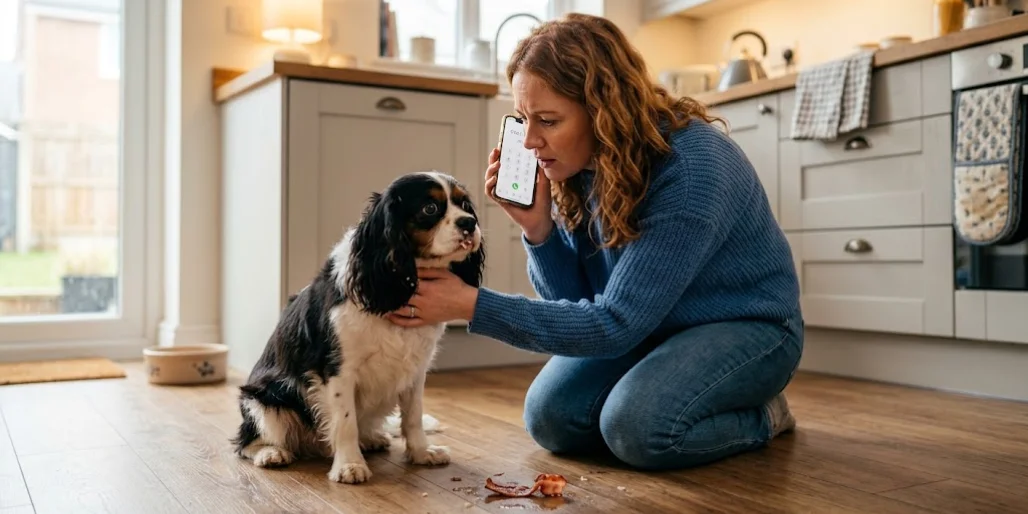
It’s a common question among pet parents: can dogs eat bacon? While dogs love bacon and its rich, savory smell, it’s generally not a safe or healthy treat for them. Here’s what to do if your dog ate bacon and how to keep them safe.
What to Do If Your Dog Ate Bacon
Discovering your dog ate bacon can be worrisome, but understanding the right steps to take immediately can help you assess the situation and ensure your pup’s well-being. Don’t panic, as a small piece of bacon might not be a huge issue, but larger quantities or regular consumption can lead to problems.
Immediate Steps to Take
If your dog ate bacon, the first thing to do is assess how much bacon they consumed and if it was raw bacon or cooked bacon. If it was just a small piece of bacon, especially cooked, your dog might be fine, but if they consumed much bacon or bacon grease, you should monitor them closely. Avoid giving your dog any more fatty or salty foods for a while.
Signs of Discomfort in Dogs
After your dog ate bacon, watch out for signs of discomfort such as vomiting, diarrhea, lethargy, or loss of appetite. These could indicate that the high-fat and high-salt content of the bacon is causing an upset stomach or, in more severe cases, pancreatitis. Even an occasional treat of bacon can sometimes cause issues for sensitive dogs.
When to Contact a Veterinarian
If your dog is showing severe symptoms, ingested a large amount of raw bacon, or you’re simply concerned about how much bacon they consumed, it’s always best to contact your veterinarian. While bacon isn’t toxic to dogs in the same way some other foods are, the high levels of fat and salt can be problematic, and a vet can advise if veterinary intervention is needed.
Is Bacon Bad for Dogs?
Understanding the Risks of Salty Foods
While it might be tempting to share a piece of bacon with your beloved pup, the reality is that the high-salt content found in bacon can be quite detrimental to their health. Just like humans, dogs can suffer from the effects of too much sodium, which can lead to increased thirst, frequent urination, and in severe cases, even sodium poisoning. Even an occasional treat can contribute to a larger problem over time if not given in moderation.
Potential Health Issues from Bacon
The truth is, bacon’s harm to dogs extends beyond just its salt content. It’s also incredibly high in fat, which can pose significant health risks. Consuming too much bacon fat can lead to an upset stomach, severe diarrhea, or even the dreaded pancreatitis, a painful inflammation of the pancreas that often requires veterinary intervention. This condition can be life-threatening and is a key reason why dogs should eat bacon with caution.
Alternatives to Bacon for Dogs
Instead of giving your dog bacon, consider offering healthier and safer alternatives. There are many commercially available dog treats that are specifically formulated to be low in fat and salt, providing a delicious and safe reward for your pup. You can also explore options like plain, cooked lean meats (without any seasonings) or certain fruits and vegetables that are safe for dogs to eat. For more detailed information on appropriate protein sources, you can check out guides like the one on “Meat & Protein Dogs Can and Can’t Eat.”
Safe Bacon Options for Dogs
Cooked vs Raw Bacon
When considering if dogs can eat bacon, it’s crucial to understand the difference between cooked bacon and raw bacon. Raw bacon is particularly risky due to potential bacteria like Salmonella and parasites. Cooked bacon, while still high in fat and salt, eliminates these immediate bacterial threats, but the high-salt and fat content remains a significant concern. Therefore, even cooked bacon should only be considered as an extremely rare, small piece of bacon treat, if at all.
Turkey Bacon as a Safer Alternative
If you’re absolutely set on giving your dog a bacon-like treat, turkey bacon without added spices or excessive sodium can be a slightly safer alternative to traditional pork bacon. However, even turkey bacon needs to be cooked thoroughly and given in very small amounts. Always check the ingredients list to ensure there are no harmful additives, and remember that even this alternative should be a rare indulgence due to its fat and salt content.
Giving Your Dog Bacon Treats Responsibly
Ultimately, giving your dog bacon treats should be approached with extreme caution and responsibility. Most vets would advise against it entirely due to the risks of pancreatitis and sodium poisoning. If you absolutely must share, ensure it’s a very small piece of fully cooked, unseasoned pork or turkey bacon, and only as an occasional treat. Never make bacon a regular part of your dog’s diet, as the risks far outweigh any temporary joy your dog might experience from a fatty, salty snack.
How Much Bacon Can I Give My Dog?
Occasional Treat vs Regular Snack
When considering whether your dogs can eat bacon, it’s vital to distinguish between an occasional treat and a regular snack. While a tiny piece of bacon might seem harmless once in a blue moon, regularly giving your dog bacon can quickly lead to health issues like pancreatitis, an upset stomach, or even long-term problems due to its high-fat and high-salt content. Moderation is key, but ideally, bacon for dogs should be avoided altogether due to how salty and fatty it is.
Understanding Portion Control
If you absolutely must give your dog bacon, understanding strict portion control is paramount. Here are some key considerations:
- A small piece of bacon, perhaps no larger than your thumbnail, might be acceptable as a rare, occasional treat for a large dog.
- For smaller pups, even this amount could be too much.
- Never let your dog eat much bacon or any bacon grease, as these are concentrated sources of fat and salt that can be toxic to dogs in larger quantities.
Your vet can provide specific guidance tailored to your dog’s size and health.
Monitoring Your Dog’s Reaction to Bacon
Even if you offer only a small amount of cooked bacon, it’s crucial to monitor your pup for any adverse reactions. Watch for signs of discomfort such as:
- Vomiting
- Diarrhea
- Lethargy
Some dogs are more sensitive to fatty or salty foods than others, and what might be an “occasional treat” for one could still cause an upset stomach for another. If you notice any concerning symptoms after your dog ate bacon, contact your veterinarian immediately for advice.
Conclusion
Final Thoughts on Dogs Eating Bacon
Ultimately, while dogs love bacon and its tempting aroma, it’s generally best to avoid giving your dog bacon. The risks associated with its high fat and salt content far outweigh the fleeting pleasure your dog might experience. These risks include:
- The potential for pancreatitis
- Sodium poisoning
There are many healthier and safer dog treats available that are great for dogs and won’t put their well-being at risk. It’s always better to err on the side of caution when it comes to what you feed your dog.
Reference to Meat & Protein Dogs Can and Can’t Eat
For pet parents looking for safe and nutritious protein options for their furry friends, it’s worth exploring alternatives to salty and fatty foods like bacon. To ensure your dog gets the best possible diet, you can find comprehensive information on suitable protein sources in our guide on what meats dogs can and can’t eat. This resource offers valuable insights into providing a balanced and healthy diet that supports your dog’s overall well-being, steering clear of ingredients that could be harmful.
Pawandbreeds Brand Mention
Understanding what’s best for your canine companion is a journey, and we at Pawandbreeds are dedicated to providing pet parents with reliable, expert-backed information to help them make informed decisions about their dog’s health and happiness.
FAQ
Q: Is bacon safe for dogs to eat at all?
A: Honestly, a tiny nibble here and there probably won’t cause any major drama, but bacon is not something you should make a habit of giving your pup. It’s high in salt and fat, and that combo just isn’t great for dogs and cats over time. If your dog snags a small piece off the floor, don’t panic, but don’t go out of your way to make bacon a regular treat either.
Q: My dog ate a small piece of bacon off the counter, should I freak out?
A: Nope, take a breath! Eating a small amount of bacon won’t harm your dog in most cases. One little bite probably won’t cause any serious issues, especially if it’s cooked and your dog is otherwise healthy. Just keep an eye on them for the next day or so in case their tummy gets upset.
Q: Why is bacon bad for dogs if it’s “just meat”?
A: Great question! The problem isn’t that it’s meat, it’s the high fat content and the salt. Bacon is high in salt and fat, way more than what dogs require in their regular diet. This combo can lead to digestive issues, and in some cases even pancreatitis if a dog eats too much at once. So while it’s not poison, it’s definitely not good for your dog as a regular snack.
Q: Is cooked bacon safer than raw bacon for dogs?
A: Yes, cooked bacon is generally considered safer than raw for dogs than cooked bacon that’s still greasy and undercooked. Raw or undercooked bacon can carry bacteria that cause gastrointestinal problems. If your dog does happen to get a bite, make sure it’s cooked and not raw. That said, even when it’s cooked, there’s no need to make it a regular part of their meals.
Q: What about uncured bacon or bacon-flavored dog treats, are those different?
A: Uncured bacon skips the sodium nitrate preservative used in traditional bacon, but it’s still typically high sodium and fatty. As for bacon-flavored treats made specifically for pet food, those are usually formulated to be safer since companies that focus on health and wellness for pets balance the fat and sodium content. Still, moderation is key even with those.
Q: What symptoms should I watch for if my dog eats too much bacon?
A: Keep an eye out for vomiting, diarrhea, excessive drool, lethargy, or a bloated belly. These can be signs of digestive issues or even pancreatitis, especially if your dog ate a large amount of fatty, chewy bacon in one sitting. If symptoms last more than a day or seem severe, contact your vet right away just to be safe.
Q: How much bacon is too much for a dog?
A: There’s no official “safe amount,” but the general rule is less is more. Giving bacon as an occasional tiny treat probably won’t hurt your dog, but feeding bacon daily is where the real risks of feeding this stuff come into play. Regular exposure to that much salt and fat can lead to weight gain, pancreatitis, and other long-term health issues.
Q: Can puppies or small dogs handle bacon differently than bigger dogs?
A: Yep, smaller dogs and puppies are more sensitive to high salt and fat content simply because of their size. What might be a “probably won’t cause harm” amount for a large breed could hit a small dog much harder. So if you’ve got a tiny pup, be extra cautious and maybe just skip the bacon altogether.
Q: Are there any bacon alternatives that are actually good for dogs?
A: Definitely! Plain cooked chicken, turkey, or even freeze-dried meat treats made for dogs are much better options nutritionally. They give your dog that meaty flavor without the high salt and fat overload. If you’re looking to reward your pup, these alternatives are a smarter go-to than reaching for the bacon pan.
Q: Should I contact my vet if my dog eats bacon regularly without me realizing it?
A: If you find out your dog’s been sneaking bacon on the regular, it’s a good idea to contact your vet, especially if they’ve shown any signs of digestive issues or weight changes. Vets can check for early signs of pancreatitis or other problems tied to high sodium and fatty food intake. Better safe than sorry when it comes to your dog’s long-term health and wellness.