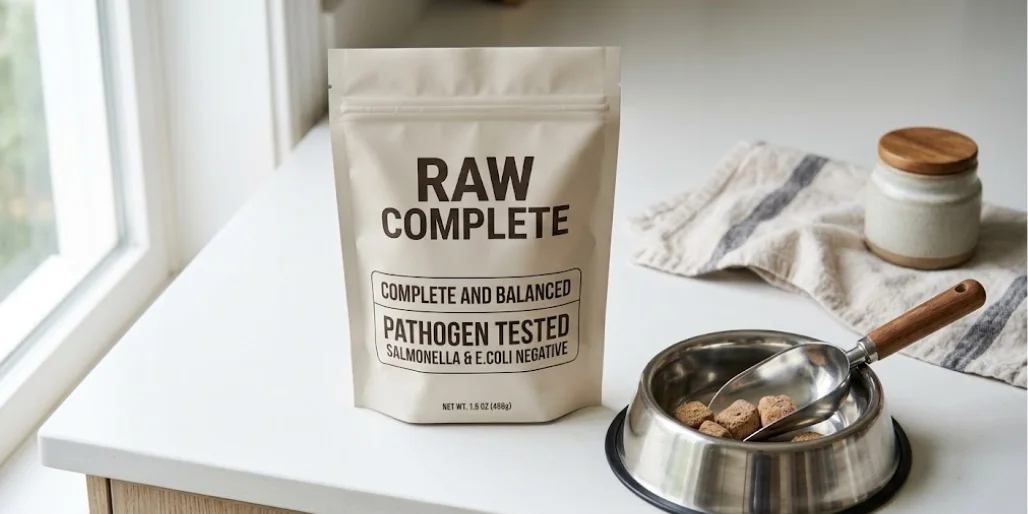
It’s a hot topic among pet owners: can dogs and cats eat raw meat? Many believe a raw meat diet is best, mimicking ancestral eating habits, but there are also significant concerns. Let’s explore the ins and outs of raw food diets for our beloved pets, examining both the potential benefits and the risks involved, along with what veterinarians have to say.
Understanding Raw Meat in Pet Diets
The concept of feeding raw meat to pets, especially a raw food diet, has gained considerable traction. Proponents often argue that a raw diet is more natural for dogs and cats, aligning with what their wild ancestors would have consumed. This approach contrasts sharply with traditional commercial pet food, which is often heavily processed.
What is Raw Meat?
When we talk about raw meat in the context of pet diets, we are referring to uncooked animal protein. This can range from muscle meat and organs to bones, often sourced from various animals like chicken, beef, or lamb. A raw food diet typically involves a complete and balanced meal plan that includes these components, sometimes supplemented with fruits, vegetables, and other ingredients. Some pet owners opt for homemade raw meals, while others choose commercially prepared raw pet food.
Benefits of Feeding Raw Meat
Many dog owners and cat owners believe that feeding raw meat can lead to numerous health advantages. Advocates suggest that a raw diet can improve coat health, increase energy levels, and lead to better digestion. They often point out that a raw meat-based diet provides natural enzymes and nutrients that might be lost during the processing of conventional pet food. The argument is that the digestive system of dogs and cats is well-suited for the digestion of raw food.
Risks Associated with Raw Meat
Despite the perceived benefits, feeding raw meat comes with considerable health risks, a fact often highlighted by the veterinary medical association. The primary concern is the presence of harmful bacteria and pathogens like salmonella and E. coli, which can be present in raw meat and pose a health risk to both pets and humans. These pathogens can compromise immune systems, leading to severe illness. It’s crucial for pet owners to understand that while dogs can eat raw meat, it doesn’t mean it’s always safe or beneficial, and proper handling is essential.
Veterinarian Insights on Raw Diets
Veterinary Recommendations
Many veterinarians express reservations about feeding raw meat, often citing concerns about the safety and nutritional completeness of raw food diets. While acknowledging that dogs can eat raw meat, they emphasize the potential health risk of bacterial contamination from salmonella and other pathogens. Most veterinary professionals advocate for commercially prepared pet food that is complete and balanced, having undergone rigorous testing to ensure it meets the nutritional needs of dogs and cats without the added pathogen risks associated with raw pet food.
Common Concerns from Veterinarians
A major concern among veterinarians regarding raw diets for dogs and cats is the risk of zoonotic disease transmission, meaning diseases that can pass from animals to humans. The pathogens found in raw dog food and raw meat can not only sicken pets, compromising their immune systems, but also pose a significant health risk to pet owners, especially those with weakened immune systems. The American Veterinary Medical Association, among other veterinary bodies, strongly advises against feeding raw pet food due to these inherent dangers.
How to Transition to a Raw Diet
If a pet owner decides to feed raw despite veterinary advice, a gradual transition is often recommended to minimize digestive upset. This typically involves slowly introducing small amounts of the new raw dog food or raw pet food while reducing the previous diet over several days or weeks. It’s crucial to ensure the new raw diet is complete and balanced, providing all essential nutrients. Regular veterinary check-ups are also vital to monitor the pet’s health and address any emerging issues related to the raw feeding regimen.
Feeding Raw Meat to Dogs and Cats
Can Dogs Eat Raw Meat Safely?
While dogs can eat raw meat and their digestive system is designed to handle some raw food, the concept of “safely” is often debated. The primary concern isn’t just whether dogs eat raw meat but whether doing so introduces an unacceptable health risk due to pathogens like salmonella. A balanced raw diet, meticulously prepared and handled, might mitigate some risks, but complete elimination of bacteria is challenging, making the argument for commercial raw or cooked dog food compelling for many dog owners. For more detailed information, check out our guide on what meat and protein dogs can and can’t eat.
Feeding Raw to Cats: What Owners Should Know
Cats are obligate carnivores, meaning their diet naturally consists of meat, and they are generally well-adapted to digesting raw meat. However, similar to dogs, feeding raw to cats comes with the same pathogen concerns. A raw food diet for cats must be complete and balanced to prevent nutritional deficiencies. Cat owners choosing to feed raw pet food should be acutely aware of proper food handling and storage to reduce the health risk from bacteria, ensuring their feline friend’s immune systems remain robust.
Types of Raw Diets for Dogs and Cats
There are several approaches to raw diets for dogs and cats. The most common include the BARF (Biologically Appropriate Raw Food) diet, which often incorporates raw meat, bones, organs, fruits, and vegetables, and the PMR (Prey Model Raw) diet, which focuses solely on raw meat, bones, and organs in ratios mimicking a whole prey animal. Some pet owners opt for homemade raw meals, while others prefer the convenience and often certified completeness of commercial raw dog food or raw pet food products, which aim to provide a balanced raw diet.
Commercial vs. Homemade Raw Diets
Comparing Commercial Raw Food Options
When considering raw food options, commercial raw diets offer a convenient, often complete and balanced solution for pet owners. These raw pet food products are typically formulated by animal nutritionists to ensure they meet the specific dietary needs of dogs and cats, aiming to reduce the health risk of nutritional deficiencies. Many commercial raw dog food brands undergo rigorous testing for pathogens like salmonella, providing a degree of assurance regarding safety that homemade raw meals might lack, making raw feeding more accessible.
Preparing Homemade Raw Diets
For those who prefer a hands-on approach, preparing homemade raw diets allows ultimate control over ingredients. However, this method requires extensive knowledge to ensure the raw diet is complete and balanced, providing all essential nutrients to dogs and cats. Without proper formulation, a homemade raw food diet can lead to deficiencies or excesses that compromise immune systems. Strict hygiene protocols are paramount when handling raw meat to prevent pathogen contamination and minimize health risk.
Essential Nutritional Considerations
Whether opting for commercial or homemade raw diets, essential nutritional considerations are vital for the well-being of dogs and cats. A balanced raw diet must include the correct ratios of muscle meat, organs, and bones, along with any necessary supplements. It’s not enough for dogs to eat raw meat; the diet must provide a full spectrum of vitamins and minerals. Pet owners should consult with a veterinarian or a board-certified veterinary nutritionist to ensure their chosen raw feeding regimen supports optimal digestion and overall health.
Conclusion and Best Practices
Summary of Key Points
The journey into understanding raw meat diets for dogs and cats reveals a complex landscape of benefits and significant risks. While proponents highlight improved digestion and coat health, the veterinary medical association and numerous veterinarians warn about the considerable health risk from pathogens like salmonella. Dogs can eat raw meat, and a raw food diet can be beneficial, but only if it’s a complete and balanced diet, meticulously prepared and handled to mitigate the dangers of bacterial contamination to both pets and pet owners.
Final Recommendations for Dog Owners
Ultimately, the decision to feed raw meat is a personal one for every pet owner, balancing perceived benefits with known risks. If you choose a raw diet, prioritize safety above all else. Select commercial raw pet food from reputable brands that test for pathogens, or if making homemade raw meals, ensure they are complete and balanced and follow stringent hygiene. Regular veterinary check-ups are crucial to monitor your pet’s health and address any concerns regarding their immune systems or digestion on a raw feeding regimen.
Additional Resources: Meat & Protein Dogs Can and Can’t Eat
For pet owners seeking further guidance on their dog’s nutritional intake, especially concerning various protein sources, Pawandbreeds offers a comprehensive guide. Our article on canine protein options delves deeper into specific types of meat and how they can safely be incorporated into your dog’s diet, whether it’s part of a raw meat-based diet or another feeding strategy.
FAQ
Q: Can dogs and cats eat raw meat, or is it just a trendy myth?
A: So here’s the deal – dogs CAN eat raw meat, and honestly a lot of pet parents swear by raw feeding. Even though our furry buddies are domesticated dogs now, their digestive systems still have some similarities to their wild ancestors. That said, “can” doesn’t always mean “should” – there are real risks of feeding raw diets that we’ll get into, so don’t just wing it without doing your homework first.
Q: What exactly does feeding raw diets involve?
A: Feeding raw food to dogs typically means you include uncooked muscle meat, raw meat and bones, organs, and sometimes raw eggs or veggies mixed in. The whole idea behind raw feeding is to mimic what dogs would theoretically eat in the wild – basically a whole food approach instead of processed kibble. Some people go full DIY, others buy pre-made frozen pet raw meals to make life easier.
Q: Is it actually safe to feed dogs raw meat?
A: This is where things get a little dicey, ngl. Raw or undercooked meat can carry nasty bacteria like salmonella or listeria, and contaminated raw products have caused outbreaks before. Food safety experts (including the food and drug administration) have flagged concerns about pathogens in raw animal products. It’s not just risky for your pup – if you handle contaminated raw meat and then touch your face or don’t wash your hands, you could get sick too.
Q: What do vets actually think about raw feeding?
A: Honestly, opinions are mixed. Groups like the Canadian Veterinary Medical Association and the World Small Animal Veterinary Association have both raised caution flags about feeding raw diets due to bacterial contamination risks and nutritional imbalances. Some individual vets are more open to it if done carefully, but most animal hospitals will tell you to talk to your vet before making the switch, especially for puppies, senior dogs, or pets with health issues.
Q: Are some dogs more at risk than others?
A: Yep, definitely. Healthy adult dogs with strong immune systems generally handle raw diets better than senior dogs or pets who are immunocompromised. If your dog has any underlying health condition, raw feeding could be a bigger gamble. Same goes for households with kids, elderly folks, or anyone immunocompromised living there – the bacteria from contaminated raw meat can spread around the house through feces, kitchen surfaces, or pet bowls.
Q: What about cats – can they eat raw meat too?
A: Cats are obligate carnivores, so in theory raw meat lines up with their natural diet even more than it does for dogs. But the same food safety concerns apply – raw or undercooked meat can carry pathogens that make cats (and humans) sick. If you’re considering it, choosing a raw food that’s specifically formulated and handled properly is super important.
Q: How do I go about choosing a raw food product if I want to try it?
A: When choosing a raw food option, look for reputable dog food companies that follow strict sourcing and safety protocols – stuff like high-pressure processing to kill bacteria. Don’t just grab random ground meat from the grocery store and call it a day. A lot of food companies now make commercial raw diets that are nutritionally balanced and tested, which takes some of the guesswork out of it.
Q: Is cooked food a safer alternative to raw feeding?
A: For a lot of pet owners, yes – cooked food removes most of the bacterial risk while still letting you control the ingredients. If you’re nervous about raw meat and bones or handling contaminated raw products, lightly cooking the meat (while still keeping it nutritious) is a solid middle ground. Talk to your vet about what balance works for your specific pet.
Q: If I decide on feeding raw diets, how do I add raw food safely?
A: Start slow! Don’t just add raw meat cold turkey (pun intended) – transition gradually over a week or two to avoid stomach upset. Always practice good hygiene: wash your hands, disinfect bowls and surfaces, and store raw meat properly in the fridge or freezer. Also, keep an eye on your dog’s feces and overall behavior for the first few weeks since that’s often the first sign something’s off.
Q: Bottom line – should I be embracing raw feeding for my pet?
A: Honestly, it depends on your comfort level, your dog’s health, and how much effort you’re willing to put into food safety. Embracing raw feeding can work great for some pets, but it’s not a one-size-fits-all solution. Chat with your animal hospital or vet, weigh the risks of feeding raw against the potential benefits, and make sure whatever you choose is coming from a reputable dog food source if you’re not making it yourself.