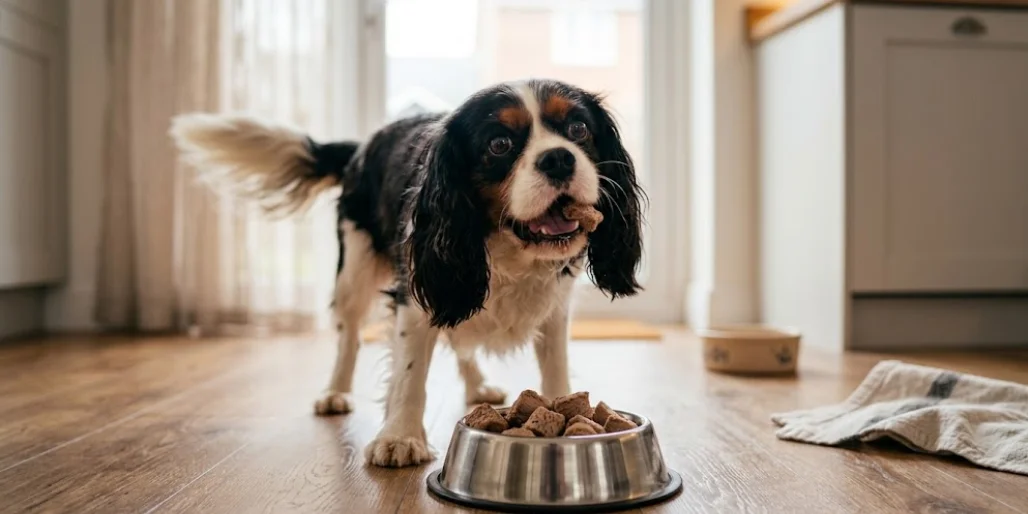
Dogs can indeed eat pork, but there are important considerations to ensure it’s safe and beneficial for their health. While plain, thoroughly cooked pork can be a tasty treat, certain preparations and types of pork should be avoided.
Understanding Pork in a Dog’s Diet
Navigating what your dog can and cannot eat can be tricky, especially with human foods like pork. It’s crucial to understand the nuances of including pork in your dog’s diet to prevent any health issues and ensure they receive only the good stuff.
Is Pork Safe for Dogs?
Yes, pork is generally safe for dogs to eat, provided it is plain and thoroughly cooked. However, raw or undercooked pork poses significant risks due to potential parasites like Trichinella spiralis, which can cause trichinosis. This makes it vital to always cook pork meat fully if you plan to feed your dog. Furthermore, avoid giving pork bones, especially cooked bones, as they can splinter and cause internal damage.
Nutritional Benefits of Pork for Dogs
Pork can be a nutritious addition to your dog’s diet when prepared correctly. It’s a high-quality protein source, offering essential amino acids vital for muscle development and overall health. When considering different meats, pork can provide a good alternative to other protein sources, contributing to your dog’s balanced diet and offering various benefits, making it a good occasional treat.
How Much Pork Can Dogs Eat?
Moderation is key when giving pork to your dog. While pork is safe for dogs, it’s often higher in fat than other meats, and excessive amounts can lead to gastrointestinal upset or even pancreatitis, especially with fatty cuts. A small piece of pork as an occasional treat is usually fine, but it should not become a staple in their diet.
Types of Pork Dogs Can Eat
Cooked Pork vs. Raw Pork
When considering if dogs can eat pork, the distinction between cooked and raw pork is critical for their safety. Raw or undercooked pork can harbor the Trichinella spiralis parasite, which causes trichinosis, a serious illness for dogs. To ensure pork is safe for dogs, it must be thoroughly cooked, eliminating any potential parasites and making it a safe addition to their diet in moderation.
Feeding Pork Bones to Dogs
While many dogs enjoy chewing on bones, feeding pork bones, especially cooked bones, is generally not recommended. Cooked bones can become brittle and splinter easily, posing a significant choking hazard or causing internal damage as they pass through your dog’s digestive system. Raw pork bones also carry the risk of parasites, so it’s best to avoid giving pork bones to dogs entirely, even though dogs can eat pork meat.
Dogs Eating Ham or Bacon
Processed pork products like ham and bacon are not safe for dogs. These items are typically very high in sodium, fat, and often contain various seasonings and preservatives that can be harmful to dogs. While dogs can eat plain pork, these processed forms can lead to gastrointestinal upset, pancreatitis, or even salt poisoning. It’s best to avoid feeding your dog ham or bacon to ensure they remain healthy.
Preparation and Serving Suggestions
How to Cook Pork for Dogs
To properly cook pork for dogs, always opt for plain, lean cuts of pork without any added seasonings or sauces. Ensure the pork meat is fully cooked through, reaching an internal temperature that eliminates any risk of parasites like Trichinella spiralis. Boiling or baking are excellent methods, resulting in tender, safe-for-dogs pork that your canine companion can enjoy as an occasional treat.
What Seasoning is Safe for Dogs?
When preparing pork for your dog, it’s crucial to understand that most human seasonings are not safe for dogs and can be harmful. Avoid garlic, onion, excessive salt, pepper, and other spices, as these can be toxic to dogs or cause digestive upset. The best approach is to offer plain pork without any seasoning at all, ensuring that the pork is safe for dogs to eat.
Feeding Advice: How to Serve Pork to Dogs
When feeding pork to dogs, remember that moderation is key. Offer small, bite-sized pieces of thoroughly cooked, unseasoned pork as an occasional treat rather than a regular meal. This helps prevent overconsumption of fat and potential digestive issues. Always introduce new foods slowly and monitor your dog for any adverse reactions, ensuring they can eat pork safely.
Potential Risks of Feeding Pork to Dogs
Health Risks of Raw Pork
Feeding raw pork to dogs poses significant health risks due to the potential presence of Trichinella spiralis, a parasite that causes trichinosis. When dogs eat pork that is raw or undercooked, they can ingest these parasites, leading to symptoms like gastrointestinal upset, muscle pain, and fever. To ensure pork is safe for dogs, it must be thoroughly cooked to eliminate any parasites, making plain pork a safer option than raw pork.
Understanding Allergies and Sensitivities
While dogs can eat pork safely when it’s cooked correctly, some dogs may develop allergies or sensitivities to pork, just as they might with any other protein source. Signs of an allergic reaction can include skin issues, digestive problems, or itchiness. If you’re introducing pork into your dog’s diet for the first time, it’s wise to do so in moderation and observe your pet closely for any adverse reactions to the type of pork you’ve chosen.
Signs of Pork Intolerance in Dogs
If your dog develops pork intolerance, you might notice various symptoms indicating that pork is not agreeing with them. These can range from mild digestive upset like vomiting or diarrhea to more severe issues such as excessive gas or abdominal pain. If you suspect your dog has an intolerance, it’s crucial to stop feeding pork and consult your veterinarian. This ensures your dog’s diet remains beneficial and safe for dogs.
Conclusion
Final Thoughts on Feeding Pork to Dogs
Ultimately, dogs can eat pork, provided it is plain, thoroughly cooked, and offered in moderation. Avoiding raw pork, undercooked pork, and processed pork products like bacon or ham is crucial due to the risk of parasites, high sodium, or harmful seasonings. When prepared correctly, pork can offer nutritional benefits as a high-quality protein source, but always prioritize lean cuts and monitor your dog for any sensitivities, ensuring they eat pork safely.
Reference to Meat & Protein Dogs Can and Cannot Eat
Understanding what meats are safe for your furry friend is vital for their well-being. If you’re looking for more detailed information on various protein sources and what to avoid, you might find our guide on suitable meats incredibly helpful. It covers a broad spectrum of options, ensuring you can make informed decisions about your dog’s diet and offer them a diverse yet safe range of foods.
Pawandbreeds: Your Trusted Pet Resource
For all your pet-related questions and comprehensive guides on dog health, nutrition, and behavior, Pawandbreeds is your go-to resource. We are dedicated to providing accurate, helpful, and up-to-date information to ensure your beloved companions lead happy and healthy lives. Trust Pawandbreeds to be your partner in responsible pet ownership, offering expert advice and valuable insights.
FAQ
Q: Can dogs eat pork?
A: Yes, dogs can eat pork, but there are important caveats — pork prepared and cooked plain can be a source of protein and essential vitamins and minerals, but it should be fed in moderation and not as your dog’s regular dog food.
Q: Is pork good for dogs or a better option than regular dog food?
A: Pork can be pork good as an occasional treat or supplement because it’s a complete protein, but it shouldn’t replace a balanced dog food diet — consult with your veterinarian if you want to add pork regularly.
Q: Are dogs eat pork bones safe or should I avoid pork ribs and other bones?
A: Avoid giving uncooked bones like pork ribs to dogs — unprocessed or cooked pork bones can splinter off into sharp pieces and cause choking or internal injury, so many vets advise steering clear of pork bones entirely.
Q: Can I feed my dog raw pork or give my dog raw pork bone treats?
A: Raw pork is risky because it can contain parasite trichinella spiralis larvae and harmful bacteria; raw pork and unprocessed pork bones are generally not recommended for safe for dogs to eat unless overseen by a veterinary nutritionist.
Q: What pork dishes are OK to share — can I give my dog a pork chop or table scraps?
A: Plain, fully cooked pork chop meat without seasoning, sauces, bones, or excess fat can be offered in small amounts; avoid table scraps that include spices, garlic, onions, or high-fat trimmings because pork can cause pancreatitis or other digestive issues.
Q: What are common risks associated with feeding pork to dogs?
A: Risks associated include foodborne harmful bacteria, parasites, fatty cuts that can cause pancreatitis, and bone splintering; pork contains fats and calories that can lead to upset stomach or longer-term weight issues if not fed in moderation.
Q: How should pork be prepared to be safe for dogs to eat?
A: Make sure pork is fully cooked through, plain (no salt, garlic, onions, or sauces), trimmed of excess fat, and served in small portions — how it’s cooked and served makes a big difference for safety.
Q: If my dog ate raw pork or pork bones, what should I do?
A: Watch for vomiting, diarrhea, lethargy, or signs of choking and consult with your veterinarian right away — especially if you suspect ingestion of uncooked bones, cooked bones, or raw pork that could carry parasites or harmful bacteria.