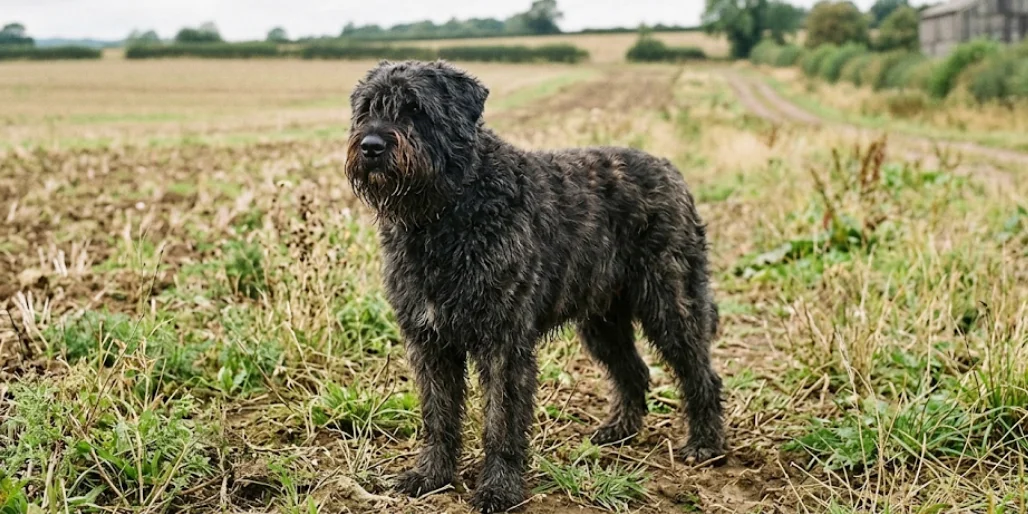
Are you curious about the Bouvier des Flandres dog breed? This comprehensive Bouvier des Flandres breed guide aims to answer all your questions, providing you with in-depth insights into this magnificent working dog. We’ll delve into their history, characteristics, and temperament, helping you understand if this breed is the right fit for your home.
Bouvier des Flandres Overview
The Bouvier des Flandres, often simply called a Bouvier, is a large and powerful dog breed originating from the Flanders region. These dogs were originally bred for herding and pulling carts, showcasing their strong work ethic and robust physique. Understanding the Bouvier des Flandres dog breed starts with appreciating its rich history and distinctive traits.
History of the Bouvier des Flandres
The history of the Bouvier des Flandres is deeply rooted in Belgium and France, where they were developed as versatile working dogs for farmers. They were essential for herding cattle, pulling carts, and guarding the farm, making them an indispensable asset. This breed faced near extinction during both World Wars, but dedicated enthusiasts worked tirelessly to preserve the Bouvier’s lineage.
Physical Characteristics of the Breed
The Bouvier des Flandres is a sturdy and robust dog, known for its powerful build and rough, shaggy coat. They have a distinctive appearance with a rugged beard and mustache, contributing to their impressive presence. The breed standard outlines their large size, well-muscled body, and alert, intelligent expression, making them easily recognizable.
Common Color Variations
While their shaggy coat is a defining feature, Bouvier des Flandres dogs come in several common color variations. These can include fawn, black, gray, brindle, and salt and pepper. Regardless of the specific shade, their dense, weather-resistant coat requires regular grooming to prevent matting and keep it in top condition.
Bouvier des Flandres Temperament
The temperament of the Bouvier des Flandres is as impressive as their physical stature, known for being calm, courageous, and loyal. They are intelligent dogs that respond well to training, especially with positive reinforcement. Understanding their personality traits is key to a harmonious relationship with this active breed.
Personality Traits
Bouvier des Flandres dogs possess a unique blend of personality traits, making them excellent companions and protectors. They are known for their calm and steady demeanor, but also exhibit great courage and loyalty to their families. Their intelligence makes them highly trainable, though they do require consistent and firm guidance to thrive.
Interaction with Families and Children
When properly socialized, the Bouvier des Flandres can be a wonderful family dog, interacting well with families and children. They are typically patient and protective, forming strong bonds with their human companions. However, due to their size and herding instincts, supervision is always recommended when they are around very young children.
Socialization Needs
Early and consistent socialization is crucial for a Bouvier des Flandres puppy to develop into a well-adjusted adult dog. Exposing them to various people, places, and other animals from a young age helps them become confident and well-behaved. This helps mitigate any potential shyness or aggression, ensuring they are comfortable in different situations.
Training the Bouvier des Flandres Dog Breed
Training a Bouvier des Flandres is an incredibly rewarding experience, as these dogs are eager to please and highly intelligent. The key to success lies in understanding their unique temperament and employing consistent, positive training methods from a young age. This section of our Bouvier des Flandres breed guide will help you navigate the training journey with your Bouvier.
Training Techniques and Tips
When it comes to training a Bouvier des Flandres dog breed, a firm yet gentle approach works best. These working dogs thrive on structure and routine, so consistent daily training sessions are crucial. Early socialization and obedience classes are highly recommended to shape a well-behaved Bouvier des Flandres puppy, helping them become a confident and adaptable companion.
Ease of Training and Intelligence
The Bouvier des Flandres is renowned for its intelligence, making them relatively easy to train for experienced owners. Their keen desire to please, combined with their sharp minds, means they can quickly grasp new commands and tasks. However, their independent nature means training must be engaging and consistent to maintain their focus and prevent boredom.
Positive Reinforcement Strategies
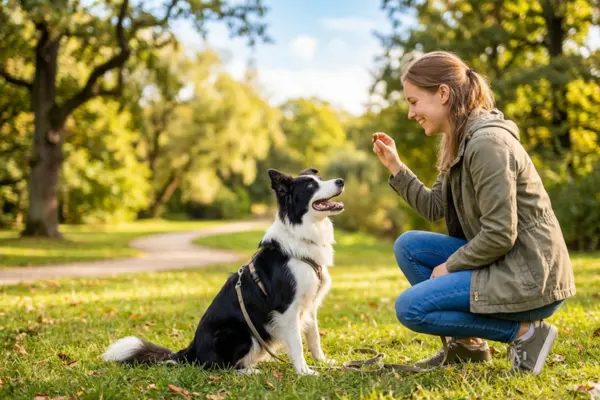
Positive reinforcement is the most effective strategy when training a Bouvier des Flandres. Using treats, praise, and play as rewards helps to build a strong bond and encourages your Bouvier puppy to repeat desired behaviors. This method not only makes training enjoyable for both of you but also helps in developing a confident and well-adjusted dog.
Grooming and Care for Bouvier des Flandres
Proper grooming and care are essential for maintaining the health and well-being of your Bouvier des Flandres. Their distinctive shaggy coat, while beautiful, requires regular attention to prevent matting and skin issues. This section of our guide will walk you through the necessary steps to keep your Bouvier looking and feeling their best.
Coat Maintenance
The Bouvier des Flandres boasts a thick, rough double coat that is water-resistant but prone to matting if not properly maintained. Regular brushing is paramount to prevent knots and tangles from forming, especially in their beard and leg furnishings. This not only keeps their coat healthy but also minimizes shedding around your home.
Bathing and Brushing Recommendations
Bathing your Bouvier des Flandres should be done as needed, typically every few months, using a dog-specific shampoo. More frequent brushing, ideally several times a week, is recommended to remove loose hair and prevent mats. A slicker brush and a long-toothed comb are indispensable tools for managing their unique coat effectively.
Nail Clipping and Ear Care
Regular nail clipping is crucial for the comfort and health of your Bouvier des Flandres; overgrown nails can lead to pain and mobility issues. Additionally, their ears require routine checking and cleaning to prevent infections, as their floppy nature can trap moisture and debris. Consult your veterinarian for guidance on proper techniques.
Health Concerns in Bouvier des Flandres
Responsible ownership of a Bouvier des Flandres means understanding their potential health concerns. While generally a robust breed, Bouviers can be predisposed to certain conditions. Being aware of these health issues and knowing how to prevent or manage them is crucial for ensuring a long and healthy life for your beloved companion, making this section an essential part of our Bouvier des Flandres breed guide.
Common Health Issues
Like many large dog breeds, the Bouvier des Flandres can be prone to certain common health issues such as hip and elbow dysplasia, which can impact their mobility and comfort. Other Bouvier-specific concerns include gastric torsion, also known as bloat, and certain eye conditions. Regular veterinary check-ups are key to early detection and management of these conditions, especially for a Bouvier des Flandres puppy.
Regular Veterinary Check-ups
Regular veterinary check-ups are paramount for your Bouvier des Flandres’s overall health. These routine visits allow your vet to monitor for early signs of common ailments like hip and elbow dysplasia or other breed-specific conditions. Establishing a consistent schedule with your veterinary team ensures any health concerns are addressed promptly, contributing to your Bouvier’s long-term well-being.
Preventative Care Recommendations
Preventative care recommendations for the Bouvier des Flandres include a balanced diet tailored for large-breed puppy growth and maintaining a healthy weight to prevent excessive strain on joints, mitigating the risk of dysplasia. Regular exercise and mental stimulation are also vital. Early detection through routine veterinary visits, along with proactive measures, ensures a healthier and happier Bouvier.
Conclusion
As we conclude this comprehensive Bouvier des Flandres breed guide, it’s clear that these magnificent dogs are a remarkable blend of strength, intelligence, and loyalty. Understanding their unique needs, from early training and socialization to consistent grooming and preventative health care, is crucial for any potential owner.
Summary of Bouvier des Flandres Breed Guide
This Bouvier des Flandres breed guide has covered everything from their rich history as working dogs in Flanders, Belgium, to their distinct physical characteristics and affectionate temperament. We’ve explored the importance of positive reinforcement in training, essential grooming for their unique coat, and key health concerns like hip and elbow dysplasia, ensuring you’re well-equipped to care for this active breed.
Final Thoughts on Owning a Bouvier des Flandres
Owning a Bouvier des Flandres is a rewarding experience, offering a loyal companion that thrives on being part of the family. Their protective nature and intelligence make them excellent guard dogs and partners for an active lifestyle. With proper care, consistent training, and understanding of their breed-specific needs, a Bouvier will undoubtedly enrich your life.
Reference to Pawandbreeds and Dog A-Z Breeds Guide
For more detailed information on various dog breeds, including the Bouvier des Flandres and other working dog breeds, be sure to visit Pawandbreeds. Their extensive Dog A-Z Breeds Guide offers a wealth of knowledge to help you make informed decisions about your canine companions.
FAQ’s
Q: What are the main breed characteristics of the Bouvier des Flandres?
A: So the Bouviers are basically big, sturdy dogs with a tousle-y double coat and a super steady temperament. They’re not the hyper type – think calm, loyal, and kinda serious-looking with that beard and eyebrows thing going on. According to most kennel club standards, including the American Kennel Club, they’re built to be a capable working dog first and foremost, so expect a solid, muscular build under all that fur.
Q: Where does this breed actually come from – is it true they’re from Belgium?
A: Yep, totally true! The Bouvier des Flandres hails from Belgium (and a bit of northern France too), where farmers used them as an all-purpose farm dog – herding cattle, pulling carts, guarding property, you name it. The name itself basically means “cowherd from Flanders” which tells you everything about their working dog roots.
Q: Is the Bouvier des Flandres easy to train?
A: For the most part, yes! They’re smart cookies and generally easy to train because they actually want to work and please their people. That said, they’ve got a mind of their own sometimes, so if you’re a first-time dog owner, just be patient and consistent. Positive reinforcement works wonders here – they’re not the type that responds well to harsh methods.
Q: How much daily exercise does a Bouvier need?
A: These guys aren’t couch potatoes, that’s for sure. Given their history as a working farm dog, they need a solid amount of daily exercise – think long walks, playtime, maybe even some dog sports like herding trials or agility. Bored Bouviers can get destructive, so keeping them active helps with both their physical and mental health and welfare.
Q: What’s the deal with their coat – is grooming a nightmare?
A: Their coat texture is rough and wiry on top with a soft undercoat underneath, and honestly it does need regular upkeep. Brushing a few times a week keeps that tousled look from turning into matted chaos. Some owners even go to groomers familiar with breed specific trims since the Bouvier’s look is pretty distinctive.
Q: Are Bouviers good as guide dogs or service animals?
A: Interestingly, yes – some Bouviers have actually worked as a guide dog for the blind because of their intelligence and steady nature. They’re not as commonly used as Labs or Goldens for this job, but their calm confidence makes them solid candidates when properly trained.
Q: What health issues should I watch out for with this breed?
A: Like a lot of large breeds, Bouviers can be prone to a handful of health conditions. Hip dysplasia is common, but you should also know about GDV (bloat), which is serious and needs quick veterinary care if it happens. Some lines also carry risk for heart issues like subaortic stenosis (SAS), which involves narrowing near the aortic valve, plus eye conditions like glaucoma. Reputable bouvier breeders should health test for these before breeding.
Q: What should I feed my Bouvier des Flandres?
A: When they’re pups, go for a large-breed puppy food to support healthy joint and bone growth since these dogs grow fast and big. Once they hit adulthood, switch to a quality adult dog food that helps support joint health and prevents weight gain, since extra pounds are hard on their joints long term. Always chat with your vet about portions.
Q: How long do Bouviers usually live, and where can I find reliable des Flandres dog breed information?
A: Most Bouviers live around 10 to 12 years with good care. For solid, trustworthy info, check out resources like the American Bouvier des Flandres Club or your national kennel club – they’ve got breed guides, breeder directories, and health resources all in one spot, which is way better than random internet searches.