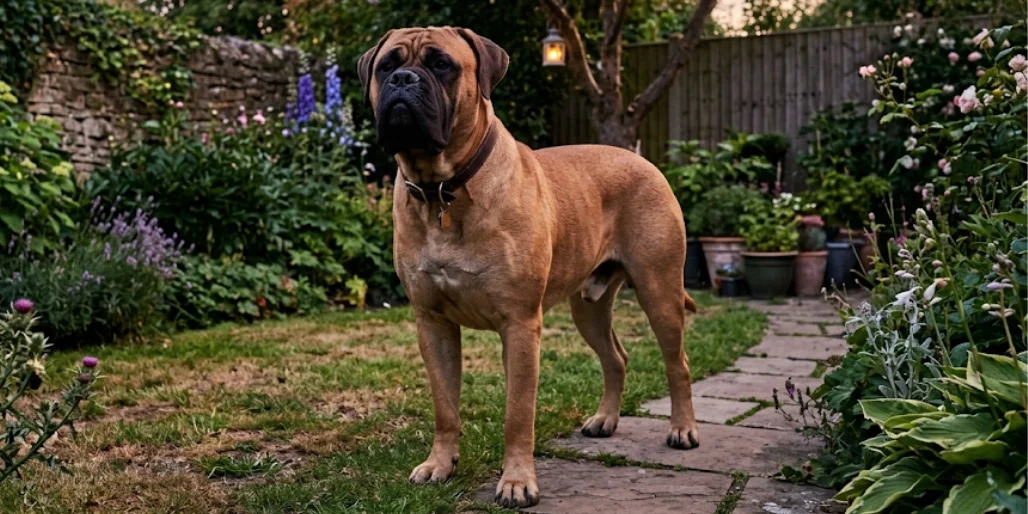
Bullmastiffs are a large, powerful breed developed in 19th-century England by crossing Mastiffs with Bulldogs to create the ultimate gamekeeper’s night dog, silently subduing poachers without mauling them. Despite their imposing size, they’re famously docile and affectionate, known as gentle giants who are calm, loyal, and protective without being aggressive.
Understanding the Bullmastiff Breed
The Bullmastiff is a powerful and protective breed known for its distinctive appearance and loyal personality. Understanding the core aspects of this dog breed is crucial for anyone considering bringing a Bullmastiff puppy into their home. Their large size and specific needs make them a unique addition to any family, requiring commitment and knowledge.
Origin and History of the Bullmastiff
The Bullmastiff’s history is deeply rooted in 19th-century England, where they were meticulously bred to be the ultimate gamekeeper’s night dog. These fearless dogs were developed by English gamekeepers to protect large estates from poachers. They are a true testament to selective breeding, combining the formidable strength of the Mastiff with the tenacity of the Bulldog to create a loyal, protective, and intelligent guard dog.
Physical Characteristics of the Bullmastiff
The Bullmastiff is a large breed known for its robust and muscular build, projecting an air of quiet power. They possess a broad skull and a powerful, deep chest, adhering to the breed standard. This impressive physique contributes to their intimidating presence, though their temperament is often surprisingly docile.
| Characteristic | Description |
| Coat Type | Short and dense |
| Coat Colors | Fawn, red, or brindle, often with a distinctive black muzzle |
Common Health Issues in Bullmastiffs
Like many large breed dogs, Bullmastiffs can be predisposed to certain health conditions that responsible dog ownership entails understanding. Choosing a reputable breeder who screens for these health concerns, along with obtaining pet insurance, is vital for a Bullmastiff puppy’s well-being.
| Category | Common Health Concerns |
| Joint Conditions | Hip dysplasia, Elbow dysplasia |
| Other Conditions | Bloat, Certain cancers, Eye conditions |
Bullmastiff Temperament
Personality Traits of the Bullmastiff
The Bullmastiff possesses a remarkable temperament, often described as a gentle giant. They are known for their docile and affectionate nature, making them wonderful family companions. While their appearance might be imposing, their inherent personality is typically calm and devoted. These large breed dogs are incredibly loyal to their families, showcasing a protective nature without being overly aggressive, making them excellent guard dogs who will stand by your side.
Are Bullmastiffs Good with Children?
Bullmastiffs can be incredibly good with children, often displaying a patient and tolerant demeanor. Their calm temperament makes them a suitable family dog, but due to their size, supervision with very young children is always recommended to prevent accidental bumps. Proper socialization from a young age is crucial to ensure they develop into well-adjusted adults who understand their role within the family, fostering a harmonious home environment.
Socialization Needs for a Bullmastiff
Early socialization is paramount for a Bullmastiff puppy to ensure they grow into a well-behaved and confident adult. Exposing your Bullmastiff to various sights, sounds, people, and other animals from a young age will help them develop into a well-rounded dog. Positive reinforcement training methods are highly effective in fostering good manners and a strong bond between the dog and its owner, helping them to be comfortable in diverse situations.
Caring for Your Bullmastiff
Grooming Tips for Bullmastiffs
Caring for a Bullmastiff involves some essential grooming practices to keep their short and dense coat healthy and clean. While they don’t require extensive grooming, regular brushing helps to minimize shedding and keep their skin in good condition. Additionally, there are other important hygiene aspects to consider:
- Pay attention to their folds and wrinkles, ensuring they are kept dry and clean to prevent skin irritations.
- Routine nail trims are necessary.
- Dental care is also important for their overall hygiene.
Nutrition and Diet for a Healthy Bullmastiff
A balanced and nutritious diet is fundamental for the health and well-being of your Bullmastiff. As a large breed, they require high-quality dog food formulated for their specific needs, especially to support their robust musculature and prevent common health issues like hip dysplasia. Monitoring their food intake is crucial to prevent weight gain, which can exacerbate joint problems. Consult your veterinarian for guidance on the best diet plan for your Bullmastiff dog.
Exercise Requirements for Bullmastiffs
Despite their size, Bullmastiffs are not an overly active breed, but they do require regular, moderate exercise to maintain their physical and mental health. Daily walks and some playtime in a securely fenced yard are usually sufficient to meet their exercise needs. It’s important to avoid strenuous activity, especially in extreme weather, as this powerful dog can be prone to overheating and bloat. Consistent exercise helps prevent boredom and promotes a calm temperament.
Training Your Bullmastiff
Consistent Training Techniques
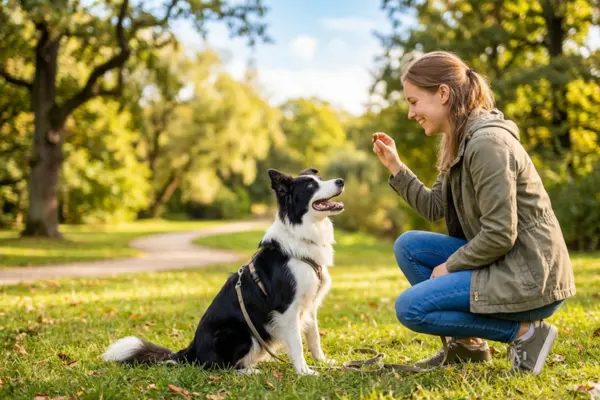
Training a Bullmastiff requires consistency and positive reinforcement to ensure they develop into well-behaved and confident companions. Due to their intelligent yet sometimes stubborn temperament, establishing clear rules and boundaries from the start is crucial. Utilize reward-based methods, such as treats and praise, to reinforce good behavior, which will create a strong bond between you and your Bullmastiff. Remember, patience is key when training a Bullmastiff dog.
Training Tips for Bullmastiff Puppies
Starting early socialization and training with Bullmastiff puppies is essential for their development. Enroll your Bullmastiff puppy in puppy classes to expose them to new environments, people, and other dogs, which is vital for a well-adjusted adult. Focus on basic obedience commands like “sit,” “stay,” and “recall,” using short, fun training sessions to keep your Bullmastiff puppy engaged. This early foundation will prevent common health issues related to behavior down the line.
The Role of a Breeder in Training
A responsible breeder plays a significant role in the initial stages of a Bullmastiff puppy’s training and socialization. Reputable breeders often begin early socialization with their Bullmastiff puppies, introducing them to various stimuli and basic manners before they go to their new homes. They can also provide invaluable advice and resources on training techniques specific to the breed, guiding new owners on how to continue positive reinforcement and address the protective nature of their new family companion.
Conclusion
Summarizing the Bullmastiff Breed
In summary, the Bullmastiff is a magnificent breed, known for its powerful yet docile temperament and unwavering loyalty. As a true gamekeeper’s night dog, they embody the perfect blend of strength and affection, making them excellent family companions and formidable guard dogs. Understanding their physical characteristics, common health concerns like hip dysplasia, and their need for consistent training and early socialization is vital for responsible dog ownership of this large breed.
Final Thoughts on Bullmastiffs
Bringing a Bullmastiff into your home is a significant commitment that promises immense rewards. With their affectionate nature and protective instincts, they quickly become a cherished member of the family. Ensuring proper care, including a balanced diet, moderate exercise, and consistent positive reinforcement training, will lead to a happy, healthy, and well-adjusted Bullmastiff. These powerful dogs thrive on companionship and will offer unwavering loyalty to those who provide it.
Additional Resources: Paw and Breeds and the Dog A-Z Breeds Guide
For those seeking further information on the Bullmastiff or other dog breeds, valuable resources are available to deepen your understanding. Paw and Breeds offers a wealth of knowledge on various dog breeds, including detailed insights into their temperament, care, and facts. Be sure to check out their comprehensive Dog A-Z Breeds Guide, which provides an extensive overview of countless breeds, helping you make informed decisions about your canine companions.
FAQ’s
Q: What exactly is a Bullmastiff dog and where did this breed come from?
A: So the Bullmastiff dog is basically a mix of the Old English Mastiff and the English Bulldog, and it originated in England back in the 1800s. Gamekeepers needed a dog that could silently take down poachers without mauling them to death, so they crossed these two breeds to get something big, brave, and fast enough to catch an intruder but calm enough not to go overboard. That’s literally where the nickname “The Gamekeeper’s Night Dog” comes from!
Q: Is the Bullmastiff recognized by the AKC or other kennel clubs?
A: Yep, totally legit breed! The AKC (American Kennel Club) recognizes the Bullmastiff, and so does the Kennel Club in the UK. There are also dedicated breed club organizations for Bullmastiffs where owners and breeders swap tips, host events, and generally geek out over the breed together. If you’re looking into getting one, checking out a proper breed guide from these clubs is a smart move.
Q: What’s the typical dog personality like for a Bullmastiff?
A: These dogs are total sweethearts once you get to know them, but they’ve got a serious side too. Dog personality wise, expect loyal, protective, and kinda goofy at home, but alert and no-nonsense around strangers. They’re not the type to bark like crazy at every little thing—they’re more the strong, silent type who just quietly keeps an eye on things. Definitely not a “brisk” or hyper breed either; they’re pretty chill movers most of the time.
Q: How does a Bullmastiff compare to an English Mastiff?
A: Great question since people mix these up all the time! The English Mastiff is way bigger and more giant-sized, while the Bullmastiff is a bit more compact and muscular thanks to that Bulldog influence. Bullmastiffs also tend to be quicker and more agile than the massive English Mastiff, which honestly makes sense given their whole “catch an intruder” backstory.
Q: What are the main health considerations for this breed?
A: Like a lot of larger dog breeds, Bullmastiffs come with some potential health issues you should know about. Hip and elbow dysplasia are probably the biggest concerns, so ask breeders for health clearances before buying a pup. They can also be prone to skin fold irritation and infection because of those wrinkly faces, so regular cleaning is a must. Bloat is another thing owners watch out for since they’re a deep-chested breed.
Q: Do Bullmastiffs need a ton of exercise?
A: Not really, surprisingly! These aren’t hyper, bouncing-off-the-walls dogs. A couple of decent walks a day and some playtime is usually enough to keep them happy. They’re not built for marathon running sessions—remember, they’re not exactly “brisk” movers—but they still need consistent activity to avoid getting overweight, which can strain their joints.
Q: How do I choose a good breeder for a Bullmastiff?
A: Always go through a reputable breed club or check kennel club referral lists instead of random online ads. A good breeder should show you health testing results for hip and elbow dysplasia, let you meet the puppy’s parents, and answer any questions honestly. If a breeder seems shady or won’t provide health info, just walk away—there are plenty of responsible kennel operations out there.
Q: Are Bullmastiffs good guard dogs given their gamekeeper history?
A: Absolutely, it’s basically in their DNA! Since they were bred to stop an intruder without excessive violence, they’ve got this natural instinct to protect their family while still being controllable. They’re watchful, courageous, and will definitely stand their ground if they sense danger, but they’re not aggressive for no reason. Proper training and socialization just help polish those natural instincts.
Q: What kind of grooming does a Bullmastiff need?
A: Honestly, grooming is pretty low-maintenance compared to fluffier breeds. They’ve got short coats, so a weekly brush is usually plenty to manage shedding. The real attention needs to go to their facial wrinkles and skin folds though, since those areas can trap moisture and lead to irritation and infection if you’re not cleaning them regularly. Also don’t forget nail trims and ear checks!
Q: Is a Bullmastiff a good choice compared to other dog breeds for families?
A: Honestly, yeah, they can be awesome family dogs if you’ve got the space and experience with larger breeds. Compared to a lot of other dog breeds, they’re known for being patient and gentle with kids they know, plus super loyal to their people. Just keep in mind their size means training and socialization early on is super important, so they grow into well-mannered adults instead of accidentally knocking over your toddler while being friendly!