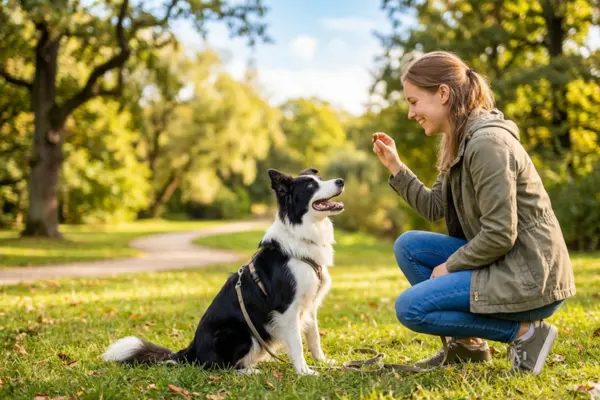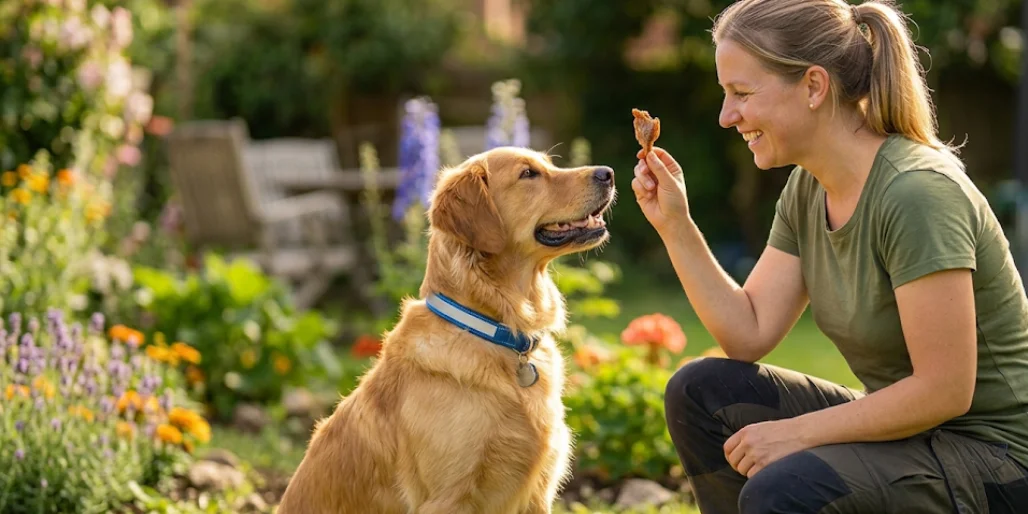
Welcome to the Paw and Breeds Guide to force-free dog training, where we delve into the world of humane and effective methods for building a strong bond with your canine companion. This guide will help dog owners understand the principles and benefits of positive reinforcement, ensuring a happy and well-behaved dog without the use of harsh techniques.
What is Force-Free Dog Training?
Have you ever wondered if there’s a better way to communicate with your furry friend than through intimidation or discomfort? Force-free dog training is all about teaching your dog new behaviors and modifying unwanted ones without resorting to aversive methods. It’s a philosophy that prioritizes the dog’s well-being and builds trust between the dog and trainer, fostering a positive learning environment.
Definition of Force-Free Training
Force-free training, often synonymous with positive reinforcement training, is an ethical approach to dog training that strictly avoids the use of pain, fear, or intimidation. Instead of using force or aversive tools like shock collars or choke chains, a force-free trainer focuses on rewarding desired behaviors, making learning a positive and enjoyable experience for your dog. This humane method ensures that the dog’s behavior is shaped through motivation rather than punishment.
Benefits of Force-Free Dog Training
The benefits of embracing force-free dog training methods are extensive and truly transformative for both dog and owner. This approach not only builds a stronger, more trusting relationship with your dog but also offers several key advantages:
- Helps prevent behavioral issues like aggression or fear that can arise from aversive methods.
- Fosters a confident and happy canine companion, reducing stress for everyone involved.
Key Principles of Positive Reinforcement
At the heart of force-free dog training lies the principle of positive reinforcement. This means that when your dog exhibits a desired behavior, they receive a reward, such as a treat, praise, or a favorite toy. This immediately strengthens the likelihood of the behavior being repeated, making it a powerful tool for teaching new commands or modifying a reactive dog’s responses to triggers. Understanding and consistently applying these principles is crucial for effective dog training.
For a deeper dive into all training approaches, explore our comprehensive dog training guide covering everything from basic obedience to advanced behavior modification.
How Does Force-Free Training Work?
Understanding Dog Behaviour
Understanding dog behavior is fundamental to effective force-free dog training. It involves careful observation and interpretation of various aspects of your canine companion’s demeanor, including:
- Their body language
- Triggers that might cause unwanted behaviors
- Their natural instincts
A good force-free trainer will help dog owners interpret these cues, allowing for a more empathetic and successful training program that focuses on positive training rather than aversive methods or punishment.
The Role of Rewards in Training
Rewards are the cornerstone of force-free dog training and positive reinforcement. When your dog exhibits a desired behavior, providing an immediate and high-value reward, whether it’s a tasty treat, enthusiastic praise, or a favorite toy, strengthens the association between the action and the positive outcome. This reward-based training makes the learning process enjoyable and encourages your dog to repeat the desired behavior willingly, leading to lasting results without using force.
Common Force-Free Training Techniques
Force-free training utilizes a variety of humane techniques to shape your dog’s behavior. Instead of relying on a shock collar or other aversive tools, these dog training methods focus on clear communication and positive reinforcement to teach everything from basic obedience to addressing more complex behavioral issues in a reactive dog, ensuring a stress-free learning environment. These techniques often include:
- Clicker training
- Lure-and-reward
- Capturing desired behaviors as they happen naturally
Why Choose a Force-Free Dog Trainer?
Qualities of a Good Dog Trainer
When selecting a dog trainer, look for qualities that prioritize your dog’s well-being and a humane approach. A good force-free trainer will possess excellent observational skills, patience, and a deep understanding of dog behavior and learning theory. They should be able to clearly explain their training methods, provide ongoing support, and demonstrate a commitment to using only positive reinforcement training, never resorting to intimidation or aversive techniques.
Finding a Certified Force-Free Trainer
Finding a certified force-free dog trainer is crucial for ensuring you receive expert guidance grounded in ethical practices. Organizations like the Certification Council for Professional Dog Trainers (CCPDT) offer certifications that verify a trainer’s knowledge and commitment to force-free training methods When searching, ask about their certifications, experience with similar cases to your dog, and their philosophy on dog training to ensure they align with the principles of positive reinforcement and avoid aversive methods.
Building a Trusting Relationship with Your Trainer
Building a trusting relationship with your force-free dog trainer is key to the success of your dog training journey. This collaboration ensures that both you and your dog feel supported and understood throughout the process. An excellent dog trainer will empower dog owners with the knowledge and skills to continue positive training at home, strengthening the bond between you and your canine while effectively addressing any unwanted behaviors without using force.
Can Force-Free Training be Effective for All Dogs?
Many dog owners wonder if force-free training methods can genuinely address all types of dog behavior and if a force-free trainer can handle every canine. It’s a valid question, as some people believe that certain severe behavioral issues or specific dog breeds might require a more “firm” approach. However, the truth is that force-free training, rooted in positive reinforcement, offers a highly adaptable and effective framework for nearly every dog, regardless of their background or current challenges.
Addressing Specific Behavioural Issues
Force-free training is remarkably effective in addressing a wide range of specific behavioral issues, from minor nuisances to serious concerns like aggression or reactivity. A skilled force-free trainer will focus on understanding the root cause of the unwanted behavior, rather than just suppressing the symptoms. By identifying triggers and using positive reinforcement to teach alternative, desirable behaviors, problems such as excessive barking, leash pulling, or fear-based aggression can be systematically and humanely modified, without resorting to aversive methods or a shock collar.
Adapting Training for Different Breeds
Just as every dog is an individual, force-free training methods can be adapted to suit different dog breeds and their unique characteristics. Whether you have a high-energy working dog, a sensitive companion breed, or a stubborn terrier, a force-free trainer will tailor the training program to align with the canine’s natural instincts and learning style. This personalized approach ensures that the training is not only effective but also enjoyable for the dog, promoting a strong bond through positive training and mutual understanding.
Success Stories from the Force-Free Trainers Network
The force-free trainers network is filled with countless success stories that debunk the myth that force is ever necessary in dog training. From reactive dogs who learned to walk calmly on a leash, to rescue dogs overcoming past trauma and finding confidence, these narratives highlight the transformative power of positive reinforcement. These testimonials often speak to the profound impact of humane, reward-based training on a dog’s overall well-being and the strengthened relationship between dog owners and their beloved pets, demonstrating that positive training truly works.
What Should be Included in a Force-Free Training Program?
When embarking on a force-free training journey, it’s essential to understand what a comprehensive and effective program entails. It’s more than just handing out treats; it involves a structured approach that prioritizes the dog’s welfare and promotes lasting behavioral change through positive reinforcement. A well-designed force-free dog training program, guided by an experienced force-free trainer, focuses on building skills and confidence in both the dog and the dog owner, moving away from any form of intimidation.
Creating a Customized Training Plan
A successful force-free training program always begins with a customized training plan. A good force-free trainer will assess your dog’s individual behavior, history, and your specific goals, crafting a plan that targets particular areas like leash manners, impulse control, or addressing a reactive dog’s tendencies. This personalized approach ensures that the positive training methods are most effective for your canine, avoiding generic solutions and focusing on what truly benefits your dog and strengthens your bond without using force.
Incorporating Positive Reinforcement Strategies
At the core of any force-free dog training program is the strategic incorporation of positive reinforcement strategies. This means consistently rewarding desired behavior with high-value treats, praise, or play, making learning a joyful experience for your dog. Beyond basic commands, these strategies are crucial for behavior modification, helping to teach a puppy appropriate social skills or desensitize a reactive dog to their triggers, all while avoiding aversive methods and promoting a humane training environment where the dog feels safe and motivated.
Monitoring Progress and Adjusting Techniques
An effective force-free training program isn’t static; it involves continuous monitoring of your dog’s progress and the willingness to adjust techniques as needed. Your force-free trainer will guide you in observing your dog’s body language, celebrating small victories, and identifying areas that might require a different approach or more practice. This iterative process ensures that the training program remains tailored to your dog’s evolving needs, providing ongoing support and fine-tuning to achieve the best possible outcomes through positive training and open communication, without resorting to punishment.