Are you curious about the German Pinscher? This comprehensive guide covers everything you need to know about this fascinating breed, from its rich history and distinctive temperament to essential care tips. We’ll explore why these intelligent, energetic dogs make wonderful companions for the right families.
Overview of the German Pinscher
This captivating breed is known for its elegant appearance and lively personality. Originating from Germany, this medium-sized dog possesses a strong will and an alert nature, making it a natural watchdog. Intelligence and eagerness to please, combined with an athletic build, contribute to its versatility in dog sports and other activities.
History and Origins
Tracing its roots back several centuries in Germany, this is one of the oldest German breeds, sharing common ancestry with the Doberman Pinscher and Miniature Pinscher. Originally bred as ratters and farm dogs, these fearless dogs were highly valued for keeping vermin populations in check. Early breeders focused on developing a robust, intelligent dog with a keen prey drive.
Physical Characteristics
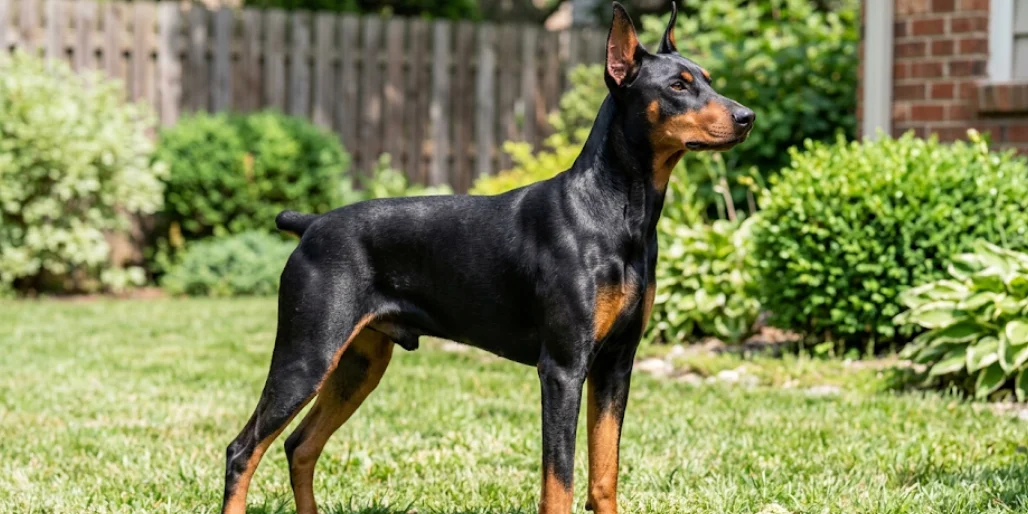
A medium-sized dog with a muscular, athletic build, evident in a powerful stride and agile movement that reflects its working-dog heritage. A sleek, short coat comes in a range of colors.
| Characteristic | Details |
|---|---|
| Weight | 25 to 45 pounds |
| Height | 17 to 20 inches |
| Coat Colors | Black and tan, red, stag red, and fawn |
Breed Standard
The standard emphasizes a well-balanced, elegant appearance showcasing a strong, healthy dog. Key features include:
- An alert, intelligent expression
- A strong, level back
- Well-muscled legs
Temperament should be lively, confident, and fearless, without any sign of shyness or aggression. Adherence to the standard ensures soundness for future generations. For more information, explore the Dog A-Z Breeds Guide by Pawandbreeds.
Temperament
Personality Traits
German Pinscher carries a dynamic personality that’s both fearless and confident, making for a truly engaging companion. Known for high intelligence and a spirited nature, it’s always alert and ready for action. A strong will and natural curiosity mean it thrives with consistent training and plenty of mental stimulation.
Interactions with Families
These dogs are deeply loyal and affectionate with their families, forming strong bonds with their human companions. Playful and loving as they can be, a strong prey drive and energetic nature mean they do best in homes offering plenty of early socialization. Introducing them to various people and situations helps them become well-adjusted family members.
Behavioral Considerations
While generally well-behaved with proper training, this breed can show certain tendencies tied to its active, intelligent nature, and it thrives on consistent training with positive reinforcement. Worth keeping in mind:
- It can become bored or destructive without enough physical activity and mental stimulation.
- Natural watchfulness can make it reserved with strangers, so early socialization matters.
Care and Maintenance
Grooming Needs
This is a wonderfully low-maintenance breed to groom. The sleek, short coat needs minimal effort, typically just weekly brushing to remove loose hair and maintain its shine. Regular nail trims and dental care round out a good routine.
Exercise Requirements
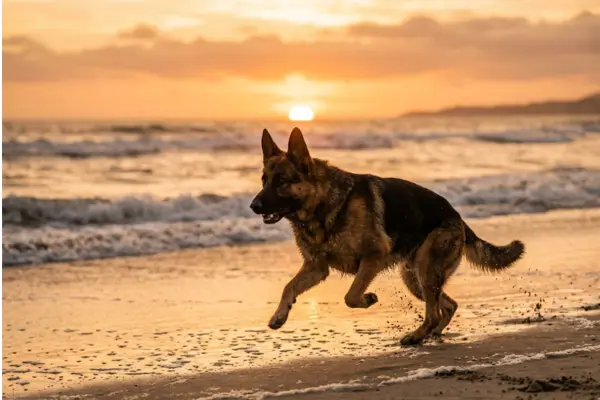
As an energetic breed, it has significant exercise needs to stay happy and healthy. Daily opportunities to run, play, and explore suit active individuals or families well. Dog sports like agility and obedience, or simply long walks and hikes, help channel that energy and prevent boredom.
Mental Stimulation and Enrichment
Beyond physical exercise, mental stimulation is essential for adult dogs of this breed. Sharp minds need challenges to avoid boredom and destructive behavior. Puzzle toys, training sessions, new tricks, and scent work all keep an intelligent brain happily occupied.
Training and Socialization
Basic Training Techniques
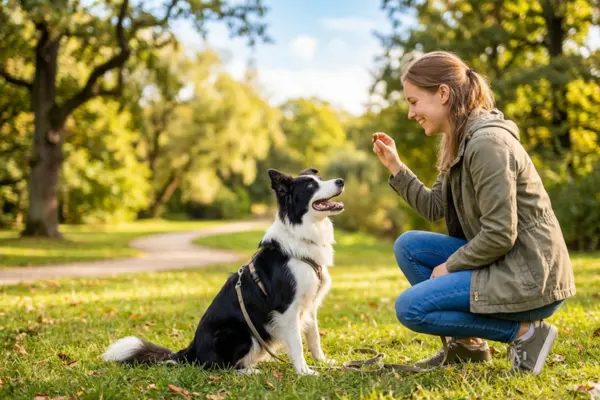
Training is a rewarding experience, since these intelligent dogs respond exceptionally well to consistency and positive reinforcement. Start basic obedience commands like sit, stay, and come early to build a strong foundation. An eager-to-please nature paired with a sharp mind means new concepts click quickly, making sessions enjoyable for both dog and owner.
Importance of Early Socialization
Early socialization is crucial to ensure a well-adjusted, confident adult. Exposing puppies to a wide range of sights, sounds, people, and other friendly dogs from a young age builds strong social skills, preventing behavioral issues and supporting a sound temperament.
Working with Breeders
Choosing a reputable breeder is a vital step. A good breeder prioritizes health and temperament, running screenings for conditions like hip dysplasia, von Willebrand’s disease, or cataracts, and offers valuable insight into the breed’s unique needs and characteristics.
Conclusion
Final Thoughts
This is a truly magnificent, versatile breed, blending elegance, intelligence, and boundless energy. Fearless, loyal, and energetic, it thrives as a cherished family member with proper care, consistent training, and ample socialization. Its temperament and low-maintenance grooming make it a joy to live with.
Recommended Resources
For more on this breed and its wellbeing, consulting your vet for health advice, joining breed-specific clubs, and exploring reputable breed information sites all provide valuable guidance.
Pawandbreeds and Dog A-Z Breeds Guide
For further comprehensive information, explore Pawandbreeds’ Dog A-Z Breeds Guide, offering in-depth details on breed standards, temperament, and care for both prospective and current owners.
FAQ
Q: What exactly is a German Pinscher, and where did this breed come from?
A: It originated in Germany, bred as an all-purpose farm dog: ratter, guardian, and companion rolled into one medium-sized package. The short version: an old European working breed that’s smart, sturdy, and full of personality.
Q: What does the Kennel Club say about the breed standard?
A: A medium-size, square-proportioned dog with a smooth, sleek coat and a confident, alert expression. Breeders and judges look for balance, no exaggerated features, just a well-built, athletic dog that looks like it could work all day on a farm. The standard also covers coat color, gait, and temperament.
Q: Is this breed good with children and families?
A: Generally yes, especially well-socialized dogs raised around kids from puppyhood. They tend to be loyal and playful with their own family, though natural guarding instinct can make them a bit wary of strangers or unfamiliar kids, so early socialization matters. Never leave any dog unsupervised with very young children, but with proper upbringing this breed can be a great family companion.
Q: Is it a high-energy breed?
A: Absolutely, high-energy through and through. Daily exercise, mental stimulation, and a job to do (even if that job is fetching a ball for the hundredth time) are non-negotiable. Bored dogs of this breed can get destructive.
Q: What’s the deal with ear cropping in this breed?
A: In some countries ears may be cropped to stand upright, traditionally done for working purposes, though the practice is banned or heavily restricted in many places over welfare concerns. Plenty today have natural, uncropped, folded ears and look just as handsome. It depends on where you live and local regulations.
Q: How trainable is this breed?
A: A fun challenge, since it’s intelligent but also an independent thinker that wants to know what’s in it for it, not just blind obedience. Positive reinforcement, consistency, and an early start are key. Once you crack the code, it’s actually quite responsive and eager to learn.
Q: What health conditions should I watch out for?
A: Hereditary conditions like hip dysplasia, heart issues, and eye problems can show up. Regular vet checkups and a reputable breeder who screens for these issues make a big difference. Supporting joint health with proper nutrition, exercise, and supplements like omega-3s can help well into the senior years.
Q: Do these dogs make good guard dogs?
A: Yes, natural guarding instinct is pretty strong given their history as farm protectors. Alert, vocal when needed, and protective of family and territory, though this doesn’t mean aggressive: a well-socialized dog knows the difference between an actual threat and the mail carrier.
Q: What should I feed this dog for optimal health?
A: A balanced diet with high-quality protein is essential for this active breed. Many owners add omega-3 fatty acids to support skin, coat, and joint health, especially as joint health becomes more important with age. Always check with your vet about portion sizes and specific needs based on age, weight, and activity level.
Q: Is this the same as a Doberman or Miniature Pinscher?
A: Nope, a common mix-up. Related and sharing some ancestry, but its own distinct breed, not a mini Doberman or a bigger Min Pin. Medium-sized, historically bred for farm work, with its own unique standard recognized by the kennel club.