If you’re looking for an intelligent, loyal, and imposing companion, the Giant Schnauzer might be the perfect fit. This comprehensive guide walks you through everything you need to know about this remarkable breed, from its history and temperament to essential care tips, so you’re well prepared for life with one.
Understanding the Giant Schnauzer
Overview of the Breed
This truly magnificent large breed is known for its imposing presence and distinctive appearance. Understanding its general characteristics is the first step for anyone considering one. Not your average large dog, it’s powerful, intelligent, and possesses a unique charm.
History and Origin
Originating in Bavaria, Germany, as a working dog, it was initially bred to drive cattle and guard property. Developed from the Standard Schnauzer, possibly crossed with other working breeds like the Bouvier des Flandres or Great Dane, its history as a dedicated working dog speaks to its inherent drive and intelligence.
Characteristics
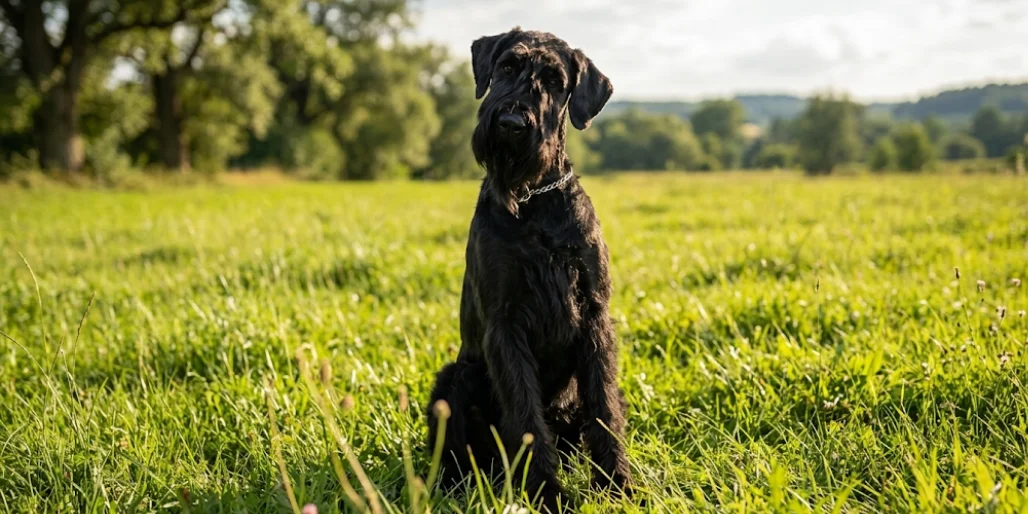
Easily recognizable by a wiry double coat, usually solid black or salt and pepper. The breed standard highlights a robust, nearly square build, an intelligent expression, and a distinctive beard and eyebrows, all contributing to an imposing yet noble appearance that sets it apart from other large breeds.
Temperament and Behavior
Personality Traits
Often described as intelligent, loyal, and protective, this dog forms strong bonds with its family, making it an excellent companion, though a strong will requires consistent training from a young age. Its personality traits make it a superb guard dog, always alert and ready to protect loved ones.
Socialization Needs
Early and thorough socialization is crucial for Giant Schnauzers. Exposing a Giant Schnauzer puppy to various people, places, and other dogs helps them develop into well-adjusted adults. Proper socialization prevents potential behavioral issues and encourages a balanced temperament, ensuring your Giant Schnauzer is comfortable and confident in different situations.
Working Dog Attributes
As a true working breed, it excels in various dog sports and activities. Intelligence and eagerness to please make it highly trainable for tasks from obedience to protection work, including roles with police and military forces. Regular mental and physical exercise is essential to channel these working-dog instincts.
Care and Grooming
Grooming Requirements
Grooming requires dedication due to that distinctive wiry double coat. Regular brushing prevents matting and removes loose hair, but the coat also needs professional stripping or clipping every few months to maintain its texture and appearance. The iconic beard and eyebrows need frequent cleaning too, to keep them sharp and free of food or dirt buildup.
Feeding and Nutrition
Providing a balanced diet is crucial for your Giant Schnauzer, a large breed with significant energy needs. High-quality dog food, appropriate for their age, activity level, and size, will support their overall health and well-being. Always ensure fresh water is available, and consult with your veterinarian about specific dietary requirements or supplements, especially during the Giant Schnauzer puppy stage.
Exercise Needs and Activities
As a working dog, this breed has high exercise needs. It thrives on regular physical activity, including long walks, runs, and engaging play sessions. Mental stimulation matters just as much, so dog sports, obedience training, and puzzle toys keep an intelligent mind challenged. Consistent exercise prevents boredom and potential behavioral issues.
Health Considerations
Common Health Issues
Like many large breeds, this dog can be prone to certain breed-specific health issues, including hip and elbow dysplasia, certain cancers, and bloat. Understanding these potential challenges supports early detection and management for a long, healthy life. Regular vet check-ups are key.
Preventive Care and Veterinary Visits
Consistent preventive care and routine vet visits are paramount, including regular vaccinations, parasite control, and annual check-ups to catch emerging concerns early. A good relationship with your vet, and following their guidance on a health regimen, contributes significantly to longevity.
Maintaining a Healthy Lifestyle
A combination of proper nutrition, adequate exercise, and regular veterinary care keeps this dog at its best. A balanced diet and plenty of activity help maintain healthy weight and strong muscles, while mental stimulation keeps an intelligent mind sharp. This lifestyle is the best defense against common health issues.
Getting One
Finding a Reputable Breeder
Finding a reputable breeder is paramount to bringing home a healthy, well-socialized puppy. A responsible breeder prioritizes health and temperament, runs necessary screenings, and provides a clean, stimulating environment for puppies, while being transparent about breed characteristics and health history.
Adoption Options
Adoption through rescue organizations or local shelters specializing in the breed is another route. Adopting an adult can be wonderfully rewarding, often providing a dog that’s already house-trained and past the challenging puppy stage. These organizations work to find loving homes regardless of age or background.
Preparing Your Home
Preparing your home involves more than a new dog bed; it’s about creating a safe, stimulating environment for this large breed. Secure fencing and plenty of exercise space matter given its working-dog nature, and puppy-proofing plus appropriate training tools set you up for success.
Conclusion
Final Thoughts
Giant Schnauzer is an exceptional choice for experienced owners who can provide consistent training, ample exercise, and dedicated socialization. Loyalty, intelligence, and protective instincts make for an incredible companion and guard dog. Understanding its unique temperament and commitment to care, from coat grooming to specific health needs, ensures a rewarding relationship.
Resources for Owners
The Giant Schnauzer Club of America is an excellent starting point, offering breed-specific information, breeder directories, and health guidelines. Connecting with other enthusiasts through local clubs or online forums provides invaluable advice on training, grooming, and veterinary care.
About PawandBreeds
PawandBreeds is your ultimate destination for comprehensive dog breed information, and within our Dog A-Z Breeds Guide, you’ll find detailed insights into a vast array of breeds, including the magnificent Giant Schnauzer. We are committed to providing accurate and helpful resources to assist you in understanding and caring for your canine companions, ensuring you have all the essential details at your fingertips.
FAQ
Q: What’s the deal with the breed’s characteristics anyway?
A: A large, powerful dog that basically looks like a Standard Schnauzer that hit the gym for a few years. Height at the withers usually falls between 23.5 and 27.5 inches, in two main colors: solid black or salt-and-pepper. V-shaped ears (though some owners still crop them, a debate on its own), black lips, and that classic bushy beard and eyebrows giving a wise-old-man vibe. Built like it means business.
Q: Is health something I should worry about?
A: Like most large breeds, yes, some things to watch. Issues can include hip dysplasia, progressive retinal atrophy (affecting eyesight over time), and some cases of squamous cell carcinoma. Certain DLA class II markers are also linked by researchers to autoimmune conditions. None of this means a dog is doomed, but it’s smart to know the risks upfront so you can catch things early.
Q: Should I get pet insurance for this breed?
A: Probably yes. Given potential risks like joint issues and eye problems, insurance can save a lot of stress and cash down the line. Vet bills for large breeds add up fast, especially if something breed-specific pops up.
Q: How much exercise and training does this breed actually need?
A: A lot. Not a couch potato dog. It’s basically an oversized terrier with brains and energy to spare, needing daily walks, mental stimulation, and structured training sessions. It needs a job, whether that’s agility, obedience work, or even chores around the house. Without an outlet, boredom leads to destructiveness.
Q: Are they good family dogs, or too intense?
A: They can absolutely be amazing family dogs. Despite the tough exterior, they’re known for being affectionate with their people, intelligent and loyal enough to bond hard with family, though a bit reserved with strangers. Not aggressive by nature, just naturally protective: a cuddle buddy and a guardian in one.
Q: What does the kennel club say about this breed’s information?
A: Any major kennel club has official standards covering coat color, temperament, and structure, useful if you’re planning to show or just want to understand a “correct” specimen. Standards usually mention v-shaped ears, black lips, correct height at the withers, and the classic solid black or salt-and-pepper coloring. If buying from a breeder, ask if their dogs are kennel registered and bred to standard.
Q: Do they get along with other pets and Standard Schnauzers?
A: Generally yes, especially with early socialization. They can live alongside Giant Schnauzers or other dogs without issue, though the size difference is funny to watch. With small pets like cats, it depends on the individual dog’s prey drive, so early introductions matter.
Q: Should I crop the ears or dock the tail?
A: A hot topic. Traditionally breeders cropped ears and docked tails for a certain look, but the practice is now banned or restricted in many countries over animal welfare concerns. Most today keep natural v-shaped ears and a full tail, and honestly look just as majestic that way. Always check local laws before considering it.
Q: What kind of care routine keeps body and mind healthy?
A: Consistency is key. Regular grooming (that wiry coat needs brushing and occasional stripping), a solid exercise routine, and mental enrichment activities keep body and mind in balance. Add regular vet checkups to monitor breed-specific health risks, and you’ve got a genuinely happy, well-rounded dog.