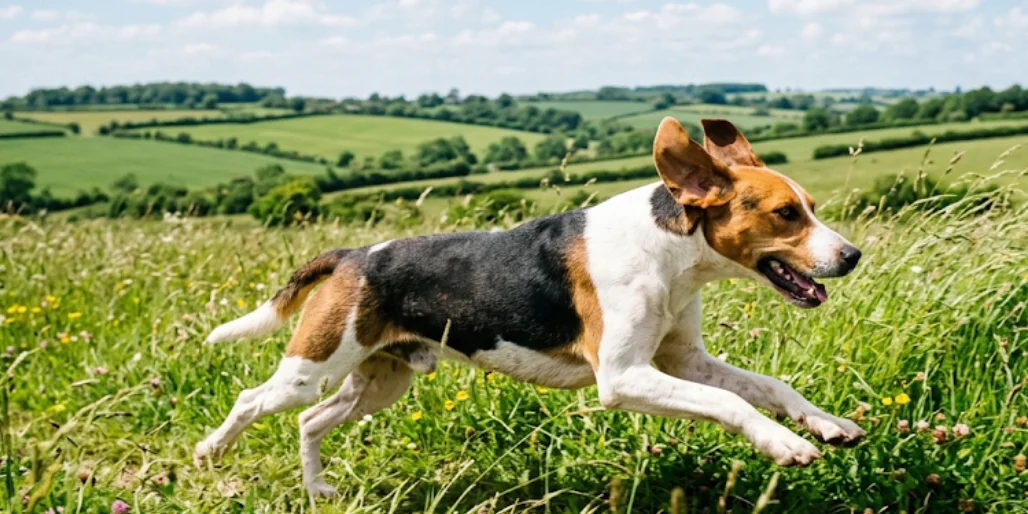
Welcome to our Harrier Dog Breed Guide, where we’ll explore everything you need to know about this charming and often overlooked hound. If you’re considering adding a Harrier to your family, or simply curious about this fascinating breed, you’ve come to the right place.
Overview of the Harrier Breed
The Harrier is a medium-sized scent hound that closely resembles a larger beagle or a smaller version of the English Foxhound. Originally bred for hunting hare, this dog breed boasts a rich history and a distinctive set of characteristics that make it unique among hounds. The Harrier dog is known for its incredible stamina and excellent nose.
History of the Harrier Dog
The Harrier’s history is deeply rooted in hunting traditions, with the breed being developed primarily in England to hunt hare. This hunting breed’s name itself, “Harrier,” directly references its original purpose. While the exact origins are debated, it’s believed to be a cross between several hounds, potentially including the Bloodhound, Greyhound, and even early versions of the English Foxhound. The American Kennel Club (AKC) officially recognized the Harrier breed in 1885, a significant milestone for the breed.
Physical Characteristics of the Harrier
The Harrier is a robust, athletic, and well-balanced dog. A typical description of a Harrier includes a strong, muscular body built for endurance and speed over varied terrain. They usually stand between 19 and 21 inches tall at the shoulder, fitting neatly between the Beagle and the Foxhound in terms of size. Their coat is typically short, dense, and weather-resistant, often found in tricolor (black, tan, and white) or lemon and white patterns.
Common Health Issues in Harrier Dogs
Like many purebred dogs, the Harrier breed can be predisposed to certain health conditions, although they are generally a healthy and hardy breed. Prospective owners should be aware of potential issues such as hip dysplasia, a common orthopedic condition in many medium to large dog breeds. Epilepsy has also been noted in the breed, so it’s essential to choose a reputable breeder who screens their breeding stock for these conditions to ensure the health and welfare of a Harrier puppy.
Temperament and Behavior of the Harrier
The Harrier possesses a delightful temperament, characterized by its outgoing and friendly nature. As a pack dog, they thrive on companionship and are typically very sociable, making them wonderful additions to active families. Their intelligence and eagerness to please, combined with their scent hound instincts, mean they require consistent training and mental stimulation to prevent boredom.
Personality Traits of Harrier Dogs
Harrier dogs are renowned for their cheerful and inquisitive personalities. They are often described as spirited, playful, and affectionate with their families. This breed’s hunting heritage means they have a strong prey drive and an excellent nose, which can lead them to follow interesting scents. Their outgoing nature makes them generally welcoming of strangers once properly introduced.
Are Harriers Good with Kids?
Yes, Harriers are generally very good with children, particularly if raised with them from a young age. Their patient and playful demeanor makes them excellent companions for active kids who understand how to interact respectfully with dogs. However, due to their energetic nature, supervision is always recommended, especially with very young children, to ensure positive interactions for both the dog and the child.
Socialization Tips for Harrier Dogs
Early and consistent socialization is crucial for a Harrier dog breed. Exposing a Harrier puppy to a variety of sights, sounds, people, and other well-behaved dogs from a young age will help them develop into well-adjusted adults. Enrolling in puppy classes and continuing with obedience training helps harness their intelligence and ensures they learn appropriate social behaviors. Given their pack dog instincts, they typically enjoy the company of other dogs.
Grooming and Care for Harrier Dogs
Harrier Grooming Needs
The Harrier dog breed, with its short and dense coat, is relatively low-maintenance when it comes to grooming, which is a big plus for busy families. While they don’t require extensive salon visits, regular attention to their basic needs will keep your Harrier looking and feeling their best. Understanding these needs is key to maintaining the overall health and welfare of your hound.
Coat Maintenance for the Harrier Breed
To maintain the health of your Harrier’s coat, a weekly brushing with a rubber curry brush or a shedding blade is usually sufficient to remove loose hair and keep their coat shiny. While a Harrier does not require frequent bathing, an occasional bath when they get particularly dirty from their outdoor adventures will keep them clean. Given their energetic nature, they can certainly find ways to get muddy!
Feeding and Nutrition for Harrier Dogs
Proper feeding and nutrition are vital for the active Harrier dog. A high-quality dog food formulated for medium-sized, active breeds is essential. The specific amount will depend on your individual Harrier’s age, activity level, and metabolism, so always consult with your vet or breeder for personalized advice. Ensuring a balanced diet supports their robust health and stamina.
Exercise Needs of the Harrier Dog
Daily Exercise Requirements
The Harrier is a true working hound, and as such, has significant daily exercise requirements. These dogs were bred for hunting hare for hours on end, so they thrive on vigorous activity. Aim for at least 60-90 minutes of dedicated exercise daily, which can be broken into multiple sessions. Without adequate exercise, a Harrier can become bored and potentially destructive.
Activities and Training for Harrier Dogs
Harriers excel in activities that engage both their bodies and their sharp minds. Long walks, runs, hikes, and off-leash play in a securely fenced area are all excellent options. They also enjoy dog sports such as agility, obedience, and especially scent work, which taps into their natural instincts as a scent hound. Consistent and positive reinforcement training is crucial for this intelligent breed.
Understanding Harrier Energy Levels
Understanding the Harrier’s energy levels is paramount for prospective owners. This is not a dog breed content to be a couch potato; their outgoing and spirited temperament demands an active lifestyle. If you’re considering getting a Harrier, be prepared to commit to providing ample opportunities for them to burn off their energy, making them a joyful and well-behaved member of your family.
Additional Resources and Tips
Breeding and Finding a Harrier
If you’re considering adding a Harrier to your family, finding a reputable breeder is paramount to ensure the health and welfare of your Harrier puppy. The American Kennel Club (AKC) website or the Harrier Club of America can be excellent resources for locating ethical breeders who adhere to the breed standard and screen their dogs for common health issues like hip dysplasia and epilepsy. A good breeder will be transparent about the lineage and health clearances of their Harrier dogs.
Training Techniques for Harrier Dogs
Training a Harrier requires patience, consistency, and a deep understanding of their scent hound nature. These intelligent and outgoing dogs respond best to positive reinforcement techniques. Early socialization and puppy classes are crucial to harness their pack dog instincts. Given their strong prey drive, recall training is especially important, and many Harriers excel in dog sports like obedience and agility, which provide mental and physical stimulation.
Visit the Dog A-Z Breeds Guide for More Information
For those eager to delve deeper into the world of dog breeds, including more about the Harrier and other fascinating hounds, be sure to check out our comprehensive dog breeds guide. It offers a wealth of information on various breeds, their histories, temperaments, and specific care requirements, helping you make an informed decision about your next canine companion.
Conclusion
Final Thoughts on the Harrier Breed
The Harrier is a magnificent and spirited dog breed, embodying the true essence of a working hound. Their energetic nature, combined with an affectionate and outgoing temperament, makes them a wonderful addition to active families. While their significant exercise needs and strong scent drive require a dedicated owner, the joy and companionship a Harrier brings are immeasurable, truly making them a unique and rewarding breed.
Why Choose a Harrier Dog?
Choosing a Harrier dog means embracing a life filled with adventure, loyalty, and boundless energy. If you’re an active individual or family looking for a medium-sized companion who loves to explore, is good with kids, and thrives on being part of the action, the Harrier might just be the perfect match. Their playful nature and robust health, when sourced from a responsible breeder, promise many years of happy companionship.
Explore More with Pawandbreeds
We hope this Harrier breed guide has provided valuable insights into this charming dog. For more in-depth information on a wide array of dog breeds, their care, and training, continue exploring the extensive resources available at Pawandbreeds.
FAQ’s
Q: What exactly is a Harrier dog, and where does this hunting breed come from?
A: The Harrier was originally bred in England as a scent hound used for hunting hare in packs, hence the name. Some folks trace its roots back to the Talbot Hound, an old European breed that also helped shape other scent hounds. It’s basically a smaller cousin to the English Foxhound, and there’s a fun bit of history where the English poet William Somervile actually wrote about hunting with harrier packs way back in the day. So this breed has centuries of hunting heritage behind it.
Q: Is the Harrier just a mix of Beagle and English Foxhound?
A: This is one of those persistent myths! While the Harrier does look like it could be a blend of a Beagle and English Foxhound (it’s basically sized right in the middle of the two), that’s not actually confirmed history. The breed developed on its own path, though it obviously shares common ancestry with other scent hounds. Genetically speaking, they’re their own distinct breed, not some designer mix.
Q: When did the American Kennel Club recognize the Harrier breed?
A: The American Kennel Club recognized the Harrier way back in 1885, making it one of the older breeds in their registry. Interestingly, despite that early recognition, the breed club and overall popularity never really took off in the US the way other hounds did. If you want to learn more about the Harrier’s official status, the AKC still lists it, just don’t expect to see many at your local dog park since they’re pretty rare stateside.
Q: What does a typical Harrier look like?
A: Harriers have that classic hound look. They usually come in white and tan or red and white color combos, with sturdy muscular bodies built for stamina rather than speed. Their build is often described as slightly longer than tall, giving them a balanced, athletic silhouette. Ears are floppy and hang close to the head, and the tail (sometimes called a “stern” in hound terms) is typically carried up but not curled over the back like some other breeds you might see.
Q: Do Harriers need a lot of exercise since they’re a pack hound?
A: Oh yeah, big time. Harrier needs are pretty high when it comes to physical activity since they were literally bred to work all day chasing scents across fields. These dogs have serious stamina and need plenty of exercise daily, we’re talking long walks, runs, or off-leash time if it’s safe. An under-exercised Harrier can get destructive, vocal, and honestly kind of miserable, so this isn’t the breed for a couch potato lifestyle.
Q: What’s the deal with Harrier packs and their pack mentality?
A: Harriers were traditionally kept in harrier packs for group hunts, usually chasing fox or hare across the countryside. This pack history means they’re super social dogs who genuinely thrive with company, whether that’s other dogs or their human family. Because of this pack hound background, they don’t love being left alone for long stretches. If you’re only getting one dog, be prepared to be their whole social world, or consider a second dog for companionship.
Q: Do I need a securely fenced yard for a Harrier?
A: Absolutely, and this is non-negotiable. Since Harriers are a scent hound breed with hunting instincts baked into their DNA, they will absolutely take off after an interesting smell (or an actual fox, squirrel, or rabbit) if given the chance. A securely fenced yard is essential because their nose basically overrides their recall training once they catch a scent. Even well-trained Harriers can go deaf to commands mid-chase, so don’t risk off-leash time in unfenced areas.
Q: What are Harriers like in terms of health and temperament?
A: Good news here! When it comes to health and temperament, Harriers are generally a pretty robust breed with minimal genetic issues compared to a lot of purebred dogs, largely because they weren’t overbred for looks. Temperament-wise, they’re friendly, outgoing, and great with kids and other dogs thanks to their pack hound upbringing. They can be a bit stubborn though, since independent thinking was actually useful when they were tracking fox or hare without constant human direction.
Q: Is the Harrier a good family pet or strictly a hunting breed?
A: While they’re historically a hunting breed used for hunting in organized packs, plenty of Harriers today live as regular family pets. They’re affectionate, good-natured, and generally get along great with kids. That said, you’ve got to respect their exercise needs and prey drive, so families who are active and can commit to daily walks or runs tend to be the best fit. Don’t expect a low-energy lap dog!
Q: Where can I find a reputable breeder or rescue for a Harrier?
A: Since Harriers are pretty rare, especially in the US, your best bet is to search for a breed club dedicated to the Harrier for referrals to responsible breeders. National kennel clubs, including the one that recognized the Harrier breed officially, often have breeder directories on their websites. Rescue is another great option, though you might need patience since breed-specific rescues for Harriers aren’t as common as for popular breeds. Networking through hound-focused rescue groups can also help you track one down.