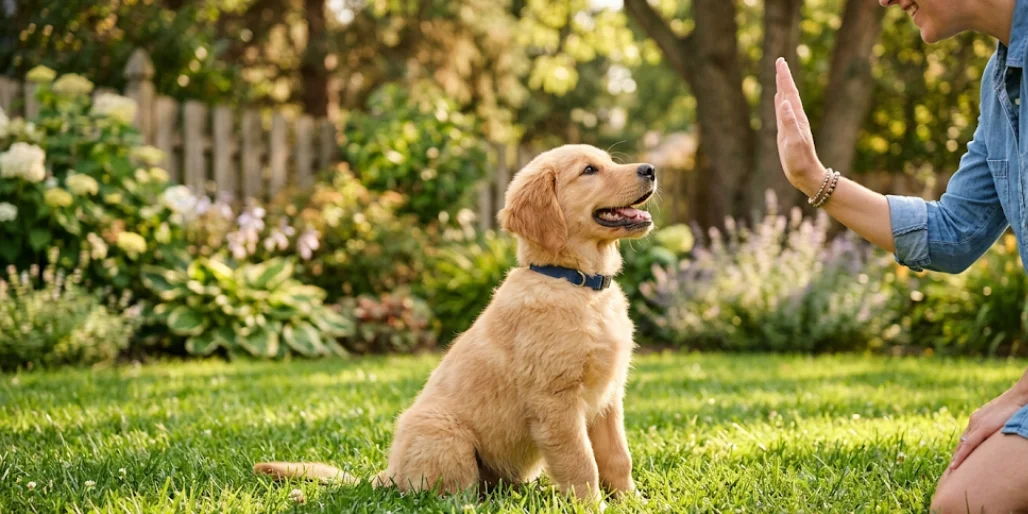
Potty training a puppy can be a challenging yet rewarding experience for new owners. This guide offers practical advice and strategies to help you successfully potty train your puppy, fostering good habits and preventing common accidents in the house.
What Are the Best Tips for Potty Training Your Puppy?
Understanding Your Puppy’s Needs
To effectively potty train your puppy, it is crucial to understand its natural needs and behaviors. A new puppy, especially one under 5 months old, has a small bladder and will need to eliminate frequently, often every hour or so, especially after waking up, eating, or playing. Observing your pup’s cues, such as sniffing around or circling, will help you anticipate when it’s time to go potty. This insight is fundamental to preventing accidents in the house and fostering successful puppy potty training.
Establishing a Potty Routine
Establishing a consistent potty routine is paramount when you potty train your puppy. Take your puppy outside to their designated potty area regularly, ideally every hour, and always after waking, eating, and playing. Use a leash to guide them to the spot and give a consistent command like “go potty.” This routine helps your dog understand when and where they should go potty outside, reinforcing proper potty habits and significantly contributing to training success.
Using Positive Reinforcement
Positive reinforcement is an essential tool when you train your puppy to go potty outside. Whenever your puppy eliminates in the appropriate outdoor potty area, immediately offer praise, a treat, or a favorite toy. This helps the pup associate the act of going potty outside with a positive experience, encouraging them to repeat the desired behavior. Never scold your puppy for accidents in the house; instead, calmly clean up and focus on reinforcing successful potty breaks outside.
How Can Crate Training Help in Potty Training a Puppy?
The Benefits of Crate Training
Crate training is an incredibly effective method to help potty train a puppy, leveraging their natural instinct not to soil their sleeping area. When you potty train a puppy, a crate can prevent accidents in the house by providing a secure, den-like space where your new puppy is less likely to pee or poop. This method teaches your pup to hold their bladder and bowels, helping them develop control, especially during the crucial first 5 months. By limiting their space, the crate encourages the puppy to alert you when they need to go potty outside, making the entire puppy potty training process more efficient and leading to quicker training success.
Choosing the Right Crate Size
Selecting the correct crate size is crucial for successful crate training and helping your dog with their potty habits. The crate should be just large enough for your puppy to stand up, turn around, and lie down comfortably. If the crate is too big, your new puppy might use one end as a sleeping area and the other as a potty area, which defeats the purpose of preventing accidents in the house. For growing pups, consider a crate with a divider that can be adjusted as your puppy grows, ensuring the space remains appropriate for teaching them to go potty outside without giving them room to soil. This helps in effectively potty training puppies by encouraging them to hold their eliminate until a designated potty break.
How to Introduce Your Puppy to the Crate
Introducing your new puppy to the crate should be a positive and gradual experience to ensure they view it as a safe haven rather than a punishment. Start by placing treats and toys inside the crate and allowing your pup to explore it on their own terms. Never force your puppy into the crate or use it for scolding, as this can create negative associations that hinder puppy training. Gradually increase the time your puppy spends in the crate, always supervising them and ensuring they have gone potty outside beforehand. Consistent positive reinforcement, such as praise and treats, will help your dog associate the crate with comfort and security, making the potty train a puppy journey much smoother and helping prevent accidents.
What Should You Do When Accidents Happen?
Understanding Common Causes of Accidents
Even with the most diligent efforts to potty train your puppy, accidents in the house are an inevitable part of the puppy potty training journey, especially during the first 5 months. Common causes include an underdeveloped bladder, which means your new puppy simply cannot hold their urine for long periods. Additionally, a lack of consistent supervision can lead to an accident if you miss their cues to go potty. Excitement or fear can also cause a pup to eliminate unexpectedly. Understanding these reasons helps dog owners react appropriately without scolding, which can set back the progress of potty train a puppy.
Effective Clean-Up Strategies
When your puppy has an accident in the house, effective clean-up strategies are crucial not only for hygiene but also for preventing future incidents. Use an enzymatic cleaner to thoroughly clean up any urine or poop. This type of cleaner breaks down the odors that might attract your puppy or dog to pee or soil in the same spot again. Simply wiping it up is not enough, as their keen sense of smell will still detect residual odors, signaling to them that it’s an acceptable potty area. After cleaning, take your puppy outside to their designated potty area for a supervised potty break, reinforcing where they should go potty outside.
How to Prevent Future Accidents
To prevent future accidents and further potty train your puppy, consistency and proactive measures are key. Reinforce the established potty routine by taking your puppy outside every hour, especially after waking, eating, or playing. Increase supervision, using a leash to keep your pup close so you can immediately take him outside if you see signs of sniffing or circling. Consider using baby gates to limit your new puppy’s access to certain areas of the house, making it easier to supervise them and prevent opportunities for an accident. Continuing positive reinforcement during successful outdoor potty breaks will solidify good potty habits and lead to greater training success.
When Should You Take Your Puppy Outside to Go Potty?
Signs That Indicate Your Puppy Needs to Go
Recognizing the signs that your new puppy needs to go potty is paramount for effective puppy potty training. Often, a pup will begin to sniff around, circle an area, or suddenly become restless. Some puppies might even start to whine or stand by the door, signaling their urgency to go potty outside. Paying close attention to these subtle cues will help you anticipate their needs and prevent accidents in the house. By quickly responding to these signals and taking your puppy outside for a potty break, you reinforce the desired behavior and accelerate the process of potty train a puppy, making them more likely to go potty in the appropriate potty area.
How Often Should You Take Your Puppy Outside?
Consistency is key when you potty train a puppy, and establishing a frequent potty routine is essential, particularly for a new puppy under 5 months old whose bladder control is still developing. Generally, you should take your puppy outside to go potty every hour, and always immediately after waking up, eating, or playing. This proactive approach significantly reduces the chances of an accident. As your pup grows and gains better bladder control, you can gradually extend the time between potty breaks. Regular trips outside for a designated potty break will help your dog understand the routine and reinforce positive potty habits. According to the American Kennel Club’s house training guide for puppies, a useful rule of thumb is that puppies can hold their bladder for roughly one hour for every month of age — making frequent outdoor trips absolutely essential in the early weeks.
Creating a Designated Potty Area
Creating a specific, designated potty area outside is highly beneficial when you potty train a puppy. Choose a quiet spot in your yard that is easily accessible and always take your puppy to this same location on a leash. This consistency helps your pup associate that particular spot with eliminating. Using a consistent command like “go potty” as they sniff around the area further reinforces this association. Keeping the potty area clean also encourages your puppy to use it. Establishing this routine and location helps your dog learn where it is acceptable to go potty, contributing significantly to successful puppy potty training and preventing accidents.
What Are Some Training Tips for Potty Training Puppies?
Using Commands to Encourage Going Potty
Incorporating specific commands is a powerful tool when you potty train your puppy. Every time you take your new puppy to their designated potty area, consistently use a verbal cue like “go potty.” Repeat the command while your pup is sniffing or in the process of eliminating. As soon as your puppy eliminates, immediately offer praise and a treat. This positive reinforcement creates a strong association between the command, the act of going potty, and a rewarding experience. This method not only helps your dog understand what is expected but also speeds up the overall puppy potty training process, leading to a house-trained pup.
Monitoring Your Puppy’s Progress
Monitoring your new puppy’s progress is crucial for effective puppy potty training. Keep a log or simply observe how often your pup is having accidents in the house versus successfully going potty outside. This helps you identify patterns, such as the times they are most likely to need a potty break, and adjust your schedule accordingly. If accidents are still frequent, it might indicate that your pup needs more frequent trips outside or closer supervision. Regularly assessing your puppy’s development allows you to fine-tune your training tips and ensure that you are effectively helping your dog establish good potty habits, moving towards training success.
When to Consult a Trainer or Veterinarian
While most dog owners can successfully potty train a puppy with consistency and patience, there are times when it’s wise to consult a professional. If, despite your best efforts, your new puppy continues to have frequent accidents, or if there’s a sudden change in their potty habits, it could indicate an underlying medical issue, such as a urinary tract infection, which a veterinarian can diagnose. Alternatively, if you find yourself struggling with training success or if your pup exhibits unusual behavior, a professional dog trainer can provide tailored training tips and guidance to help you potty train your dog more effectively, ensuring a smoother journey to being house-trained.