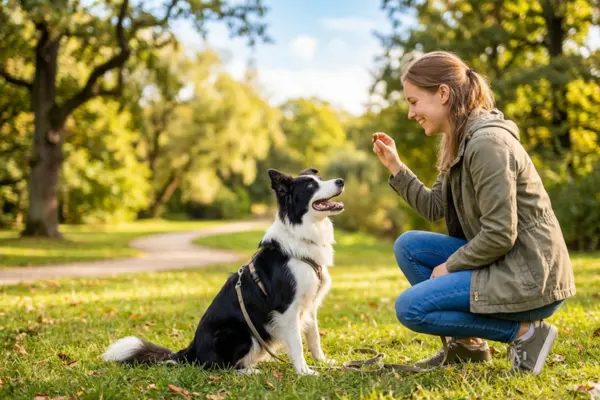
Many dog owners find themselves in a challenging situation when their beloved canine companion seems to ignore commands, exhibiting what they perceive as stubborn behavior. This guide, written by an experienced dog trainer, aims to demystify the concept of a “stubborn dog” and provide practical, effective strategies for successful dog training, transforming a challenging pet into a well-behaved companion.
What Makes a Dog Stubborn?
It’s a common misconception among dog owners that their dog is being intentionally defiant or “stubborn.” Often, what appears to be a stubborn dog is simply a dog that hasn’t fully understood what you’re asking of them, or perhaps isn’t sufficiently motivated to obey. A professional dog trainer understands that true stubbornness in dogs is rare; instead, it’s usually a communication breakdown or a lack of proper reinforcement. Learning how to train a stubborn dog involves looking beyond the surface behavior and delving into the underlying reasons for their actions, which is crucial for effective dog training for stubborn dogs.
Understanding Dog Behavior
Understanding dog behavior is the first critical step in addressing what appears to be a stubborn dog. Dogs learn through association and consequence, not through malice or spite. When a dog isn’t responding to a cue, it’s essential to consider if they truly understand the command, if the environment is too distracting, or if the motivation offered is compelling enough. A skilled dog trainer can help you interpret your dog’s body language and emotional response, teaching you how to communicate with your dog more effectively. This insight allows you to reinforce desired actions and build a strong foundation of trust and understanding, moving beyond simply labeling your dog as “stubborn.”
Common Traits of Stubborn Dogs
While no dog is truly “stubborn” in the human sense, certain traits might lead dog owners to describe their pet as such. These often include a lack of consistent recall, pulling on the leash, ignoring commands, or a general reluctance to engage in training sessions. A dog that doesn’t listen might be exhibiting these traits due to insufficient motivation, unclear commands, or a history of inconsistent training. A good dog trainer will help you identify these specific stubborn behaviors and develop targeted strategies to teach your dog to listen and respond reliably. It’s about finding the right approach to motivate your dog, not about forcing compliance.
How Breed Affects Stubbornness
Certain dog breeds are often stereotyped as being more “stubborn” than others, but this isn’t necessarily true. What appears as stubbornness is often a breed-specific trait, such as a strong independent streak, a high prey drive, or a deep-seated instinct for a particular job. For example, some working dog breeds might be less inclined to follow commands without a clear purpose, while scent hounds might be easily distracted by interesting smells, making it seem like your dog isn’t listening. Understanding your dog’s breed predispositions helps a dog trainer tailor training for stubborn dogs, leveraging their natural instincts rather than fighting against them, making it easier to train your dog effectively.
How Can You Train a Stubborn Dog Effectively?
Key Strategies for Success
Effective dog training for stubborn dogs requires a multifaceted approach that goes beyond simple commands. To train a stubborn dog, you must first understand what motivates your dog and then consistently apply positive reinforcement. This means making sure your dog understands what you’re asking by breaking down complex behaviors into smaller, manageable steps. A professional dog trainer will often recommend using high-value treats or favorite toys to reinforce desired actions, ensuring your dog feels rewarded for their efforts. The goal is to make every training session a positive experience, teaching your dog that obeying your cue leads to something enjoyable. This approach helps to overcome any perceived stubborn behavior and fosters a stronger bond between dog and owner.
Importance of Engaging Your Dog
Engaging your dog effectively is paramount when you learn how to train a stubborn dog. A dog that isn’t engaged is more likely to exhibit stubborn behavior and be less receptive to your commands. To motivate your dog, incorporate play and fun into your training sessions. This might involve using interactive games to practice recall, making the “dog to come” cue an exciting event rather than a chore. By making dog training an enjoyable activity, you’re not just teaching your dog commands; you’re building their enthusiasm for learning and cooperation. When your dog sees training as a game, they are far more likely to listen and obey, transforming a challenging “stubborn dog” into an eager learner.
Keeping Training Sessions Consistent
Consistency is non-negotiable when training a stubborn dog. Inconsistent training can confuse your dog and reinforce stubborn behavior, making it harder for your dog to learn what you’re teaching. Establish a regular routine for training sessions, even if they are short, and ensure all family members are on the same page regarding commands and expectations. This helps your dog understand what you’re asking regardless of who is giving the cue. A professional dog trainer will emphasize that regular practice reinforces good habits and gradually diminishes any stubbornness. By maintaining consistency, you effectively communicate with your dog, helping them to develop reliable responses and ultimately become a well-trained dog.
When Should You Seek Professional Dog Training?
Signs You Need Help from a Professional
Knowing when to seek help from a professional dog trainer is crucial, especially if you feel overwhelmed by your dog’s behavior or perceive your dog as being particularly stubborn. If your attempts to train a stubborn dog consistently fail, or if you notice your dog’s behavior escalating to aggression, excessive barking, or destructive habits, it’s a clear sign that professional intervention is needed. A qualified trainer can assess your dog’s behavior, understand what you’re asking, and identify the root causes of the stubborn behavior. They can also help your dog overcome fear or anxiety, which often manifests as stubbornness, enabling you to effectively communicate with your dog and achieve the desired results.
Benefits of Hiring a Professional Dog Trainer
Hiring a professional dog trainer offers numerous benefits beyond simply addressing a stubborn dog. A trainer brings expertise in dog behavior, allowing them to accurately diagnose issues and develop tailored training for stubborn dogs. They can teach your dog to listen to commands more effectively, using methods like positive reinforcement to motivate your dog, even when dealing with perceived stubbornness. Furthermore, a trainer can educate dog owners on how to properly use a leash, interpret dog body language, and maintain consistent training sessions, which are all vital for long-term success. This guidance not only helps you train your dog but also strengthens the bond and understanding between you and your pet, transforming a “stubborn” companion into a well-trained dog.
Choosing the Right Professional Dog Training Program
Choosing the right professional dog training program is essential for successfully training a stubborn dog. Look for a program that emphasizes positive reinforcement and humane training methods, as these are most effective for helping your dog learn without fear or intimidation. It’s important to find a trainer who has experience with various dog breeds and understands different aspects of dog behavior, especially those traits often labeled as “stubborn.” Before committing, interview potential trainers to ensure their philosophy aligns with your goals, and ask for references. The right program will not only teach your dog to obey but also empower dog owners with the knowledge and skills to continue reinforcing good behavior long after the training sessions conclude, ensuring your dog doesn’t listen to undesirable cues.
What Are the Best Techniques for Teaching Your Dog to Come?
Using Positive Reinforcement
Positive reinforcement is undeniably one of the most effective techniques for teaching your dog to come, especially when trying to train a stubborn dog. This method involves rewarding your dog immediately after they successfully perform the “dog to come” cue. High-value treats, enthusiastic praise, or a favorite toy can motivate your dog to respond reliably. The key is to make coming to you a consistently rewarding experience, so your dog associates the cue with something highly enjoyable. This positive association helps to overcome any perceived stubborn behavior and builds a strong foundation of trust, making your dog eager to obey your commands. Through consistent positive reinforcement, you can effectively teach your dog to listen and respond to the “come” cue in various environments.
Building a Strong Recall with Your Dog
Building a strong recall with your dog is fundamental, particularly for dog owners struggling with a stubborn dog that tends to ignore the “dog to come” cue. Start recall training in a quiet, distraction-free environment, gradually introducing more challenging settings as your dog’s confidence grows. Use a long leash initially to prevent your dog from running off while practicing the recall. The goal is to consistently reinforce your dog for coming when called, even if they hesitate slightly. This consistent positive reinforcement will motivate your dog to understand what you’re asking and ensure that the “dog to come” command is a reliable cue, even if your dog doesn’t listen immediately at first.
Common Mistakes to Avoid When Training Your Dog
When training your dog, especially a perceived stubborn dog, there are several common mistakes dog owners should avoid to prevent reinforcing stubborn behavior. Never punish your dog for not coming when called, as this can create a negative association with the “dog to come” cue and make your dog less likely to obey in the future. Avoid repeating the command multiple times without a response; instead, try to re-engage your dog or move closer to them before giving the cue again. Inconsistent training sessions or allowing your dog to ignore commands can also hinder progress. By being patient, consistent, and always using positive reinforcement, you can effectively communicate with your dog, helping them to learn and become a well-trained dog, rather than perpetuating the “dog stubborn” label.