There are very few things more terrifying for a dog owner than realizing their beloved canine companion has gone missing. The frantic searches, the unanswered calls, and the gnawing worry can be truly overwhelming. But what if we could prevent this heartbreak from happening in the first place? This article delves into effective dog training tips and strategies to help you understand why your dog might be running away and, more importantly, how to stop your dog from running away, ensuring they stay safely by your side.
Understanding Why Dogs Run Away
Before we can even begin to tackle the issue of a dog running away, it’s absolutely crucial to first understand the underlying motivations behind this behavior. It’s not simply about a dog being disobedient; there are often deeply ingrained instincts or learned behaviors at play. Once we can pinpoint why your dog feels the need to bolt, we can then implement targeted and effective strategies to keep your dog safely with you. This foundational understanding is the first step in successful dog training that truly makes a difference — our dog training guide covers the broader methods you’ll need to build the recall and obedience skills that keep your dog safe.
Common Reasons for a Dog Running Away
There are several common reasons why a dog running away might occur, and it’s rarely just one factor. Understanding these factors can help prevent future escapes.
| Reason | Description |
| Prey Drive | A strong instinct to chase animals like squirrels or rabbits, often leading a dog to bolt, especially if not leashed or in a secure area. |
| Mating Urge | Intact dogs, particularly males, are driven to find a mate, making them determined to escape fences or open doors. |
| Fear | Loud noises (e.g., fireworks, thunder) can panic dogs, causing them to run in search of safety. |
| Play/Lack of Recall | Sometimes, a dog might view running away as a game, especially if they haven’t learned reliable recall. |
The Importance of Understanding Your Dog’s Behavior
Truly understanding your dog’s behavior is paramount when trying to stop your dog from running away. Every dog is an individual, and while common reasons exist, your specific dog might have unique triggers. Observing when and why your dog attempts to escape can give you vital clues. For example:
- A smart dog like a Border Collie might become bored and seek their own “job” outside the yard.
- A small dog might find new smells incredibly enticing.
- Your dog might attempt to escape when another dog passes by.
- Your dog might only attempt to escape when you’re not actively engaged with them.
This insight helps you tailor your dog training to address the root cause, rather than just treating the symptom.
How Environment Influences Running Away
The environment plays a significant role in whether your dog running away becomes a recurring problem. Various factors can contribute to a dog seeking adventure outside the home:
| Environmental Factor | Potential Impact |
| Insecure fence (gaps or low spots) | Provides an easy escape route for dogs wanting to run free. |
| Open gate (even momentarily) | Can lead to a quick escape, especially if the dog lacks consistent recall training. |
| Lack of mental and physical stimulation | Increases the likelihood of the dog seeking to stop boredom by exploring beyond usual boundaries. |
Training Your Dog to Prevent Escapes
Basic Commands to Teach Your Dog
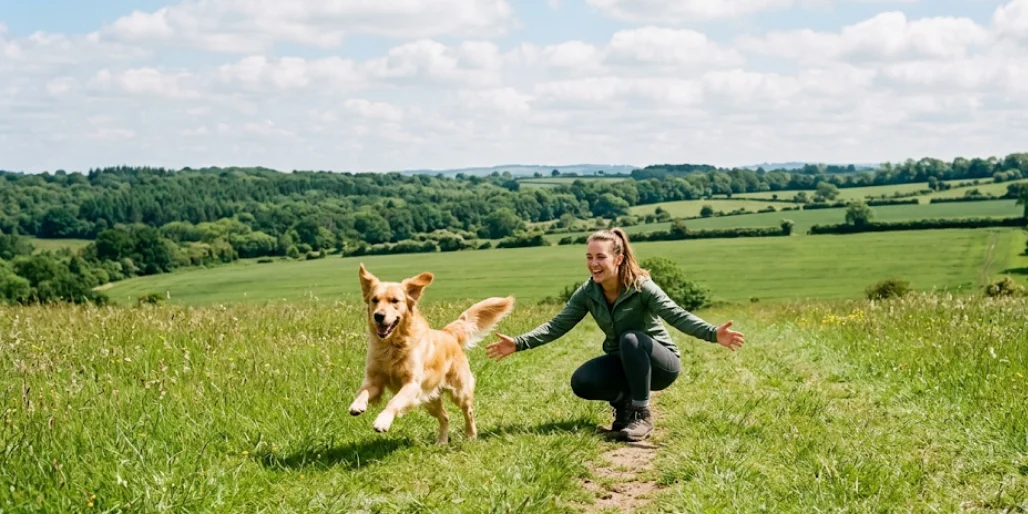
Once you understand why your dog might be running away, the next crucial step in preventing future escapes is through effective dog training. Starting with basic commands is absolutely essential. The “come when called” command is arguably the most vital. You need to consistently teach your dog to respond to this recall cue, making it a positive and rewarding experience every single time. Beyond recall, teaching commands like “stay” and “wait” can also be incredibly helpful in real-life scenarios, giving you precious moments to secure your dog on a leash or close an open gate, thereby preventing your dog from running away in the first place. Consistent practice with these foundational commands will significantly reduce the chances of your dog running away.
Utilizing Positive Reinforcement in Training
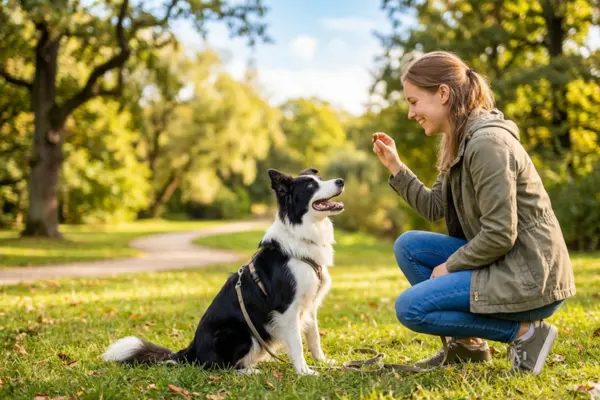
When it comes to training your dog to prevent them from running away, positive reinforcement is your best friend. Instead of punishing your dog for attempting to run, focus on rewarding them for staying or for coming when called. Every time your dog chooses to stay by your side or responds to your recall cue, offer praise, treats, or a favorite toy. This helps your dog associate staying close and responding to commands with positive experiences, making them more likely to repeat the desired behavior. This method of reinforcement builds a strong, trusting bond between you and your dog, making them want to stay with you rather than trying to run free. It’s about making good choices appealing, helping to stop your dog running away by building a strong foundation of trust and positive associations.
Creating a Safe and Secure Dog Run
Beyond training, a safe and secure dog run or yard is absolutely critical for preventing your dog from running away. Even the most well-trained dog can succumb to a strong prey drive or the urge to explore if given the opportunity. Regularly inspect your fence for any gaps, loose panels, or areas where your dog could dig underneath. For dogs who are prone to jumping, consider a taller fence or an L-footer to prevent them from climbing over. A secure dog run should be a place where you can confidently leave your dog knowing they are safe and cannot escape. This provides a crucial physical barrier to complement your dog’s training, working together to stop your dog from running away and giving you peace of mind.
Tips to Help Keep Your Dog Safe
How to Make Your Yard Escape-Proof
Making your yard escape-proof is a fundamental step to prevent your dog from running away, even for the most well-trained canines. Start by thoroughly inspecting your fence for any weak spots, gaps, or areas where your dog could dig underneath. For dogs who love to jump or climb, you might need to consider a taller fence or install L-footers to prevent them from scaling over. Some smart dog breeds, like a Border Collie, are known for their ingenuity, so they might find creative ways to get out. Ensure all gates are securely latched and consider double-latching mechanisms. Regularly check for signs of digging near the fence line and reinforce those areas. A secure fence is your first line of defense against a dog running away and a crucial part of keeping your dog safe.
Using Leashes and Harnesses Effectively
Even with an escape-proof yard, proper leash and harness use is vital, especially when you take your dog out for walks or in unfamiliar environments. A well-fitting leash and harness provide direct control and can prevent your dog from running away if they get startled or spot something that triggers their prey drive. Avoid using only a collar if your dog is a puller or has a tendency to slip out, as a harness distributes pressure more evenly and is generally more secure. For dogs who are still learning their recall, a long line can be an excellent tool, allowing them some freedom to explore while still keeping them safely tethered to you. This combination ensures that even if something exciting catches their attention, you can reliably stop your dog from running away.
Understanding Your Dog’s Needs at the Dog Park
Dog parks can be a fantastic place for your dog to socialize and get exercise, but it’s also a common scenario where a dog running away can happen if you’re not vigilant. Before letting your dog run free, ensure they have a reliable recall and will come when called, even with distractions from another dog or exciting smells. Always supervise your dog closely; observe their body language and interactions with other dogs. If your dog seems overwhelmed or tries to start running away from an interaction, it’s time to intervene. Some dogs, especially small dogs or those with a strong prey drive, might be more prone to trying to escape the dog park if they spot something interesting outside the fence. Keeping them engaged with you and practicing your recall cue, even in this stimulating environment, will significantly help to prevent escapes and ensure your dog’s safety.
What to Do If Your Dog Runs Away
Immediate Steps to Take When Your Dog is Missing
The moment you realize your dog is missing, panic can easily set in, but taking immediate, structured steps is crucial to maximize your chances of finding your beloved companion. First, thoroughly check your home and yard, including any small spaces where a small dog might hide or get stuck. If your dog isn’t there, immediately start calling your dog’s name loudly while walking around your immediate neighborhood. Inform your neighbors that your dog is running away, providing a clear description and a recent photo. The sooner you start, the better, as a runaway dog can cover a surprising amount of ground quickly. This rapid response is absolutely critical in the first few hours after your dog escapes.
How to Use Social Media and Community Resources
In today’s connected world, social media and community resources are incredibly powerful tools when your dog is missing. As soon as you’ve checked your immediate surroundings, create a clear, concise post with a recent photo of your dog, detailing where and when they were last seen, and your contact information. Share this on local lost pet groups, neighborhood Facebook pages, and even your personal profile, asking friends to share widely.Contact your local animal shelters, humane societies, and veterinarian clinics, providing them with your dog’s description and microchip information — the American Society for the Prevention of Cruelty to Animals (ASPCA) also offers detailed guidance on the most effective steps to take when a pet goes missing. Many communities also have online lost pet registries or neighborhood watch groups that can help spread the word and rally support to help your dog get home safely.
Long-Term Strategies to Prevent Future Escapes
Once your dog is safely back home, it’s essential to implement long-term strategies to prevent future escapes and stop your dog from running away again. This involves revisiting your dog training, particularly strengthening the “come when called” command through consistent positive reinforcement, ensuring a reliable recall cue even with distractions. Evaluate your fence for any weaknesses, making sure it’s truly escape-proof, and consider spaying or neutering your intact dog to reduce their drive to roam in search of a mate. Regular exercise and mental stimulation can also prevent boredom, which often leads to a dog running away. The goal is to make staying home more appealing and safer than the thrill of a great escape, ensuring you can keep your dog safe and sound.