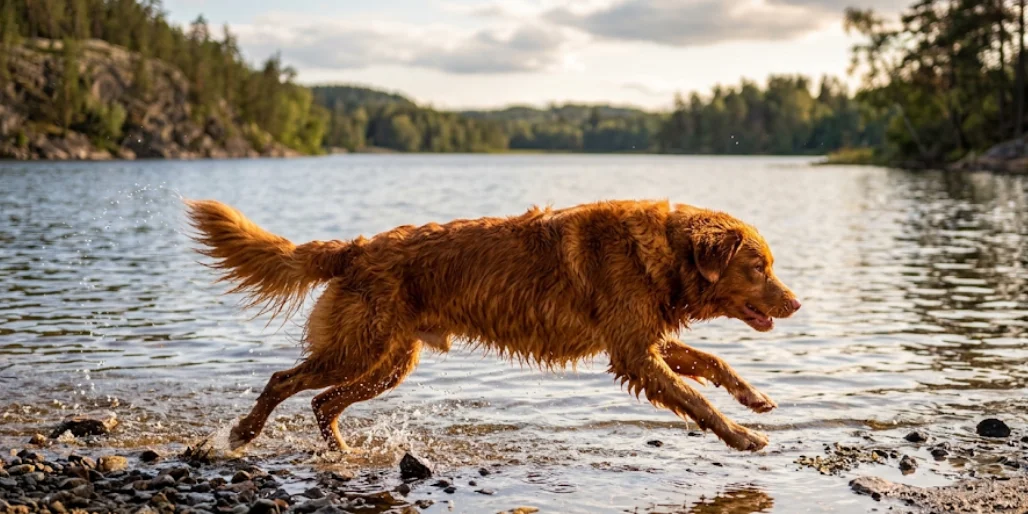
So, you’re curious about the Nova Scotia Duck Tolling Retriever, often affectionately called a “Toller”? This comprehensive guide will tell you everything you need to know about this intelligent and energetic dog breed.
Overview of the Nova Scotia Duck Tolling Retriever
What is the Nova Scotia Duck Tolling Retriever?
The Nova Scotia Duck Tolling Retriever is a medium-sized gundog known for its unique ability to “toll” or lure waterfowl into a hunter’s range. This clever retriever breed combines the playful nature of a spaniel with the intelligence of a collie, making them a fantastic, active family dog. Tollers are easily recognizable by their striking red coats and lively demeanor.
History of the Duck Toller
The Nova Scotia Duck Tolling Retriever has a fascinating history, originating in the Acadian region of Nova Scotia, Canada, in the 19th century. Farmers and hunters specifically developed this breed to retrieve waterfowl, using their fox-like appearance and playful antics to “toll” ducks. The breed gained recognition and became a beloved part of the Canadian Kennel Club, with many breeders ensuring the preservation of its unique traits.
Characteristics of the Toller Breed
The Toller breed boasts a unique set of characteristics that make it stand out. These dogs are intelligent, highly trainable, and possess a strong desire to please, which makes training sessions enjoyable for both puppy and owner. Their distinctive double coat and energetic temperament are hallmarks of this dog breed, reflecting their origins as a working retriever.
Breed Characteristics of the Toller
Physical Traits of the Nova Scotia Duck Tolling Retriever
The Nova Scotia Duck Tolling Retriever is a medium-sized dog, usually standing between 17 to 21 inches tall at the shoulder. They possess webbed feet, perfect for swimming, and a dense, water-repellent double coat that comes in various shades of red and orange, often with white markings on the chest, feet, and tail tip. Their expressive eyes and powerful build truly showcase the breed standard.
Temperament and Behavior
Tollers are renowned for their affectionate and playful temperament, making them wonderful family dogs for active households. They are intelligent and eager to please, thriving on mental stimulation and positive reinforcement during training. This retriever breed can be reserved with strangers but is fiercely loyal to its family, embodying the spirit of a true companion.
Exercise Needs and Activity Level
The exercise needs of a Nova Scotia Duck Tolling Retriever are substantial; they are not a breed content with being a couch potato. Tollers require vigorous daily exercise, including long walks, runs, and plenty of opportunities for retrieving games, especially in water. Their high activity level also means they excel in dog sports like agility, obedience, and flyball, which provide crucial mental stimulation.
Caring for Your Duck Tolling Retriever
Nutrition and Feeding Guidelines
Ensuring your Nova Scotia Duck Tolling Retriever receives proper nutrition is crucial for their health and energy levels. A high-quality dog food formulated for active, medium-sized breeds is ideal. Pay attention to portion sizes to prevent weight gain, especially as a puppy matures, and consult your breeder or vet for specific dietary recommendations tailored to your Toller’s age and activity.
Grooming Requirements for the Toller
While the Toller’s stunning double coat is relatively easy to maintain, regular grooming is essential. You should brush your Nova Scotia Duck Tolling Retriever at least a few times a week to prevent mats and reduce shedding. During shedding seasons, more frequent brushing is necessary. Regular nail trims and ear cleaning are also part of their essential grooming routine.
Training Your Nova Scotia Duck Tolling Retriever
Training a Nova Scotia Duck Tolling Retriever is a rewarding experience due to their intelligence and eagerness to please. Start with basic obedience training for your puppy using positive reinforcement techniques. Tollers excel in dog sports like agility and obedience, which provide vital mental stimulation and help manage their high exercise needs, fostering a well-behaved family dog.
Similar Breeds to Consider
Comparative Breeds to the Nova Scotia Duck Tolling Retriever
If you’re drawn to the Nova Scotia Duck Tolling Retriever but exploring other options, consider breeds with similar characteristics. Other retriever breeds, such as a Labrador or a Golden Retriever, share their affectionate nature and love for water. Spaniels and Setters also possess comparable energy levels and a strong desire to be active, making them great family dog choices.
What Makes the Toller Unique?
The Nova Scotia Duck Tolling Retriever stands out due to its unique “tolling” ability to lure waterfowl, a trait not commonly found in other dog breeds. Their distinctive red double coat, intelligent temperament, and medium-sized build further differentiate them. This rare dog breed combines the playfulness of a spaniel with the drive of a retriever, making them truly one of a kind.
Frequently Asked Questions about Tollers
Is the Nova Scotia Duck Tolling Retriever a Good Family Dog?
Absolutely! The Nova Scotia Duck Tolling Retriever is generally an excellent family dog, provided they receive adequate exercise and mental stimulation. Their affectionate and playful temperament makes them wonderful companions for active families. They thrive on being part of family activities and are known to be good with children when properly socialized from a puppy stage.
How to Choose a Duck Toller Puppy
When choosing a Duck Toller puppy, it’s crucial to find a reputable breeder who prioritizes the health and temperament of their dogs. Look for a breeder who can provide health clearances for the puppy’s parents, including checks for common breed-specific issues like progressive retinal atrophy, Addison’s disease, and collie eye anomaly. A good breeder will also allow you to meet the puppy’s parents and observe their living conditions, helping you ensure you’re getting a well-adjusted and healthy Nova Scotia Duck Tolling Retriever.
Tips for First-Time Toller Owners
First-time Nova Scotia Duck Tolling Retriever owners should be prepared for an intelligent and energetic dog breed. Early socialization and consistent positive reinforcement training sessions are key to developing a well-behaved Toller. Providing plenty of exercise, including opportunities for retrieving and water activities, is crucial. Remember to groom their double coat regularly and offer ample mental stimulation to prevent boredom in your intelligent companion.
Conclusion
Final Thoughts on the Nova Scotia Duck Tolling Retriever
The Nova Scotia Duck Tolling Retriever is a truly unique and engaging dog breed, perfectly suited for active individuals or families who can meet their substantial exercise and mental stimulation requirements. Their intelligent, affectionate, and playful temperament, combined with their striking red double coat and natural retrieving abilities, makes them a rewarding companion. Owning a Toller is an adventure, filled with joy, loyalty, and the constant reminder of their rich history as a working retriever.
Explore More in the Dog A-Z Breeds Guide
If the Nova Scotia Duck Tolling Retriever has piqued your interest, and you’re eager to learn about other fascinating dog breeds, be sure to check out our comprehensive Dog A-Z Breeds Guide. It’s a fantastic resource for exploring diverse breed characteristics, helping you find the perfect canine companion.
About Pawandbreeds
Pawandbreeds is dedicated to providing comprehensive and insightful information on various dog breeds, helping owners and enthusiasts understand and care for their beloved companions.
FAQ
Q: What is this dog breed all about anyway?
A: So the Nova Scotia Duck Tolling Retriever (try saying that five times fast) is basically the smallest of the retriever sporting breeds, bred way back in the early 19th century in Canada. Locals used to call them “Little River Duck” dogs because they’d literally toll (aka lure) ducks close to shore by playing on the shoreline, then the hunters would swoop in. Clever trick, honestly. If you’re digging into dog breed information, this one’s got a pretty fascinating backstory compared to most.
Q: Are Nova Scotia Duck Tollers actually easy to train?
A: Yeah, for the most part! They’re smart cookies and genuinely easy to train if you’re consistent and keep things fun. They love having a job to do, so dog sport training like agility or flyball is right up their alley. Just don’t expect a robot – they’ve got a stubborn streak sometimes, especially as pups, but positive reinforcement works wonders.
Q: What’s the deal with their coat?
A: Their coat is medium-length with a water repellent coat on top and a soft undercoat underneath, which makes total sense since these dogs were basically born to swim. That double-layer setup keeps them warm even in freezing water. Just be ready for some shedding, especially when the undercoat blows out seasonally.
Q: What do these dogs look like exactly?
A: They’ve got this gorgeous reddish-orange coat, white markings, and almond-shaped eyes that give them a really expressive, almost sly look. Medium-sized, athletic build, feathered tail that never seems to stop wagging. Honestly one of the more photogenic sporting breeds out there.
Q: Do they need a ton of exercise?
A: Oh for sure. These guys need serious mental and physical stimulation daily or they’ll get bored and destructive. Think long walks, swimming (obviously), fetch sessions, puzzle toys, the works. A tired toller is a happy toller, basically.
Q: Any health issues I should know about before getting one?
A: Like most breeds, they’ve got a few things to watch for – hip dysplasia, eye issues, and some autoimmune conditions affecting the adrenal glands. Reputable breeders should offer a dna test and health screening for parents, so always ask. Checking in with the Nova Scotia Duck Tolling Retriever breed club can point you toward breeders who take health and welfare seriously.
Q: Should I contact a breed club before getting a puppy?
A: Honestly, yes, do it. The Nova Scotia Duck Tolling Retriever Club (or your local kennel club equivalent) is a goldmine of info and connects you with responsible breeders. They can walk you through what to expect, help you avoid puppy mills, and give you a proper duck tolling retriever breed guide before you commit.
Q: Do tollers get along with kids and other pets?
A: Generally yes, they’re pretty sociable and playful, especially when raised around kids from puppyhood. They can be a bit reserved with strangers at first but warm up quick. With proper socialization, they mesh well with other dogs and pets too.
Q: Is this breed right for a first-time dog owner?
A: It can work, but you gotta be realistic – these aren’t couch potatoes. If you’re active, enjoy the outdoors, and can commit to consistent training and exercise, a toller could be perfect. If you want a low-energy lap dog, honestly, look elsewhere.