Thinking about bringing a majestic Tibetan Mastiff into your home? This comprehensive guide will walk you through everything you need to know about this ancient breed, from its impressive size and unique temperament to essential care tips, ensuring you’re well-prepared for life with one of these magnificent dogs.
Tibetan Mastiff Overview
What is a Tibetan Mastiff?
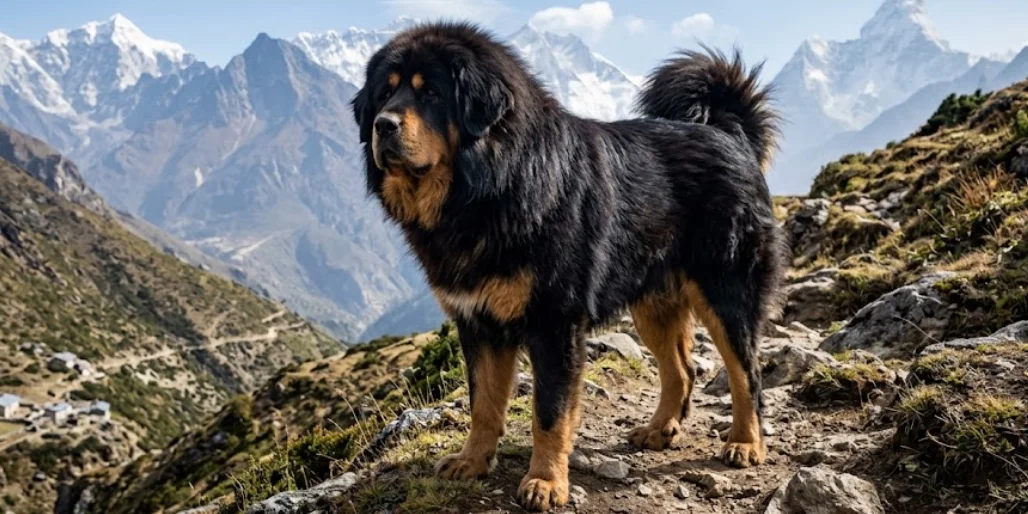
The Tibetan Mastiff is a giant dog breed originating from the Himalayan mountains, renowned for its imposing size and watchful demeanor. Often described as noble and reserved, this ancient breed served as a guardian of livestock and homes for centuries in Tibet. A Tibetan Mastiff dog is characterized by its powerful build, thick double coat, and often a distinctive “mane” around its neck, giving it a lion-like appearance. These dogs are truly majestic creatures, demanding respect and a specific understanding of their unique personality and needs, making them suitable for experienced pet parents who appreciate their strong, independent spirit.
History of the Tibetan Mastiff Breed
The history of the Tibetan Mastiff breed is as vast and ancient as the mountains from which it hails. This formidable dog breed has been an integral part of life in Tibet for thousands of years, primarily serving as a guardian for nomadic tribes and monasteries against formidable predators like wolves and snow leopards. Their imposing presence and territorial nature made them exceptional watchdogs, and their lineage traces back to some of the earliest domesticated dogs. Though their exact origins are shrouded in antiquity, they are considered one of the foundational dog breeds, influencing many modern mastiff types.
Key Characteristics of the Tibetan Mastiff
The key characteristics of the Tibetan Mastiff include their immense size, making them a truly giant dog breed, and their distinctive double coat which provides insulation in harsh climates. A male Tibetan Mastiff can weigh upwards of 100 pounds, with some reaching much more, contributing to the breed’s impressive stature. Their temperament is typically aloof with strangers but fiercely loyal and protective of their family and territory, making them excellent guard dogs. They possess a watchful intelligence and can be quite independent, requiring consistent training and socialization from a young age, especially as puppies, to ensure a well-adjusted adult dog.
Tibetan Mastiff Size Guide
Growth Stages of a Tibetan Mastiff
Understanding the growth stages of a Tibetan Mastiff puppy is crucial for any potential pet parent. These gentle giants grow rapidly, with most of their substantial size developing within the first 12 to 18 months, though they continue to fill out and mature more slowly until they are around 3 to 5 years old. During puppyhood, proper nutrition with high-quality dog food specifically formulated for large breeds is essential to support their bone and joint development and help prevent common health issues like hip dysplasia later in life. Consistent veterinary check-ups are also vital to monitor their growth and overall health as a Tibetan Mastiff dog.
Full-Grown Tibetan Mastiff Size
A full-grown Tibetan Mastiff is truly an impressive sight, solidifying its status as a giant dog breed. Male Tibetan Mastiffs typically stand between 26 to 30 inches tall at the shoulder and can weigh anywhere from 100 to over 160 pounds, with some individuals reaching even higher weights. Females are generally a bit smaller, ranging from 24 to 28 inches in height and weighing between 70 to 120 pounds. Their robust build, combined with their dense double coat and often lion-like mane, contributes to their formidable appearance. This substantial Tibetan Mastiff size requires ample space, both indoors and out, making them unsuitable for small living environments.
Size Comparison with Other Dog Breeds
When comparing the Tibetan Mastiff’s size to other dog breeds, its sheer scale becomes even more apparent. While breeds like the Great Dane might be taller, the Tibetan Mastiff often surpasses them in terms of sheer mass and powerful build. They are significantly larger than popular breeds such as Golden Retrievers or Labradors, and even outweigh many other mastiff types. Their ancient breed lineage has gifted them with a robust structure, developed to withstand the harsh Himalayan climate. This comparison highlights why adequate space and a comprehensive understanding of their unique needs are paramount for anyone considering bringing this magnificent dog breed into their home.
Tibetan Mastiff Personality and Temperament
Understanding the Tibetan Mastiff Personality
The Tibetan Mastiff personality is often described as a fascinating blend of independence, loyalty, and a somewhat aloof nature. This ancient breed, developed over centuries in Tibet, possesses a strong guardian instinct, making them naturally watchful and protective of their family and territory. Unlike some more overtly affectionate dog breeds, a Tibetan Mastiff dog tends to be reserved, often preferring to observe rather than engage in boisterous play. However, beneath this stoic exterior lies a deep devotion to their pet parents, expressing their affection in subtle yet meaningful ways. Understanding this unique personality is key to a harmonious relationship with your Tibetan Mastiff.
Temperament Traits of the Tibetan Mastiff
The temperament traits of the Tibetan Mastiff are heavily influenced by its history as a formidable guard dog in Tibet. They are known for being incredibly territorial and vigilant, making them excellent watchdogs. While they are usually calm and patient with their own family, they can be quite aloof and wary of strangers, which is a characteristic deeply ingrained in the breed. Early socialization for Tibetan Mastiff puppies is crucial to help them distinguish between welcomed guests and potential threats, ensuring a well-adjusted adult dog. Their independent nature also means they can be strong-willed, requiring consistent and positive training methods from an experienced owner.
Is the Tibetan Mastiff a Good Family Dog?
Despite their imposing size and guardian temperament, a Tibetan Mastiff can indeed be a good family dog for the right pet parents. They are typically very gentle and patient with children they have been raised with, showing a protective side towards their younger family members. However, due to their sheer size and strength, supervision is always recommended with very young children. Their reserved nature means they might not be the cuddliest of companions, but their loyalty and watchful presence provide a great sense of security. Providing ample space, consistent training, and early socialization will help these magnificent dogs integrate successfully into a family environment.
Caring for a Tibetan Mastiff
Grooming Requirements for Tibetan Mastiffs
Grooming a Tibetan Mastiff, despite its magnificent double coat, isn’t as daunting as it might seem, but it does require consistency to keep this giant dog breed looking its best. They shed moderately year-round, with heavier shedding periods typically twice a year, during which a thorough brushing session several times a week is essential. This helps to remove loose hair from their dense undercoat and prevent matting, especially in the areas with their distinctive mane and feathering on their legs and tail.
Regular grooming also provides an excellent opportunity to check for any skin issues or parasites, ensuring your Tibetan Mastiff dog remains healthy and comfortable. Beyond brushing, other grooming requirements for the Tibetan Mastiff include nail trims, ear cleaning, and dental hygiene. Due to their size, it’s crucial to start nail trimming early in puppyhood to get them accustomed to the process; overgrown nails can cause discomfort and lead to gait problems for this large breed. Their ears should be checked regularly for signs of dirt, redness, or odor that could indicate an ear infection, and gently cleaned as needed. While their coats are relatively low-maintenance for such a substantial breed, a bath is occasionally necessary, especially if they’ve had an adventure outdoors.
Health Considerations for the Tibetan Mastiff Dog Breed
The Tibetan Mastiff is generally a robust and healthy ancient breed, but like all giant dog breeds, they are prone to certain health considerations that prospective pet parents should be aware of. One of the most common concerns is hip dysplasia and elbow dysplasia, hereditary conditions affecting the joints. Responsible breeders will screen their breeding stock for these issues. Other potential health problems include various eye conditions, such as progressive retinal atrophy, and sometimes thyroid issues. Regular veterinary check-ups are paramount to monitor your Tibetan Mastiff’s health, catch any potential problems early, and ensure they receive appropriate preventative care, contributing to a long and healthy life.
Given their substantial Tibetan Mastiff size, maintaining an ideal weight is crucial to prevent undue stress on their joints, especially as they grow from a playful puppy into a full-grown adult. A balanced diet and appropriate exercise, without overexertion during their growth stages, are key to supporting their skeletal development and overall well-being. The American Kennel Club and American Tibetan Mastiff Association provide valuable resources on breed-specific health screenings and recommended care practices. Understanding these health considerations allows you to provide the best possible care for your Tibetan Mastiff dog.
Diet and Dog Food Recommendations
Providing the right diet and dog food for a Tibetan Mastiff is fundamental to their growth, health, and overall well-being. As a giant dog breed, Tibetan Mastiff puppies require a high-quality, large-breed puppy formula that supports slow, steady growth to minimize the risk of developmental orthopedic issues like hip dysplasia. Adult Tibetan Mastiffs should be fed a premium dog food formulated for large or giant breeds, which typically has a balanced protein-to-fat ratio and appropriate calcium and phosphorus levels.
The specific amount of food will vary based on their age, activity level, and individual metabolism, so it’s always best to consult with your veterinarian to establish a feeding plan. Given the Tibetan Mastiff’s size and potential for sensitive stomachs, some pet parents opt for a limited-ingredient diet or one designed for digestive health. It’s important to monitor your Tibetan Mastiff’s weight and adjust their dog food intake accordingly to prevent obesity, which can exacerbate joint problems. Always ensure fresh water is available, and consider incorporating supplements like glucosamine and chondroitin, under veterinary guidance, to support joint health as they age. A well-planned diet is a cornerstone of caring for this magnificent Tibetan Mastiff dog breed.
Tibetan Mastiff FAQs
Common Questions About Tibetan Mastiffs
Many pet parents have common questions about Tibetan Mastiffs, often revolving around their unique temperament and care needs. People frequently ask about their suitability as family pets, to which the answer is generally yes, with proper socialization and an experienced owner. Another frequent query is regarding their shedding; while they have a thick double coat, they typically shed moderately except during seasonal “blows” when their undercoat comes out. Their territorial and watchful nature often leads to questions about their training; positive reinforcement and consistency from puppyhood are essential for this independent dog breed. Understanding these aspects helps prospective owners determine if a Tibetan Mastiff dog is the right fit for their lifestyle.
Further common questions delve into the Tibetan Mastiff size and lifespan. As a giant dog, they require significant space and typically live for 10-14 years, which is a good lifespan for such a large breed. People also inquire about their exercise needs; while they need regular walks, they aren’t hyperactive and often enjoy lounging once their exercise requirements are met. Addressing these Tibetan Mastiff FAQs helps to clarify misconceptions and provides valuable insight into the reality of living with this ancient breed, ensuring that potential owners are well-informed before committing to a Tibetan Mastiff puppy.
Finding a Tibetan Mastiff Breeder
Finding a reputable Tibetan Mastiff breeder is a crucial step in bringing a healthy and well-adjusted Tibetan Mastiff puppy into your home. It’s essential to seek out breeders who prioritize the health and temperament of their dogs above all else. A good breeder will be transparent about their breeding practices, openly discuss the health history of the parent dogs, and provide health clearances for conditions common to the breed, such as hip and elbow dysplasia. They should also be involved with the American Kennel Club or breed-specific clubs, adhere to the breed standard, and demonstrate a deep understanding of the Tibetan Mastiff’s specific needs and personality.
When looking for a breeder, don’t hesitate to ask questions about the puppy’s lineage, early socialization, and the conditions in which the Tibetan Mastiff puppies are raised. A responsible breeder will be eager to educate you and will likely have a waiting list, indicating their commitment to careful breeding. Visiting the kennel, if possible, can give you a better sense of the environment and the health of the dogs. Avoid breeders who seem overly focused on profit, sell puppies too young, or cannot provide health documentation, as these are red flags that could lead to future health or temperament issues with your new Tibetan Mastiff dog.
Understanding Tibetan Mastiff Behavior
Understanding Tibetan Mastiff behavior is key to a successful relationship with this magnificent ancient breed. Their behavior is heavily influenced by their history as a guard dog in Tibet, resulting in a naturally watchful, territorial, and often aloof temperament, especially towards strangers. While they are deeply loyal and protective of their family, their independent streak means they are not always eager to please and require an owner who can provide consistent, firm, and positive training from a young age. Early socialization of Tibetan Mastiff puppies is paramount to help them develop into well-adjusted adult dogs, teaching them appropriate responses to new people, animals, and environments.
A significant aspect of Tibetan Mastiff behavior is their strong prey drive and desire to roam, so a secure yard is non-negotiable. They are also known for being quiet indoors, often saving their powerful bark for perceived threats. Their reserved nature doesn’t mean they don’t form strong bonds; they express affection in subtle ways, often by simply being in the same room as their pet parents. Recognizing these behavioral nuances, from their watchful demeanor to their occasional stubbornness, is essential for anyone considering this unique dog breed, ensuring a harmonious coexistence with your Tibetan Mastiff. For more detailed insights into various breeds, check out the Pawandbreeds Dog A-Z Breeds Guide.