The Swedish Vallhund is an ancient and captivating spitz-type dog breed with a rich history rooted in Scandinavia. This comprehensive guide will delve into the Swedish Vallhund’s origins, characteristics, temperament, and the essential care required to ensure a happy and healthy companion. You’ll discover what makes this breed so unique and beloved by its enthusiasts.
History of the Swedish Vallhund
Origins and Ancestry
The history of the Swedish Vallhund is a fascinating journey that takes us back over a thousand years to the time of the Vikings. This ancient spitz breed, often described as the “Viking dog,” is believed to have developed in Sweden, potentially sharing a common ancestry with the Welsh Corgi. Their distinctive appearance, characterized by short legs and a sturdy build, made them perfectly suited for working alongside farmers. The Swedish Vallhund’s lineage as a working dog is evident in its enduring herding instinct and overall resilience.
Role in Herding
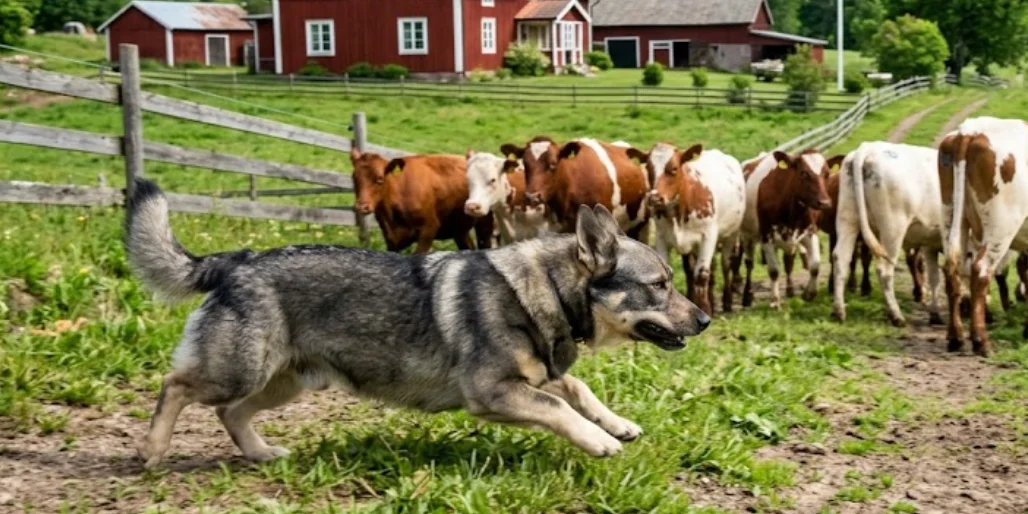
For centuries, the Swedish Vallhund was indispensable on Swedish farms, primarily serving as a highly efficient herding dog. Their agility and sharp intelligence allowed them to herd cattle and other livestock with remarkable precision. This breed possesses a strong herding instinct, using their low-to-the-ground stature to nip at the heels of stubborn animals, guiding them efficiently. This innate ability made them superb farm dogs, essential for managing livestock and protecting the property, showcasing the working dog’s versatility and trainable nature.
Recognition by Kennel Clubs
The Swedish Vallhund’s journey to widespread recognition began in the 20th century. Efforts by dedicated breeders led to the formal establishment of the breed standard, ensuring the preservation of the Swedish Vallhund’s distinctive traits. The breed was recognized by the Swedish Kennel Club in the 1940s, a pivotal moment that solidified its status. Later, the American Kennel Club (AKC) also embraced the breed, introducing it to a broader international audience. This recognition has been instrumental in promoting the welfare of the dog and highlighting the soundness of this breed to enthusiasts worldwide.
Swedish Vallhund Breed Characteristics
Physical Appearance
The Swedish Vallhund is a sturdy, well-built spitz-type dog, known for its distinctive appearance that often draws comparisons to a Corgi. These small yet powerful dogs typically stand between 11.5 to 13.75 inches tall and weigh 20-35 pounds, with males generally being larger than females. They possess a robust, rectangular body with short legs, a characteristic that aided them in their traditional role as a herding dog. Their head is wedge-shaped with a relatively long muzzle, and they have erect, medium-sized ears, giving them an alert expression.
The Swedish Vallhund also has a distinctive double coat, consisting of a soft, dense undercoat and a harsh, close-lying outer coat, which provides excellent protection against the elements. Their coat colors can vary, including shades of gray, red, and sable, often with lighter markings. One unique feature is their tail, which can range from a natural bobtail to a full, curled tail, though some Swedish Vallhunds are born with a docked tail.
Temperament of Swedish Vallhunds
The temperament of Swedish Vallhunds is one of their most endearing qualities, making them excellent companions for active families. These dogs are renowned for their intelligence, eagerness to please, and playful nature. They are very affectionate with their families and tend to form strong bonds, often displaying a “velcro dog” tendency, always wanting to be close to their loved ones. As a working dog, the Swedish Vallhund possesses a strong herding instinct, which can manifest as a desire to “herd” family members or other pets, playfully nipping at heels.
While generally good with children and other animals when properly socialized, their herding tendencies mean supervision is always a good idea. Their alert nature also makes them excellent watchdogs, as they are quick to bark at anything unusual, yet they are not typically aggressive. Early training and socialization are key to channeling their intelligence and herding drive positively, ensuring a well-adjusted and well-behaved member of the family.
Exercise Needs
Despite their small size, Swedish Vallhunds are incredibly active and intelligent dogs with significant exercise needs. This breed thrives on regular physical activity and mental stimulation to prevent boredom and destructive behaviors. As a traditional herding dog, they possess boundless energy and a strong desire to work. Daily long walks, vigorous play sessions, and opportunities to run in a secure area are essential for their physical well-being.
Beyond physical exercise, the Swedish Vallhund needs mental stimulation to keep their keen minds engaged. They excel in dog sports such as agility, obedience, and herding trials, where their intelligence and athleticism can shine. Providing puzzle toys, training new tricks, and engaging in interactive games are excellent ways to challenge them mentally. A bored Swedish Vallhund can become restless and prone to mischief, so ensuring a balance of exercise and mental stimulation is crucial for a happy and healthy dog.
Caring for Your Swedish Vallhund
Grooming Requirements
The Swedish Vallhund possesses a distinctive double coat that requires regular grooming to keep it in prime condition. This spitz-type dog has a soft, dense undercoat and a harsh, close-lying outer coat, designed to protect them from the elements when working as a farm dog. To maintain the health and cleanliness of the coat of the Swedish Vallhund, brushing at least once or twice a week is essential. During shedding seasons, typically twice a year, more frequent brushing will be necessary to manage loose hair. While they don’t require extensive bathing, an occasional bath will help keep their coat fresh. Regular nail trims, ear cleaning, and dental care are also crucial for the overall welfare of the dog. This attention to grooming will ensure your Swedish Vallhund remains comfortable and healthy.
Nutritional Needs
Providing the correct nutrition is vital for the health and longevity of your Swedish Vallhund. As an active herding dog, they require a high-quality diet formulated for medium-sized, energetic breeds. The specific nutritional needs of a Swedish Vallhund will depend on their age, activity level, and any individual health concerns. Always choose dog food with real meat as the primary ingredient and avoid fillers or artificial additives. Portion control is also important to prevent obesity, a common issue in many dog breeds. Consult with your breeder or a veterinarian to determine the best diet plan and feeding schedule for your Swedish Vallhund. Fresh water should always be available to ensure proper hydration for this active spitz breed.
Training and Socialization
Training and socialization are paramount for a well-adjusted Swedish Vallhund. This intelligent and trainable breed thrives on consistent, positive reinforcement methods. Early socialization is crucial to ensure your Swedish Vallhund grows into a confident and friendly adult. Expose them to various sights, sounds, people, and other animals from a young age. Their natural herding instinct means they may try to herd children or other pets, so training them to channel this behavior appropriately is important. Swedish Vallhunds excel in dog sports like agility and obedience, which provide excellent outlets for their energy and mental stimulation. With proper guidance, their eager-to-please temperament makes them wonderful companions and showcases the soundness of this breed.
Choosing a Swedish Vallhund Breeder
What to Look for in a Breeder
When seeking a Swedish Vallhund, finding a reputable breeder is a critical first step to ensure you bring home a healthy and well-adjusted companion. A responsible breeder will prioritize the welfare of the dog above all else. They should be transparent about their breeding practices, eager to answer your questions, and willing to show you where their dogs live. Look for a breeder who actively participates in dog sports or events, showcasing the the temperament and ability of their Swedish Vallhunds. They should also provide health clearances for hip dysplasia and progressive retinal atrophy, common concerns in the breed, demonstrating their commitment to the soundness of this breed.
Questions to Ask
Before committing to a puppy, it’s essential to ask a potential breeder a series of thorough questions. Inquire about the health history of both parent dogs, specifically asking about screening for hip dysplasia and any signs of hereditary eye conditions like progressive retinal atrophy or retinopathy. Ask about their socialization practices for the puppies, as early exposure is vital for a well-adjusted Swedish Vallhund. You should also discuss the temperament of the parents and what kind of environment the puppies are raised in. A good breeder will be open about the challenges and rewards of owning a Swedish Vallhund and will want to ensure their puppies go to suitable homes, reinforcing the careful selection of a good home for their dog breed.
Finding Reputable Breeders
Locating reputable Swedish Vallhund breeders can be done through various trusted channels. The American Kennel Club (AKC) website is an excellent resource, often listing breeders who adhere to breed standard guidelines. Attending dog shows or agility trials can also be a great way to meet breeders in person and observe Swedish Vallhunds in action, allowing you to gauge their temperament and soundness. Additionally, connecting with regional Swedish Vallhund clubs or breed-specific online communities can provide recommendations and valuable insights. A reputable breeder will always be upfront about health screenings, the history of the Swedish Vallhund, and will offer ongoing support to new owners, making sure you are well-prepared for your new family member.
Conclusion
Final Thoughts on the Swedish Vallhund Breed
The Swedish Vallhund is an extraordinary spitz-type dog breed, offering a unique blend of intelligence, athleticism, and affectionate companionship. Their history as a working dog and herder on Swedish farms has imbued them with a spirited temperament and a strong herding instinct. While their double coat requires regular grooming sessions and they need significant exercise and mental stimulation, the rewards of owning a Swedish Vallhund far outweigh the effort. This trainable and loyal breed thrives when integrated into an active family, showcasing the true essence of a dedicated farm dog that has seamlessly transitioned into a beloved household member, embodying the soundness of this breed.
Resources for Potential Owners
For those considering adding a Swedish Vallhund to their family, numerous resources are available to help you prepare. The American Kennel Club (AKC) offers extensive dog breed information, including details on the Swedish Vallhund breed standard, health concerns, and registered breeders. Breed-specific clubs and online forums provide platforms to connect with experienced Swedish Vallhund owners who can offer invaluable advice on everything from training to grooming. Consulting with a veterinarian experienced with spitz breeds can also help you understand their specific nutritional and healthcare needs. These resources are designed to ensure the welfare of the dog and support you in providing the best possible care for your new companion.
Explore More in the Dog A-Z Breeds Guide
If the Swedish Vallhund has sparked your interest in diverse dog breeds, we encourage you to explore our comprehensive Dog A-Z Breeds Guide for more fascinating insights. Discover a wide array of breeds, each with its own unique history, characteristics, and care requirements. Whether you’re looking for another herding dog, a different spitz breed, or simply curious about the vast world of canines, our guide provides in-depth information to help you make informed decisions. We at Pawandbreeds are committed to helping you find the perfect canine companion and understand the richness of every dog breed.
FAQ
Q: What kind of dog breed is the Swedish Vallhund anyway?
A: The Swedish Vallhund is a small but mighty dog breed that originally worked as one of those classic cattle dogs back in Scandinavia. Don’t let the short legs fool you – these are high-energy herding dogs through and through, bred to nip at the heels of cattle and keep livestock in line. They’ve got a Viking history too, which is pretty cool if you’re into that kind of backstory for your pup.
Q: Why does the Vallhund look so square compared to other herding breeds?
A: Good eye! The breed standard actually calls for a specific ratio of height to length of body that makes them look rather square when you view them properly, though they’re not quite as square as a Corgi. Breeders and judges pay close attention to this proportion because it’s a defining feature that separates the Vallhund from other short-legged herders. Too long or too short in the body and it starts to look off to anyone familiar with the standard.
Q: What’s the deal with the hindquarter structure on these dogs?
A: The hindquarter on a Swedish Vallhund needs to be well-muscled and balanced with the front assembly, giving the dog enough drive to do actual herding work. The hind legs should show good angulation without going overboard, and despite their short stature, these dogs are still very mobile back there. A weak or overly straight hindquarter is generally considered a fault because it affects the dog’s ability to move efficiently and, well, do its job.
Q: Is the foreleg supposed to be straight or angled?
A: The foreleg should appear straight when viewed from front, with good bone and no bowing or turning out. The shoulder blade needs proper layback to allow for that efficient herding gait the breed is known for. Any deviation here isn’t just a cosmetic issue – it can affect movement and potentially lead to strain over a working lifetime, so judges take it seriously.
Q: What health issues should I watch out for with a Swedish Vallhund?
A: Like a lot of purebred dogs, this breed can face issues like hip dysplasia, which affects that all-important hindquarter and can cause pain or mobility problems down the line. There’s also something specific to the breed called Swedish Vallhund Retinopathy, which is a form of progressive retinal atrophy that can eventually lead to blindness in affected dogs. Responsible breeders test for both of these before breeding, so always ask about health clearances.
Q: What’s this mask thing everyone talks about in the breed standard?
A: In many Vallhunds, a mask is highly desirable according to breed standards, referring to darker shading around the muzzle that adds definition to the face. This is often paired with lighter hair around eyes, which creates that alert, expressive look the breed is famous for. It’s not required for health or function, but it’s definitely a prized aesthetic trait among breeders and judges at shows.
Q: Who actually created the Swedish Vallhund breed?
A: The credit largely goes to Count Bjorn von Rosen, who’s considered instrumental in reviving and standardizing the breed back in the 1940s when it was at risk of disappearing. He worked to document the breed’s traits and establish what would eventually become the modern breed standard used by kennel clubs today. Without his efforts, this awesome little dog might not even be around for us to enjoy now.
Q: Are there any structural faults that really hurt a Vallhund in the show ring?
A: Absolutely – judges are trained to spot conditions or exaggerations that go against the breed standard, whether that’s an incorrect croup angle, poor movement, or improper body proportions. Anything that looks exaggerated or that would have a negative effect upon the health of the dog is going to be marked down, even if it looks flashy. The whole point of the standard is to preserve a functional, healthy working dog, not create something for looks alone.
Q: When is the best time to groom or manage shedding for this breed?
A: Vallhunds typically blow their coat during spring and fall, so you’ll want to ramp up brushing sessions during those transitional seasons to keep the fur explosion under control. Outside of those heavy shedding periods, regular weekly brushing usually does the trick to keep their double coat looking neat. It’s a manageable breed overall, but those seasonal coat blows are no joke, so be prepared with a good deshedding brush.