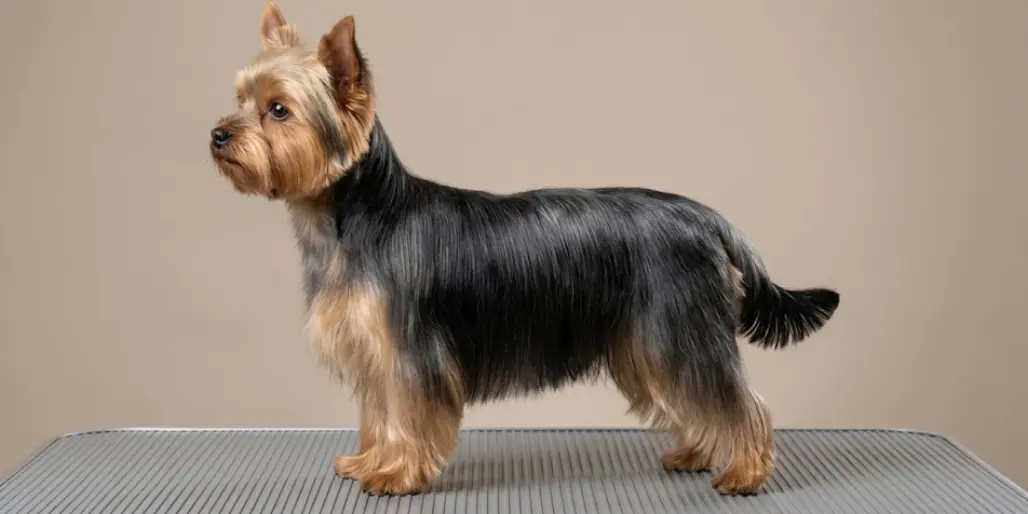
The Yorkshire Terrier, affectionately known as the Yorkie, is a small dog breed with a big personality. This breed guide provides comprehensive dog breed information on their history, characteristics, and care.
History of the Yorkshire Terrier
Origins and Development
The Yorkshire Terrier dog breed has a captivating past, originating in 19th-century England. These charming little dogs were initially bred in Yorkshire by working-class people, particularly weavers, who sought a small dog to control rats and other vermin in textile mills and mines. It’s fascinating how these feisty little dogs, initially known for their rat-catching prowess, evolved into the beloved lap dogs they are today. The breed’s development is a testament to selective breeding, transforming a practical working dog into a popular companion.
Historical Significance
The historical significance of the Yorkshire Terrier lies in its rapid ascent from a working-class pest controller to a fashionable companion for Victorian ladies. These small stature terriers quickly became popular dog breeds, transitioning from their humble beginnings to gracing the laps of royalty and aristocracy. This transformation highlights the breed’s adaptability and enduring charm, solidifying its place in dog breed history. The early Yorkshire Terrier played a vital role in both industrial settings and the homes of the elite, proving its versatility.
Evolution of the Breed
The evolution of the Yorkshire Terrier breed saw several transformations, notably in its size and purpose. Early Yorkshire Terriers were larger than the toy breeds we know today, often a mix of various terrier breeds, including the Paisley Terrier and the Skye Terrier. Over time, breeders focused on reducing their size, leading to the diminutive Yorkie we adore. This careful breeding also refined their distinct blue and tan coat, making them one of the most recognizable small breed dogs.
Physical Characteristics of the Yorkshire Terrier
Size and Weight
The Yorkshire Terrier is a quintessential small dog, a true toy breed, making them perfect lap dogs. Adult Yorkies typically weigh between four and seven pounds and stand about seven to eight inches tall at the shoulder. Their small stature is a defining characteristic, differentiating them from their larger terrier ancestors. Despite their tiny size, these little dogs possess a robust and lively spirit that belies their delicate appearance, making them a popular choice for urban dwellers.
Coat and Color
The coat of a Yorkshire Terrier is one of its most striking features, often likened to human hair in texture. They possess a long, silky, straight coat that is traditionally blue and tan. Yorkie puppies are typically born with black and tan markings, which gradually lighten to the characteristic blue and tan as they mature. This luxurious coat requires regular grooming and daily brushing to prevent tangles and maintain its beautiful sheen. It is also one of the reasons they are often considered a hypoallergenic dog.
Distinct Features
Beyond their luxurious coats, Yorkshire Terriers boast several distinct features that make them instantly recognizable. Their small, V-shaped ears are usually carried erect, and their bright, intelligent eyes convey an alert and inquisitive temperament. Their compact, well-proportioned body and confident gait further emphasize their terrier heritage. These small breed dogs, despite their delicate appearance, are robust and agile, with a charmingly feisty demeanor that endears them to many.
Temperament of Yorkshire Terriers
Personality Traits
The Yorkshire Terrier, or Yorkie, is a small dog with a famously feisty and confident personality, often unaware of its diminutive size. These little dogs are known for being affectionate and loyal companions, forming strong bonds with their families. Despite being lap dogs, they possess a brave and tenacious spirit, characteristic of the terrier breed. Their big personalities make them entertaining and engaging pets, always ready for an adventure or a cuddle.
Social Behavior
Yorkshire Terriers generally get along well with other pets and children, especially when properly socialized from a young age. Early exposure to various environments and individuals is crucial for their development. However, their bold nature means they might try to assert dominance over larger dogs, so supervision is always recommended. They thrive on companionship and can become quite attached, making them wonderful family pets for those seeking a devoted furry friend.
Training and Intelligence
Yorkies are highly intelligent and eager to please, making them relatively easy to train with consistent positive reinforcement. They excel in dog sports like agility and obedience, benefiting greatly from mental stimulation. House training can sometimes be a challenge due to their small bladders, but patience and consistency yield excellent results. Their clever minds respond well to varied training sessions, keeping them engaged and preventing boredom.
Caring for a Yorkie
Grooming Requirements
The luxurious coat of a Yorkshire Terrier demands regular grooming to keep it healthy and free from tangles. Their long, silky hair needs to be brushed daily to prevent mats and maintain its characteristic sheen. Many owners opt for professional grooming every few weeks, or choose a shorter “puppy cut” for easier maintenance. Regular dental care is also crucial, as toy breeds are prone to dental disease.
Diet and Nutrition
A balanced diet is essential for a Yorkshire Terrier’s overall health and well-being. High-quality dog food formulated for small breeds or toy dogs will provide the necessary nutrients. Due to their small stature, Yorkies can be prone to hypoglycemia, so consistent meal times and appropriate portion sizes are important. Always consult with your vet to determine the best diet for your individual Yorkie puppy or adult dog.
Exercise Needs
Despite their small size, Yorkshire Terriers have a surprising amount of energy and require regular exercise to stay healthy and happy. Daily walks and play sessions in a secure area are sufficient to meet their physical needs. Mental stimulation is equally important, so incorporating interactive toys and training sessions helps keep their intelligent minds engaged. These little dogs thrive on activity and love exploring their surroundings.
Yorkshire Terrier Health Considerations
Common Health Issues
Yorkshire Terriers, like many small breed dogs, are prone to certain health conditions that prospective owners should be aware of. Patellar luxation, a dislocated kneecap, is common in toy breeds and can impact their mobility. Another concern for the Yorkshire Terrier breed is portosystemic shunt, a condition affecting blood flow to the liver. Tracheal collapse and dental disease are also prevalent, highlighting the need for vigilance and regular vet check-ups to ensure these little dogs remain healthy.
Pet Insurance Options
Given the potential for various health conditions, investing in pet insurance for your Yorkshire Terrier can provide significant peace of mind. Many providers offer comprehensive plans that cover everything from routine vet visits to emergency surgeries and chronic illness management, which can be particularly beneficial for a small dog like a Yorkie. Exploring different pet insurance options can help offset unexpected veterinary costs, allowing you to focus on providing the best care for your beloved companion without financial stress.
Regular Vet Check-ups
Regular vet check-ups are paramount for the long-term health and well-being of your Yorkshire Terrier. These routine visits allow your veterinarian to monitor for early signs of common health issues, administer necessary vaccinations, and provide guidance on diet and exercise tailored to your Yorkie’s specific needs. Consistent preventative care, including proper dental care and regular grooming, is crucial for addressing any potential health concerns promptly, ensuring your affectionate small dog lives a full and happy life.
Conclusion
Final Thoughts on Yorkshire Terriers
The Yorkshire Terrier is a vibrant and affectionate small dog with a big personality, making them wonderful companions for individuals and families alike. Their unique blend of feistiness and loyalty, combined with their striking blue and tan coat, truly sets this toy breed apart. While they require consistent grooming and attention to potential health conditions, the joy and companionship a Yorkie brings into a home are immeasurable, solidifying their status as a popular dog breed.
Resources for New Owners
For those considering bringing home a Yorkshire Terrier puppy, there are numerous resources available to help you navigate their care. Reputable breeders can provide invaluable insights into the Yorkshire Terrier breed standard and health. Joining a local Yorkshire Terrier Club of America chapter or online forums offers a supportive community for advice on everything from training to grooming. These resources are essential for ensuring a smooth transition for your new furry family member.
Explore the Dog A-Z Breeds Guide
To learn more about various dog breeds and find the perfect companion that fits your lifestyle, explore the comprehensive Dog A-Z Breeds Guide. This valuable resource, provided by Pawandbreeds, offers detailed dog breed information on a wide array of breeds, including insights into their history, temperament, and care requirements, helping you make an informed decision for your next canine friend.
FAQ
Q: What makes the Yorkshire Terrier dog breed so popular as a lapdog?
A: Honestly, it’s the whole package! Yorkies are tiny, adorable, and super affectionate, which makes them perfect lapdog material. This toy dog breed loves snuggling up with their humans and they’ve got just enough sass to keep things interesting. They’re small enough to carry around but have huge personalities packed into those diminutive dogs bodies.
Q: Where did the Yorkshire terrier breed actually come from?
A: This is a fun bit of yorkie history! The breed’s story goes from Scotland to Yorkshire, believe it or not. Scottish weavers moved to Yorkshire, England during the Industrial Revolution and brought small terriers with them. These dogs were originally bred to catch rats in coal mines and textile mills, so despite being little, they’ve got some tough working-class roots.
Q: Is the Yorkie considered a small terrier or something else?
A: Yep, Yorkies are absolutely classified as a small terrier breed! They were originally called the black and tan terrier before getting their current name. Even though they’re now mostly kept as companion animals rather than working dogs, they still have that classic terrier attitude – feisty, alert, and a little stubborn sometimes.
Q: What’s the deal with grooming this dog breed?
A: Get ready, because the amount of grooming a Yorkie needs is no joke! Their long, silky coat requires regular brushing (like daily if you want to avoid tangles) and frequent baths. Many owners choose to keep their Yorkie’s coat trimmed shorter for easier maintenance. If you want that show-dog look with the flowing hair, you’re looking at serious grooming commitment.
Q: How does the American Kennel Club describe the Yorkshire Terrier breed guide standards?
A: According to the American Kennel Club, Yorkies fall into the Toy Group and should have that signature blue and tan coat, compact body, and confident demeanor. The kennel club standards emphasize their alert expression and self-important carriage – basically, they’re supposed to act like they own the place even though they’re tiny!
Q: What health issues should I know about for breed health concerns?
A: When it comes to breed health, Yorkies can be prone to dental issues (their small mouths get crowded easily), so tooth brushing and regular dental cleanings are super important. They can also have problems like patellar luxation, tracheal collapse, and hypoglycemia in puppies. Watch out for loss of appetite too, since that can signal something’s off health-wise, especially in younger or smaller Yorkies.
Q: Can Yorkies work as therapy dogs despite being so small?
A: Absolutely! Don’t let their size fool you – Yorkies make excellent therapy dogs. Their affectionate nature and portable size actually work in their favor for visiting hospitals, nursing homes, and schools. Unlike big dogs that might be intimidating in these settings, a Yorkie’s small stature makes them approachable and easy to have close to patients or residents.
Q: How important is training and socialization for this breed?
A: Super important, even though they’re small! Training and socialization should start early because Yorkies can develop “small dog syndrome” if you let them get away with everything just because they’re cute. They’re smart and food-motivated, so training isn’t too hard, but consistency matters. Early socialization also helps prevent excessive barking or wariness around strangers.
Q: Do Yorkies get along with big dogs and other pets?
A: It depends on the individual dog and how well socialized they are! Some Yorkies do great with big dogs, especially if raised together, but their small size means you’ve gotta supervise interactions to prevent accidental injury. They often don’t realize how tiny they are and might act tough around larger animals, which is where their terrier breed confidence really shows.