Dogs are cherished members of our families, but some behaviors can be less than desirable. One such common issue is a dog begging for food, which can be disruptive and unhealthy for your furry friend. This guide will walk you through understanding why your dog begs and, more importantly, how to effectively teach your dog to stop begging, ensuring a more peaceful mealtime for everyone.
The good news is that begging is one of the most fixable problem behaviors in dog ownership. It does not require complex training — it requires consistency.
For owners looking to tackle begging alongside other behavioral challenges with a structured, long-term approach, the complete dog training guide provides the broader framework that makes every individual lesson stick more reliably
Why Does My Dog Beg for Food?
Understanding Begging Behavior
Understanding the root of your dog’s begging behavior is the first step in addressing it. Many dog owners find it hard to resist the pleading puppy dog eyes or the insistent nudge of a begging dog, but giving in only reinforces the habit. A dog that begs is often seeking attention or food, and their persistence can be quite remarkable. We want your dog to learn that begging at the table is not an effective strategy to get what they want.
Common Reasons Dogs Beg
Dogs often beg for food due to a combination of instinct and learned behavior. From an early age, pups learn that humans are a reliable source of food — and that pleading gaze can be a remarkably effective tool. They may whine, bark, or rest their head on a lap — all tactics designed to secure a scrap of human food. As the American Kennel Club explains in their dedicated guide to stopping dogs from begging at the table, the worst thing an owner can do when a dog begs is give in — because even one success teaches the dog that the strategy works, and they will keep trying it indefinitely. If a dog has ever received food from the table — even inadvertently — the begging habit has already been reinforced.
The Role of Reinforcement in Begging
Reinforcement plays a crucial role in why your dog is begging. Every time your dog gets rewarded, even with a tiny piece of food from the table, their begging behavior is strengthened. If they successfully beg for food once, they will continue to try. Whether it’s a dog treat or a piece of table scraps, any food given during mealtime while your family is sitting down to eat will teach your dog that begging is an effective way to obtain a delicious morsel.
How Can I Stop My Dog from Begging at the Table?
Setting Boundaries During Meal Time
To effectively stop your dog from begging, consistent boundary setting during mealtime is paramount. It’s crucial to teach your dog that human foods are off-limits when the family is trying to eat. This means no table scraps, no matter how much your pup tries to convince you with those puppy dog eyes. Establishing clear rules helps to curb the begging behavior and teach your dog to stop seeking food from the table.
Using Table Scraps Wisely
While the primary goal is to teach your dog to stop begging, if you occasionally want to give your dog a treat, do it wisely and away from the table. Never give your dog a scrap of food directly from your plate during mealtime, as this reinforces the begging habit. Instead, save a small portion of plain, dog-safe human foods and give your pup this dog treat in their bowl at a separate time, reinforcing positive dog training.
Strategies to Redirect Your Dog
Redirecting your dog’s begging behavior is an effective strategy. When your dog is begging, instead of acknowledging or scolding them, try sending your dog to their dog crate or a designated mat away from the table. Ask your dog to go to their bed and reward them with a favorite toy or a dog treat once they settle. This teaches your dog to go to a specific place during mealtime, helping to stop your dog’s begging at the table.
What Training Methods Can I Use to Teach My Dog to Stop Begging?
Positive Reinforcement Techniques
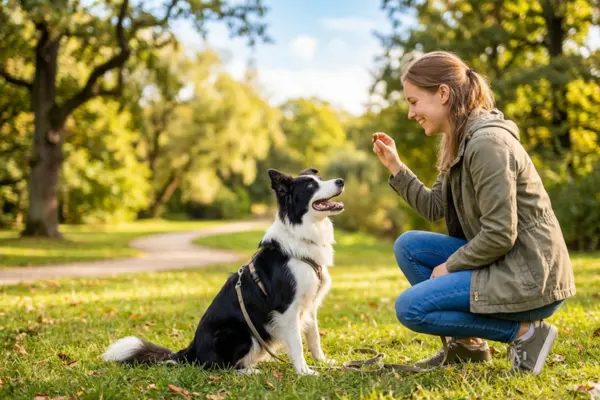
To effectively teach your dog to stop begging, positive reinforcement is a cornerstone of successful dog training. When your dog exhibits desired behaviors, such as lying quietly away from the table during mealtime, it’s crucial to give your pup a dog treat or praise. This method helps your dog associate good behavior with rewards, making them more likely to repeat it and ultimately curb the begging behavior. We want your dog to understand that calm conduct, not persistent begging at the table, is what gets them rewarded.
Crate Training to Manage Begging
Crate training can be an invaluable tool to manage a dog that begs for food. If your dog is begging, sending your dog to their dog crate during mealtime provides a designated, safe space away from the table. This helps to break the habit of begging at the table by removing the opportunity for your dog to beg for food. Ensure the crate is a comfortable space, perhaps with a favorite toy, so your pup views it positively rather than as a punishment, reinforcing good behavior.
Sending Your Dog to a Designated Spot
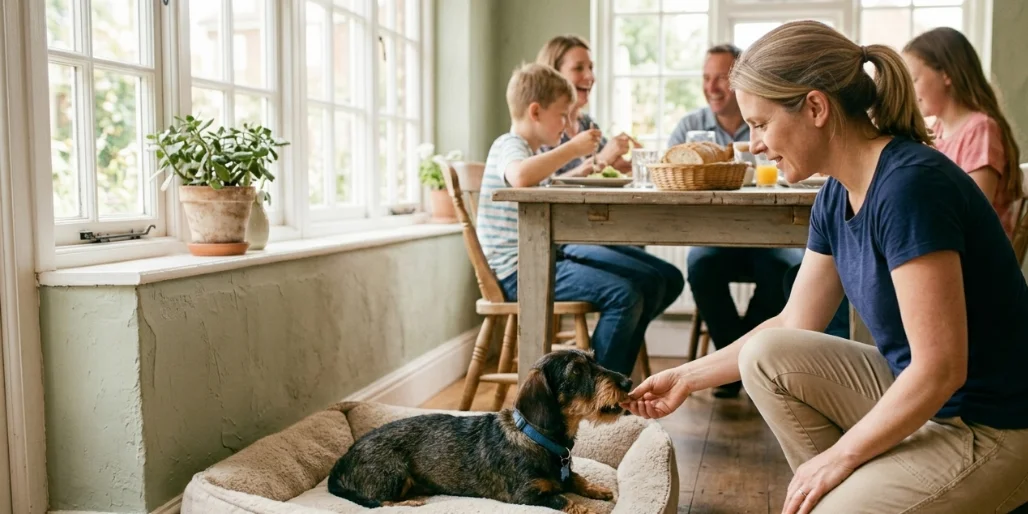
A highly effective method to stop your dog from begging is to teach your dog to go to a designated spot when the family is trying to eat. This might be a dog bed or mat in another room, or simply a specific area in the dining space. When your dog is begging, you can simply ask your dog to go to their bed, and once they comply, give your dog a treat for their cooperation. This positive redirection teaches your dog that staying away from the table during mealtime is what gets them rewarded, preventing them from trying to get a scrap of human food.
How Can I Help My Begging Dog Feel More Secure?
Creating a Calm Eating Environment
Creating a calm eating environment is crucial to help your dog feel more secure and reduce begging at the table. If your dog is constantly stressed or anxious during mealtime, they are more likely to beg for food. Ensure your dog has a quiet space to eat their own dog food, separate from where the family is trying to eat. This helps to teach your dog that their food comes from their bowl, not from human hands or table scraps, reinforcing good habits and reducing the begging behavior.
Providing Alternative Activities for Your Dog
Providing alternative activities can effectively distract your dog from begging for food. When your family is sitting down to eat, give your dog a long-lasting chew toy or a puzzle toy filled with a favorite dog treat. This keeps your dog engaged and happy, away from the table, and helps to break the begging habit. This strategy teaches your dog that desirable things happen when they are not begging, encouraging them to stop your dog’s begging behavior.
Ensuring Your Dog is Crate Trained
Ensuring your dog is crate trained is an excellent way to manage a dog from begging. A well-trained dog crate can serve as a safe haven for your pup during mealtime, offering a secure space away from the temptation of table scraps. Sending your dog to their crate when they start to beg helps to stop your dog from begging by removing them from the situation. This positive reinforcement, when done correctly, can teach your dog to go to their crate voluntarily, thereby reducing begging at the table.
When Should I Seek Professional Help for My Dog’s Begging?
Identifying Serious Behavioral Issues
Identifying serious behavioral issues is important if your dog’s begging goes beyond simple nudging. If your dog whines excessively, barks relentlessly, or displays aggressive behavior when you don’t give your dog a treat, it might indicate a deeper problem. These intense reactions suggest that the begging habit has escalated into a significant behavioral challenge that regular dog training might not fully address, potentially requiring expert intervention to stop your dog’s begging.
Finding a Qualified Dog Trainer
When your efforts to teach your dog to stop begging are not yielding results, finding a qualified dog trainer is the next logical step. A professional dog trainer can assess your dog’s specific begging behavior, identify underlying causes, and implement tailored dog training methods. They can help you effectively teach a dog to stop begging by providing structured guidance and positive reinforcement techniques, ensuring your pup learns to stay away from the table during mealtime.
Understanding the Role of a Veterinarian
Understanding the role of a veterinarian is crucial, as some begging behavior can stem from medical issues. If your dog suddenly starts to beg for food intensely, despite having a balanced diet of dog food, it could be a sign of an underlying health problem, such as nutrient deficiencies or an illness that increases appetite. Consulting your vet can rule out any medical causes before focusing solely on behavioral solutions to teach your dog to stop begging.