Teaching your dog to shake hands is a delightful and impressive dog trick that strengthens your bond and showcases their intelligence. It’s a classic gesture that many pup parents love, often seen as a step towards more complex dog training — explore our dog training guide to see how trick training fits into a broader obedience program. This guide will walk you through the process, making it easy and fun to teach your dog to shake a paw.
Understanding Your Dog’s Behavior
Why Dogs Shake Paws
Dogs don’t naturally shake hands in the way humans do, but they do use their front paws for a variety of reasons. They might paw at your hand for attention, to ask for a treat, or even to initiate play. Understanding these natural paw lifts and movements is the first step in successful dog training, as we’ll be channeling these natural instincts into a desired behavior. It’s a new trick that builds on their existing communication.
Recognizing Your Pup’s Signals
Before you even begin to teach a dog to shake, it’s crucial to pay attention to your pup’s body language and signals. Does your dog offer their paw often when they want something? Do they naturally paw at your hand during playtime? Recognizing these existing behaviors will give you a head start and make it easier to mold the “paw” action into the specific “shake hands” cue we’re aiming for. This insight makes training a dog much smoother.
Choosing the Right Time for Training
Just like with any dog training session, timing is everything when you teach a dog to shake. You want to choose a moment when your dog is relaxed, attentive, and not overly stimulated or tired. Short, positive training sessions are always more effective than long, drawn-out ones. Ensure your dog has had a chance to relieve themselves and is free from distractions, setting the stage for them to happily learn this new trick.
Preparing for Training
Essential Tools for Training Your Dog to Shake
Before you embark on the fun journey of teaching your dog to shake, gathering the right tools is essential for successful dog training. You’ll definitely want some high-value treats that your pup absolutely adores; these will be your primary motivators. A comfortable leash and collar might be useful if you’re starting in a new environment, and having a dedicated, quiet space will greatly aid your dog in learning this new trick.
| Tool | Purpose |
| High-value treats | Primary motivators |
| Clicker | To mark the exact moment your dog performs the desired behavior |
Creating a Distraction-Free Environment
To effectively teach your dog to shake, it’s paramount to create a distraction-free environment. This means choosing a quiet area in your home where your pup can focus solely on you and the task at hand. Turn off the TV, put away your phone, and make sure other pets or family members won’t interrupt your training sessions. A calm setting helps your dog concentrate, making it easier for them to understand what you’re asking and preventing unnecessary frustration for both of you as you train your dog to shake.
Establishing a Training Routine
Consistency is key when you teach a dog to shake hands, so establishing a regular training routine is crucial. Aim for short, frequent training sessions – perhaps 5-10 minutes, a couple of times a day. This keeps your dog engaged and prevents them from getting bored or overwhelmed. Always end on a positive note, even if it’s just for a small success, to keep your pup enthusiastic about future dog training. A predictable routine helps your dog anticipate and enjoy the learning process for this delightful dog trick.
Teaching Your Dog to Shake Hands
Step-by-Step Guide to Teach a Dog to Shake
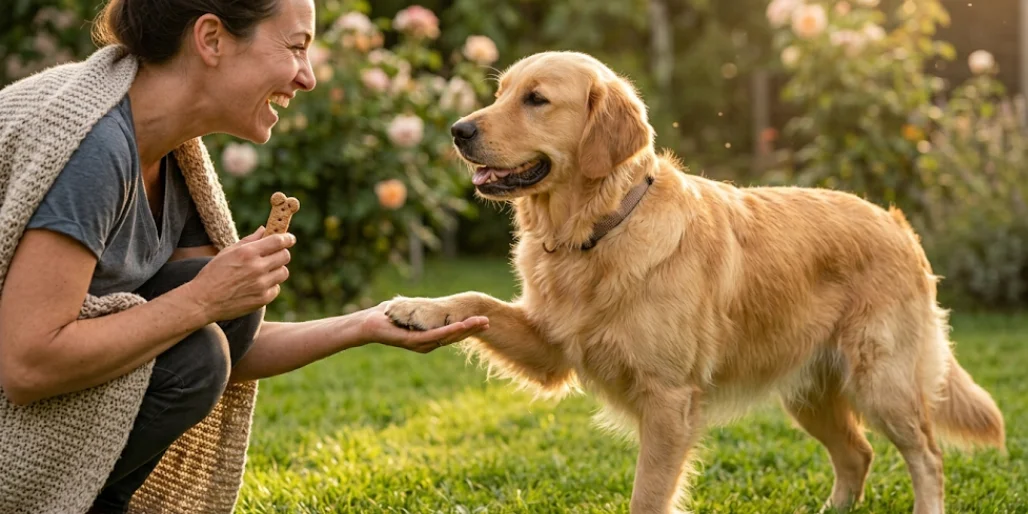
Let’s get down to the exciting part of how to teach a dog to shake! To begin the process:
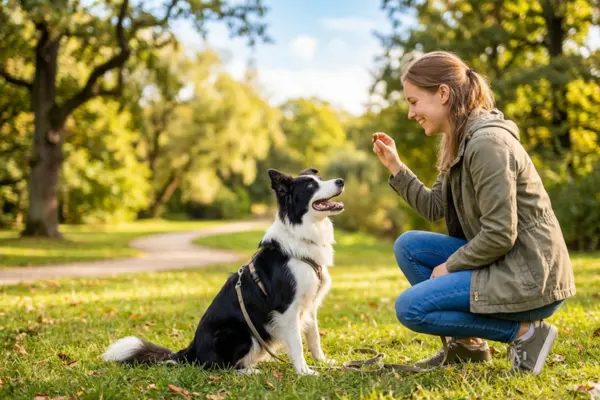
- Ask your dog to sit facing you. Hold a high-value treat in your closed fist, letting your pup sniff it.
- Gently lower your hand towards their paw, or wait for them to naturally paw at your hand to try and get the treat.
- The moment their paw touches your hand or they lift a paw, say “yes” or use your clicker, then immediately give them the treat.
Repeat this several times until your dog consistently lifts their paw towards your hand — a method that closely mirrors the official American Kennel Club (AKC) approach to teaching this classic trick.
Using Positive Reinforcement Techniques
Positive reinforcement is the cornerstone of effective dog training, especially when you teach your dog to shake. Every time your dog offers their paw, even if it’s just a slight paw lift, immediately reward them with a high-value treat and enthusiastic praise. This creates a positive association with the “shake hands” action, making your pup eager to repeat the behavior. Avoid any punishment or scolding, as this can confuse and discourage your dog. The goal is to make learning this new trick a fun and rewarding experience for your dog.
Common Mistakes to Avoid When Teaching Your Dog to Shake
When you teach a dog to shake, there are a few common pitfalls to steer clear of. One major mistake is making training sessions too long, which can bore or frustrate your pup. Another is not being consistent with your cue; always use “shake” or “paw” clearly. Don’t push or force your dog’s paw onto your hand, as this can be unpleasant for them. Also, avoid only rewarding perfect shakes; initially, reward any paw lift or paw touches your hand to build confidence. Patience and positivity are vital for successful dog training and for your dog to learn this charming dog trick.
Advanced Techniques
Transitioning from Treats to Praise: Phase Out the Treat
Once your pup consistently offers their paw on cue and the “shake hands” behavior is well-established, it’s time to gradually phase out the treat as the primary reward. This step is crucial for ensuring your dog performs the “shake a paw” trick not just for food, but for the joy of pleasing you and receiving your attention. You can do this by:
- Slowly reducing the frequency of giving a high-value treat after every successful shake.
- Intersperse treats with enthusiastic verbal praise, petting, or a quick game of fetch instead.
Your dog learns to associate the action with your happiness, making “shake hands” a truly interactive dog trick.
Incorporating the High Five Trick
Once your dog has mastered the basic “shake hands,” teaching them the “high five” is a fantastic next step and a great way to advance their skills. The mechanics are very similar: ask your dog to sit, hold a treat slightly higher than you would for a regular shake, encouraging your dog to lift his paw higher towards your open palm. When their paw lands in your hand, immediately say “yes” and give them the treat. This progression helps solidify their understanding of the paw action and introduces a fun variation, making it another impressive dog trick to add to their repertoire.
Enhancing Your Dog’s Skills with Variations
Beyond the standard “shake a paw” and “high five,” there are numerous variations to enhance your dog’s skills and keep training sessions exciting. You can teach your pup to “wave” by having them lift a paw without touching your hand, or even “cross paws” by asking for a shake with one paw, then immediately asking for another with the other paw. These variations not only make the training a dog process more engaging but also challenge your dog mentally, building their confidence and strengthening your bond as they master each new trick.
Maintaining Your Dog’s Skills
Regular Practice for Consistent Performance
To ensure your dog’s “shake hands” skill remains sharp and consistent, regular practice is absolutely essential. Just like any learned behavior, if it’s not reinforced, it can fade over time. Integrate short, fun training sessions into your daily routine. Even a few minutes of asking your dog to shake hands a couple of times a day can make a significant difference. This consistent reinforcement helps your dog remember the cue and keeps the dog trick fresh in their mind, allowing them to confidently offer a paw whenever asked.
Engaging in Fun Training Sessions
Keeping training sessions fun and engaging is key to maintaining your dog’s enthusiasm for performing the “shake hands” trick. Avoid repetitive, boring drills. Instead, try practicing in different environments, such as during walks or at the park, to help your dog generalize the behavior. Incorporate the “shake a paw” into other activities, like asking for a shake before giving them their meal or before going for a walk. Making it a positive and enjoyable experience ensures your pup remains eager to participate and show off their impressive dog training.
Tracking Progress and Celebrating Success
Tracking your dog’s progress and celebrating every success, no matter how small, is a powerful motivator for both you and your pup. You can keep a simple log of how consistently your dog performs the “shake hands” trick. When your dog learns a new variation or performs the trick flawlessly in a distracting environment, make a big deal about it! Give them extra praise, a special high-value treat, or a favorite toy. This positive reinforcement reinforces the desired behavior and ensures your dog continues to enjoy learning and performing their delightful dog trick.