Teaching your dog their name is one of the most fundamental steps in building a strong relationship and ensuring their safety. It’s more than just a label; it’s a crucial command that underpins all future dog training — see our dog training guide for the complete roadmap of what comes after name recognition. A well-taught name means your pup will always be responsive to your voice, making walks safer and communication clearer.
Understanding the Importance of Teaching Your Dog Their Name
Why a Name Matters for Your Puppy
For your new puppy, their name is the very first lesson in understanding that you’re communicating directly with them. It helps your pup distinguish themselves from other dogs or even other members of your household. When you teach a puppy its name, you’re not just giving them a label; you’re laying the groundwork for all future interactions and commands. This early name recognition helps your puppy feel more secure and connected to you, knowing when you’re specifically addressing them in a sea of sounds and commands. It’s truly foundational for every other aspect of dog training you’ll embark on together.
The Role of a Name in Dog Training
A dog’s name is the lynchpin of effective dog training. Before you can teach a dog to sit, stay, or come, they first need to understand that when you say their name, you’re trying to get their attention. It’s the ultimate ‘listen up’ signal, a crucial precursor to any other command. When you say their name in a happy tone, it immediately tells your dog that you’re about to issue an instruction or engage with them. Without this fundamental name recognition, every other command becomes a struggle, as your dog won’t know when they’re supposed to be listening — a point the American Kennel Club (AKC) also emphasises as the very first step in any structured training program. It really sets the stage for a much smoother and more successful training journey for both you and your pup.
Benefits of a Dog That Responds to Their Name
A dog that responds reliably to their name brings a wealth of benefits, significantly enhancing their safety and your peace of mind. For instance, this simple command:
- Prevents countless mishaps by allowing you to call your dog back from potentially dangerous situations, like running towards a busy road.
- Strengthens the bond between you and your pup, as they learn to associate their name with positive interactions and your happy tone.
A dog that turns to look when you say his name is a dog that is engaged and ready to learn, making all future training sessions more productive and enjoyable for everyone involved.
Steps to Teach Your Dog Their Name
Choosing the Right Time and Environment
When you’re ready to teach your dog their name, picking the right time and environment is absolutely crucial for successful dog training. You want to start in a quiet, distraction-free space where your puppy can really focus on you and hear their name without being overwhelmed by other stimuli. To achieve this, consider the following:
- Start in a quiet, distraction-free space.
- Choose times when your pup is naturally more attentive, such as before a meal or during a calm play session.
This initial setup ensures that when you say the name, your dog can quickly and easily associate their name with your voice and the positive experience of your attention, setting a strong foundation for future learning.
Using Positive Reinforcement Techniques
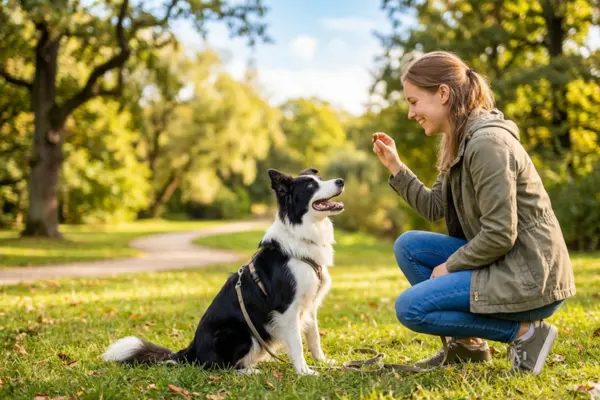
Positive reinforcement is the cornerstone of teaching your dog their name effectively. Every time you say the name and your dog turns to look at you, immediately give your dog a treat and offer enthusiastic praise in a happy tone. You want your puppy to associate their new name with positive outcomes. When it comes to reinforcing this positive association, there are a few key things to consider:
- Small, soft treats that your dog can quickly and easily eat are perfect, as they don’t interrupt the flow of the training session.
- You can even incorporate a clicker alongside the treat to mark the exact moment your dog responds, making the connection even clearer.
This method encourages your pup to respond to their name eagerly, understanding that good things happen when they do.
Consistency in Training Sessions
Consistency is key when you teach your dog their name; it’s not a one-and-done lesson. Regular, short training sessions, perhaps 5-10 minutes a few times a day, will yield much better results than sporadic, long ones. Make sure everyone in the household uses the same happy tone when they say the name and follows the same positive reinforcement techniques. Start in that quiet environment, and as your dog knows their name reliably, gradually introduce more distractions. If your dog is not looking at you when you say the name, gently get their attention, but always wait until your dog turns to look before rewarding them. This consistent approach ensures your dog will respond to their name reliably, no matter the situation.
Common Challenges and Solutions
Dealing with Distractions
Once your dog knows their name in a quiet environment, the next step is to introduce distractions gradually. It’s a common challenge, but essential for solid name recognition. Start with minor distractions, like a toy in the room but not actively being played with, or another person sitting quietly nearby. As your dog successfully responds to their new name, you can slowly increase the level of distraction. If your dog is not looking at you, go back to a less distracting environment. Remember to keep a happy tone and give your dog a treat immediately when your pup turns to look, ensuring the association of their name with positive reinforcement remains strong.
When Your Dog Doesn’t Respond
It can be frustrating when you teach a dog their name, and they don’t seem to respond, but don’t give up! First, ensure you’re in a quiet, distraction-free environment. If your dog is not looking at you when you say the name, try using a higher-value treat or a more enthusiastic happy tone. You might also need to get closer to your pup initially. Sometimes, a gentle tap on their shoulder or a slight movement to get their attention before you say the name can help, but always wait until your dog turns to look before offering the treat. If they’re on a leash, a gentle tug can redirect their attention to you before you say the name. Persistence with positive reinforcement will pay off, helping your dog to respond to their name reliably.
Tips for Different Breeds and Ages
Teaching your dog their name can vary slightly depending on their breed and age. Younger puppies often have shorter attention spans, so keep training sessions very brief, perhaps just a minute or two, multiple times a day. Older dogs, especially rescues, might have learned a different name or simply not had this foundational dog training, so patience is key. For some breeds, particularly those known for independence, you might need to use extra enticing soft treats that your dog can quickly and easily consume, or incorporate a clicker for more precise timing. Regardless of whether you teach a puppy or an older dog, the core principles of a happy tone, consistency, and positive reinforcement remain crucial to help your dog respond to their name.
Maintaining Your Dog’s Name Recognition
Regular Practice and Reinforcement
Once you teach your dog their name and they reliably respond, the real work begins in maintaining that name recognition. Regular practice is absolutely essential; it’s not enough to just teach a dog their name once. Integrate short, fun practice sessions throughout your day. For instance, before giving your dog a treat, say their name. When your dog turns to look, give your dog a treat and offer enthusiastic praise. You can use a clicker here too, to mark the exact moment your dog turns to look. This consistent reinforcement, always paired with a happy tone, keeps the association strong and ensures your dog continues to respond to their name eagerly, making it a reliable cue for life.
Integrating Name Recognition into Daily Activities
To truly solidify your dog’s understanding of their new name, weave name recognition into as many daily activities as possible. Instead of just calling your dog for dinner, say their name first. Before putting the dog on a leash for a walk, say the name and wait until your dog turns to look before clipping it on. Even during play, pause briefly, say their name, and when your dog turns, toss a toy or engage in a quick game of tug. This constant, gentle reminder helps your pup understand that their name is a precursor to good things and attention, reinforcing the lesson without making it feel like formal dog training. The more naturally it’s integrated, the more reliable your dog’s response will become.
Measuring Progress and Adjusting Techniques
As you continue to reinforce your dog’s name, it’s helpful to observe their progress and be ready to adjust your techniques. Are they responding in more distracting environments? Are they quicker to respond to their name? If your dog is not looking at you as consistently as before, it might be time to revisit earlier steps, perhaps going back to a quieter environment or using higher-value soft treats that your dog can quickly and easily consume. Don’t be afraid to try different happy tones or even incorporate a clicker again to sharpen their response. Continuously evaluating how well your dog knows their name allows you to fine-tune your approach, ensuring that your pup maintains excellent name recognition throughout their life.