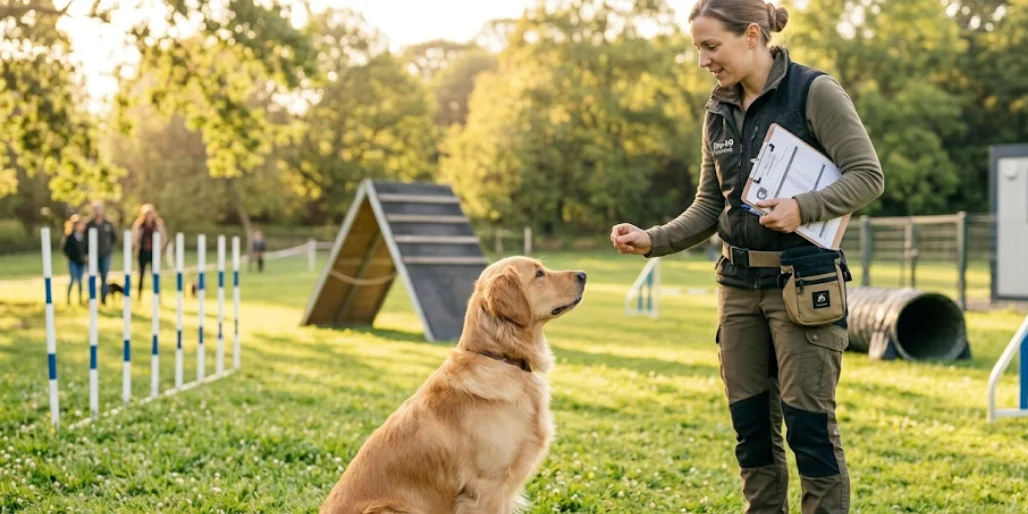
Navigating life with ADHD presents unique challenges, but what if a furry, four-legged friend could offer consistent support and structure? This article will delve into the world of ADHD service dog training, offering invaluable tips for neurodivergent owners looking to train their own psychiatric service dog.
Understanding ADHD and Service Dogs
What is ADHD?
Attention Deficit Hyperactivity Disorder, or ADHD, is a neurodevelopmental condition that many people are diagnosed with, characterized by persistent patterns of inattention, hyperactivity, and impulsivity. These ADHD symptoms can manifest differently in each person, ranging from difficulty focusing on specific tasks and managing time to experiencing restlessness or making impulsive decisions. For adults with ADHD, these challenges can impact various aspects of daily life, from work and relationships to personal well-being. Understanding the nuances of the ADHD brain is crucial for anyone looking to get a service dog, as it helps tailor the dog training to effectively mitigate these unique hurdles.
How a Service Dog Can Help Individuals with ADHD
A service dog can help individuals with ADHD in numerous ways, providing a stable and consistent presence that can significantly alleviate many ADHD symptoms. An ADHD service dog is specifically trained to perform tasks that offer psychiatric service, such as reminding their handler to take medication, interrupting repetitive behaviors, or even helping locate lost items like keys or phones, which is a common struggle for someone with ADHD. The presence of a psychiatric service dog can also provide a grounding effect, helping to regulate emotions and reduce overwhelm — the same structured, calm-focused techniques used in reactive dog training often translate well when teaching a service dog to stay composed in overstimulating environments.
Differences Between Service Dogs and Emotional Support Dogs
It’s vital to understand the distinctions between a service dog and an emotional support dog, as their roles and legal protections vary significantly. A service dog is individually trained to perform specific tasks directly related to a person’s disability, making them a type of service animal recognized under the Americans with Disabilities Act (ADA). An ADHD service dog, for instance, performs service dog tasks that mitigate the handler’s ADHD symptoms. In contrast, an emotional support dog primarily provides comfort and companionship, and while they can offer emotional support, they do not require specialized dog training to perform specific tasks. An ESA letter from a mental health professional may be needed for an emotional support animal, but they do not have the same public access rights as a service animal.
Choosing the Right Service Dog for ADHD
Qualities to Look for in a Service Dog
When considering a service dog for ADHD, certain qualities in a prospective pup are paramount to ensure they can effectively provide common tasks like medication retrieval. A calm and stable temperament is crucial, as a psychiatric service dog needs to remain focused and composed even in distracting environments, which can be challenging for people with ADHD. The breed can play a role, with intelligent and trainable breeds often excelling, but ultimately, the individual dog’s personality and potential for dog training are more important. Look for a dog that shows good problem-solving skills, is eager to please, and can form a strong bond with its handler, as this connection is vital for successful service dog tasks and overall support for someone with ADHD.
Getting a Service Dog: The Process Explained
The journey to get a service dog involves several key steps, starting with thorough research and self-assessment to ensure an ADHD service dog is the right fit for your needs. You can either acquire a fully trained psychiatric service dog from a reputable organization or choose to train your own dog, often with the guidance of a professional dog trainer specializing in easy to train puppies and adult dogs. If opting to train a service dog yourself, it’s essential to establish clear training goals and commit to consistent dog training sessions, gradually introducing complex service dog tasks. The process involves extensive socialization, obedience training, and specialized task training to mitigate specific ADHD symptoms, ensuring your service animal is well-prepared for public access and can truly help adults with ADHD.
ADA Regulations for Service Dogs
Understanding the Americans with Disabilities Act (ADA) regulations is vital for any service dog owner, especially for those with an ADHD service dog. The ADA grants service animals, including psychiatric service dogs, public access rights, allowing them to accompany their handlers in most public places where pets are typically not permitted. It’s important to remember that a service dog must be trained to perform specific tasks directly related to the handler’s disability – in this case, to mitigate ADHD symptoms. This differentiates them from emotional support dogs or emotional support animals, which do not have the same public access rights. Handlers should be prepared to answer two specific questions if challenged: ‘Is the dog a service animal required because of a disability?’ and ‘What work or task has the dog been trained to perform?’ — as outlined by the Americans with Disabilities Act (ADA) National Network.
Training Your ADHD Service Dog
Essential Service Dog Tasks for ADHD
When training your ADHD service dog, focusing on specific tasks that directly mitigate the challenges associated with Attention Deficit Hyperactivity Disorder is paramount. A psychiatric service dog for someone with ADHD can be trained to perform a variety of crucial tasks like retrieving items or providing reminders. For instance, a common struggle for people with ADHD is forgetfulness, so a service dog can be taught to perform common tasks like retrieving medication reminders or even locating lost items like keys, wallets, or phones. Another invaluable task is interruption; the dog can nudge or paw its handler to interrupt repetitive behaviors such as skin picking or obsessive pacing, or to refocus attention during periods of intense distraction, which are common symptoms of ADHD. These tailored interventions allow the psychiatric service dog to provide practical, moment-to-moment support for daily tasks.
Steps to Train a Service Dog
Training a service dog for ADHD involves a structured approach, starting with foundational obedience and then progressing to specialized service dog tasks. Begin with basic obedience commands like sit, stay, come, and heel — our dog training guide covers these foundational commands in detail before you move on to specialized service dog tasks Consistent dog training sessions, kept short and engaging, are key, especially for someone with ADHD who might also struggle with sustained focus. Gradually introduce tasks that address your specific ADHD symptoms, breaking down complex behaviors into smaller, manageable steps. Positive reinforcement is crucial; reward your service animal consistently for correct responses to build confidence and reinforce desired behaviors. The ultimate goal is to train your dog to reliably perform tasks that directly support your needs as a handler with ADHD.
Working with Professional Trainers
While it’s possible to train a service dog yourself, many people with ADHD find immense benefit in working with professional dog trainers specializing in training and support for psychiatric service dogs. A professional dog trainer can provide invaluable guidance, helping to structure your dog training program, troubleshoot challenges, and ensure your ADHD service dog is properly socialized and prepared for public access under ADA guidelines. They can help you identify the most effective service dog tasks for your individual ADHD symptoms and teach you the best methods to communicate with your pup. Partnering with an experienced trainer not only streamlines the training process but also ensures your service animal develops the necessary skills and temperament to be a reliable and effective psychiatric service dog, ultimately enhancing your quality of life.
Living with an ADHD Service Dog
The Role of the Handler
Living with an ADHD service dog introduces a dynamic partnership where the handler’s role is just as crucial as the service animal’s. As the primary caregiver and leader, the handler is responsible for maintaining the dog’s well-being, which includes consistent feeding, exercise, and ongoing dog training to reinforce service dog tasks. For people with ADHD, this can sometimes present challenges related to executive dysfunction, but the consistent presence of the psychiatric service dog itself often provides the necessary structure and motivation. The handler must also be attuned to their psychiatric service dog’s needs and signals, ensuring a strong bond and effective communication. This symbiotic relationship means that as the service dog helps mitigate ADHD symptoms, the handler, in turn, provides the stable environment essential for the dog to perform its best.
Daily Routines and Activities with Your Service Dog
Integrating a service dog into daily routines and activities significantly transforms life for someone with ADHD. The presence of an ADHD service dog can help establish and maintain structure, which is often a struggle for children with ADHD. For instance, the service animal can be trained to nudge its handler at specific times for medication, or to signal when it’s time to start a task, helping to manage time blindness. When going out, your service dog accompanies you, providing a calming presence and helping to navigate potentially overstimulating environments, a common experience for adults with ADHD. Consistent daily walks and playtime are not just for the dog’s health; they also provide routine and physical activity for the handler, which can positively impact ADHD symptoms.
How to Advocate for Your Service Dog Rights
Understanding and advocating for your service dog rights is essential for any service dog owner, particularly those with an ADHD service dog. Under the Americans with Disabilities Act (ADA), your psychiatric service dog has public access rights, meaning they can accompany you in most public places. However, misunderstandings can arise, and you might encounter individuals or businesses who are unaware of these laws. Being prepared to calmly and clearly explain that your dog is a service animal, trained to perform specific tasks related to your disability (ADHD), is crucial. While you are not required to disclose your specific disability, you should be ready to answer the two permissible questions about your service animal. Carrying an identification card or vest for your service dog, while not legally required, can often help smooth interactions, preventing unnecessary confrontation and allowing you to confidently navigate the world with your valuable companion.
FAQ’s
Q: How can dog training help someone with adhd manage symptoms of attention deficit hyperactivity disorder?
A: A: Dog training tailored for ADHD can create structure, routines, and predictable cues that help with impulsive behavior and executive function. Teaching a dog to prompt breaks, perform grounding tasks, or interrupt repetitive movements gives external support for symptoms of your adhd, and training treats and short, consistent sessions work best for both high energy dogs and adhd brains.
Q: Can a psychiatric service dog or psychiatric service actually qualify for someone with adhd?
A: A: Yes — an assistance dog or psychiatric service dog can help children and adults with adhd if a licensed mental health professional documents that you need a service dog to mitigate symptoms. A licensed mental health professional can support an adhd diagnosis and explain how a trained service can perform important tasks that address your adhd impacts.
Q: What kinds of tasks performed by an adhd service dog are most helpful for adhd patients?
A: A: Common tasks service dog handlers teach include task reminders for medication or appointments, deep-pressure or grounding when anxiety spikes, interrupting impulsive behavior, and nudging to focus or take a break. The level of training varies — some service dogs are trained for basic prompts, while others learn complex routines to help manage daily executive function challenges.
Q: How do I start training a dog if I’m diagnosed with adhd and worried about consistency?
A: A: Start small: short sessions, predictable times, and high-value training treats. Focus on one task at a time, use visual checklists, and consider working with a trainer experienced with neurodivergent handlers during your training journey. Adaptive strategies like timers and written plans help children with ADHD stick to practice and build momentum.
Q: What’s the difference between a service dog and a therapy dog for someone with attention deficit hyperactivity disorder?
A: A: An assistance dog or psychiatric service dog is trained to perform specific tasks like medication reminders and is protected in public spaces under access laws. A therapy dog offers comfort in settings like hospitals but doesn’t qualify for public access rights. If you need specific, trained service for symptoms of your adhd, a trained service dog is the proper route.
Q: How do service dog handlers handle public spaces and what should I know about rights like “service dogs are protected”?
A: A: Service dogs are protected in most public spaces, meaning handlers can take your dog to stores, transit, and other public areas when the dog is trained to perform important tasks. Businesses can ask only two questions: whether the dog is required because of a disability and what tasks the dog performs. Avoid carrying unnecessary paraphernalia that implies a therapy or pet status if you need full public access.
Q: Can training dogs help with high energy and impulsivity common in an adhd brain?
A: A: Absolutely — dog work that channels energy into structured activity (fetch, scent games, agility) reduces excess energy and gives the dog a job, while impulse-control exercises (wait, leave it) model self-regulation. Regular dog for a walk routines and mentally engaging tasks help both a dog and owner manage high energy together.
Q: What should I discuss with a licensed mental health professional before getting an adhd service dog?
A: A: Talk about symptoms of your adhd, daily functional limitations, and which service dog tasks would be most helpful. A licensed mental health professional can support an adhd diagnosis and document how a service dog can perform tasks to mitigate disability — that documentation is often needed to qualify for a service dog program or to access resources.
Q: Are there risks or downsides to asking a dog to do too much for adhd patients?
A: A: Yes — over-relying on a dog can create unrealistic expectations and stress for both handler and dog, making training and support essential. Training should match the dog’s temperament and level of training, and owners should avoid assigning tasks that could compromise the dog’s welfare. Balance dog work with other supports like therapy, medication if prescribed, and behavioral strategies for best outcomes.