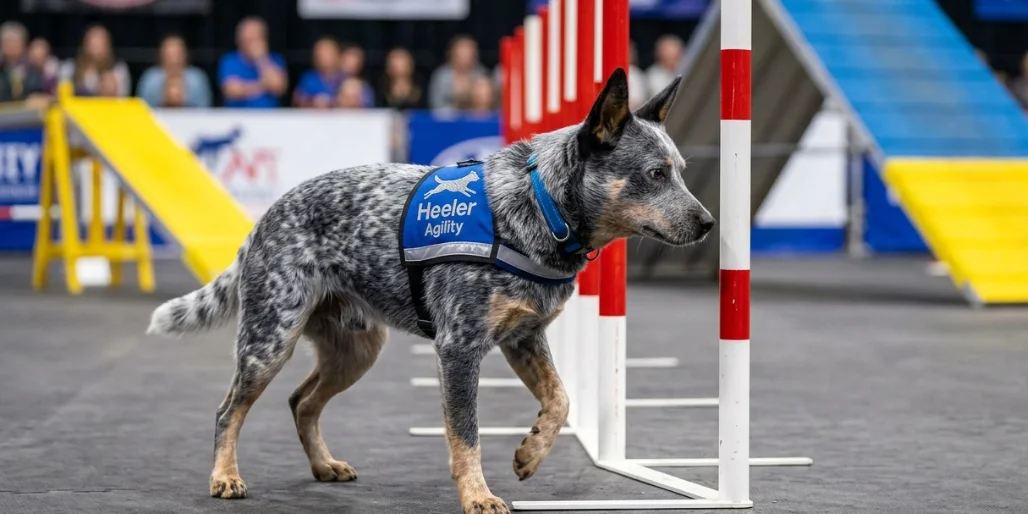
Welcome to Pawandbreeds, your ultimate resource for dog breeds and expert advice! If you’re a proud owner of an Australian Cattle Dog, often known as a Blue Heeler, you’ve come to the right place. This guide is part of our comprehensive training strategies to help you raise a well-adjusted dog. dog breeds guide, and it’s dedicated to providing you with the best Blue Heeler puppy training tips to help your new energetic pup grow into a well-behaved and happy companion.
Introduction to Blue Heelers
Overview of the Australian Cattle Dog Breed
The Australian Cattle Dog, affectionately known as the Blue Heeler, is a truly remarkable breed with a rich history rooted in the rugged Australian outback. Bred primarily to herd cattle over vast distances and challenging terrains, these working dogs possess an incredible combination of intelligence, stamina, and resilience. If you’re training a Blue Heeler, understanding their origins as a herding dog will be essential to grasping their innate behaviors and ensuring you provide the right training.
Characteristics of Blue Heelers
Blue Heelers are easily recognizable by their distinctive blue or red mottled coats, but their physical appearance is just one aspect of what makes them unique. These dogs are packed with energy and intelligence, making them fantastic companions for active individuals or families. Their alert nature and strong herding instincts mean they are always ready for action, and without proper care, they can easily get bored and develop undesirable behaviors. This is due to several key traits:
- They are truly an intelligent, trainable dog that thrives on engagement and playtime.
- They require proper mental stimulation and physical exercise.
Importance of Training for Puppies
Puppy training is absolutely crucial for a Blue Heeler puppy, perhaps even more so than for many other breeds, due to their high energy and inherent working dog traits. Early and consistent dog training helps to channel their natural instincts positively, preventing several potential issues:
- Nipping can be addressed through consistent training strategies and rewarding positive behaviour, helping to channel their excess energy into more constructive activities.
- Excessive barking can often be mitigated through proper training strategies and engaging playtime.
- Separation anxiety
A well-structured training series, starting with basic commands like “sit” and house training, lays the foundation for a well-adjusted adult dog, particularly for working breeds like the Blue Heeler. It is vital to embark on this journey from the moment you bring your pup home, ensuring they have plenty of opportunities to sniff and explore.
Understanding Your Blue Heeler Puppy
Understanding your Blue Heeler puppy is key to successful training and a happy life together. At Pawandbreeds, we know that every pup is unique, but Blue Heelers share some common traits that are important for every dog owner to recognize. This section, part of our extensive dog breeds guide, will help you delve into the specific behavioral traits and developmental stages of your Australian Cattle Dog, and offer essential blue heeler training tips. It’s all about getting the right training for your new family member, ensuring they thrive and avoid common pitfalls like separation anxiety or destructive behaviour from becoming bored.
Behavioral Traits of Blue Heelers
Blue Heelers are known for their incredibly intelligent dog nature and high energy. These working dog traits mean your blue heeler puppy will likely display strong herding instincts from a young age. To manage these natural behaviors, it’s crucial to understand a few key aspects:
- They may attempt to herd family members or other pets by nipping at heels, especially if they have excess energy that needs to be channeled.
- Early socialization and consistent dog training are essential.
- Without proper mental stimulation and plenty of opportunities to exercise, they can become restless, leading to undesirable actions.
Understanding these traits is the first step in successfully training a Blue Heeler.
Developmental Stages of a Blue Heeler Puppy
Just like human children, Blue Heeler puppies go through distinct developmental stages, each presenting unique opportunities and challenges for dog training. From the curious exploration phase as a young pup to the more independent adolescent stage, understanding these periods is vital for effective puppy training. During critical socialization windows, exposure to various sights, sounds, and experiences can prevent future anxieties and build a confident Australian Cattle Dog. A well-structured training series should align with these stages, introducing new commands and reinforcing good behavior as your pup grows.
How to Assess Your Puppy’s Needs
Assessing your blue heeler puppy’s individual needs goes beyond just providing food and shelter; it involves observing their unique personality, energy levels, and responses to training sessions. A keen first time dog owner will notice if their pup is getting bored, anxious, or over-stimulated. This assessment will guide you in tailoring your training approach, whether it means more mental stimulation through puzzle toys, increasing physical exercise, or adjusting the pace of your training an Australian Cattle Dog. Professional dog trainers can also offer valuable insights to help you understand and meet your pup’s specific requirements, ensuring you provide the right training for a happy and well-adjusted adult. For more training tips visit pawandbreeds.
Training Tips for Blue Heelers
At Pawandbreeds, we understand that training a Blue Heeler is a rewarding journey that requires patience, consistency, and effective training strategies to keep them engaged and prevent them from becoming bored. Blue Heelers, with their incredible energy and intelligence, thrive on clear communication and structured training. This section of our dog breeds guide is packed with essential Blue Heeler training tips designed to help first-time dog owners and experienced trainers alike. Remember, early and consistent dog training is the cornerstone of developing a well-behaved and happy Australian Cattle Dog. For comprehensive guidance on various dog breeds and their specific training needs, be sure to explore the rest of Pawandbreeds.
Basic Commands Every Blue Heeler Should Learn
Starting with basic commands is absolutely crucial when you train your Blue Heeler puppy. Commands like “sit,” “stay,” “come,” and “down” form the foundation of good behavior and are vital for your pup’s safety and your peace of mind. Due to their intelligent dog nature and high energy, Blue Heelers pick up commands quickly, so consistent, short training sessions several times a day are more effective than infrequent, long ones. Positive reinforcement, such as treats and praise, will make these sessions enjoyable and strengthen the bond between you and your Australian Cattle Dog.
Effective Training Techniques for Australian Cattle Dogs
When it comes to training an Australian Cattle Dog, using effective training strategies is paramount. These working dog breeds respond exceptionally well to positive reinforcement and clear, consistent commands, which help them manage their excess energy. Given their strong herding instincts, incorporating activities that mimic herding, even without cattle, can be incredibly beneficial for mental stimulation. Avoid harsh corrections, as these can make your Blue Heeler puppy timid or defiant. Instead, focus on rewarding desired behaviour during playtime, like “sit,” making training a positive experience for both you and your pup, reducing the chances of them becoming bored.
Common Challenges in Training Blue Heelers
While Blue Heelers are intelligent dogs, training a Blue Heeler puppy can present unique challenges. Their high energy and natural herding instincts can sometimes lead to nipping at heels, especially when they are young and excited. Separation anxiety can also be an issue if they are not properly socialized or left alone for extended periods. Consistency is key to overcoming these hurdles; persistent and patient dog training, coupled with plenty of physical exercise and mental stimulation, will help mitigate these common behaviour problems in your Australian Cattle Dog.
Advanced Training for Your Cattle Dog
Once your Blue Heeler has mastered basic commands, it’s time to explore advanced training to further challenge their incredible intelligence and energy. These working dog breeds thrive on having a “job” to do, and advanced training provides the mental stimulation they crave, preventing them from becoming bored and allowing them to work off their excess energy. At Pawandbreeds, we advocate for continuing your dog’s education beyond the basics to ensure a well-rounded and fulfilled Australian Cattle Dog. If you’re interested in how the Australian Cattle Dog compares to other popular herding breeds, check out our in-depth comparison at Australian Cattle Dog vs Australian Shepherd. Advanced training not only strengthens your bond but also unlocks your Blue Heeler’s full potential, offering them the right training.
Herding Exercises for Blue Heelers
Given that Blue Heelers are renowned herding dog breeds, incorporating herding exercises into their training regimen is a natural and highly beneficial step. Even if you don’t have access to livestock, there are many ways to simulate herding activities. These exercises tap into their innate herding instincts, providing immense mental stimulation and physical exercise. Structured training sessions involving agility courses or even just guiding a large ball can fulfill their working dog drive, helping your Blue Heeler puppy develop focus and control, and preventing undesirable behaviour like nipping.
Socialization Tips for Blue Heeler Puppies
Socialization is a critical aspect of raising a well-adjusted Blue Heeler puppy, especially considering their strong herding instincts and protective nature. Early and consistent exposure to various people, places, sounds, and other dogs is essential to prevent fear or aggression later in life. Positive socialisation experiences build confidence and teach your pup appropriate behaviour in different situations. A well-socialized Australian Cattle Dog is less likely to develop separation anxiety and will be a much happier and more adaptable companion in any environment.
Creating a Training Schedule
Developing a consistent training schedule is vital for a Blue Heeler, particularly given their high energy and intelligence. A well-structured training series ensures that your Blue Heeler puppy receives regular mental stimulation and physical exercise, which are crucial for managing their behaviour and preventing them from getting bored. Integrate short, frequent training sessions into your daily routine, mixing basic command review with advanced exercises and play. This consistency in your dog training approach will foster a strong bond and help your pup grow into a confident, well-behaved Australian Cattle Dog.
Resources for Blue Heeler Owners
At Pawandbreeds, we understand that raising a Blue Heeler is a continuous learning process, and sometimes, you need a little extra help or specific tools. This section is dedicated to providing Blue Heeler owners with valuable resources, from finding professional dog trainers to discovering online communities. Our goal is to ensure you have all the support you need to give your Blue Heeler the right training, further enriching your bond and helping your high energy pup thrive, preventing them from getting bored.
Finding a Professional Trainer
Even the most dedicated first-time dog owner might find themselves needing the expertise of professional dog trainers, especially when dealing with specific behavioral challenges or wanting to advance their Blue Heeler’s skills. A good trainer can provide tailored Blue Heeler training tips, address issues like nipping or separation anxiety, and guide you through a structured training series. When looking for a professional, seek out trainers who use positive reinforcement methods and have experience with working dog breeds like the Australian Cattle Dog, ensuring your pup receives the right training.
Recommended Training Tools and Equipment
Having the right training tools and equipment can significantly enhance your dog training journey with your Blue Heeler puppy. Essential items often include a sturdy leash and collar or harness, a comfortable crate for house training, and plenty of high-value treats for positive reinforcement. Puzzle toys are excellent for providing mental stimulation, which is crucial for these intelligent dog breeds and helps prevent your pup from getting bored. You can find guidance on choosing enriching enrichment tools via the ACVB Environmental Enrichment Guidelines. Additionally, durable chew toys can redirect their natural urge to nip and chew, supporting good behaviour.
Online Communities for Australian Cattle Dog Owners
Connecting with other Australian Cattle Dog owners through online communities can be an invaluable resource. These platforms offer a space to share Blue Heeler training tips, ask questions, and gain insights from experienced dog owners who understand the unique aspects of this working dog breed. Whether you’re seeking advice on herding instincts, socialization, or dealing with the high energy of a Blue Heeler puppy, these communities provide a supportive network where you can learn and grow alongside your intelligent dog, helping to ensure they get the right training.
Conclusion
Recap of Key Training Tips
Training a Blue Heeler puppy is a journey filled with rewards, demanding patience, consistency, and a deep understanding of their unique breed traits, including their need to sniff and explore. Remember to start early with basic commands like “sit,” use positive reinforcement techniques, and provide plenty of mental stimulation and physical exercise to manage their high energy and strong herding instincts. Addressing challenges like nipping and separation anxiety with consistent dog training will ensure your pup grows into a well-behaved Australian Cattle Dog.
Encouragement for Blue Heeler Owners
To all Blue Heeler owners, embrace the challenges and celebrate the triumphs of training your intelligent dog. Your dedication to providing consistent dog training, ample mental stimulation, and proper socialization will shape your Blue Heeler puppy into a loyal and happy companion. The bond you build through structured training and understanding their working dog nature is truly special. Keep going, and enjoy every moment with your remarkable Australian Cattle Dog!
Further Reading: Dog Breeds Guide
For those eager to delve deeper into the world of canine companionship and explore various dog breeds, including more detailed Blue Heeler training tips, visit Pawandbreeds. Our comprehensive “dog breeds guide” offers a wealth of information to help you understand, train, and care for your beloved pet, including tips on kibble and exercise your dog. Continue your learning journey with us and discover all you need to know about providing the right training for any pup, including how to exercise your dog effectively!
FAQ’s
Q: How do I start a puppy training plan for my Blue Heeler using a heeler training guide and step-by-step approach?
A: Begin with short, consistent sessions (5–10 minutes) that focus on basic cues like “sit, down, and come.” A heeler training guide built as a step-by-step program helps you layer skills: start with low-distraction environments, reward small successes with treats or praise, and gradually increase difficulty as your puppy masters each step. Early socialization and gentle exposure to different people, animals, and surfaces will shape a well-behaved adult dog and reduce issues from untrained instincts, particularly in energetic pups.
Q: What should I know about my Blue Heeler’s working dog and working instincts when designing an australian cattle dog training routine?
A: Blue Heelers are a true working dog with strong herding instincts; australian cattle dog training should channel that drive into productive tasks. Include structured activities like obedience, agility, and job-based games that satisfy their need to herd or problem-solve. If you don’t provide outlets, those instinctive behaviors can turn into outsmart or nuisance behaviors, such as nipping or excessive barking.
Q: When is it appropriate to hire a dog trainer for ACD training and how can they help with high energy levels?
A: Hire a certified dog trainer if you struggle with consistent progress, behavioral issues (e.g., excessive bark), or need help managing high energy levels. A professional can assess your ACD’s temperament, recommend an individualized training system, teach you techniques for teaching your dog complex cues, and show ways to combine physical exercise with mental enrichment to reduce unwanted behaviors.
Q: What are practical strategies to manage high energy levels and tiredness in high-drive breeds like the Blue Heeler?
A: Balance physical exercise with mental stimulation. Long walks, herding-style play, fetch, and canine sports burn energy, while puzzle toys, scent games, and obedience drills provide mental tiredness. Create a daily routine mixing both so the dog becomes a happy companion rather than an out-of-control adult dog. Short training sessions throughout the day can help channel high-drive breeds constructively.
Q: How do I stop excessive barking in my ACD without suppressing their working dog instincts?
A: Identify the cause of the bark—boredom, alerting, or herding drive—and address it. Use a consistent cue to interrupt barking followed by a command like “sit” and reward for quiet behavior. Provide alternatives that honor their instincts (structured herding games, interactive toys) so you reduce nuisance barking while preserving their role as a working dog bred to work all day.
Q: Can a step-by-step training system help an adult dog that was untrained as a puppy, and what changes are needed?
A: Yes — a patient step-by-step training system works for adult dogs bred to work all day. Adults may require more repetition and clearer boundaries, but they can learn quickly if you use consistent cues, reinforcement, and realistic goals to channel their excess energy. Focus on building trust, decreasing unwanted behaviors like outsmart or resource guarding, and reinforcing basic obedience before advancing to complex tasks.
Q: What role does positive reinforcement play in a heeler training guide, and how do I teach paw and other cooperative behaviors?
A: Positive reinforcement is central: reward desired behaviors immediately with treats, praise, or play so your ACD links the action to a reward. To teach paw, present a treat in a closed fist, wait for the dog to paw at your hand, then mark and reward. Gradually add the verbal cue “paw” and phase out the lure so the behavior is reliable on cue.
Q: How do I design a training system that prevents my high-drive ACD from trying to outsmart me during sessions?
A: Keep training sessions short, structured, and variable. Use clear, consistent rules and predictable consequences so your dog understands limits. Increase difficulty slowly and always reward accuracy. Incorporate impulse-control exercises (e.g., wait at doors, delayed “come”) and mental challenges to keep their brain engaged and reduce attempts to outsmart you.
Q: What are common mistakes in australian cattle dog training and how can owners avoid them to raise a well-behaved, happy companion?
A: Common mistakes include inconsistent rules, insufficient exercise, skipping early puppy training, and punitive methods that damage trust. Avoid these by following a reliable heeler training guide, maintaining consistent daily routines, providing enough physical and mental outlets for high energy levels, and using positive reinforcement. If problems persist, consult a professional dog trainer experienced with ACDs to keep your dog a well-behaved, happy companion.