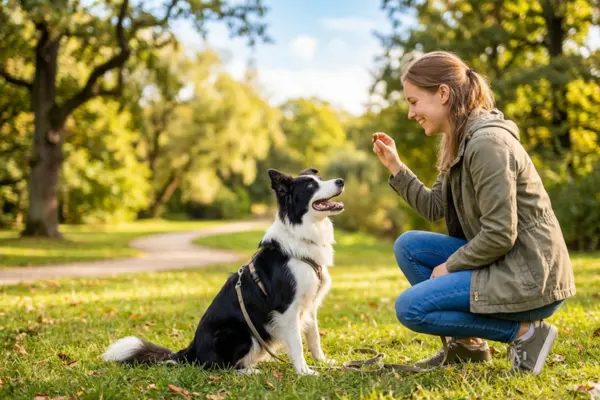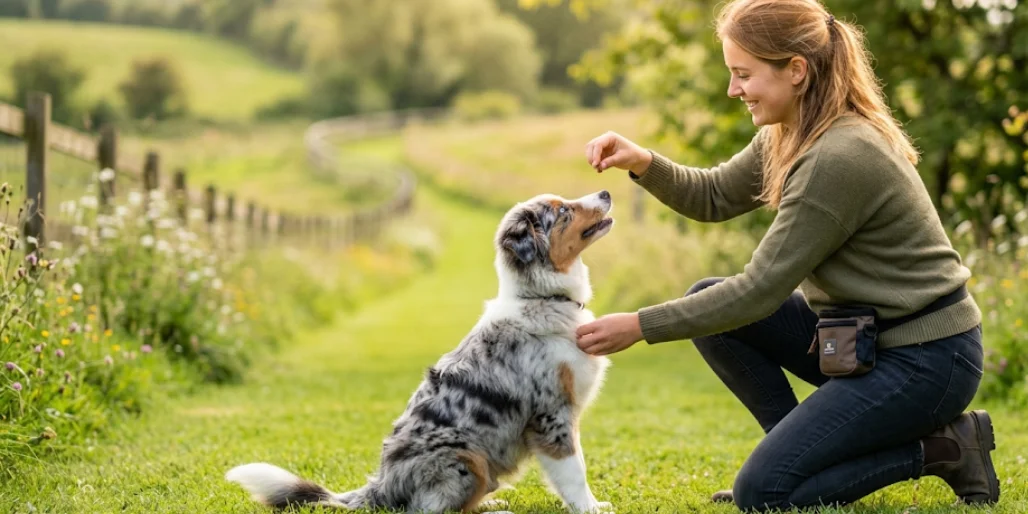
Are you the proud owner of an adorable Australian Shepherd puppy? If so, you’ve come to the right place! At My Paw and Breeds, we understand the joys and challenges of raising these intelligent and energetic companions. This guide will walk you through everything you need to know to train an Australian Shepherd puppy effectively, ensuring you and your furry friend develop a strong, lasting bond. For even more insights, be sure to check out our comprehensive dog breeds guide.
Understanding the Australian Shepherd Breed
History and Traits of the Australian Shepherd
The Australian Shepherd, often affectionately called an “Aussie,” is a fascinating breed with a rich history rooted in herding. Despite their name, these dogs actually originated in the American West, where they were highly valued by ranchers for their intelligence and tireless work ethic. Aussies are known for their striking good looks, often displaying merle coats and captivating blue or amber eyes, but it’s their bright minds and eagerness to please that truly define them. You can learn more about their official standard via the AKC Australian Shepherd Breed Profile. This breed thrives on having a job to do and forms a deep bond with its handler, making early dog training a rewarding experience for any Australian Shepherd owner.
Why Train an Australian Shepherd Puppy?
Training an Australian Shepherd puppy isn’t just about teaching commands; it’s about fostering a well-behaved, confident adult dog. Aussies are incredibly intelligent and possess a high energy level, making consistent training from day one essential. Without proper guidance, these clever pups can develop undesirable behaviors. Early socialization and positive reinforcement training methods are key to harnessing their natural intelligence and ensuring your Aussie grows into a happy, well-adjusted companion. A well-trained Aussie is a joy to live with, capable of excelling in various activities like agility and obedience.
Common Behavioral Traits of Aussies
Aussies are a herding breed, and many of their common behavioral traits stem from this instinct. They possess an innate desire to herd, which might manifest as nipping at heels or trying to gather family members. They are also known for their intense loyalty and can be protective of their families. Due to their high energy and need for mental stimulation, an untrained Aussie might become bored and destructive. Understanding these breed-specific tendencies is the first step in effective Australian Shepherd training, allowing you to channel their natural instincts into positive outlets and develop a strong bond with your pup.
The Importance of Early Socialization
Early socialization is an absolutely critical step when you train an Australian Shepherd puppy, and frankly, for any pup. It’s about introducing your young Australian Shepherd to a wide variety of sights, sounds, people, and other dogs in a positive and controlled way. This foundational experience helps to build a confident, well-adjusted adult dog, preventing fear-based aggression or anxiety later in life. At My Paw and Breeds, we can’t stress enough how vital this process is for your Aussie’s overall well-being and to ensure they become the best dog they can be, complementing all the dog breeds guide information we provide.
Socialization During the Puppy Stage
The puppy stage, particularly between 8 and 16 weeks, is a crucial window for socialization. During this period, your Australian Shepherd puppy is most receptive to new experiences and less likely to develop fears. Exposing your Aussie to different environments, from busy parks to quiet neighborhoods, helps them learn to adapt. Positive reinforcement during these encounters ensures they form positive associations, making every new experience a good one. This early exposure is key to helping your pup grow into a confident and friendly adult dog.
Effective Socialization Techniques
To effectively socialize your Australian Shepherd, focus on positive and controlled interactions. Introduce your Aussie puppy to a diverse range of friendly, vaccinated dogs in various settings. There are several key areas to focus on for comprehensive socialization:
- Enroll in puppy training classes, which offer structured opportunities for socialization with other pups and people.
- Expose your Australian Shepherd to different sounds, textures, and even types of flooring.
Always keep these experiences short, positive, and reward-based, using treats and praise to create good associations for your pup.
Common Socialization Mistakes to Avoid
When you’re trying to socialize your Australian Shepherd, it’s important to avoid common pitfalls that could set back your progress. Here are some key mistakes to steer clear of:
- Forcing your Aussie puppy into overwhelming situations, which can cause fear and anxiety instead of building confidence.
- Only exposing them to one type of dog or person, leading to a lack of adaptability in new encounters.
Always ensure interactions are positive and don’t allow negative experiences with other dogs or people, as this can create lasting fear issues for your pup. Remember, quality over quantity is key when you socialize.
Basic Training Tips for Your Puppy
Once your Australian Shepherd puppy has a solid foundation in socialization, it’s time to dive into basic dog training. Getting started with good training habits early on is crucial for shaping your Aussie into a well-behaved adult dog. Remember, these intelligent pups are eager to please, so consistent positive reinforcement and clear expectations will go a long way. At My Paw and Breeds, we believe that starting strong with your Australian Shepherd training journey sets the stage for a happy and harmonious life together, and we cover this extensively in our dog breeds guide. These training tips will help you and your pup thrive.
Establishing a Training Routine
Establishing a consistent training routine is paramount when you train an Australian Shepherd puppy. Aussies thrive on predictability, so a regular schedule for feeding, potty breaks, play, and training sessions will help your pup understand what’s expected. Try to conduct several short, engaging training sessions throughout the day, rather than one long one, as this keeps your Australian Shepherd mentally stimulated without overwhelming them. A structured routine minimizes confusion and helps your Aussie puppy feel secure, making them more receptive to learning and establishing good habits from day one.
Positive Reinforcement Techniques
Positive reinforcement is the cornerstone of effective Australian Shepherd training. This means rewarding desired behaviors with treats, praise, or toys immediately after your Aussie performs them. When you use positive reinforcement, your Australian Shepherd puppy learns to associate good actions with positive outcomes, making them more likely to repeat those behaviors. Avoid punishment, as it can create fear and damage the bond with your pup. Instead, focus on making every training session a fun and rewarding experience, which will make your Aussie eager to learn and deepen their trust in you, their handler.
Essential Commands to Teach Your Aussie
When training an Australian Shepherd puppy, some essential commands form the foundation of good dog behavior. It’s important to start with the basics, which include:
- “Sit”
- “Stay”
- “Come”
- “Down”
These commands are not just tricks; they are crucial for safety and control, especially given the high energy of Aussies. Use clear, consistent verbal cues and hand signals, always following up with positive reinforcement. Mastering these basic commands will make your Australian Shepherd a much more manageable and enjoyable companion, setting them up for success in more advanced training later on. Remember, patience and consistency are key when you teach your dog.
Advanced Training Techniques for Australian Shepherds
Once your Australian Shepherd has mastered the basic commands, you can explore more advanced training techniques that cater to their intelligence and high energy. Aussies excel in various dog sports and activities, so channeling their natural abilities through advanced Australian Shepherd training can be incredibly rewarding for both you and your pup. These advanced methods not only provide mental stimulation but also strengthen your bond, transforming your Australian Shepherd into a truly exceptional companion. If you’re interested in how the Australian Shepherd stacks up against another popular herding breed, check out our in-depth comparison at Australian Cattle Dog vs Australian Shepherd. From herding to agility, there’s a whole world of possibilities to explore with your eager-to-please Aussie.
Herding Training for Australian Shepherds
Given that the Australian Shepherd is a herding breed, exploring herding training can be an incredibly fulfilling experience for both you and your Aussie. This type of dog training taps into their innate instincts, providing an unparalleled outlet for their energy and intelligence. Finding a qualified instructor who understands herding breeds is crucial to safely introduce your Australian Shepherd to livestock. Herding training not only provides immense mental stimulation but also helps to manage common Aussie behaviors like nipping at heels, by giving them a proper “job” to do, making them a more content adult dog.
Agility Training and Its Benefits
Agility training is another fantastic outlet for the high energy and sharp mind of an Australian Shepherd. This exciting dog sport involves guiding your Aussie through an obstacle course, including jumps, tunnels, and weave poles. The benefits extend beyond physical exercise; agility provides significant mental stimulation, builds confidence, and strengthens the communication between you and your pup. Regular agility training sessions can help prevent boredom-related behavioral issues in Aussies and transform them into a truly well-rounded and responsive companion. It’s a wonderful way to enjoy quality time and bond with your Australian Shepherd.
Addressing Behavioral Issues During Training
Even with consistent training from day one, Australian Shepherd owners might encounter behavioral issues that require specific attention during training. Common challenges in Aussies can include excessive barking, jumping, or leash pulling, often stemming from boredom or a lack of mental stimulation. It’s crucial to address these issues with patience and consistent positive reinforcement, avoiding punishment. Sometimes, revisiting basic commands or seeking guidance from a professional dog trainer specializing in herding breeds can provide tailored strategies. Understanding the root cause of the behavior is key to effectively modifying it and helping your Aussie become the best dog they can be.
Resources for Dog Training
Books and Online Courses
For any Australian Shepherd owner, a wealth of knowledge lies within various books and online courses dedicated to dog training. These resources can be invaluable, offering detailed insights into positive reinforcement techniques, understanding dog behavior, and specific strategies for breeds like Australian Shepherds. Exploring these options allows you to learn at your own pace and find methods that resonate with your training style, helping you to effectively train an Australian Shepherd puppy and build a strong bond with your intelligent pup.
Local Training Classes and Workshops
Enrolling in local training classes and workshops is another excellent way to enhance your Australian Shepherd training journey. These structured environments provide opportunities for your Aussie puppy to socialize with other dogs and people under expert supervision. A professional dog trainer can offer personalized training tips, help you refine your handling skills, and address any specific behavioral issues your Aussie might be facing. This hands-on approach is often incredibly effective, turning every training session into a valuable learning experience for both you and your eager-to-please pup.
Connecting with Other Australian Shepherd Owners
Connecting with other Australian Shepherd owners can provide an incredible support system and a wealth of practical advice. Sharing experiences, challenges, and successes with fellow Aussie enthusiasts can offer new perspectives and solutions for training your Aussie. Online forums, local breed clubs, and social media groups are great places to find this community. These connections can be particularly helpful for advanced training techniques, like herding or agility, as experienced owners can often recommend resources or trainers, making your journey with your energetic Australian Shepherd even more rewarding.
Conclusion: Your Journey with an Australian Shepherd
Recap of Key Training Tips
Throughout this guide, we’ve emphasized that successfully training an Australian Shepherd puppy hinges on consistency, positive reinforcement, and early socialization. Remember to establish a clear routine, use treats and praise generously to reward desired dog behavior, and expose your Aussie to diverse environments from a young age. Mastering essential commands like “sit” and “stay” forms the foundation, while advanced options like agility or herding training provide crucial mental stimulation. By applying these training tips, you’re setting your high-energy Australian Shepherd up to become a well-behaved and joyful adult dog.
Encouraging Lifelong Learning and Bonding
The journey with your Australian Shepherd is one of lifelong learning and deepening bonds. Australian Shepherds are intelligent and eager to please, meaning their capacity for learning extends far beyond puppyhood. Continuously engaging your Aussie in new challenges, whether through advanced training, dog sports, or simply learning new tricks, will keep their minds sharp and prevent boredom. This ongoing interaction, filled with positive reinforcement and shared experiences, will strengthen the unique connection you share, transforming your pup into the best dog they can possibly be.
Finding Support through My Paw and Breeds
As you navigate the rewarding journey of training your Australian Shepherd, remember that My Paw and Breeds is here to support you every step of the way. We are passionate about helping Australian Shepherd owners raise happy, well-adjusted dogs. From detailed articles to comprehensive guides, our resources, including our dog breeds guide, are designed to provide the information and inspiration you need. Don’t hesitate to explore our site for further training tips and advice, ensuring you and your beloved Aussie continue to thrive together.
FAQ’s
Q: How do I begin australian shepherd training with a new puppy — where should I start training?
A: Start simple: socialization, basic obedience (sit, stay, come) and a routine. Enroll in a puppy class early so your aussie owners group can help, and remember these dogs learn quickly and need mental stimulation. Mix short training sessions with play — a mix of physical and mental work keeps an active breed happy. Keep training consistent and end on a positive note each time.
Q: What’s the best way to crate train an Australian Shepherd puppy?
A: Make the crate a comfy, safe spot — never a punishment. Use treat training and praise for going in, feed meals in the crate, and gradually increase alone time. Crate train slowly so your puppy associates it with calm and rest; this helps with potty training and reduces reactivity when left alone. Stay positive and patient.
Q: Any tips for potty training an Aussie who seems stubborn?
A: Set a schedule: frequent outdoor trips after meals, naps and play. Use a cue word, praise heavily when they go outside, and reward with treats or play. Watch for signs they need out, and supervise indoors to prevent accidents. Crate training can speed up potty training since dogs avoid soiling their sleeping area.
Q: Are Australian Shepherds easy to train, and how does their working dog background affect training?
A: Yes, they’re generally easy to train because they’re smart and eager, but they’re bred as a working dog so they need a job. That brain and body must be challenged — without it you’ll see boredom behaviors or reactivity. Channel that energy into obedience, agility, herding games, or scent work to get training success.
Q: Should I use clicker training or treat training with my aussie puppy?
A: Both work great. Clicker training gives clear feedback so your aussie learns quickly; combine it with treat training to reinforce behaviors. Move from food rewards to variable rewards over time so they respond without always expecting a snack. Stay positive and keep sessions short and fun.
Q: How do I handle reactivity or fearfulness in a reserved-with-strangers Australian Shepherd?
A: Use gradual socialization and positive reinforcement — reward calm behavior and create distance from triggers while working on desensitization. Puppy class and controlled exposures work well. Avoid punishing fear; instead teach alternative behaviors (like sit or focus) and reward them. If reactivity is severe, consult a trainer experienced with reactive dogs.
Q: What’s the biggest problem dog owners face when training an Australian Shepherd puppy?
A: The biggest problem is under-stimulation: not giving enough mental and physical exercise. That leads to boredom, nipping, and destructive behavior. Solve it with structured training, puzzle toys, frequent walks, and games that engage both brain and body. Consistency from all family members is key to training success.
Q: How long should training sessions be and how do I keep training interesting?
A: Keep sessions short—5–10 minutes multiple times a day for puppies. Vary the activities: obedience, tricks, brief runs, scent games. Use a mix of physical and mental challenges so your border collie-like aussie won’t get bored. End on a positive note so they’re excited for the next session.
Q: Any final advice for new aussie owners beginning dog ownership and training articles research?
A: Be patient, stay positive, and keep learning—read training articles, join puppy class, and connect with other aussie owners. Focus on socialization, crate and potty training early, and give them jobs to do. Training is ongoing; celebrate small wins and enjoy how quickly they learn.