Want a furry friend that exudes the majestic and wild spirit of a wolf but with the loyal and loving nature of a domestic dog? You’re in luck! Many dog breeds possess striking resemblances to their wild ancestors, making them popular choices for dog owners seeking that unique aesthetic. Let’s dive into the fascinating world of wolf-like dogs.
Understanding Wolf-Like Dogs
Characteristics of Wolfdogs
Wolfdogs, often called wolf hybrids, are fascinating creatures resulting from the breeding of a domestic dog and a wolf. These animals can inherit a wide range of physical and behavioral traits, making each wolfdog unique. They often possess piercing eyes, a thick coat, and a lean, athletic build that undeniably makes them look like wolves. Understanding their lineage is key to appreciating their distinct characteristics.
Why Choose a Wolf-Like Breed?
Many dog owners are drawn to wolf-like breeds for their stunning appearance and often robust health. These breeds offer the allure of the wild combined with the companionship of a domestic dog. For those who admire the strength and beauty of a wolf, choosing a dog that looks like a wolf provides an opportunity to have a magnificent animal by their side, such as those found at PawAndBreeds. Their unique aesthetic is a huge draw for many.
Common Misconceptions about Wolfdogs
It’s common to have misconceptions about wolfdogs, often fueled by their wild ancestry. Many people assume all wolfdogs are aggressive or untrainable, but this isn’t necessarily true. While they do require extensive socialization and experienced handling due to their strong prey drive and independent temperament, they can be affectionate and loyal companions in the right environment. They are not simply wild animals.
Top 12 Dog Breeds That Look Like Wolves
Siberian Huskies: The Classic Wolf Lookalikes
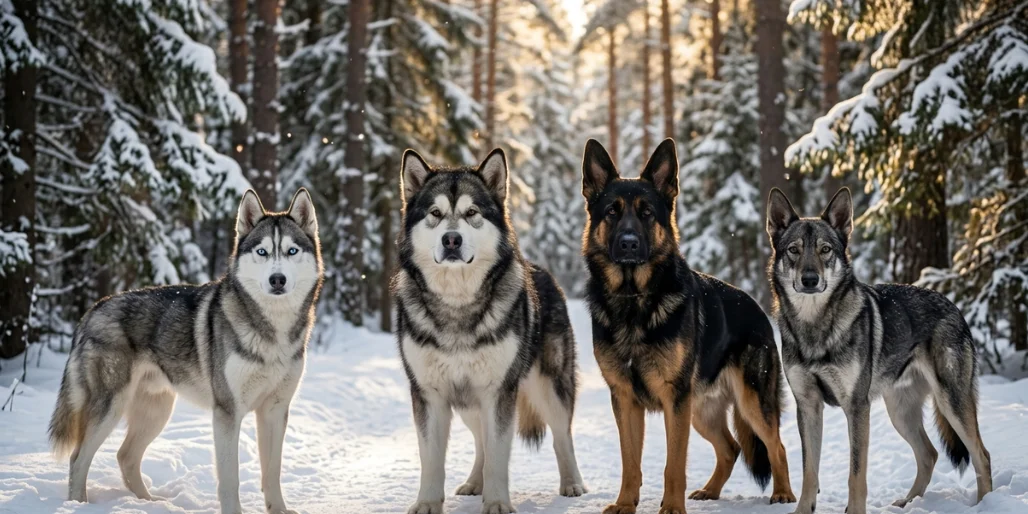
Siberian Huskies are perhaps the most recognizable of the dog breeds that look like wolves. Originating from Siberia, these working dogs were bred as sled dogs, possessing incredible endurance and a thick, double coat perfect for cold climates. Their striking blue or multicolored eyes, erect ears, and distinct facial markings give them that classic wolf-like appearance, making them a popular choice for families.
Alaskan Malamutes: Strength and Beauty
Alaskan Malamutes are another impressive breed often mistaken for wolves due to their powerful build and striking appearance. These large, strong working dogs were originally bred for hauling heavy sleds in harsh Arctic conditions. They possess a thick double coat, a broad head, and a bushy tail, all contributing to their majestic, wolf-like aesthetic, making them a popular choice for experienced dog owners.
Finnish Lapphund: The Northern Companion
The Finnish Lapphund, while perhaps less overtly wolf-like than a husky, still carries a certain Northern charm reminiscent of its wild relatives. This medium-sized breed, originally used by the Sami people for herding reindeer, is known for its dense coat and kind, intelligent expression. Their sturdy build and often alert demeanor give them an endearing, albeit softer, wolf-like dog appearance.
Samoyeds: Fluffy and Friendly
Samoyeds are the epitome of fluffy and friendly, yet they still retain a distinct wolf-like quality, particularly in their facial structure and erect ears. Originating from Siberia, these beautiful dogs were bred to herd reindeer and pull sleds. Their thick, white double coat and characteristic “Samoyed smile” make them incredibly endearing, and they are affectionate companions, though they look like a wolf.
German Shepherds: Versatile and Loyal
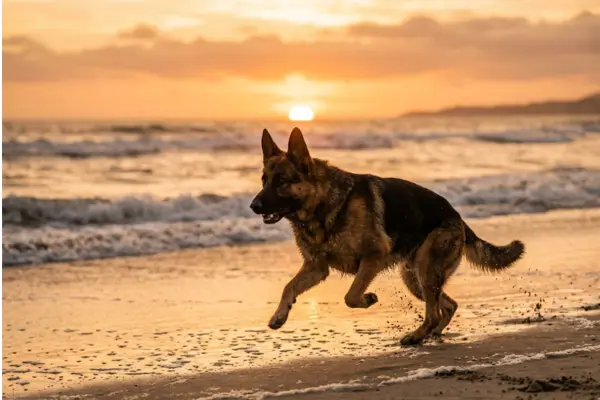
German Shepherds are among the most recognizable dog breeds globally, and while not direct wolfdogs, they certainly possess a robust, powerful build and intelligent gaze that makes them look like wolves. This versatile working dog breed, known for its loyalty and trainability, is often employed as a guard dog or service animal. Their strong features and often dark coats contribute to their imposing, wolf-like appearance.
Saarloos Wolfdog: A True Hybrid
The Saarloos Wolfdog is a true hybrid, intentionally bred from a German Shepherd dog and a gray wolf. This unique breed closely resembles a wolf, with its lean, muscular body, strong jaws, and expressive eyes. Saarloos Wolfdogs possess a distinct wolf-like temperament, often being more reserved and independent, requiring extensive socialization and an understanding owner due to their wild lineage.
Czechoslovakian Wolfdog: The Wild Spirit
The Czechoslovakian Wolfdog is another fascinating wolfdog breed, a result of crossing German Shepherds with Carpathian wolves. These striking dogs have an undeniable resemblance to wolves, with their athletic build, amber eyes, and often gray coats. They are known for their intelligence and stamina, but also for their strong prey drive and independent nature, making them suitable for experienced owners.
Tamaskan Dogs: The Ultimate Wolf-Like Breed
For those seeking the ultimate wolf-like breed without direct wolf ancestry, the Tamaskan Dog is an excellent choice. This rare dog breed was developed specifically to resemble wolves, even being referred to as “dire wolves.” Tamaskan Dogs boast a striking appearance, intelligent eyes, and a robust build, along with a friendly and affectionate temperament, making them wonderful companions that look like a wolf.
Alaskan Klee Kai: Miniature Wolfdogs
The Alaskan Klee Kai offers the charm of a wolf-like dog in a more compact package. Often described as “miniature wolfdogs,” these energetic and intelligent dogs resemble Siberian Huskies but on a smaller scale. They possess the characteristic mask, erect ears, and often blue eyes, making them look like a wolf. Despite their size, they have a lively personality and can be prone to separation anxiety.
Northern Inuit: Breeding for Appearance
The Northern Inuit is a breed developed specifically for its wolf-like appearance, without any recent wolf hybrid genetics. These dogs are a cross of several dog breeds, including Siberian Huskies and German Shepherds. They boast a robust build, a thick coat, and distinct facial markings that make them strongly resemble a wolf. They are known for their intelligence and generally friendly disposition.
Swedish Vallhund: Wolfish Charm
The Swedish Vallhund might not be the first breed that comes to mind when thinking of dogs that look like wolves, but their alert expression and often gray, wolfish coloring give them a unique charm. These sturdy herding dogs, with their distinctive short legs and wedge-shaped heads, share ancient lineage with other spitz breeds and possess a lively, intelligent temperament, hinting at their wild past.
Yakutian Laika: The Siberian Hunter
The Yakutian Laika, originating from the Yakutia region of Siberia, is a powerful and ancient working dog breed known for its hunting prowess and ability to withstand extreme cold. These robust dogs possess a strong resemblance to wolves, with their thick double coat, erect ears, and intelligent gaze. They are loyal and affectionate companions, making them excellent working dogs and family members.
Care and Training of Wolf-Like Breeds
Socialization Needs
Proper socialization is absolutely crucial for wolf-like dogs, especially wolfdogs and wolf hybrids, due to their inherent temperament and potential for a strong prey drive. Early and consistent exposure to various people, animals, and environments helps these magnificent dogs develop into well-adjusted companions. Without adequate socialization, a wolfdog might become timid or reactive, making it challenging to manage their unique needs and ensuring they don’t develop separation anxiety.
Training Techniques for Wolfdogs
Training a wolfdog requires patience, consistency, and a deep understanding of their unique intelligence, which often differs from a typical domestic dog. Positive reinforcement methods work best, building trust and encouraging desired behaviors. Due to their independent nature and often high intelligence, wolfdogs respond well to engaging, challenging training sessions. Many dog owners find that traditional obedience training needs to be adapted to suit these intelligent and sometimes stubborn breeds.
Health Considerations for Wolf-Like Breeds
When it comes to the health of wolf-like breeds, especially true wolfdogs, it’s important to consider their unique genetic makeup. While many are robust, they can be prone to certain health issues common in larger dog breeds or specific to their wolf ancestry. Regular veterinary check-ups, a balanced diet, and plenty of exercise are vital to keeping these active and energetic dogs in prime condition, allowing them to thrive.
Conclusion: Choosing a Dog That Looks Like a Wolf
Finding the Right Breed for You
Choosing a dog that looks like a wolf is an exciting journey, but it’s essential to find the right breed that aligns with your lifestyle and experience. Whether you’re drawn to the classic husky, the majestic Alaskan Malamute, or a true wolf hybrid like the Saarloos Wolfdog, understanding their temperament, exercise needs, and training requirements is key. Researching various wolf-like dog breeds will help you make an informed decision for your family.
Pawandbreeds: Your Resource for Wolf-Like Dogs
Pawandbreeds is an excellent resource for anyone interested in dog breeds that look like wolves. They offer comprehensive information on various wolf-like dogs, including details on their characteristics, care, and suitability for different dog owners. Whether you’re considering a Siberian Husky, a Tamaskan Dog, or even a rare dog breed like the Czechoslovakian Wolfdog, Pawandbreeds can guide you in finding your perfect wolf-like companion.
Final Thoughts on Wolfdogs
Ultimately, owning a wolfdog or a dog that looks like a wolf is a commitment that brings immense rewards. These intelligent, often striking animals, whether a German Shepherd blend or a pure Siberian, offer unique companionship. With proper socialization, consistent training, and a deep understanding of their needs, these breeds can become loyal and affectionate members of your family, sharing a bond that echoes their wild, majestic ancestors.
FAQ’s
Q: What makes breeds like samoyed and alaskan malamute look so much like wolves?
A: A lot comes down to shared wolf ancestors and similar features — thick double coats, erect ears, and bushy tails. Breeds such as samoyed and alaskan malamute were bred for cold work, so their timber-colored or white fur and sturdy builds give that classic wolf alikes vibe. Regular brushing helps keep those coats looking wolfy but healthy.
Q: Is a german shepherd dog considered a wolf dog or just a domestic dog that looks wolf-like?
A: German shepherd dog (GSD) is a domestic dog, not a wolf dog. They share some primitive traits and a high drive that can remind people of wolves, but GSDs are purebred domestic dogs recognized by the american kennel club and make good pets when socialized and trained.
Q: Are wolf hybrid or hybrid wolfdogs good choices for a first-time dog owner?
A: Generally no — hybrid wolfdogs and wolf hybrids often have unpredictable traits and require specialized handling. They can be high-energy, need lots of exercise, and don’t always fit the “first-time dog” profile. If you’re a first-time owner, consider a more trainable, biddable breed or a companion-sized version of a wolf-like dog.
Q: Which wolf alikes are best if I want a medium-sized dog rather than a large head, heavy-built breed?
A: For a medium-sized dog with wolfy looks, consider breeds like the Siberian husky or certain northern-type mixes that are smaller than alaskan malamute or wolf dog hybrids. They still have that game of thrones aesthetic without the massive skull or giant frame.
Q: Do breeds that look like wolves get along well with other dogs and families?
A: Many do, but it depends on socialization and breed temperament. Take the time to socialize early, and expect some breeds to be high-energy or more independent. Some wolf alikes along well with other dogs, while others prefer structured environments. Training and exercise are crucial to make good pets.
Q: How much exercise do wolf-like breeds need — is the amount of exercise intense?
A: Yep, most wolf alikes are high-energy and need lots of exercise and mental stimulation. Think daily runs, long walks, or active play. Without it, they can get bored and destructive. If you can’t commit to regular exercise, pick a lower-energy breed.
Q: Are samoyed or alaskan husky options easier to groom than malamutes with that wolf-like coat?
A: Samoyed and alaskan husky both shed, but samoyeds have thick double coats and need regular brushing to avoid matting. Alaskan husky tends to be less heavy-coated than alaskan malamute, so grooming can be a bit easier. Still — expect seasonal blowouts and a commitment to brushing.
Q: Can wolf alikes be trained well enough to live in a household with kids and pets?
A: Many wolf-like breeds are trainable and biddable, but success depends on socialization, consistent training, and meeting their exercise needs. Breeds with strong prey drives or independent streaks might need extra management around small pets. With the right approach, they can be gentle giants and make good family companions.
Q: How do I pick between different breeds that look like wolves — what should I consider?
A: Think about size, energy level, grooming needs, and whether you want a purebred or a different breeds mix. Consider if you can handle lots of exercise, regular brushing, and training. If you want wolf alikes but with easier care, look at medium-sized options or companion-sized versions rather than full-on wolf dog hybrids.