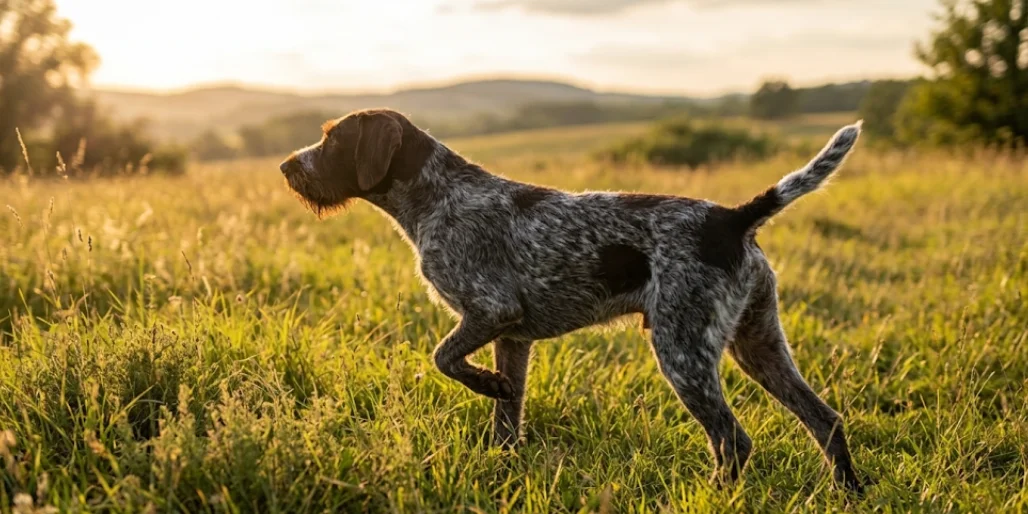
The German Wirehaired Pointer is a truly remarkable dog, known for its versatility and distinctive appearance. This guide will delve into everything you need to know about this intelligent and active breed, from its rich history to its unique temperament.
Overview of the German Wirehaired Pointer
This sporting dog is a true multi-talented canine, excelling in various dog sports and making a loyal companion. The German Wirehaired Pointer’s robust nature and keen intelligence make it a standout among other breeds. Its distinctive wiry coat and expressive eyes are immediately recognizable.
History and Origin
The German Wirehaired Pointer breed, often referred to as the GWP, originated in Germany during the late 19th century. German breeders aimed to create a versatile hunting dog that could retrieve game on land and in water, as well as track and point. The Griffon was a key ancestor in its development.
Physical Characteristics
The German Wirehaired Pointer is a large breed with a medium build. Its most defining feature is its wiry, weather-resistant coat, typically liver and white, though solid liver is also seen. This coat allows the GWP to withstand harsh conditions, essential for a working dog.
General Breed Information
The German Wirehaired Pointer dog breed is recognized by various kennel clubs worldwide, including the AKC. Responsible breeders adhere to the breed standard, ensuring the health and integrity of this breed. Prospective owners should always seek out reputable sources for a German Wirehaired Pointer puppy.
Temperament and Behavior
The German Wirehaired Pointer’s temperament is a blend of intelligence, loyalty, and boundless energy. This versatile hunting dog thrives on activity and mental stimulation. Its affectionate nature makes it a wonderful companion for active families who understand its need for engagement.
Personality Traits
The GWP is known for being intelligent, eager to please, and highly trainable, making it an excellent working dog. This breed is affectionate with its family, but its protective instincts also make it a watchful guardian. Its keen senses contribute to its success as a hunting dog.
Training and Socialization
Early training and socialization are crucial for a German Wirehaired Pointer puppy. Consistent, positive reinforcement methods work best with this intelligent breed. Their strong retrieve drive can be channeled into various dog sports, keeping them engaged and well-behaved.
Family Compatibility
The German Wirehaired Pointer is generally good with children and can integrate well into active families. Due to their high energy levels, they require ample exercise and mental stimulation. A family that enjoys outdoor activities will find a loyal and enthusiastic companion in the GWP.
Exercise Needs and Dog Sports
Daily Exercise Requirements
A German Wirehaired Pointer needs a significant amount of daily exercise to stay happy and healthy, typically at least one to two hours of vigorous activity. This active dog breed thrives on engaging in various forms of physical exertion, which helps manage their high energy levels and prevents destructive behaviors that can arise from boredom. Without adequate exercise, a GWP can become restless and difficult to manage.
Recommended Dog Sports
Due to their intelligent and athletic nature, German Wirehaired Pointers excel in a variety of dog sports. Activities like agility, obedience, flyball, and tracking are fantastic outlets for their energy and mental capabilities. As a natural hunting dog, field trials and hunt tests are also excellent ways to utilize their innate retrieve drive and working dog instincts, allowing them to truly shine.
Activities for Mental Stimulation
Beyond physical exercise, the German Wirehaired Pointer requires substantial mental stimulation to prevent boredom and keep their intelligent minds sharp. Puzzle toys, interactive games, and advanced training sessions are crucial. These activities tap into their problem-solving abilities and reinforce their desire to please, making them well-rounded and contented companions within the family.
Caring for Your German Wirehaired Pointer
Grooming and Maintenance
The German Wirehaired Pointer’s distinctive wiry, weather-resistant coat requires regular grooming to maintain its condition. Weekly brushing helps to remove loose hair and prevent matting, while periodic hand-stripping, usually a few times a year, is necessary to maintain the texture and protective qualities of their coat. This attention to their coat is essential for keeping your GWP looking and feeling its best.
Feeding and Nutrition
Proper nutrition is vital for the health and vitality of a German Wirehaired Pointer. A high-quality dog food formulated for large, active breeds is recommended, with portion sizes adjusted based on their age, activity level, and metabolism. Consulting with a veterinarian can help determine the best dietary plan, ensuring your GWP receives all the essential nutrients for optimal health and energy.
Health Considerations
German Wirehaired Pointers are generally a robust breed, but like all dog breeds, they can be predisposed to certain health issues. Responsible breeders screen for conditions such as hip dysplasia, elbow dysplasia, and von Willebrand’s disease. Regular veterinary check-ups are crucial for early detection and management of any potential health concerns, contributing to a long and healthy life for your GWP.
Finding a German Wirehaired Pointer
Choosing a Reputable Breeder
When seeking a German Wirehaired Pointer puppy, it’s paramount to find a responsible breeder who prioritizes the health and temperament of their dogs. A reputable breeder will be transparent about their breeding practices, provide health clearances for hip dysplasia and other genetic conditions, and be eager to answer all your questions about the German Wirehaired Pointer breed. They should also adhere to the AKC breed standard and ensure their breeding stock contributes positively to the German Wirehaired Pointer’s future.
Joining the German Wirehaired Pointer Club
Connecting with the German Wirehaired Pointer Club or the Wirehaired Pointer Club of America is an excellent step for prospective owners. These organizations are invaluable resources for breed information, offering insights into the breed standard, responsible breeders, and events. Joining can help you understand the temperament of the German Wirehaired Pointer, learn about the versatile hunting dog’s needs, and find support from experienced GWP owners.
Welcoming a German Wirehaired Pointer Puppy
Bringing a German Wirehaired Pointer puppy into your home is an exciting time, but it requires preparation. Ensure your home is puppy-proofed and you have all the necessary supplies for a new arrival. Early socialization and training are crucial for a GWP puppy to develop into a well-adjusted, affectionate family member. Remember, this large breed dog will thrive with consistent guidance and plenty of positive reinforcement from the start.
Similar Breeds
Comparison with the Drahthaar
Often confused, the German Wirehaired Pointer and the Drahthaar are closely related but distinct breeds. While both are versatile hunting dog breeds originating from Germany with similar wiry coats, the Drahthaar is a specific German kennel club breed with stricter breeding regulations. The German Wirehaired Pointer, recognized by the AKC, has a broader genetic base. Understanding these nuances is key for anyone interested in these powerful sporting dogs, especially concerning their retrieve capabilities.
Other Versatile Hunting Breeds
Beyond the GWP and Drahthaar, several other breeds share characteristics of a versatile hunting dog. The German Shorthaired Pointer, for example, is another excellent sporting dog, known for its strong retrieve drive and affectionate nature, though it lacks the distinctive weather-resistant coat of the GWP. Other breeds like the Brittany or Weimaraner also offer similar traits, excelling in dog sports and proving to be good with children, making them potential considerations for active families seeking a loyal companion.
Choosing the Right Breed for You
Selecting the right dog breed is a significant decision that depends on your lifestyle and expectations. If you’re looking for a highly intelligent, energetic, and affectionate companion with a strong retrieve drive, the German Wirehaired Pointer breed might be a perfect fit, especially if you enjoy outdoor activities and dog sports. Researching breed information, considering their temperament, and understanding their exercise needs are crucial steps in finding a dog that will truly thrive in your home. For further exploration of various breeds, consider consulting a comprehensive resource like the “Dog A-Z Breeds Guide.”
FAQ’s
Q: What exactly is a German Wirehaired Pointer, and where does this dog breed information come from?
A: The German Wirehaired Pointer (also spelled German Wire Haired Pointer) is a medium to large-sized dog developed in Germany by hunters who wanted one do-it-all companion for land and water work. Most of the solid dog breed information you’ll find, including from the American Kennel Club, points to a breed built for versatility, toughness, and a strong work ethic. This German Wirehaired Pointer breed guide pulls together the basics so you know what you’re getting into before bringing one home.
Q: What makes the wire coat of the German Wirehair so special?
A: The wire coat is basically the breed’s signature feature. It’s dense, harsh, and weather-resistant, with a thick undercoat underneath that keeps the dog insulated in cold water and rough brush. This double-layer setup is exactly why German hunters bred them this way in the first place — it lets the dog handle land and water hunting in nasty weather without getting torn up or freezing. You’ll usually see them in liver and white spotted patterns, sometimes with roan ticking mixed in.
Q: How big does a German Wirehaired Pointer actually get?
A: They’re classified as a medium to large-sized dog, and most adults weigh somewhere between 55 to 70 pounds once fully grown. Males tend to sit at the higher end of that range while females run a bit smaller. Since they’re solidly built and athletic rather than lanky, they can look even bigger than the scale says.
Q: Is the German Wirehaired Pointer a good house dog?
A: Honestly, it depends on how active your household is. They can absolutely be a house dog, but they’re not couch potatoes by nature — this breed’s whole identity is built around being a field dog first. If you don’t give them enough physical and mental stimulation, they’ll get bored and destructive indoors. Families who hike, run, or hunt regularly tend to have the best luck keeping one happy inside the home too.
Q: Why does the American Kennel Club classify this dog as a sporting breed?
A: The American Kennel Club puts the German Wirehaired Pointer in the sporting breed group because it was purpose-built for hunting alongside people, not just chasing game on its own. It’s one of several pointing breeds developed across Europe to locate birds, freeze in a point, and then retrieve after the shot. Its keen nose and natural pointing instinct make it a genuinely useful hunting partner, not just a pretty face with a wire coat.
Q: This breed has a strong prey drive — what does that mean for daily life?
A: A high prey drive means the dog’s instincts are wired to chase, chase, and chase some more, whether that’s birds, squirrels, or your neighbor’s cat. Practically speaking, this means you need a securely fenced yard because an unleashed German Wirehaired Pointer will absolutely take off after anything that moves. Solid obedience training and a reliable recall are non-negotiable if you want off-leash freedom to ever be an option.
Q: What kind of health conditions should owners watch out for?
A: Like most purebred dogs, the German Wirehaired Pointer can be prone to certain health conditions including hip dysplasia, hypothyroidism, and some eye issues. Reputable breeders screen for these problems, so always ask for health clearances before buying a puppy. Beyond genetics, staying on top of general health and welfare — regular vet visits, a balanced diet, and consistent exercise — goes a long way in keeping these issues at bay or catching them early.
Q: How much exercise and stimulation does a German Wirehaired Pointer actually need?
A: A lot, honestly. This is a field dog at heart, so it needs serious daily physical and mental stimulation — think long runs, swimming sessions, hunting trips, or intense games of fetch, not just a short stroll around the block. Puzzle toys and training sessions help tire out the brain too. Skimp on this and you’ll likely end up with a bored, anxious, or destructive dog rather than the happy companion this breed’s personality is capable of.
Q: What should this dog be eating to stay healthy?
A: Given how active and muscular these dogs are, a balanced diet with quality protein is key to supporting their energy needs and joint health. Portion sizes should be adjusted based on activity level — a dog that’s out hunting all weekend needs more fuel than one living a more relaxed house dog lifestyle. Always check with your vet about the right food and amounts, especially since this breed can be prone to certain health conditions that diet can help manage.
Q: Are German Wirehaired Pointers easy to train?
A: They’re smart and eager to work, which makes obedience training pretty rewarding once you get going, but they can also be independent thinkers thanks to their hunting background. Consistency and positive reinforcement work best — these dogs shut down or get stubborn with harsh methods. Early socialization paired with training helps channel that prey drive and energy into good habits instead of chaos.