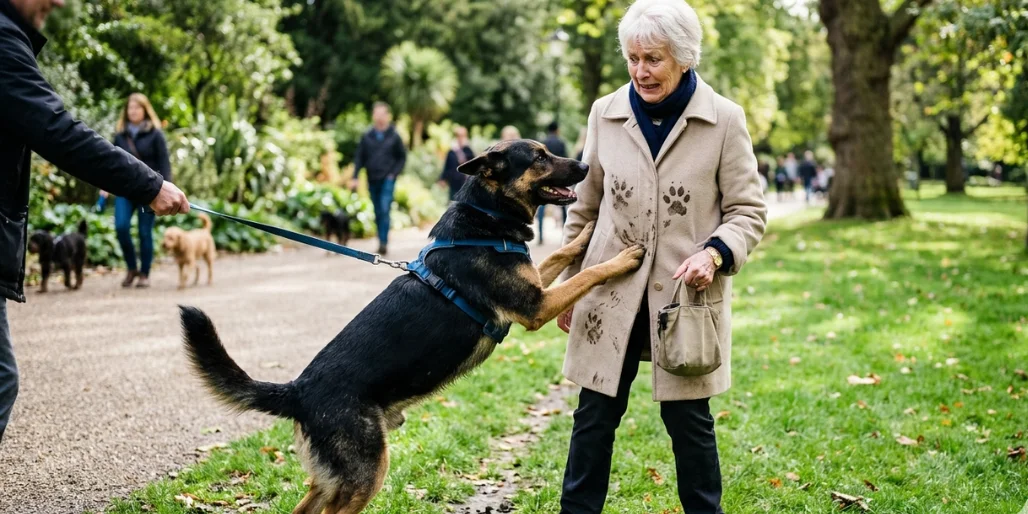
It can be quite a challenge to keep a furry friend from jumping up on people — whether it is a greeting to a new visitor or an enthusiastic welcome home. While their excitement is endearing, dog jumping can be a real nuisance and even dangerous. This guide will help owners understand why their dog jumps and how to stop this common behavior problem. Addressing jumping effectively becomes far easier when it is part of a broader, consistent dog training approach from the very start.
Why Do Dogs Jump on People?
Understanding the Motivation Behind Dog Jumping
Understanding the motivation behind dog jumping is the first step to teaching your dog to stop jumping. Dogs often jump on people as a way to greet them, especially if they are excited or seeking attention. It’s a natural behavior for many puppies and can be reinforced if owners inadvertently reward the dog for jumping, even if it’s just by acknowledging the behavior. To truly stop your dog from jumping, you need to understand the underlying reasons.
Common Reasons for Jumping Behavior
There are several common reasons for this behavior problem. A puppy might jump to get closer to a person’s face for a greeting, while an older dog might jump to get attention or because they are over-excited. Sometimes, people inadvertently encourage the dog to jump on people by giving them attention — even negative attention — when they jump. This reinforces the dog’s belief that jumping is an effective way to get what they want. According to the American Kennel Club’s guide on how to stop a dog from jumping up on people, dogs repeat behaviors that earn them rewards — and few things are more rewarding to a dog than attention, making every reaction to jumping a potential reinforcement of the habit.
How Jumping Affects Human-Dog Interaction
The jumping behavior can significantly affect human-dog interaction, making it uncomfortable or even unsafe for some individuals, especially children or the elderly. While a dog’s intention might be harmless, the act of jumping up on people can lead to scratches, falls, or soiled clothing. This is why it’s so important to train your dog to stop jumping, ensuring that every interaction is positive and enjoyable for everyone involved.
How Can You Stop a Dog from Jumping?
Effective Techniques to Teach Your Dog
To effectively stop your dog from jumping, there are several key techniques you can employ. One of the most important is to teach your dog an alternative, incompatible behavior, such as a “sit” or “stay,” whenever they are about to jump on people. This redirects their energy and gives them a clear instruction. When your puppy is young, it’s easier to prevent the jumping behavior from becoming a habit, but even older dogs can learn. The goal is to consistently replace the unwanted dog jumping with a desired action, which will, over time, teach your dog that keeping all four paws on the floor is the preferred way to greet.
Using Positive Reinforcement to Prevent Jumping
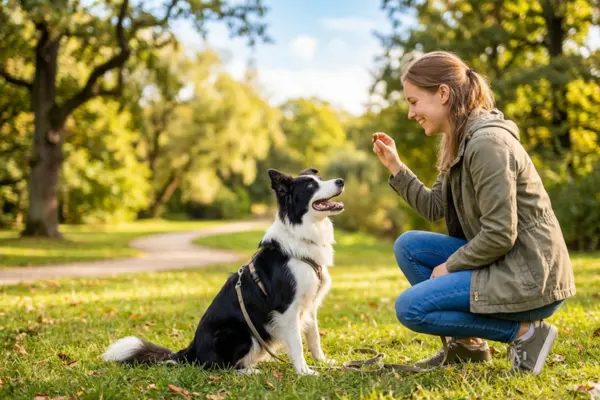
Positive reinforcement is incredibly powerful in helping your pet understand what you want them to do instead of jumping. When your dog greets someone calmly, with all four on the floor, immediately reward your dog with praise, a treat, or a gentle pet. This reinforces the idea that calm greetings lead to good things, while dog jumping gets them absolutely nothing. If your dog jumps up on people, completely ignore your dog by turning your back and avoiding eye contact. The moment their feet are on the floor, even for a second, acknowledge them calmly. This consistent approach is a fundamental way to teach your dog to stop jumping.
Importance of Consistency in Training
Consistency is the cornerstone of successful dog training, especially when you’re trying to stop dogs from jumping on people. Every family member and anyone who regularly interacts with your pet needs to follow the same rules and techniques. If one person allows the dog to jump for attention, it undermines all the effort to prevent your dog from jumping. This inconsistency confuses your dog and makes it much harder for them to learn that jumping behavior is not acceptable. A unified front in ignoring the dog for jumping and rewarding feet on the floor is the best way to stop this behavior problem and ensure your dog learns quickly.
What Are the Best Ways to Train Your Dog?
Setting Up a Training Routine
Establishing a consistent training routine is paramount to successfully teaching your dog to stop jumping on people. Think of it as creating a clear roadmap for your pet, helping them understand what is expected in various situations. When your puppy is young, it’s the ideal time to prevent jumping behavior from becoming ingrained, but even older dogs can learn new habits. Incorporate short, frequent training sessions into your daily schedule, focusing on teaching alternative behaviors like “sit” or “stay” whenever your dog is likely to jump. This regular practice will help your pet associate calm greetings with positive outcomes, making it easier to stop your dog from jumping in the long run.
Rewarding Good Behavior: Keeping Four Paws on the Floor
The most effective way to teach your dog to stop jumping is by consistently rewarding the behavior you want to see. When your pet greets someone calmly, with all four paws on the floor, immediately offer praise, a high-value treat, or a gentle pet. This positive reinforcement makes it clear that keeping all four on the floor is the desired action. Conversely, if your dog jumps up on people, completely ignore your dog. Turn your back, avoid eye contact, and wait for their feet to be on the floor before acknowledging them. This consistent approach helps your dog understand that jumping behavior doesn’t get them attention, but calm behavior does, making it a powerful way to stop dog jumping.
How to Greet Your Dog Without Encouraging Jumping
To stop dogs from jumping on people, you need to adjust how you greet your dog. When you arrive home or when guests enter, avoid immediate enthusiastic greetings that can inadvertently encourage your dog to jump. Instead, wait until your dog is calm and has all four paws on the floor before you engage with them. If your dog starts to jump, turn your back and completely ignore your dog until they calm down. Once their feet are on the floor, even for a second, then you can calmly reward your dog with a gentle stroke or quiet praise. This teaches your dog that calm greetings are rewarded, effectively preventing the jumping behavior and helping them learn to greet appropriately.
How to Prevent Your Dog from Jumping on People?
Creating a Calm Environment for Your Dog
Creating a calm environment is a crucial step to prevent your dog from jumping on people. A relaxed atmosphere helps your pet manage excitement, which is often a trigger for dog jumping. Ensure your dog has a designated quiet space where they can retreat when feeling overstimulated, perhaps a comfy bed or crate. By proactively managing your dog’s energy levels, you can reduce the likelihood of the jumping behavior occurring. This makes it easier to teach your dog alternative ways to greet, ultimately helping you stop your dog from jumping. A serene home contributes significantly to your dog’s overall well-being and responsiveness to training.
Teaching Alternative Behaviors to Jumping
Teaching alternative behaviors is an incredibly effective way to prevent your dog from jumping on people. Instead of focusing solely on stopping the unwanted action, you should actively train your dog to perform a different, more appropriate behavior when greeting. A common and successful alternative is to teach your dog to “sit” when someone approaches. When your pet is about to jump, give the “sit” command, and reward your dog generously when all four paws are on the floor. Consistently reinforcing this dog to sit behavior helps your pet understand that a calm, seated greeting earns positive attention, making it a reliable method to stop jumping on people.
When to Seek Professional Help for Jumping Issues
While consistent dog training can often resolve jumping behavior, there are times when seeking professional help is the best course of action to stop your dog from jumping. If your puppy or older dog exhibits persistent or aggressive jumping that doesn’t respond to your efforts, a certified dog trainer or behaviorist can provide tailored guidance. They can assess the root cause of the dog jumping, whether it’s excessive excitement, fear, or a deeper behavioral problem, and develop a specialized plan. Don’t hesitate to consult an expert if you’re struggling; their expertise can be invaluable in helping you and your pet overcome this challenging behavior.
What Should You Do If Your Dog Keeps Jumping?
Assessing Your Dog’s Learning Progress
If your dog keeps jumping, it’s essential to regularly assess your dog’s learning progress. This means observing how consistently your pet refrains from the jumping behavior in different situations and with various people. Are they still trying to jump on people, or are they showing improvement, even if it’s slow? Pay attention to whether they are more likely to jump when overexcited or if they are generally ignoring the dog when told to. Understanding these patterns will help you identify areas where your dog might need more practice or a different approach to truly stop your dog from jumping.
Adjusting Training Techniques Based on Your Dog’s Response
Based on your assessment, you may need to adjust your dog training techniques if your dog keeps jumping. If your pet isn’t responding to ignoring the dog or is still trying to jump on people, consider making your rewards higher value for calm behavior. Perhaps your dog needs clearer cues, or you might need to practice in less distracting environments before moving to more challenging ones. If your puppy is still too excitable, try engaging them in a brief play session before greetings to burn off some energy. Tailoring your approach to how your dog learns will significantly improve your chances of getting them to stop jumping.
Maintaining Patience and Persistence in Training
Maintaining patience and persistence is absolutely critical when trying to stop a dog from jumping, especially if your dog keeps jumping despite your efforts. Dog training takes time, and every dog learns at their own pace. There will be setbacks, where your pet might revert to the jumping behavior, but it’s important not to get discouraged. Consistently apply your chosen methods, such as ignoring the dog when they jump and rewarding your dog when all four paws are on the floor. Your unwavering dedication is key to teaching your dog that keeping four on the floor is the desired way to greet and interact.