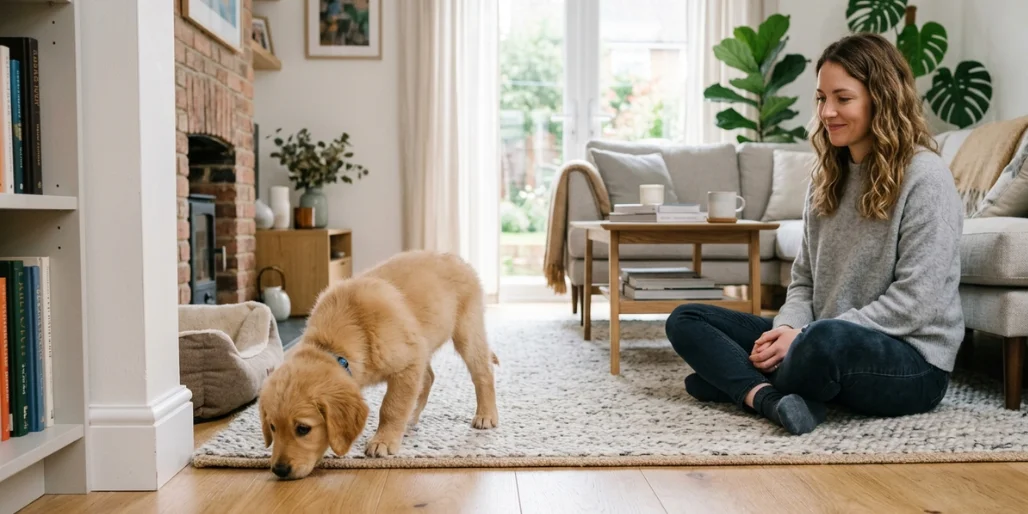
Bringing a new puppy home is an incredibly exciting time — but it can also be a little overwhelming if owners are not prepared. The first 24 hours with a new puppy are crucial for helping them adjust to their new environment and setting the stage for a happy, well-adjusted companion. This guide walks through everything needed to make those initial moments as smooth and stress-free as possible for both owner and furry new addition. Building good habits from day one — especially around dog training — makes the weeks and months ahead significantly easier for everyone.
How Can You Prepare for Your New Puppy?
Are you feeling a mix of excitement and nerves about your new puppy’s arrival? Preparing your home and mind before your pup even walks through the door can make all the difference in those critical first 24 hours. Thinking ahead about how to help your puppy settle in will not only ease their transition but also reduce your own stress during this significant life event. What steps can you take to ensure a warm welcome and a smooth start to your journey together?
Setting Up Your Puppy Home
Before you even bring your puppy home, it’s vital to have their dedicated space ready. Consider where your puppy will eat, sleep, and play. Designating specific areas from the get-go will help your young puppy understand boundaries and routines more quickly. This initial setup is a foundational part of puppy training, laying the groundwork for a well-behaved companion. Having everything in place before the first 24 hours with your new puppy begins will allow you to focus entirely on helping your pup feel safe and loved.
Essential Supplies for Your New Puppy
To ensure a smooth transition and comfortable first few days, gathering all the essential supplies for your new puppy is paramount. Having these items ready will prevent last-minute rushes and help your new puppy settle into their new surroundings with ease. Here are some key items you’ll need:
- A comfortable crate for crate training, which will become your pup’s safe haven and an invaluable tool for potty training and sleeping through the night.
- Food and water bowls.
- A high-quality puppy food recommended by your breeder or vet.
- A leash and collar.
- Plenty of stimulating chew toys.
Creating a Safe Space for Your Pup
Creating a safe and secure space is perhaps the most important preparation step during the first 24 hours. The puppy’s crate should function as a cozy den — making them feel safe and providing a secure spot for naps and a good night’s sleep. Baby gates can be used to restrict access to rooms they are not yet allowed in, preventing accidents and giving the pup a manageable area to explore. According to the AKC’s guide to a puppy’s first day at home, limiting a puppy’s initial access to the whole house is strongly recommended — too many new places, smells, and people at once can easily overwhelm a young pup. Allowing them to explore one designated area first before gradually introducing more of the home gives the puppy confidence rather than anxiety.
What Should You Expect on Your First Night with a New Puppy?
The first night with your new puppy can be a mixed bag of excitement, cuddles, and perhaps a little bit of anxiety for both of you. It’s perfectly normal for your pup to feel a bit unsettled, as they’ve just been introduced to a completely new environment, leaving behind their littermates and familiar surroundings. Understanding what to expect during these crucial hours with your new companion will help you prepare and provide the reassurance your young puppy needs to feel safe and begin to settle into their new puppy home. What can you do to make this initial experience as positive and comforting as possible?
Introducing Your Puppy to Their New Environment
When you first bring your puppy home, it’s essential to introduce them to their new environment gradually. Before settling in for the first night, give your puppy a chance to explore their designated safe space, perhaps a playpen or a secure room that’s been puppy-proofed. Let them sniff around and get accustomed to the new surroundings. Short, supervised explorations can help reduce overwhelm. This initial introduction sets the stage for a smoother first 24 hours with your new addition, allowing your pup to slowly absorb the sights, sounds, and smells of their new home, rather than being bombarded all at once.
Strategies for Sleeping Through the Night
Ensuring your new puppy gets a good night’s sleep is a key goal for the first night, and it definitely contributes to smoother 24 hours with a new pup. The crate you’ve set up will be invaluable here; it should be a cozy, den-like space where your pup feels safe. Place the crate close to your bed for the first few nights so your puppy can hear and smell you, which offers comfort. A consistent bedtime routine, including a final potty break right before bed, is crucial for promoting sleeping through the night. Avoid too much play right before bed to help your puppy wind down and prepare for rest.
Managing Anxiety in Your New Puppy
It’s completely normal for a young puppy to experience some anxiety during the first 24 hours, especially on the first night, as they adjust to leaving their breeder and siblings. To help your puppy feel safe and reduce their initial stress in their new home, there are several things you can do:
- Provide comfort with a soft blanket that smells like their littermates, if possible, or a soft toy.
- Offer gentle reassurance and maintain a calm demeanor, avoiding overwhelming your pup with too much attention.
- Establish a routine and provide a secure crate.
- If your pup whines, check if they need a potty break, but try not to reinforce constant attention-seeking.
How Do You Handle Potty Training in the First 24 Hours?
Potty training is often one of the most pressing concerns for new puppy owners, and getting a head start during the first 24 hours can make all the difference in setting your young puppy up for success. It might seem daunting, but with a clear strategy and consistent effort, you can begin to establish good habits from the moment you bring your puppy home. Understanding your pup’s needs and responding promptly are key elements to avoiding accidents and helping your new addition understand where they should do their business. What foundational steps can you take to effectively initiate potty training during those critical initial hours?
Establishing a Potty Schedule
Establishing a consistent potty schedule is paramount during the first 24 hours with your new puppy. Puppies, especially young ones, have tiny bladders and need frequent potty breaks. This proactive approach significantly reduces the chances of accidents in your puppy home and helps your pup associate going outside with relieving themselves. A structured schedule is one of the most effective potty training tips you can implement from day one.
Aim to take your puppy out frequently during waking hours, specifically:
| Frequency | Specific Times |
| Every 20-30 minutes | During waking hours |
| Immediately after | Waking up from a nap, playing, eating or drinking |
Recognizing Signs That Your Puppy Needs a Potty Break
Learning to recognize the subtle signs that your puppy needs a potty break is crucial for successful potty training, especially during those busy first few days. Watch your new puppy for cues like sniffing around intently, circling, whining, or suddenly stopping play. As soon as you observe any of these behaviors, it’s time to take your puppy outside immediately. Promptly responding to these signals helps prevent accidents and reinforces the connection between the urge to go and doing their business in the appropriate outdoor space, rather than in the rooms they’re not allowed to soil.
Effective Potty Training Tips
For effective potty training during the first 24 hours, consistency and positive reinforcement are your best friends. Always take your puppy to the same designated potty spot outside, and reward them enthusiastically with praise and a small treat every single time they successfully go to the bathroom there. Avoid scolding them for accidents inside; instead, simply clean up thoroughly with an enzymatic cleaner to eliminate odors that might attract them back to the same spot. Utilizing the crate for short periods can also help, as puppies are naturally reluctant to soil their sleeping area, which aids in sleeping through the night without accidents.
What Training Tips Should You Keep in Mind?
Embarking on the journey of bringing a new puppy home means you’ll quickly find yourself immersed in the world of puppy training. The first 24 hours with your new puppy are not just about settling in; they’re also a critical time to start laying the groundwork for good behavior and communication. While you shouldn’t expect your young puppy to master complex commands right away, introducing basic concepts and establishing a positive learning environment from the outset will set both of you up for success. What foundational training tips should you focus on during these initial, crucial hours to help your puppy thrive?
Basic Commands to Start Training
When you first bring your puppy home, it’s not too early to introduce a few basic commands, even if they’re just tiny steps towards full understanding. Focus on simple, clear commands like “sit” or “come” during short, positive training sessions. The key is to keep these initial interactions fun and low-pressure, associating the commands with positive experiences rather than demanding obedience. This gentle introduction to puppy training during the first 24 hours helps your new addition begin to understand your expectations and strengthens your bond, making future training much smoother and more enjoyable for both of you.
Positive Reinforcement Techniques
Positive reinforcement is the cornerstone of effective puppy training and should be heavily utilized during the first 24 hours with your new puppy. Whenever your pup exhibits a desired behavior—whether it’s going potty outside, settling calmly in their crate, or even just looking at you when called—immediately reward them with praise, a small treat, or a favorite toy. This helps your young puppy associate good actions with positive outcomes, making them more likely to repeat those behaviors. Avoiding punishment and focusing on rewarding good choices will help your puppy feel safe and build confidence in their new environment, fostering a strong, trusting relationship between you and your new addition.
Preparing for Your Puppy’s First Few Days
Preparing for your puppy’s first few days extends beyond just the initial 24 hours; it involves setting up routines and expectations that will guide your young puppy as they settle into their new puppy home. Ensure you have a consistent schedule for feeding, potty breaks, play, and naps, as predictability helps reduce overwhelm for your pup. Having all essential supplies ready, like their crate, food, and toys, will make these first few days much smoother. By anticipating their needs and providing a structured, loving environment, you’ll help your puppy acclimate comfortably, making the transition into their new surroundings a positive experience that builds a strong foundation for their future with you.