Having a dog that reliably drops items on command is an invaluable skill — not just for fun games of fetch, but more importantly, for safety and preventing mischievous chewing. This guide will walk through the simple steps to teach a dog to drop anything, from a smelly sock to a coveted treat, ensuring a harmonious home and a well-behaved companion. For anyone building on these skills, a solid dog training foundation makes every individual command easier and faster to master.
Why is Teaching Your Dog to Drop Important?
Understanding the Benefits of Dropping
Teaching your dog to drop isn’t just a party trick; it’s a foundational behavior that brings a multitude of benefits to both you and your furry friend. When your dog understands the “drop” cue, it opens up new avenues for play, making games like fetch much more enjoyable and less about wrestling for the toy. It also fosters a deeper bond, as your dog learns to trust your commands and understand the give-and-take of interaction. Furthermore, a reliable drop helps in several key areas:
- Managing your puppy’s natural inclination to chew everything and anything, guiding their behavior towards acceptable items rather than your favorite shoes.
- Ensuring that your dog is a well-mannered companion in various situations.
How Dropping Can Prevent Harm
Beyond convenience, teaching your dog to drop things can be a lifesaver. Imagine your dog picks up something dangerous. If your dog doesn’t drop on command, you might find yourself in a frantic chase or a wrestling match, potentially causing more harm. With a solid “drop” cue, you can calmly tell your dog to release the item, preventing a trip to the vet or even worse. This skill is crucial for safety, especially with puppies who are notorious for putting anything and everything in their mouths. It empowers you to protect your beloved companion from ingesting something they shouldn’t, turning a potential crisis into a manageable moment. Consider these examples of dangerous items your dog might pick up:
- A discarded chicken bone
- A toxic plant
- Something small they could choke on
The Role of Dropping in Training
The “drop” command is a cornerstone of effective dog training, laying the groundwork for more complex behaviors and commands. It teaches your dog impulse control and reinforces the idea that good things happen when they follow your instructions. When you teach a dog to drop, you’re not just teaching a single command; you’re building a communication bridge. This command offers several benefits, including:
- It often goes hand-in-hand with other commands like “leave it,” providing a comprehensive approach to managing what your dog interacts with.
- Repetition in training sessions, combined with a high-value reward, helps your dog understand that releasing the item leads to something even better, making them more eager to comply in future situations.
According to the American Kennel Club’s guide to teaching “drop it”, chasing a dog to retrieve a dangerous item actually increases the likelihood of the dog picking up forbidden things in the future — because most dogs interpret the chase as a fun game. A reliable “drop” cue removes that dynamic entirely.
What Cues Can You Use to Teach a Dog to Drop?
Choosing the Right Cue for Your Dog
When you’re ready to teach your dog to drop, selecting the right cue is a crucial first step in your dog training journey. A cue is essentially the signal you give your dog that tells them what you want them to do. For “drop,” this could be a specific word, a hand gesture, or even a combination. The key is to choose something that is clear, distinct, and easy for you to consistently deliver. Think about what will resonate most with your dog and what you’ll remember to use every time. The right cue will help your dog quickly associate the action of dropping with your command, making the training sessions more effective and ensuring your dog understands exactly what you’re asking of them.
Verbal vs. Visual Cues
Deciding between a verbal or visual cue, or even a combination, is an important consideration when you teach your dog to drop. A verbal cue might be a simple, short word like “drop,” “release,” or “give.” Visual cues, on the other hand, could involve an open hand gesture or pointing to the ground. Many professional dog trainers recommend starting with both, as it provides a robust way to teach your dog and ensures they understand, even if they can’t hear you clearly or if you’re too far away for them to see a subtle hand signal. Over time, your dog will associate both the sound and the sight with the desired behavior, making them more reliably drop things regardless of the situation. This dual approach can significantly enhance your dog’s comprehension during training sessions.
Consistency in Cue Usage
Consistency is the golden rule when you teach a dog to drop. Once you’ve chosen your verbal and/or visual cues, it’s absolutely vital to use them every single time you want your dog to release an item. If you sometimes say “drop” and other times say “let go,” your dog will get confused and the training will be much less effective. Repetition with the same cue helps your dog solidify the connection between the command and the action of dropping the toy or treat. This consistent approach, coupled with high-value rewards, ensures that your dog understands precisely what is expected of them, leading to a reliable “drop” command that works in various scenarios, from fetch in the park to letting go of something they shouldn’t have.
How to Train a Dog to Drop a Toy or Treat?
Step-by-Step Guide to Training
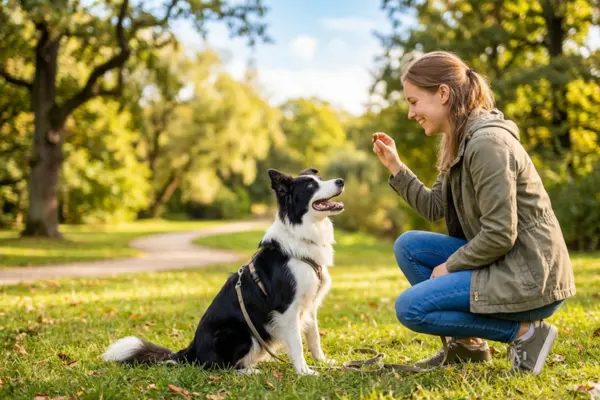
Once you’re ready to teach your dog to drop, the journey can begin with a simple step-by-step guide that focuses on positive reinforcement and clear communication. Start by having two identical toys or, even better, a higher value toy and a lower value toy. Entice your dog to play with the lower value toy, perhaps engaging in a gentle game of fetch or tug. As your dog is holding the toy, present the higher value toy or a high-value treat near their nose. The moment your dog opens their mouth to investigate the new, more enticing item, say your chosen cue, such as “drop,” and simultaneously take the first toy. Immediately reward your dog with the treat or allow them to have the higher value toy. Repetition of this process in short, engaging training sessions will help your dog associate the cue with the act of dropping the item.
Using Positive Reinforcement
Positive reinforcement is the cornerstone of effective dog training, especially when you teach your dog to drop. It means rewarding your dog for the desired behavior, making them more likely to repeat it. When your dog successfully drops the toy or treat upon your cue, immediately provide a high-value reward, whether it’s a delicious treat, enthusiastic praise, or access to a more exciting toy. This immediate feedback helps your dog understand that dropping things is a rewarding experience. Avoid any punishment or negative interaction if your dog doesn’t drop immediately; instead, simply reset and try again with a slightly more enticing reward or a less stimulating environment. The goal is to make the act of dropping a positive and voluntary choice for your dog, building their confidence and strengthening your bond.
Common Mistakes to Avoid
When you teach your dog to drop, there are a few common mistakes that can hinder your progress and even create unwanted behaviors like resource guarding. One big no-no is chasing your dog or wrestling the toy out of their mouth if they don’t drop. This can teach your dog to guard their possessions more fiercely. Another mistake is not offering a high-value reward; if what you’re offering isn’t as appealing as what your dog is holding, they won’t have much incentive to drop it. Also, avoid being inconsistent with your cue; if you sometimes say “drop” and other times “give it,” your dog won’t understand what you’re asking. Finally, don’t rush the process. If your dog doesn’t drop right away, take a step back and make the trade even more appealing. Patience and consistency are key to ensuring your dog reliably drops the item when asked.
What Should You Do If Your Dog Refuses to Drop?
Identifying Reasons for Resistance
When your dog refuses to drop, it can be frustrating, but understanding the underlying reasons is the first step in addressing the issue. Sometimes, a dog might be guarding a particularly high-value toy or treat, especially if they’ve had negative experiences in the past, like having items forcibly taken away. Other times, the dog might not fully understand the “drop” cue, especially if the training sessions haven’t been consistent or if the reward isn’t enticing enough. A puppy, for example, might simply be too excited or distracted by the item to let go. It’s crucial to observe your dog’s behavior and identify if it’s a lack of understanding, resource guarding, or simply an irresistible temptation that’s preventing them from dropping the item.
Alternative Strategies for Training
If your dog isn’t reliably dropping items, it’s time to explore alternative strategies to reinforce the behavior. One effective method is to use a “two-toy” game. Entice your dog with one toy, engage them in play, and then present a second, even more exciting, high-value toy or a delicious treat. The moment your dog opens their mouth to investigate the new item, say your “drop” cue and immediately give them the new toy or treat. This repetition teaches your dog that letting go of one item leads to an even better reward. Another strategy is to make the “drop” game fun and low-pressure, always ensuring that dropping something results in something positive for your dog, whether it’s another toy or a tasty reward.
When to Seek Professional Help
While many dropping issues can be resolved with consistent training and positive reinforcement, there are times when it’s best to seek professional dog training help. If your dog exhibits aggressive resource guarding, where they growl, snap, or bite when you try to take an item, a professional dog trainer can provide tailored guidance and safety protocols. Similarly, if you’ve tried various training methods and your dog still doesn’t drop reliably, a professional can identify specific challenges and offer personalized solutions. They can help you refine your cues, understand your dog’s behavior more deeply, and ensure that your dog learns to drop safely and happily, turning a potentially dangerous situation into a manageable one.
How Can You Practice Dropping with Everyday Items?
Incorporating Socks into Training
Everyday items can be fantastic tools to teach your dog to drop, and a humble sock is a perfect starting point. Dogs often love to chew and carry socks, making them a high-value item for many pups. Start by engaging your dog in a gentle game of tug with a sock. As they are holding the sock, present a higher value treat or another toy. The moment your dog opens their mouth to investigate the new item, say your “drop” cue and reward them with the treat. This repetition helps your dog associate the cue with releasing the item, even a beloved sock. It’s an easy way to practice “dropping” in a low-stakes environment, making it a fun and rewarding experience for your dog.
Using Treats to Reinforce the Behavior
Treats are an invaluable asset when you teach your dog to drop, as they serve as a powerful positive reinforcement. To practice dropping with treats, start with a lower value toy. Once your dog is holding the toy, present a high-value treat near their nose. As soon as your dog drops the toy to get the treat, say your “drop” cue and give them the treat. This direct and immediate reward creates a strong association between the verbal cue, the act of dropping the item, and a delicious outcome. Keep treats readily available during training sessions, ensuring that your dog always receives a reward for successful dropping, which encourages them to reliably drop things on command.
Making Dropping Fun with Toys
Making “dropping” a fun game is key to sustained success and enthusiastic participation from your dog. Utilize various toys, from their favorite toy to new, exciting ones, to keep training sessions engaging. A simple game of fetch can be transformed into a dropping exercise: when your dog returns with the toy, present another toy or a treat, say “drop,” and reward them when they release the first toy. This teaches your dog that dropping the toy doesn’t mean the fun ends; it often means even more fun is about to begin. The goal is to make your dog understand that dropping things is a positive interaction, building their confidence and strengthening their bond with you through playful repetition and high-value rewards.