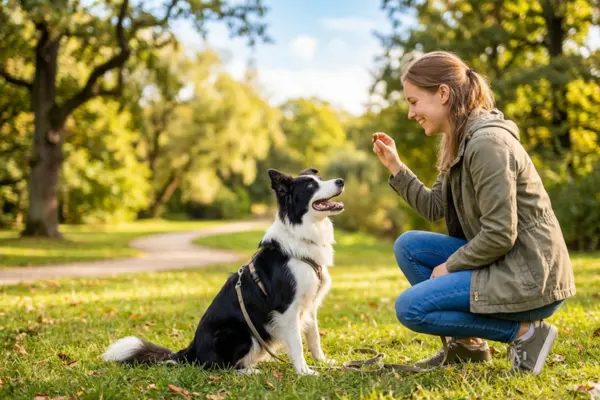
Teaching your dog to “leave it” is one of the most valuable commands you can impart, fostering not only obedience but also crucial self-control. This skill can safeguard your dog from dangerous situations and prevent unwanted behaviors, leading to a more harmonious relationship between you and your canine companion. Mastering this cue is fundamental to responsible dog ownership — and it sits at the heart of any well-rounded dog training programme.
How Can You Teach Your Dog to Leave Something Alone?
Teaching your dog to leave something alone requires patience, consistency, and a clear understanding of dog training principles. There are several effective methods, often involving positive reinforcement and gradual increases in difficulty. The ultimate goal is to establish a strong verbal cue that your dog associates with disengaging from an appealing item, whether it’s food on the ground or another dog’s favorite toy. This skill is a cornerstone of responsible dog behavior and will significantly improve your dog’s impulse control.
The Importance of Teaching Your Dog to Leave
Teaching your dog to leave is paramount for their safety and overall well-being. This essential command can prevent your dog from ingesting harmful substances, chasing after perceived prey, or engaging in unwanted interactions with other dogs or people. By instilling this crucial self-control, you are equipping your dog with the ability to resist temptation and follow your directions, even when faced with highly stimulating distractions. It’s a vital aspect of responsible dog training that builds a strong foundation for good dog behavior and trust.
Common Scenarios Where “Leave It” Is Useful
The “leave it” cue proves invaluable in a myriad of everyday situations, making it a cornerstone of effective dog training. This command is incredibly useful for:
- Preventing your dog from consuming potentially toxic discarded food on the ground.
- Redirecting their attention when they are fixated on another dog’s toy or trying to snatch a treat from a child’s hand.
- Fostering better impulse control during mealtimes or when you want your dog to resist pestering guests for attention.
Signs Your Dog Needs to Learn Self-Control
Recognizing the signs that your dog needs to learn self-control is the first step toward effective dog training. These behaviors indicate a lack of impulse control and a clear need for a strong “leave it” cue. Your dog might show a need for self-control training if they:
- Constantly lunge for food on the floor
- Snatch treats from your hand
- Become overly excited by the sight of other dogs or their favorite toy
- Struggle with waiting for their food
- Jump on visitors
- Pull excessively on the leash
Addressing these tendencies through targeted training sessions will significantly improve your dog’s overall behavior and responsiveness.
What Techniques Can Help Teach a Dog This Command?
Using Clicker Training for Effective Learning
Utilizing a clicker can significantly enhance your ability to teach your dog to leave something alone, as it provides a precise marker for desired dog behavior. When you want to teach a dog this essential self-control, the clicker becomes a powerful tool for communication. The instant a dog demonstrates the desired action, such as looking away from the treat or backing away from the treat on the floor, you click and then immediately reward your dog with a high-value treat. This clear association helps your dog understand exactly what behavior earns them the reward, accelerating the learning process for impulse control.
Step-by-Step Guide to Teaching “Leave It”
To effectively teach your dog to leave, start by holding a treat in your hand. Present a low-value treat on your open palm, and as soon as your dog attempts to take it, close your fist to cover the treat. Wait for your dog to look away from the treat or even just hesitate. The moment your dog looks away, immediately open your hand, say “yes” or click, and then reward your dog with a high-value treat from your other hand – not the one with the original temptation. According to the American Kennel Club’s guide to teaching the “leave it” command, it is important that the dog learns the forbidden item is never the reward itself — this teaches genuine disengagement rather than simply waiting for permission to take what they wanted. Practice this in short, frequent training sessions, gradually increasing the duration your dog must wait and the distractions involved, until your dog stops sniffing and can consistently leave something alone.
Tips for Reinforcing Self-Control in Your Dog
Reinforcing self-control is key to mastering the “leave it” command. Always reward your dog with a high-value treat when they successfully leave something alone, ensuring the reward is more appealing than the forbidden item. Gradually increase the difficulty by placing a treat on the floor, starting with less enticing items like kibble, and progressing to a favorite toy or even food on the ground. Use a consistent verbal cue like “leave it” every time. The goal is to teach your dog to look away from the treat and wait for your permission to eat the treat or move on. Consistent dog training and positive reinforcement will build strong impulse control.
Why Is Consistency Important When Teaching Your Dog?
Consistency is the cornerstone of effective dog training, especially when you teach your dog to leave something alone, as it directly impacts their ability to grasp and reliably perform the desired behavior. Without a consistent approach, your dog may become confused about what is expected of them, leading to slower learning and a lack of impulse control. Every interaction, every command, and every reward should align with the established training plan, reinforcing the verbal cue and helping your dog understand the connection between their actions and the outcomes. This steady application of principles helps in building a strong foundation of trust and understanding between you and your dog.
Establishing a Routine for Command Training
Establishing a routine is crucial when you teach your dog to leave something alone, as it provides a predictable structure that helps your dog learn more effectively. Regular, short training sessions, ideally at the same time each day, can significantly improve your dog’s self-control and responsiveness to the verbal cue. During these sessions, consistently use the same hand signals and tone of voice, ensuring your dog clearly understands what you expect. For instance, always start by having a treat in your hand and then present a treat on your open palm, consistently closing your fist when they try to snatch it. This routine helps your dog anticipate and perform the desired dog behavior more readily.
How to Stay Consistent with Commands and Rewards
To maintain consistency with commands and rewards when you teach your dog to leave, it’s essential to ensure every member of the household follows the same protocols. When you give the “leave it” verbal cue, everyone should use the exact same phrase and follow up with the same rewarding process. For example, if your dog looks away from the treat on the floor, always reward your dog with a high-value treat, making sure it’s more enticing than the item they had to resist. This unified approach prevents confusion and reinforces positive dog behavior, strengthening your dog’s impulse control and ability to look away from temptations.
Common Mistakes to Avoid During Training
When you teach your dog to leave, avoiding common mistakes is as important as implementing the correct techniques. To ensure effective training and prevent confusion, there are several frequent errors to be aware of:
- Inconsistency in giving the “leave it” verbal cue or in the timing of your rewards. For instance, if you sometimes let your dog snatch a treat from your hand and other times try to make them wait for your dog to look away, you will confuse them.
- Not using a truly high-value treat to reward your dog when they successfully back away from the treat, making the forbidden item more appealing.
- Losing patience or making training sessions too long, which can lead to frustration for both you and your dog, hindering their self-control development.
Stick to consistent, positive dog training practices to effectively teach a dog this vital command.