It is an exciting time when a new puppy comes home — but the joy can quickly turn to frustration if the little furball constantly nips and bites. While puppy biting is a natural part of their development, it is crucial to teach appropriate biting behavior early on. This article guides owners through understanding why puppies bite and, more importantly, how to teach bite inhibition to ensure a happy coexistence. Combined with a solid foundation in dog training, these techniques help puppies grow into calm, trustworthy adult dogs.
Why Does Your Puppy Keep Biting You?
Understanding Natural Instincts
Puppies, by their very nature, use their mouth to explore the world around them, much like human babies use their hands. This is a crucial aspect of their development, and it’s completely normal for a new puppy to chew on various objects and even “test” boundaries with their puppy teeth. It’s a natural instinct for them to nip and bite during play, especially when they are young, usually around 8 to 16 weeks old. They learn about their environment and how to interact with littermates through this mouthing and biting. Our goal isn’t to stop puppy biting entirely, but rather to teach bite inhibition so they understand how much pressure is too much.
The Role of Play in Puppy Behavior
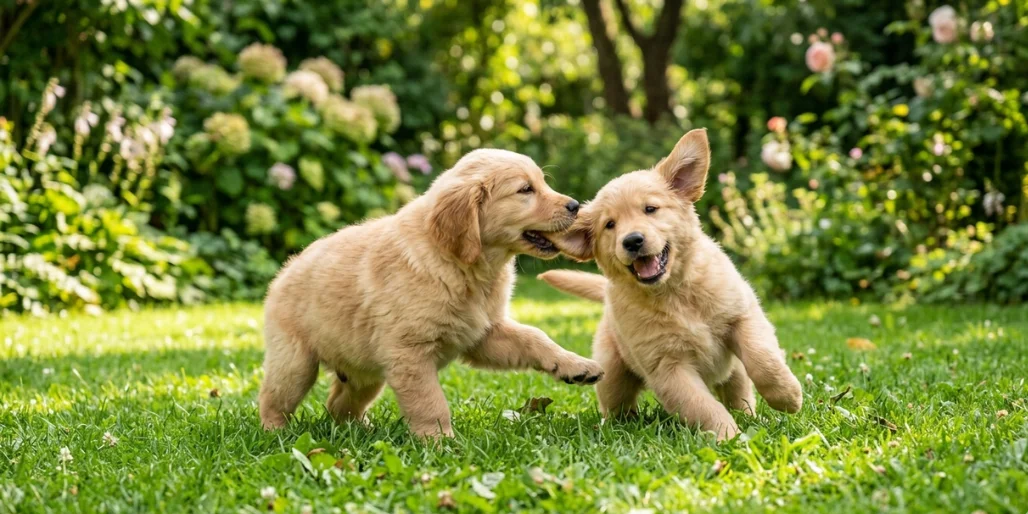
Play is a significant component of a puppy’s life and often involves a lot of rough play and interaction that can lead to nipping and biting. When puppies play with each other, they learn bite inhibition naturally. If one puppy bites too hard, the other will yelp or stop play, teaching the first puppy about pressure and boundaries. This social learning is vital for their development. When you play with your hands, your puppy might naturally want to engage in a similar way. It’s essential to channel this energy constructively and teach your puppy that humans are more sensitive than their littermates.
Common Triggers for Nipping and Biting
Several factors can trigger a puppy to bite, beyond just their natural instincts. Over-excitement during a play session can quickly escalate into a puppy biting too hard. Boredom can also lead to a puppy using their mouth on inappropriate items or even your hands out of sheer lack of stimulation. Teething, when their sharp puppy teeth are coming in, can also increase the desire to chew and nip to relieve discomfort. Understanding these common triggers is the first step in addressing your puppy’s biting behavior and helping your puppy learn what is acceptable.
How Can You Teach Your Puppy to Stop Biting?
Effective Training Techniques
Teaching a puppy to stop biting effectively involves a multi-faceted approach, focusing on helping the puppy understand that human skin is sensitive and that sharp puppy teeth can hurt. One crucial technique is to teach bite inhibition — where the puppy learns to control the force of their bite. When a new puppy bites too hard during a play session, a clear yelp mimicking another puppy’s reaction can make them stop play immediately. This helps the puppy learn that such actions end the fun, which is a powerful lesson in puppy training. According to the American Kennel Club’s guide on how to stop puppy biting and train bite inhibition, yelling at or physically reacting to a biting puppy can actually work as a reward — because the puppy learns that biting generates a response. The most effective approach is to teach the puppy that biting earns them absolutely nothing. Consistent application of calm, clear methods is the key to stopping the biting.
Using Positive Reinforcement
Positive reinforcement is an incredibly powerful tool when you teach your puppy not to bite. Instead of punishment, which can create fear or confusion, reward desired behaviors. When your puppy is playing gently or chooses to chew on an appropriate chew toy instead of your hands, make sure to praise them enthusiastically or offer a small treat. This reinforces the idea that gentle play or redirecting their mouthing and biting onto a designated tug toy or chew toy leads to good outcomes. This method helps your puppy learn that calm behavior is rewarded and encourages them to stop puppy biting in a kind and effective way.
Setting Boundaries and Consistency
Setting clear boundaries and maintaining consistency are paramount to stop puppy biting. Every member of the household needs to be on the same page regarding the rules for your new puppy’s biting behavior. If your puppy is biting, immediately stop moving your hands or body and withdraw attention. This teaches your puppy that biting means the end of interaction. Consistency ensures that your puppy learns quickly that nipping and biting will always lead to a halt in play. Enrolling in puppy classes can also provide valuable guidance and reinforce these boundaries, helping your puppy to stop biting effectively.
What is Bite Inhibition and Why is it Important?
Defining Bite Inhibition
Bite inhibition is essentially a puppy’s ability to control the force of their bite, meaning they learn how much pressure is acceptable and when it’s too much. It’s a crucial part of their social development and something they naturally learn when puppies play with their littermates. When one puppy bites too hard, the other will yelp or stop play, teaching the first puppy about the consequences of their actions. Our goal when we teach your puppy is to mimic this natural learning process, helping your new puppy understand that human skin is far more sensitive than a sibling’s fur. This allows them to use their mouth gently.
Benefits of Teaching Bite Inhibition
The benefits of teaching bite inhibition are immense, not just for you but for your puppy’s overall well-being and future interactions. By effectively teaching your puppy bite inhibition, you are essentially providing them with a vital life skill. This skill helps your puppy to understand boundaries and control their impulses, which is crucial for preventing problem biting behavior down the line. A puppy that learns bite inhibition early on is less likely to bite too hard as an adult, making them safer around children and other pets. It transforms potentially painful nipping and biting into more appropriate mouthing and gentle play, fostering a harmonious home environment.
How Bite Inhibition Affects Adult Dogs
The impact of effective bite inhibition training in puppyhood extends far into an adult dog’s life. An adult dog who has learned excellent bite inhibition is much safer and more pleasant to be around, even if they get startled or stressed. If an adult dog is ever in a situation where they feel the need to bite, perhaps out of fear or pain, having strong bite inhibition means their bite will be significantly less damaging. This early training can prevent serious injuries and ensures that your dog can navigate various social situations without posing a risk. It’s an investment in a calm, well-adjusted dog that you can trust.
When Should You Stop Puppy Biting Behavior?
Recognizing the Right Time to Intervene
It’s natural for a new puppy to engage in some nipping and biting, especially when they are young, around 8 to 16 weeks old. However, the ideal time to seriously start to teach your puppy to stop biting is as soon as you bring them home and notice consistent mouthing and biting that goes beyond gentle exploration. You want to intervene when your puppy starts to bite too hard, causing discomfort or pain. This is the crucial moment to teach bite inhibition, helping your puppy learn that human skin is sensitive and that their puppy teeth can hurt. Early intervention is key to preventing the development of problematic biting behavior.
Signs Your Puppy is Ready to Learn
Your puppy is ready to learn when they respond to your reactions during a play session. If you yelp when they bite too hard and they show even a momentary pause or release, it’s a clear sign they are starting to understand the concept of bite inhibition. Another indicator is their ability to be redirected. If you can successfully get a puppy to stop biting your hands by offering a chew toy or a tug toy, they are demonstrating a readiness to learn what is an appropriate item to chew. The responsiveness of your new puppy to these cues means they are primed for puppy training.
Common Mistakes to Avoid in Training
When trying to stop puppy biting, many well-intentioned owners make common mistakes. One significant error is using punishment, which can make your puppy fearful or aggressive, rather than teaching them not to bite. Another mistake is to play with your hands in a way that encourages rough play, as this can inadvertently teach your puppy that biting your hands is part of the game. Yelling at your puppy or hitting them for nipping and biting will only confuse them and may exacerbate the biting behavior. It’s also important not to allow your puppy to play alone with things they shouldn’t chew. Consistency is paramount; if one family member allows biting and another doesn’t, your puppy will struggle to learn the rules.
What Tools Can Help in Puppy Training?
Choosing the Right Chew Toys
Having the right chew toy is an indispensable tool to help your puppy learn what they can and cannot bite. When your puppy is biting your hands, the immediate action should be to redirect your puppy to an appropriate chew toy. Look for durable chew toys that can withstand sharp puppy teeth and are engaging enough to hold their attention. Different textures and shapes can keep your puppy interested and provide relief during teething. By consistently offering a designated chew toy, you teach your puppy that this is the acceptable outlet for their chewing needs, helping to stop puppy biting in its tracks.
Using Commands Effectively
Effective dog training relies heavily on clear commands, and this is no different when you teach your puppy to stop biting. Simple, consistent commands like “No bite” or “Gentle” can be invaluable. When your puppy bites too hard, combine your yelp with a firm “No bite” and then redirect them. Once they grab the chew toy or tug toy, praise them with a “Good gentle!” This association helps your puppy learn to connect the command with the desired action. Attending puppy classes can also help reinforce these commands and provide guidance on their effective use.
Incorporating Playtime for Training
Playtime is not just for fun; it’s a powerful training tool to teach bite inhibition. During play, if your puppy is biting, immediately stop moving and end the play session. This teaches your puppy that biting means the fun stops. You can also use a tug toy to engage in appropriate rough play, allowing your puppy to use their mouth on the toy instead of your hands. During these sessions, you can practice dropping the toy on command, further reinforcing control. By strategically incorporating these elements, you can help your puppy learn to play politely and stop the biting effectively, ensuring your puppy can play safely.