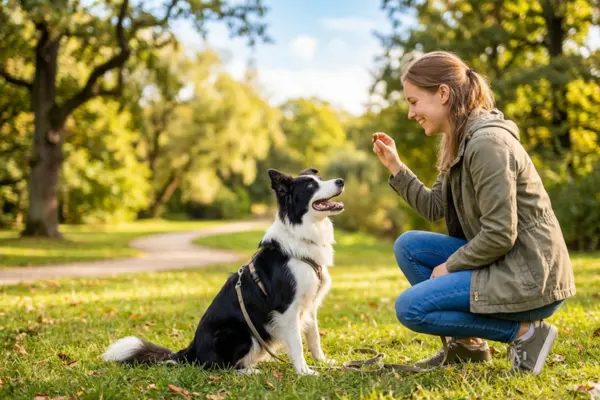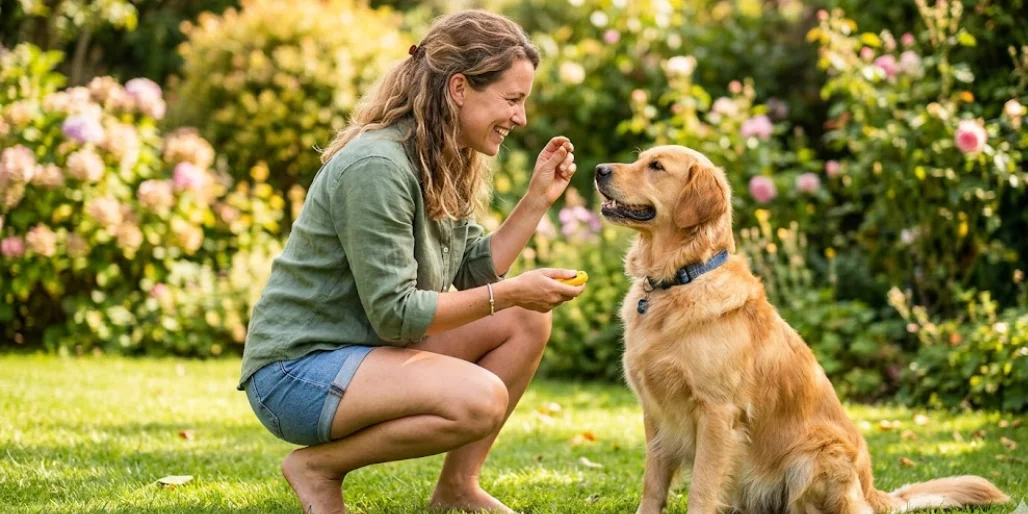
Unlock the secrets to effective and enjoyable dog training with our comprehensive guide to clicker training. This method, rooted in positive reinforcement, offers a clear and compassionate way to communicate with your canine companion, transforming challenges into triumphs and strengthening your bond. Whether someone is just starting out or looking to expand what their dog already knows, this guide — combined with a broader dog training foundation — covers everything needed to get started with confidence.
What is Clicker Training for Dogs?
Clicker training for dogs is a highly effective and humane method of dog training that relies on the precise timing of a distinct sound – the clicker – to mark a desired behavior. This form of positive reinforcement training allows you to communicate with your dog exactly when they perform an an action correctly, making it easier for them to understand what you are trying to teach. A skilled trainer can use a clicker to teach their dog almost any command.
Understanding the Clicker
The clicker itself is a small, handheld device that produces a consistent, unique clicker sound. This sound acts as a bridge, signaling to your pup the exact moment they have performed the desired behavior. It’s crucial that the clicker sound is always followed by a reward, usually a small, high-value treat, so your dog learns to associate the click with something positive. Karen Pryor Clicker Training popularized the use of this simple yet powerful tool in animal training.
Benefits of Clicker Training
There are numerous benefits to clicker training your dog. This method fosters a positive learning environment, making training sessions enjoyable for both you and your pup. It also offers several other advantages:
- It helps your dog learn new commands quickly and enthusiastically, as they are motivated by rewards rather than fear or intimidation.
- You can use it to address various behavioral issues and teach your dog a wide range of commands, from basic obedience like “sit” or “paw” to more complex tricks.
Using a clicker helps your dog to focus and engage more readily in the training process.
How Does Clicker Training Work?
Clicker training works by creating a clear association between the click and the desired behavior. When you press the clicker the moment your dog performs the desired action, such as when your dog sits, you immediately follow it with a reward. This “click and treat” sequence helps your dog learn that the clicker sound means they did something right and a reward is coming. Over time, your dog learns to offer the desired behavior more frequently, as they anticipate the rewarding click. This method allows you to shape complex behaviors by breaking them down into small steps, gradually leading your dog to the final goal.
How Can a Clicker Be Effectively Used to Train Your Dog?
Introducing the Clicker to Your Dog
Introducing the clicker to your dog is a fundamental first step in clicker training for dogs. The goal is to create a positive association with the clicker sound, making your pup understand that the click signifies a reward is coming. To achieve this, follow these simple steps:
- Start in a quiet environment with minimal distractions.
- Press the clicker, and immediately give your dog a small, high-value treat.
- Repeat this sequence several times – click the clicker, then treat – ensuring your dog connects the click with something positive.
This process, often referred to as “charging the clicker,” teaches your dog that the exact moment they hear the clicker sound, positive reinforcement is on its way, laying the groundwork for all future dog training sessions.
Essential Training Supplies for Clicker Training
To effectively clicker train your dog, having the right essential training supplies is crucial. Naturally, a good quality dog training clicker is at the top of the list; look for one that produces a consistent and clear sound. Beyond the clicker, you’ll also need a few other key items:
- A reliable supply of high-value training treats. These should be small, soft, and highly palatable, as they will be your primary form of positive reinforcement.
- A treat pouch or bag that allows for quick and easy access to treats, enabling you to deliver the reward promptly after the click.
- A comfortable leash and collar for managing your pup during initial training sessions, especially when teaching basic commands.
Choosing the Right Training Treats
Choosing the right training treats is a critical component of successful clicker training for dogs, as these treats serve as the primary positive reinforcement. The ideal treats should be small enough that your pup can eat them quickly, preventing delays in your training flow, and soft, so they are easy to chew and swallow. Most importantly, they need to be high-value, meaning something your dog absolutely loves and is highly motivated to work for. Experiment with different options like small pieces of cooked chicken, cheese, or commercial training treats until you discover what truly excites your dog. These highly coveted rewards will ensure your dog remains engaged and enthusiastic to perform the desired behavior when you use the clicker.
What Techniques Can You Use with Clicker Training?
Positive Reinforcement Methods
Positive reinforcement is the cornerstone of clicker training, making it an incredibly humane and effective method to train your dog. When you use a clicker, you’re essentially pinpointing the exact moment your dog performs the desired behavior, and then immediately following that with a reward. This “click and treat” strategy teaches your dog that good things happen when they offer a specific action. This method encourages your pup to repeat desirable actions willingly, fostering a strong bond between you and your dog, built on trust and positive associations. A skilled clicker trainer will use this principle to shape complex behaviors by breaking them down into small steps, ensuring your dog learns at their own pace and remains engaged in the training sessions.
Clicker Training for Puppies
Clicker training is particularly beneficial for puppies, providing a clear and consistent way to communicate with your young pup during their crucial developmental stages. Introducing your puppy to the clicker early can help establish a strong foundation for future learning and good behavior. When you click the clicker and immediately give your dog a treat for a desired behavior, such as a gentle “sit” or acknowledging their name, you create positive associations with learning. This helps to prevent many common puppy behavioral issues by teaching them what you want them to do, rather than simply punishing unwanted actions. A puppy learns quickly that the clicker sound means they did something right, making training sessions enjoyable and productive for both the pup and the dog trainer.
Common Commands to Teach Your Dog
Clicker training for dogs is incredibly versatile and can be used to teach your dog a wide array of commands, from basic obedience to more advanced tricks. Some of the most common and essential commands to teach your dog using a clicker include “sit,” “down,” “stay,” “come,” and “paw.” To teach your dog these commands, you’ll press the clicker the exact moment your dog performs the desired behavior, followed by a reward. For instance, when teaching “sit,” click when your dog’s hindquarters touch the ground, then offer a treat. This precise feedback helps your pup understand quickly what you’re asking, making the training process efficient and enjoyable for everyone involved, further solidifying the principles of positive reinforcement training.
How to Communicate with Your Dog Using Clicker Training?
Timing and Consistency in Clicker Training
Timing and consistency are paramount in clicker training for dogs, as they are crucial for effective communication between you and your pup. The clicker’s power lies in marking the exact moment your dog performs the desired behavior. If you click too late or too early, your dog might become confused about what action earned them the reward. Consistency means always following the clicker sound with positive reinforcement, usually a treat, and applying the same criteria for each behavior. This precise feedback helps your dog learn quickly and reduces frustration, making the training sessions much more productive and enjoyable for both the dog and the trainer.
Using the Clicker to Teach New Behaviors
Using the clicker to teach new behaviors is a highly effective way to expand your dog’s repertoire of commands and tricks. When introducing a new behavior, start by luring or capturing the desired action. For example, to teach your dog “paw,” you might wait for your dog to lift their paw or gently guide it. The exact moment your dog performs the desired behavior, press the clicker, and immediately follow with a reward. Breaking down complex behaviors into small steps and clicking for each successful approximation helps your dog understand what is expected, making the learning process clear and positive. This approach, central to clicker training, enables you to train your dog using positive reinforcement efficiently.
Understanding Your Dog’s Responses
Understanding your dog’s responses is vital for successful clicker training, as it allows you to tailor your approach and ensure effective communication. Pay close attention to your pup’s body language and level of engagement during training sessions. If your dog seems confused or frustrated, it might indicate that the steps are too large, or the rewards aren’t motivating enough. A good dog trainer knows how to observe these cues and adjust their methods accordingly. By understanding your dog’s individual learning style and emotional state, you can make the training experience more positive and productive, fostering a stronger bond and helping your dog learn more readily through the consistent use of the clicker.
Why Choose a Clicker Trainer for Your Dog?
Finding the Right Clicker Trainer
Finding the right clicker trainer is an essential step if you’re looking for expert guidance in your dog training journey. A skilled clicker trainer possesses a deep understanding of positive reinforcement training principles and can effectively communicate these to both you and your pup. Look for a trainer who emphasizes humane methods, has experience with various breeds and behavioral issues, and can demonstrate how to use the clicker effectively to train your dog. The right trainer will not only help you train your dog using the clicker but also empower you with the knowledge and confidence to continue clicker training long after their sessions are complete, ensuring lasting results.
How a Trainer Can Enhance Your Clicker Training Experience
A professional dog trainer can significantly enhance your clicker training experience by offering personalized guidance and troubleshooting specific challenges. While you can certainly clicker train your dog independently, a trainer provides an objective perspective and can identify subtle cues you might miss. They can help you refine your timing with the clicker, suggest alternative approaches when your dog isn’t grasping a concept, and guide you through advanced behaviors. A good clicker trainer will not just teach your dog commands like “sit” or “paw,” but also teach you how to effectively communicate with your dog, strengthening your bond and making training sessions more rewarding for both of you.
Success Stories: Dogs Using a Clicker
The numerous success stories of dogs using a clicker serve as powerful testament to the effectiveness of this positive reinforcement training method. From shelter dogs learning basic obedience to service dogs mastering complex tasks, the clicker has proven to be an invaluable tool. These stories often highlight how a dog trainer, using the clicker, transformed a once challenging pup into a well-behaved and confident companion. Dogs that were once shy or reactive have learned to navigate the world with greater ease, and even older dogs have successfully learned new tricks, demonstrating that it’s never too late to start clicker training. These examples inspire others to clicker train their own dogs and experience the joy of clear communication.