Embarking on the journey of dog training for adult dogs is a rewarding experience that can strengthen your bond and improve your canine companion’s quality of life. Whether you have a new dog, a rescue dog, or an older dog you’ve had for years, teaching your dog new tricks and reinforcing good behavior is always possible. This guide will help you understand the unique aspects of adult dog training and provide you with effective ways to train your dog for complete obedience — pair it with our dog training guide for a complete overview of every method covered here and more.
Understanding Your Adult Dog
Characteristics of Adult Dogs
Adult dogs come with their own distinct set of characteristics that make them both unique and wonderful to train. Unlike puppies, adult dogs often have established personalities, routines, and a certain level of self-control. This maturity can be a significant advantage in dog training, as they are typically less prone to destructive chewing or constant house training accidents. While some might believe it’s ever too late to start training a dog, adult dogs are often more focused and less easily distracted than younger pups during training sessions, making them prime candidates for effective obedience training and learning basic commands.
Common Behavior Issues in Older Dogs
Even well-adjusted older dogs can sometimes develop common behavior issues that can be addressed through consistent dog training. These might include:
- Pulling on the leash
- Excessive barking
- Not coming when called
- Separation anxiety
Some older dogs might have missed out on early obedience training, leading to a lack of basic commands or general dog obedience. For a new dog or a rescue dog, these issues might stem from past experiences or a lack of consistent boundaries. Identifying these challenges is the first step in effective adult dog training and implementing positive reinforcement techniques.
Benefits of Training an Adult Dog
The benefits of training an adult dog are numerous and far-reaching, impacting both the dog and its owner. Through comprehensive obedience training, you can greatly improve your dog’s quality of life, enhancing their self-control and making them a more confident and well-behaved companion. An effective way to train an adult dog will not only teach them basic commands but also address any problematic dog behavior, fostering a stronger bond between you and your furry friend. Dog training methods rooted in positive reinforcement are particularly effective for adult dogs, leading to a happier, more harmonious household and a dog that is a joy to be around.
Choosing the Right Training Methods
Overview of Popular Dog Training Methods
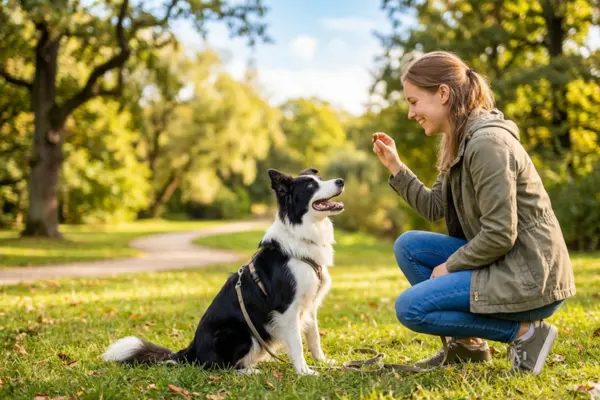
When it comes to adult dog training, several popular methods can be incredibly effective for teaching new tricks and reinforcing good behavior. These methods are generally humane and build a strong bond between you and your older dog, making them an effective way to train an adult dog. Some of the most common techniques include:
- Positive reinforcement: This is a cornerstone for most successful training sessions, utilizing treats, praise, and toys to reward desired actions.
- Clicker training: A specific type of positive reinforcement, this method — popularised by institutions like the Karen Pryor Academy — uses a distinct sound to mark the exact moment your dog performs the correct behavior, making learning basic commands much clearer
- Lure-reward training: This common technique uses a treat to guide your adult dog into the desired position, then rewards them.
How to Select the Best Method for Your Older Dog
Selecting the best training methods for your older dog requires careful consideration of their individual personality, past experiences, and any existing dog behavior issues. For a rescue dog or an older dog with a history of neglect, a gentle approach focused on positive reinforcement and building trust is paramount. If your adult dog is highly motivated by food, treat training will likely be very effective. For dogs who are more playful, incorporating toys and games into your training sessions can keep them engaged and make teaching your dog new tricks a fun experience. The best way to train an adult dog is often a personalized approach, perhaps even consulting a professional dog trainer, to ensure you’re using methods that cater to your specific canine companion.
Combining Techniques for Effective Obedience Training
Often, the most effective obedience training for an adult dog involves combining various training methods to create a comprehensive and engaging program. For instance, you might use lure-reward training to initially teach your dog basic commands like “sit” or “stay,” then transition to clicker training to refine their responses and build self-control. Incorporating positive reinforcement throughout all training sessions, whether through verbal praise or high-value treats, is crucial for maintaining your adult dog’s motivation. For specific challenges, such as pulling on the leash, you might integrate specific leash training techniques alongside general dog obedience training. By creatively blending approaches, you can make training your adult dog a rewarding experience that yields excellent results in complete dog obedience.
Working with a Professional Dog Trainer
When to Seek Help from a Dog Trainer
While many owners can achieve significant progress through self-directed dog training, there are specific situations where seeking the expertise of a professional dog trainer becomes invaluable, especially for an adult dog. A professional can offer tailored guidance and an effective way to train your dog in several scenarios:
- If your adult dog exhibits severe behavioral issues like aggression, intense separation anxiety, or persistent reactivity to other dogs or people.
- If you’ve tried various dog training methods on your own without success, or if you’re struggling to implement consistent positive reinforcement techniques.
- For a rescue dog with an unknown past, or an older dog with ingrained habits, as a professional can assess their specific needs and create a personalized plan to achieve complete obedience and better dog behavior.
Finding a Qualified Trainer for Adult Dog Training
Finding a qualified dog trainer for adult dog training is crucial for successful obedience outcomes. Look for trainers who prioritize positive reinforcement and humane training methods, as these are proven to be the most effective way to train an adult dog and build a strong, trusting bond. A good dog trainer should have certifications from reputable organizations and be transparent about their training philosophy and experience, especially with older dogs or rescue dogs. Ask for references and read reviews to ensure they have a track record of helping owners teach their dog new tricks and address complex dog behavior. Observing a training session before committing can also give you insight into their style and whether it aligns with your goals for your adult dog’s obedience training.
What to Expect from Obedience Training Sessions
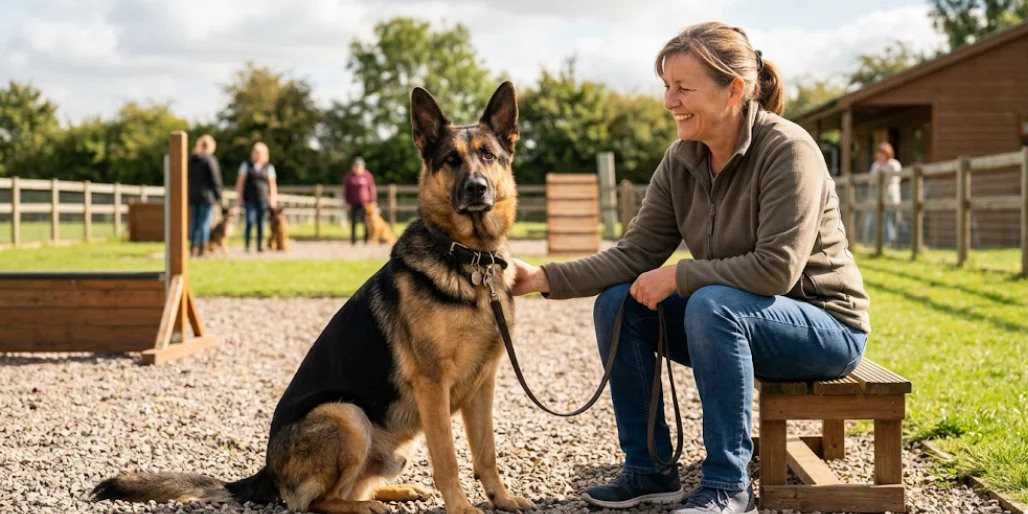
When you embark on obedience training sessions with a professional dog trainer, you can expect a structured approach focused on practical results and long-term success for your adult dog. Initially, the trainer will likely conduct an assessment of your adult dog’s current behavior, temperament, and any specific challenges you’re facing. Training sessions will typically involve hands-on demonstrations of basic commands and techniques, with the trainer guiding you on how to effectively use positive reinforcement to train your dog. You’ll learn to implement consistent cues and rewards, gradually building your dog’s self-control and confidence. A good trainer will also provide homework and training tips for you to practice between sessions, ensuring that the progress made in class translates to improved dog obedience in your everyday life.
Success Stories and Case Studies
Rescue Dogs and Their Training Journeys
The journey of a rescue dog often highlights the incredible impact of dedicated dog training and positive reinforcement. Many rescue dogs come with past traumas or a lack of basic obedience, but with patience and the right training methods, they can transform into well-adjusted, loving companions. Take Buster, an older dog adopted from a shelter, who initially struggled with severe leash reactivity and anxiety around new people. Through consistent positive reinforcement and specialized leash training from a professional dog trainer, Buster not only learned to walk calmly but also became a confident, social dog, proving that an old dog absolutely can learn new tricks and achieve remarkable dog obedience.
Transformative Experiences with Older Dogs
Training older dogs can be profoundly transformative, debunking the myth that you can’t teach an old dog new tricks. Consider Maggie, a ten-year-old Golden Retriever whose owners wanted to improve her self-control and teach her some new tricks for mental stimulation. Despite her age, Maggie quickly picked up advanced obedience commands like “place” and “wait” through treat training and clicker training. The consistent training sessions not only sharpened her mind but also re-energized her, making her more engaged and responsive. These stories underscore that training an adult dog, regardless of age, can significantly enhance their quality of life, strengthen the human-animal bond, and lead to incredible dog behavior improvements.
Real-Life Examples of Obedience Success
Countless real-life examples demonstrate the profound success achievable through dedicated adult dog training. There’s Max, a boisterous Labrador who learned to manage his excitement and stop jumping on guests after a few weeks of consistent positive reinforcement and boundary training. Sarah, a new dog owner, successfully taught her timid rescue dog, Luna, to walk confidently on a leash and respond to basic commands like “sit” and “stay” through gentle, reward-based dog training methods. These training tips, coupled with patience and understanding, empowered both dogs and their owners to overcome challenges, demonstrating that an effective way to train an adult dog leads to a happier household and a dog that is a joy to have around.