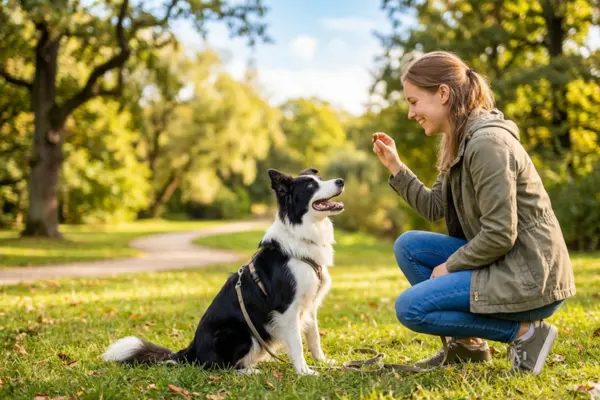
As dog owners, we often wonder if there’s an expiration date on our furry companions’ ability to learn. The notion of “you can’t teach an old dog new tricks” has been ingrained in our minds, leading many to believe it is too late to start training a dog once they’ve passed puppyhood. This article will delve into the truth about dog training at any age, debunking myths and offering valuable insights.
Understanding Dog Training
The Importance of Training a Dog
Training a dog is a fundamental aspect of responsible pet ownership, fostering a stronger bond between canine and human and ensuring a well-behaved companion. Effective dog training helps address and prevent unwanted behaviors, making living together a more harmonious experience. It’s about more than just obedience; it’s about clear communication and mutual understanding, which is beneficial for every dog, regardless of age — our dog training guide covers the foundational methods that work whether you’re starting with a puppy or an older dog..
When is it Too Late to Start Training?
It’s a common misconception to think it’s too late to train a dog once they are no longer a puppy. The truth is, it’s never too late to start training a dog. Whether you have a young adult dog, a 3-year-old companion, a senior dog, or even a 10-year-old dog, every dog has the capacity to learn new skills and behaviors.The idea that a dog is too old to learn new tricks is largely unfounded — a position supported by the American Veterinary Society of Animal Behavior (AVSAB), which confirms that dogs of any age retain the capacity to learn through positive, reward-based methods
Common Misconceptions About Training Older Dogs
One of the most persistent misconceptions is that an old dog cannot learn new things. Many dog owners believe it is too late to train an older dog because their habits are too ingrained. However, this is far from the truth. While an older dog might have established habits, both good and bad, they are still capable of learning and adapting. Training older dogs often requires patience and consistency, but the rewards are well worth the effort — our complete guide to dog training for adult dogs walks through the specific methods that work best for mature dogs.
Training Older Dogs
Can You Train an Older Dog?
It is absolutely possible to train an older dog; in fact, it’s never too late to start training a dog, regardless of their age. The phrase “you can’t teach an old dog new tricks” is a pervasive myth that often discourages dog owners from even attempting to train an older dog. However, every dog, including a senior dog or a 10-year-old dog, retains the capacity to learn new skills and behaviors. With the right approach and a clear understanding of an older dog’s needs, you can certainly teach an old dog new tricks.
Common Challenges When Training Older Dogs
While it’s never too late to train an older dog, there can be common challenges when training them. An older dog might have ingrained bad habits that require consistent redirecting, and their physical limitations, such as arthritis, could impact their ability to perform certain commands. Additionally, some older dogs may have a shorter attention span or be less motivated to learn new things due to their past experiences or lack of training. However, these challenges are not insurmountable for the training process.
Tips for Training a Senior Dog
When training a senior dog, patience and positive reinforcement are key. Breaking down complex commands into smaller, manageable steps can help your dog learn without becoming overwhelmed. Using high-value treats and praise will keep them engaged and motivated. If your older dog has specific physical ailments, adjust your training methods to accommodate them. For example, if they have difficulty with long walks, focus on indoor training or shorter, more frequent sessions. Consistency and a gentle approach will help your dog learn effectively.
Starting Training at Different Ages
Best Age to Start Training a Dog
While many dog owners believe it is too late to start training a dog once they’re past puppyhood, the best age to start training a dog is immediately upon bringing them home, regardless of their age. Whether you have a young puppy, an adult dog, or even a 3-year-old dog, starting early establishes good habits and a strong bond. However, it’s essential to reiterate that it’s never too late to train an older dog; even a 10-year-old dog can benefit immensely from training, acquiring new skills and enhancing their quality of life.
Training a Puppy vs. an Adult Dog
Training a puppy often focuses on foundational obedience, house-training, and early socialization, as they are highly impressionable and eager to learn. An adult dog, conversely, might require more effort in addressing existing bad habits or filling in gaps from a lack of prior training. While a puppy might learn new commands quicker, an adult dog often has a longer attention span and a better understanding of routines. In either case, consistent positive reinforcement and clear communication are crucial for effective dog training.
Socialization for Older Dogs
Socialization for older dogs is just as important as it is for puppies, especially if they have had limited exposure to new environments, people, or other animals. Many dog owners mistakenly believe it is too late for an older dog to socialize. Introducing an older dog to new experiences gradually and positively can help build their confidence and prevent anxiety. Attending training classes or going on controlled outings can provide safe opportunities for an older dog to learn to interact appropriately and enjoy new experiences, proving it’s never too late to improve their social skills.
Addressing Bad Habits
Identifying Bad Habits in Older Dogs
Many dog owners assume it is too late to train an older dog once bad habits are deeply ingrained. However, identifying these bad habits is the first step toward successful correction. Common issues in an older dog might include excessive barking, leash pulling, house soiling, or destructive chewing. An older dog might have developed these behaviors due to a lack of proper socialization, inconsistent past training, or even underlying health issues. Understanding the root cause is crucial before attempting to correct them, proving it is never too late to start observing and understanding your dog’s behaviors.
Strategies to Correct Bad Behaviors
When it comes to strategies to correct bad behaviors, positive reinforcement is your most powerful tool, especially when training an older dog. Instead of punishing an old dog for undesirable actions, redirect your dog towards an acceptable alternative and reward them generously. For instance, if your older dog exhibits leash pulling, use short, controlled walks with immediate rewards for a loose leash. Consistency is paramount; every dog learns best through repetition. Enrolling in training classes can provide structured guidance and help your dog learn new, appropriate behaviors effectively. It is never too late to teach an old dog new tricks.
Preventing Bad Habits in Senior Dogs
Preventing bad habits in senior dogs involves consistent reinforcement of good behaviors and proactive management of their environment. Regular mental and physical exercise, tailored to a senior dog’s capabilities, can help alleviate boredom and reduce the likelihood of destructive behaviors. Maintaining a consistent routine, offering appropriate chew toys, and continuing socialization efforts can contribute significantly to a well-adjusted older dog. Remember, it’s never too late to introduce new stimulating activities or to reinforce positive interactions, which can prevent new bad habits from forming and existing ones from worsening.
Conclusion
It’s Never Too Late to Train
The pervasive myth that “you can’t teach an old dog new tricks” often discourages dog owners from believing it is never too late to train an older dog. However, the truth is, every dog, regardless of age, has the capacity to learn new skills and behaviors. Whether you have a puppy, an adult dog, or even a 10-year-old dog, consistent effort and positive reinforcement in your dog training endeavors will yield results. It is never too late to start training a dog, and the benefits extend to improved communication, a stronger bond, and a happier, more well-adjusted companion.
Final Tips for Successful Dog Training
For successful dog training, especially when training older dogs, remember that patience, consistency, and positive reinforcement are key. Break down complex commands into smaller steps to help your dog learn without becoming overwhelmed. Use high-value treats and praise to keep them motivated, and never underestimate the power of short, frequent training sessions. If you encounter common challenges when training, consider consulting a professional dog trainer for personalized guidance. It’s never too late to help your dog learn and thrive, enhancing both their life and yours.