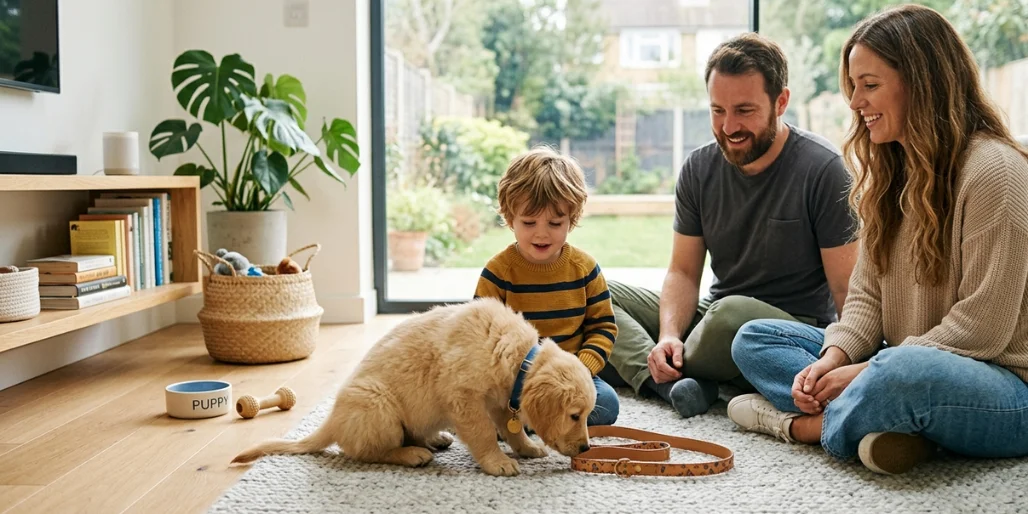
Bringing a new puppy home is an exciting time, filled with anticipation and joy. However, it is also a period that requires careful preparation and understanding to ensure a smooth transition for both the puppy and its new family. This guide will walk through the essential steps to prepare for a puppy’s arrival and lay the groundwork for successful puppy training.
The first week sets the tone for everything that follows — from how well the puppy sleeps through the night to how quickly potty training clicks. Getting the routine right early makes every subsequent week significantly easier for the whole family.
For anyone looking to go deeper on commands, behavior management, and long-term training methods, a comprehensive dog training resource provides everything needed to build on these first-week foundations with confidence.
How Do You Prepare to Bring Your Puppy Home?
The journey of welcoming new puppies into your home begins long before they actually arrive. Preparing adequately is crucial to prevent overwhelm and set a positive tone for your puppy’s first few days. Understanding how to bring your puppy home with minimal stress will significantly impact their ability to adapt and thrive in their new environment. Thoughtful preparation ensures that you are ready to meet all of your pup’s immediate needs, from essential supplies to a well-structured routine.
Essential Supplies for Your New Puppy
Before you even bring your puppy home, compiling a comprehensive list of essential supplies is paramount. This includes a comfortable crate that will serve as a safe haven and aid in crate training, especially for helping your puppy sleep through the night. Stocking up on puppy-specific food, a variety of chew toys to redirect their natural chewing instincts, and appropriate bedding for their crate will address fundamental puppy needs. Don’t forget leashes, collars, and waste bags for those frequent potty breaks, as well as grooming tools to keep your pup looking and feeling their best during their first few weeks at home. Having these items ready will alleviate stress on the first days home and allow you to focus on introducing your puppy to their new surroundings.
Creating a Safe Environment for Your Pup
Creating a safe and secure environment is a critical step before you get a puppy. This involves “puppy-proofing” your home to eliminate potential hazards, much like preparing for a curious toddler. Secure loose wires, put away toxic plants, and ensure that small, swallowable items are out of reach. Designate a specific area, perhaps with their new crate, where your pup can retreat and feel safe, especially during their first night home. This controlled setting will help your puppy adjust and prevent any unfortunate potty accidents, facilitating a smoother transition into their new family and reducing the chances of the puppy getting into trouble.
Establishing a Puppy Welcome Routine
Establishing a consistent puppy welcome routine from the very moment the puppy arrives is vital for successful puppy training and smooth integration into the family. The puppy’s first week at home should be structured, with predictable times for feeding, playtime, potty breaks, and naps. According to the AKC’s dedicated puppy schedule and routine guide, structure is one of the most powerful tools a new puppy owner has — it helps the pup feel secure, understand what is expected of them, and settle into the household far more quickly than an unplanned approach allows. Implementing a consistent potty training schedule — taking the puppy outside frequently, especially after waking and eating — significantly helps the puppy learn where to do their business, making the first days less stressful for everyone involved.
What Should You Expect in the First Few Days with Your New Puppy?
Understanding Your Puppy’s Needs
The first few days with your new puppy are a period of significant adjustment for both of you, and understanding their fundamental puppy needs is paramount to a successful transition. Your pup will require frequent feeding, consistent potty breaks, and ample opportunities for rest and playtime. Establishing a predictable puppy schedule early on will help your puppy settle in, reducing the overwhelm they might experience in a new environment. This routine should include dedicated times for meals, training games, and supervised interactions, all designed to help your puppy feel secure and understand the expectations of their new home. Remember that patience and consistency are key during this initial period.
Adjusting to Their New Home
When you bring your puppy home, their initial reaction will likely be a mix of curiosity and apprehension. It’s crucial to give your puppy space to explore their new surroundings at their own pace. Introducing them to their designated safe area, perhaps their crate, will provide a sense of security and help them adjust. Encourage positive associations with their crate, making it a comfortable place where they can retreat for a nap or to sleep through the night. Gradual introductions to other family members and pets will prevent overwhelm and allow your puppy to form positive bonds, making their first week with a puppy a less stressful and more enjoyable experience for everyone.
Recognizing Signs of Stress in Your Puppy
During the first few days home with your new puppy, it’s important for new puppy parents to be vigilant in recognizing signs of stress or anxiety. A puppy might display stress through excessive vocalization, destructive chewing on items other than their chew toy, changes in appetite, or more frequent potty accidents. Some puppies may hide, tremble, or become withdrawn when feeling overwhelmed. If you observe these behaviors, it’s essential to identify the trigger and provide reassurance. Creating a calm environment, sticking to a consistent puppy schedule, and offering plenty of positive reinforcement can help your puppy feel more secure and reduce their stress levels, fostering a happier transition into their new family.
How Can You Effectively Potty Train Your New Puppy?
Potty training is undeniably one of the most critical aspects of puppy training, laying the foundation for a well-behaved companion and a clean home. Understanding how to effectively potty train your new puppy is essential for all new puppy parents, as it prevents frustration for both the pup and the family. This stage of dog training requires immense patience, consistency, and a clear understanding of your puppy’s needs. By implementing the right strategies from the moment you bring your puppy home, you can significantly reduce the incidence of potty accidents and help your puppy quickly grasp where they should do their business, ensuring a smoother transition for the entire new family.
Setting a Potty Schedule
Establishing a consistent potty schedule is the cornerstone of successful potty training for new puppies. From the first days home, your puppy needs predictability to learn when and where to relieve themselves. This means taking your puppy outside frequently, typically every 1-2 hours for very young pups, immediately after waking up, within 15-20 minutes after meals, and before bedtime to ensure they can sleep through the night without discomfort. A consistent puppy schedule helps your puppy develop a routine and understand the expectations for their potty breaks. Sticking to this schedule diligently, even during the first few days, will significantly help your puppy learn and minimize frustrating potty accidents.
Tips for Successful Potty Breaks
For successful potty breaks, positive reinforcement is key to encourage your puppy to go outside. Every time you take your puppy outside and they relieve themselves in the designated potty area, reward them immediately with praise, a small treat, or a favorite chew toy. This positive association will motivate your pup to repeat the desired behavior. Avoid scolding your puppy for potty accidents inside; instead, interrupt the act gently and immediately take your puppy outside to their potty spot. Always supervise your puppy closely when indoors, especially during the first few weeks, to catch any signs they might need to go out, such as sniffing around or circling, and promptly take your puppy outside.
Crate Training for Potty Success
Crate training is an invaluable tool for potty training and helping your puppy sleep through the night. A crate acts as a den for your puppy, and dogs naturally prefer not to soil their sleeping area. When you bring your puppy home, introduce them to their crate as a safe and comfortable space, not a punishment. The crate can help your puppy hold their bladder for longer periods, especially overnight. Ensure the crate is appropriately sized, allowing your pup to stand up, turn around, and lie down comfortably but not so large that they can designate a separate potty area inside. By making the crate a positive experience, you can help your puppy develop better bladder control and prevent potty accidents, making the first night with a puppy much more manageable for everyone in the new family.
What Should You Include in Your Puppy’s First Week Schedule?
Feeding and Nap Times
A structured puppy schedule is crucial for new puppies during their puppy’s first week at home. Establishing consistent feeding and nap times helps manage your pup’s energy levels and aids in potty training. Ensure your puppy receives appropriate meals spaced throughout the day, as young puppies have specific puppy needs and small stomachs. Integrating regular nap times into the puppy schedule prevents overwhelm and allows your puppy to rest and process their new surroundings, helping them grow and develop without becoming overtired. These consistent routines will significantly help your puppy adjust to their new family and reduce stress during their first few days home.
Playtime Activities for Your Pup
Playtime is an essential component of your puppy’s first week schedule, offering vital opportunities for bonding, socialization, and healthy development. Introduce your puppy to a variety of safe chew toys and engage in interactive training games to stimulate their mind and body. Supervised playtime not only helps your puppy expend energy but also teaches them appropriate social behaviors and bite inhibition Keep playtime sessions short and frequent to match your puppy’s attention span and energy levels — if you’re wondering exactly how much is enough, this breakdown by age and breed gives you a clearer benchmark to work from. These enjoyable activities during their first few weeks will strengthen the bond between you and your new puppy and lay the groundwork for effective puppy training.
Training Sessions: Starting Off Right
Starting puppy training sessions early is paramount when you bring your puppy home. During your puppy’s first week, focus on basic commands like “sit” and “stay,” using positive reinforcement methods. Keep training sessions brief and engaging, as new puppies have limited attention spans. Early exposure to consistent training helps your puppy understand boundaries and expectations, making future dog training much smoother. Integrating short training games into their daily puppy schedule helps prevent behavioral issues down the line and ensures your pup grows into a well-behaved member of the new family, making their first days home a positive learning experience.
How Do You Help Your Puppy Sleep Through the Night?
Creating a Comfortable Sleeping Area
To help your puppy sleep through the night, creating a comfortable and secure sleeping area is essential for new puppies. When you bring your puppy home, introduce them to their crate as a safe den, ensuring it’s appropriately sized to prevent potty accidents. Line the crate with soft bedding, and perhaps include a blanket with your scent, to provide a sense of security and familiarity for your pup. The designated sleeping area should be in a quiet part of your home, free from distractions, to help your puppy settle down for their first night with a puppy. A comfortable space reduces anxiety and contributes to your puppy’s overall well-being.
Nighttime Routines for Your New Puppy
Establishing a consistent nighttime routine is a key strategy to help your puppy sleep through the night. Before bedtime, engage your puppy in a final playtime to help them expend any remaining energy, followed by a quiet winding-down period. Ensure your puppy has a final potty break just before going into their crate. This predictable sequence signals to your pup that it’s time to settle down for the night, reducing any potential overwhelm they might experience in a new family. A well-structured routine during your puppy’s first week helps new puppies feel secure and reduces the likelihood of them waking up during the night.
Managing Nighttime Potty Breaks
Effectively managing nighttime potty breaks is crucial to help your puppy sleep through the night and prevent potty accidents. For very young new puppies, you may need to set an alarm to take your puppy outside for a quick potty break during the night. Keep these nighttime excursions brief and calm, with minimal interaction, to avoid stimulating your pup. Immediately return your puppy to their crate afterward. As your puppy grows and their bladder control improves, you can gradually extend the time between breaks. This consistent approach helps your puppy learn to hold it longer and associates nighttime with sleeping, not playtime, making their first few weeks easier.