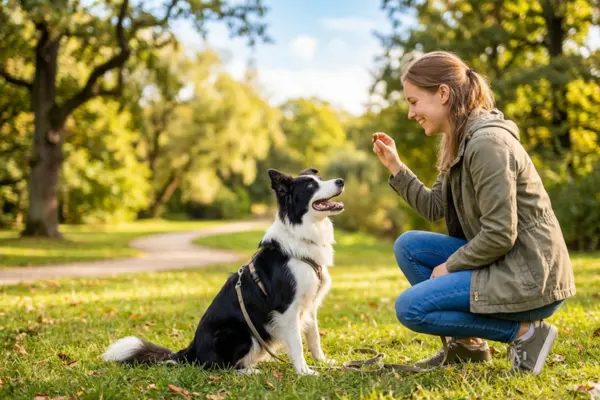
It’s a question every dog owner has asked: “Why does my dog do that?” From peculiar quirks to sudden shifts in demeanor, understanding dog behavior can often feel like solving a complex puzzle. But don’t worry, we’re here to help you decipher your furry friend’s actions and build an even stronger bond.
Understanding Dog Behavior
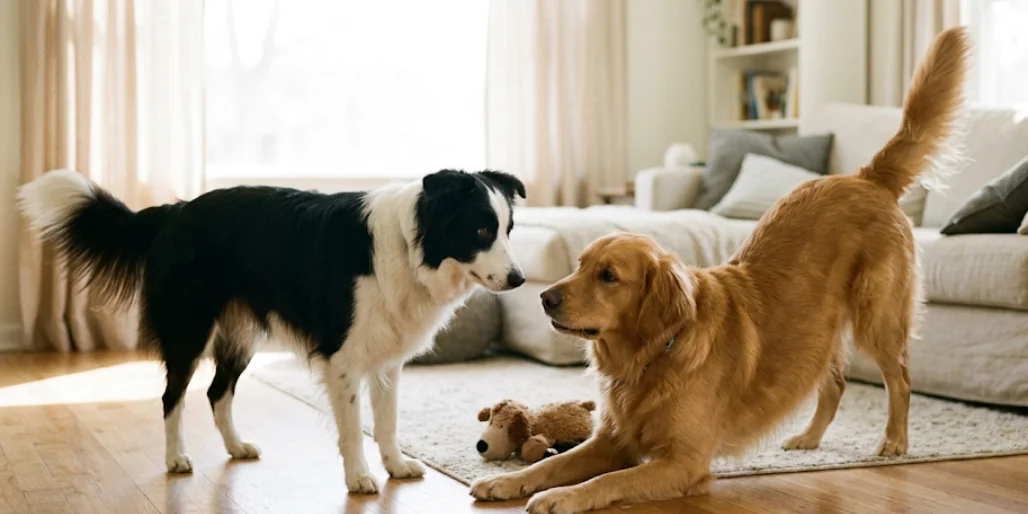
A loose, wiggly body and a broad tail wag means your dog is happy. A tucked tail, whale eyes (showing the whites), or a low stiff wag usually means fear or stress. A play bow — front legs down, rear end up — is an invitation to play. Once you know these core signals, most of what your dog does stops being a mystery: the lick on your face, the growl in their sleep, the way they roll on their toys. Below, we decode the behaviors dog owners ask about most, one signal at a time.
Common Dog Behaviors and Their Meanings
Our canine friends display a myriad of common dog behaviors, each with its own meaning. For instance, a happy dog often has a loose and wiggly body, with a tail wag that signals joy. Conversely, a nervous dog might tuck their tail between their legs or show the whites of their eyes, indicating fear or stress. Interpreting these subtle cues is crucial for any responsible dog owner.
How Selective Breeding Changed Dogs
The incredible diversity in dog behavior we see today is largely due to how selective breeding changed dogs over thousands of years. From specific hunting instincts to herding traits, humans have shaped different breeds to fulfill various roles. This has led to unique behavioral predispositions in each breed. This has led to unique behavioral predispositions in each breed, which is something Pawandbreeds takes into account when providing tailored advice across our breed guides for your well-behaved dog.
Canine Communication Through Body Language
Canine communication is a rich tapestry, with body language being a primary component. Dogs communicate through their posture, the position of the tail, and even subtle shifts in their body. Understanding dog body language allows you to recognize calming signals when your dog is uncertain, or a play bow when they want to engage in some fun with another dog or with you.
Understanding dog body language allows you to recognize calming signals when your dog is uncertain, or a play bow when they want to engage in some fun — AKC’s guide to reading body language breaks these signals down further.
Body Language in Dogs
Deciphering dog body language is like learning a new language, but it’s essential for truly understanding your pet. Every twitch of an ear, every shift in their gaze, and the overall stiffness or looseness of their body can convey a message. Paying close attention to these non-verbal cues will significantly improve your connection with your beloved companion.
Reading Dog Body Language for Better Understanding
Reading dog body language for better understanding involves observing the complete picture. A relaxed dog will typically have a loose body and a gentle tail wag, while a submissive dog might look away or yawn to signal they’re not a threat. A submissive dog might look away or yawn to signal they’re not a threat, per ASPCA’s canine body language tips. Learning these nuances helps you respond appropriately, whether it’s during a greeting with another dog or when they’re simply trying to tell you something.
The Meaning Behind Raised Hackles and Aggression
When you see raised hackles on a dog, it’s an immediate signal of heightened arousal, which can stem from fear, excitement, or aggression. While not always indicative of an attack, it’s a clear sign of discomfort. If the body is stiff and the dog is growling, it’s a warning. Recognizing these signs early allows you to de-escalate potential conflicts.
The Role of Eye Contact in Dog Communication
Eye contact in dog communication plays a significant role, but its meaning can vary. Direct, prolonged eye contact from a human can sometimes be perceived as a challenge by a dog, especially a nervous dog. However, a soft gaze can be a sign of affection. It’s important to understand your dog’s comfort level with eye contact to avoid causing them any undue stress.
Common Questions About Dog Behavior
Why Does My Dog Lick My Face?
If your dog licks your face, it’s often a sign of affection or a way to get your attention, and sometimes it’s an instinctive canine behavior leftover from puppyhood when mothers lick their young. This loving gesture, a common dog behavior, can also be a way for your dog to “taste” and understand your mood and environment, strengthening the bond between a dog owner and their furry companion. It’s usually a positive interaction, showing your happy dog’s strong connection to you.
Why Does My Dog Roll on Her Toys?
When your dog rolls on her toys, it’s a playful yet instinctual dog behavior that often signifies ownership and a desire to scent-mark their possessions. It’s a way for them to rub their own scent onto the toy, making it truly theirs. This action can also be part of their play bow sequence, inviting you to join in the fun, or simply a sign of a happy dog enjoying their playtime.
Do Dogs Know What “I Love You” Means?
While dogs don’t understand human language in the same way we do, they are incredibly perceptive to our tone of voice, body language, and the emotions we convey. So, when you say “I love you” with a soft voice and affectionate gestures, your canine friend certainly picks up on the positive sentiment and warmth. They associate these sounds with comfort and affection, creating a powerful emotional bond with their dog owner.
Behavior During Sleep and Eating
Why Does My Dog Growl in Sleep?
A dog that growls in sleep is usually experiencing an active dream, where their brain processes daily events or even acts out a playful chase. This common dog behavior, along with twitching or soft barks, is completely normal and indicates deep sleep. It’s generally best not to disturb a sleeping dog, as a sudden awakening could startle them, even if it’s just a light growl during a dream.
Walking a Dog After Eating: Is It Necessary?
Walking a dog after eating isn’t always necessary and can sometimes be detrimental, particularly for large breeds prone to bloat. It’s generally recommended to wait at least an hour after a meal before engaging in strenuous activity. A gentle stroll can be fine, but rigorous exercise should be avoided to prevent digestive issues and ensure your happy dog remains a well-behaved dog.
Why Does My Dog Push Food with Nose?
When your dog pushes food with their nose, it can be a curious dog behavior indicating a few things. Sometimes it’s a way of “burying” or saving food for later, an instinct from their wild ancestors. Other times, it might mean they’re not particularly hungry, or perhaps they’re trying to move the bowl to a more comfortable spot. It’s a subtle form of canine communication that gives insight into their current appetite or comfort level.
Managing Uncommon Behaviors
Why Does My Dog Hump Other Dogs?
If your dog humps other dogs, it’s a common dog behavior that isn’t always about mating. Often, it’s a display of excitement, stress, or even an attempt to assert dominance within a social hierarchy. It’s a form of canine communication that, while sometimes awkward for us dog owners, can be managed with proper dog training and by understanding your dog’s specific triggers.
Understanding Personal Space in Dogs
Understanding personal space in dogs is crucial for harmonious interactions, especially when greeting another dog. Just like humans, dogs have boundaries, and invading their space can lead to fear or stress, sometimes manifesting as a low growl or even aggression. Recognizing calming signals like a yawn or looking away from a nervous dog can help prevent uncomfortable situations and promote a well-behaved dog.
The Importance of Dog Training Articles
The importance of dog training articles cannot be overstated for every dog owner seeking to understand and modify dog behavior. These resources offer valuable insights into common dog behaviors, helping you decipher canine communication through body language signals and vocalization. They empower you to address issues like a dog that growls in sleep or a nervous dog, fostering a stronger bond and a happier, well-behaved dog.
Health and Well-Being Related to Behavior
How Much Sleep Do Dogs Really Need?
You might wonder, “How much sleep do dogs really need?” The truth is, it varies by age and breed, but adult dogs typically need between 12 to 14 hours of sleep per day, including naps, to be a happy dog. Puppies and older dogs require even more rest. Adequate sleep is vital for their overall well-being, influencing everything from their mood to their ability to learn and exhibit a well-behaved dog demeanor.
Dog Vagus Nerve Reset: What Is It?
The dog vagus nerve reset refers to techniques aimed at stimulating the vagus nerve, which plays a key role in regulating a dog’s emotional state and stress response. This can involve gentle ear massages or slow, calming activities designed to help a nervous dog relax. Understanding how to soothe this crucial nerve can contribute significantly to managing anxiety and promoting a well-behaved dog.
Are Australian Shepherds Aggressive?
While Australian Shepherds are known for their intelligence and loyalty, asking “Are Australian Shepherds aggressive?” is a valid concern for potential dog owners. Like any breed, individual temperaments vary, but poorly socialized or undertrained Aussies can sometimes exhibit aggression due to their strong herding instincts and protective nature. Proper socialization and consistent training from a young age are essential to ensure you have a happy dog with a well-behaved temperament, reducing the likelihood of fear or stress.
FAQ’s
Q: Why does my dog yawn when company arrives — is that a real yawn or something else?
A: Often it’s a calming signal, not sleepiness. Dogs yawn to diffuse stress or say “I’m okay” when someone new gets too close or the situation is odd. Watch the rest of the dog’s body — if they have soft eyes, loose ears and a relaxed dog’s body, it’s probably just a polite yawn; if they’re stressed, tucked between their legs, or showing the whites of the eyes, step back and give space.
Q: What does it mean when my pup does a bow before play — is that the “play bow”?
A: Yep, that classic bow (front legs down, rear up) signals “let’s play.” It’s friendly dog communication and usually comes with a wagging tail, wiggle of the whole dog’s body and a bouncy attitude. If the dog’s entire body looks relaxed and their dog’s tail is loose like a flag, it’s an invitation — go ahead and play, but watch for signs they’re stressed or tired.
Q: My dog whines a lot — is whining just attention-seeking or something else?
A: Whining can mean many things: they want attention, they’re anxious, they’re bored, or they’re in pain. Look at context and dog’s body language. If they’re pacing, showing tucked between their legs posture or the whites of the eyes, they’re stressed or afraid. If they’re wagging tail and soft eyes, it might be excitement. For persistent whining, check health issues and consult a vet or resources like aspca for behavior help.
Q: Why does my dog sniff people and objects all the time — is that normal?
A: Totally normal. Sniffing is how dogs explore — their nose is a super-sensor. It’s their main form of communication and learning about the world. Let them sniff on walks (within safety) because it helps them self-regulate. If they obsessively sniff one spot or start acting out, that can be boredom or stress from the dog’s environment.
Q: When my dog shows the whites of the eyes or avoids direct eye contact, should I be worried?
A: Those are important signals. The whites of the eyes (aka “whale eye”) and avoiding direct eye contact usually mean discomfort or fear. Combined with a tucked tail or cower, they’re scared or they’re stressed. Give space, speak softly, and don’t force interactions. If this happens often, work on gradual desensitization or get help from a trainer.
Q: My dog wags their tail a lot — does wagging tail means they’re always happy?
A: Not always. Tail wagging is communication, not a universal “I’m happy” sign. The speed, height and whole dog’s body matter. A low, stiff wag with a tense dog’s body can mean caution or annoyance; a loose, broad wag with a wiggle usually means friendly. Learn your furry friend’s wagging tail language to know for sure.
Q: Sometimes my dog snuggles and asks for a belly rub, other times they snarl — how can one dog be so different?
A: Dogs are complex like people. A relaxed belly-up with soft eyes is an invitation for a belly rub; a snarl is a clear boundary or warning. Watch the dog’s entire body: ears, tail, posture. Respect their signals — don’t force contact when they’re giving warning signs. Training and positive reinforcement can help them feel safer and more consistent in their dog’s behavior.
Q: What should I do when my dog cowers or tucks their tail between their legs around certain people or noises?
A: That shows fear — they’re scared or they’re stressed. Move them to a safe spot, remove the trigger if possible, and use calming techniques like treats, soft praise, or a quiet space. Avoid forcing them toward the trigger. If it’s a recurring issue, work with a trainer or behaviorist to desensitize them gradually, and consult your vet if you think pain might be involved.