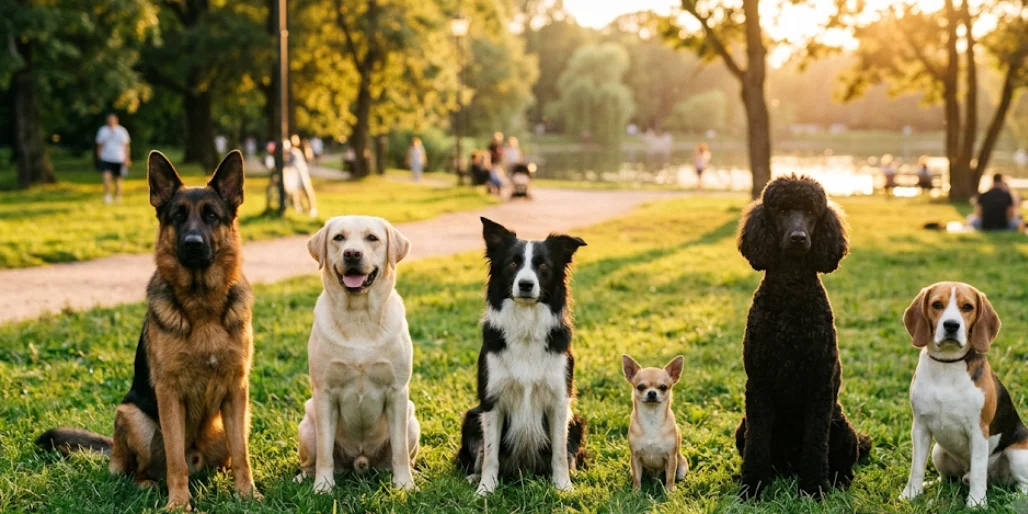
Welcome to our comprehensive guide to dog breeds, where we’ll embark on an exciting journey to explore the vast and wonderful world of canines. From the tiniest lap dogs to the most majestic giant dog breeds, each type of dog possesses unique characteristics, temperaments, and histories that make them truly special. Whether you’re a seasoned dog owner or considering welcoming a new pup into your home, understanding different dog breeds is crucial for a harmonious and fulfilling relationship.
Introduction to Dog Breeds
Overview of Dog Breeds
The world of domestic dogs is incredibly diverse, encompassing a bewildering array of dog breeds, each meticulously developed over centuries for specific purposes. From the tireless working dogs like the German Shepherd, known for its intelligence and loyalty, to the elegant companion breeds, there’s a breed to suit almost every lifestyle and personality. This guide aims to provide a thorough overview, delving into the fascinating traits and histories that define these different dog breeds and help you recognize their unique qualities.
Importance of Understanding Different Dog Breeds
Understanding different dog breeds is paramount for responsible pet ownership, as it allows prospective owners to make informed decisions about which type of dog would best integrate into their household and lifestyle. Each dog breed possesses inherent personality traits, exercise requirements, and grooming needs, influencing everything from their compatibility with children to their aptitude for specific training of German Shepherds or the Staffordshire Bull Terrier. By delving into breed characteristics, you can ensure a happy, healthy, and fulfilling life for both you and your canine companion.
My PawandBreeds Brands and Resources
On My PawandBreeds, where I regularly upload articles and resources, you’ll find an extensive collection of information designed to help you navigate the world of dog breeds. Our comprehensive guide to dog breeds, along with specific articles on dog training Staffordshire Bull Terrier, training of Golden Retriever, Bernese Mountain Dog training, training Miniature Poodles, Cockapoo dog training, dog training Standard Poodle, training Irish Terriers, training Labrador Retrievers, and many more, serves as an invaluable resource. We are committed to providing detailed insights into breed-specific care, training, and temperament to ensure you find the perfect pet and develop a strong bond with your furry friend.
Classification of Dog Breeds
The vast world of domestic dogs is officially categorized into various groups by major kennel clubs worldwide, such as the American Kennel Club (AKC), to help us better recognize and understand the diverse range of different dog breeds. These classifications are typically based on the original purpose or function for which each dog breed was developed, grouping types of dogs with similar characteristics, temperaments, and historical roles. Exploring these groups offers a comprehensive guide to dog breeds, shedding light on their unique traits and helping prospective owners choose a companion that aligns with their lifestyle.
Working Group Breeds
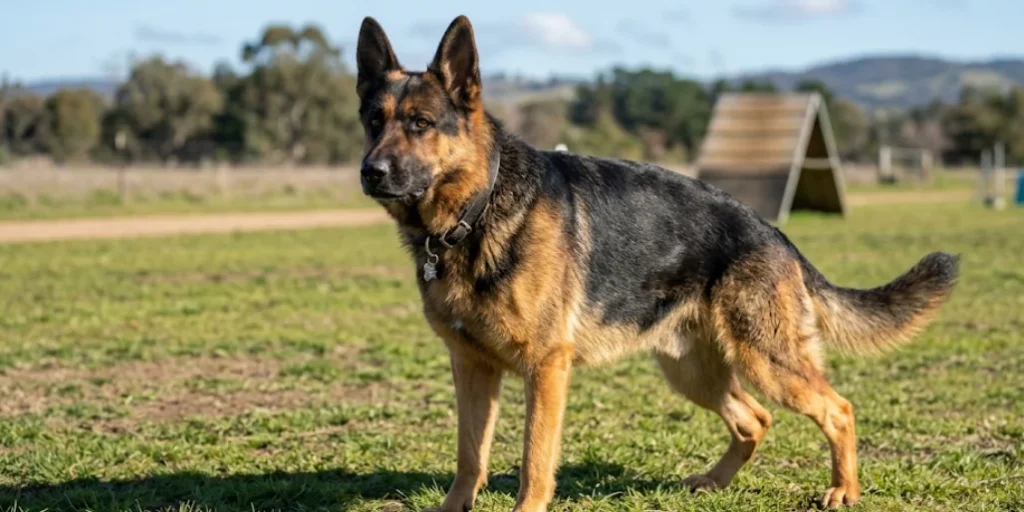
Working group breeds are truly the powerhouses of the canine world, originally bred to perform vital tasks that assist humans, showcasing incredible strength, intelligence, and a strong work ethic. Their breed characteristics typically demand significant physical and mental exercise, making them suitable for experienced owners who can provide consistent training.
| Common Roles | Example Breed(s) and Training Needs |
| Guard dogs, search and rescue dogs, draft animals | German Shepherd (protective instincts and trainability, consistent training) |
| Newfoundland (specific training needs) |
Sporting Group Breeds
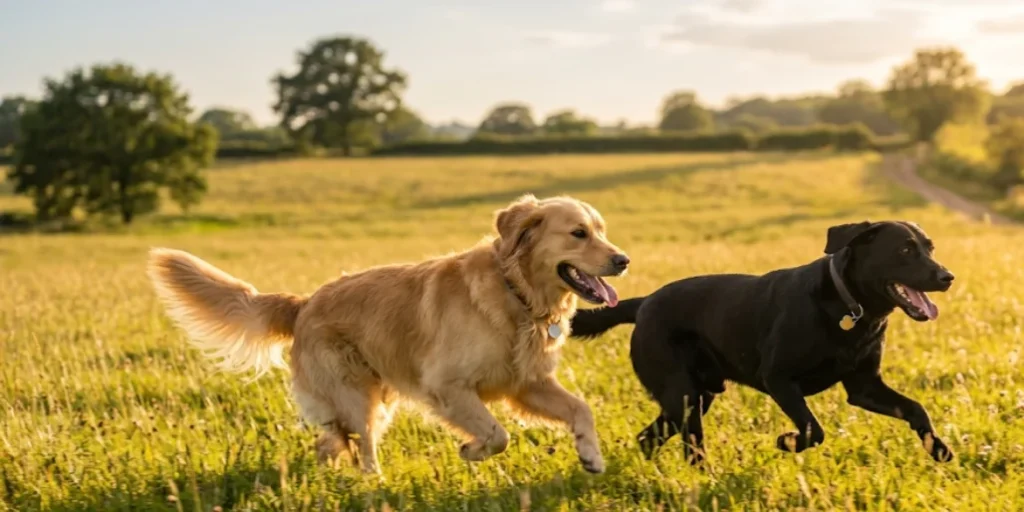
Sporting group breeds are a vibrant and energetic collection of dogs, primarily developed to assist hunters in retrieving game, flushing birds, and pointing out prey, making them excellent companions for active individuals. These sporting dogs possess a keen sense of smell and boundless energy, requiring ample exercise and mental stimulation to thrive as well-adjusted pets, ensuring they remain happy and healthy.
| Breed | Key Traits |
| Labrador Retriever | Friendly personality, enthusiasm, trainability |
| Golden Retriever | Friendly personality, enthusiasm, trainability |
Herding Group Breeds
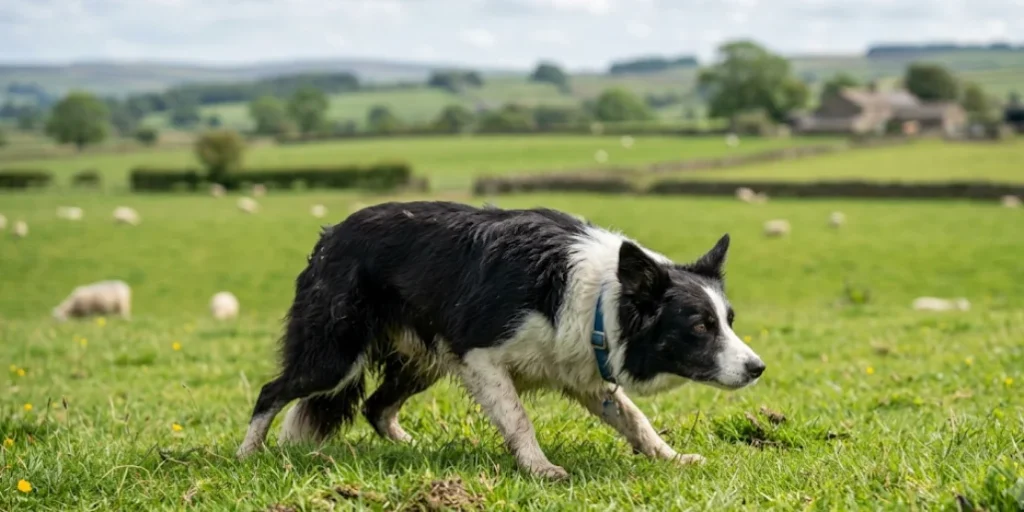
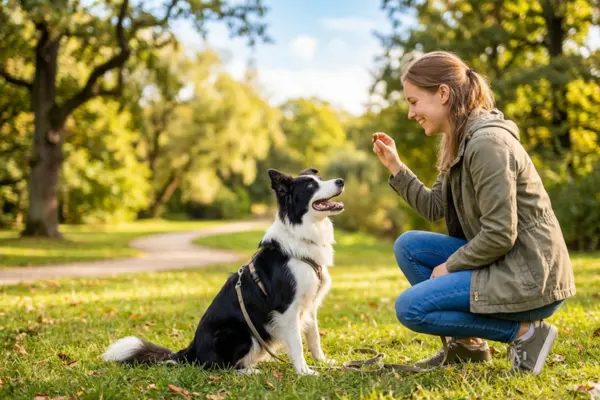
Herding group breeds are incredibly intelligent and instinctively driven dogs, bred specifically to gather, herd, and protect livestock, making them exceptional working dogs with a strong desire to manage. Dogs in this group, such as the Border Collie and Australian Shepherd, exhibit a unique herding instinct, often attempting to “herd” family members or other pets, highlighting their innate breed characteristics. Training a Border Collie or house training an Australian Shepherd puppy requires consistent guidance and plenty of mental engagement to channel their natural abilities positively, ensuring they become well-behaved and cherished companions.
Terrier Group Breeds
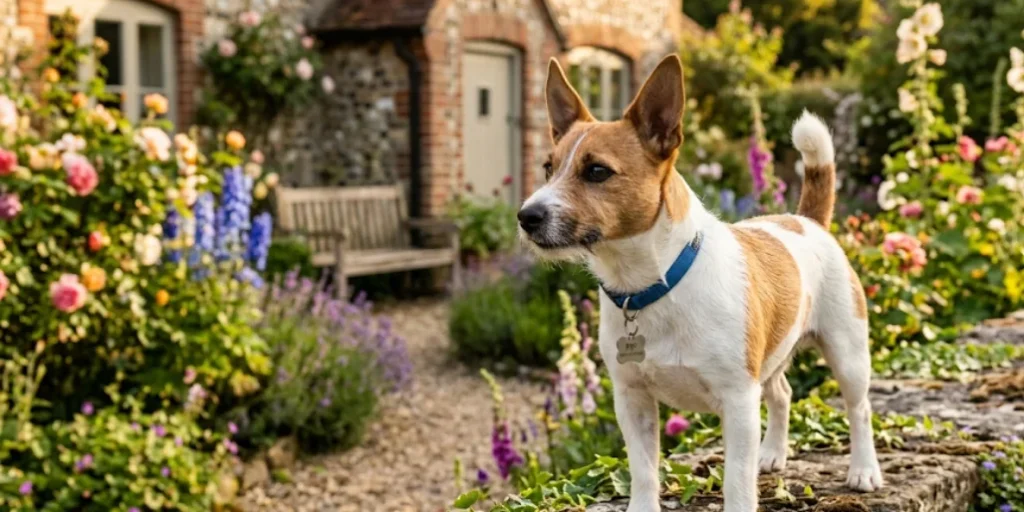
Terrier group breeds are a feisty, spirited, and determined collection of small dogs, originally bred to hunt and dispatch vermin, showcasing their distinctive tenacious personality. This type of dog is known for its boundless energy, courage, and often a stubborn streak, making them lively and entertaining companions, though they require firm and consistent training. From training Irish Terriers to training Jack Russell Terriers, these breeds demand owners who appreciate their bold nature and can provide plenty of mental and physical stimulation to keep them engaged and prevent boredom, channeling their terrier traits effectively.
Hound Group Breeds
Hound group breeds are a diverse and ancient collection of dogs, primarily developed for hunting by scent or sight, each possessing an exceptional sense of smell or incredible speed and stamina. This group includes a wide array of breeds, from the melodious Beagles, known for their vocal tracking abilities, to the swift Greyhounds, celebrated for their unparalleled speed. Training Beagles or training Greyhounds requires an understanding of their deep-rooted instincts, as their drive to follow a scent or chase can often override other commands, making consistent recall training particularly crucial for these independent types of dogs.
Toy Group Breeds
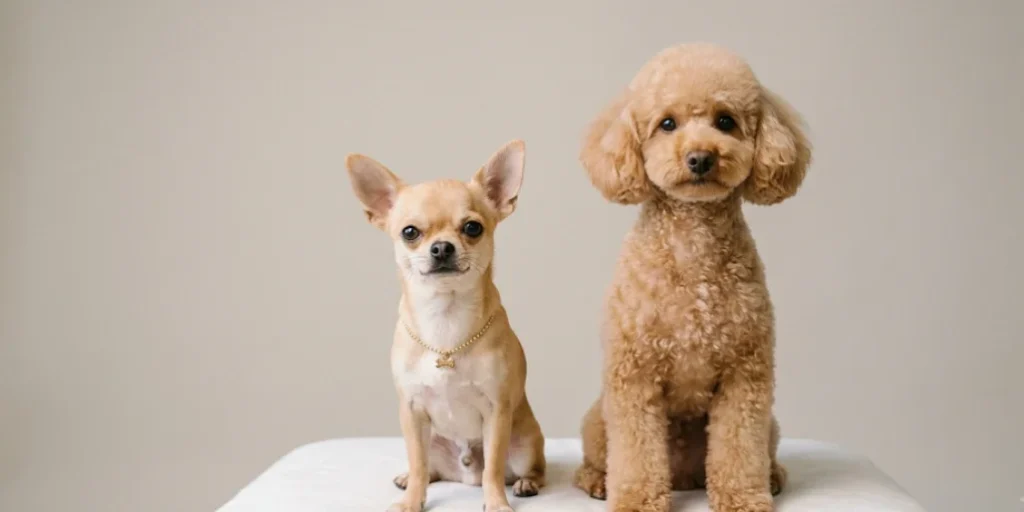
Toy group breeds are delightful small dogs, primarily bred to be companions and lap dogs, offering endless affection and charm with their compact size and endearing personalities. Despite their small stature, these breeds, ranging from the delicate Chihuahuas to the elegant Miniature Poodles, often possess big personalities and can be quite spirited. Training Miniature Poodles or training Chihuahuas focuses on positive reinforcement and early socialization to ensure they grow into well-adjusted pets, recognizing that even small dogs benefit immensely from consistent training and mental engagement, despite their primary role as companions.
Non-Sporting Group Breeds
The Non-Sporting Group is a fascinating and eclectic mix of different dog breeds that don’t fit neatly into other categories, making it a truly diverse collection of companion dogs with unique histories and traits. This type of dog group includes breeds like the robust French Bulldogs, known for their charming personality, and the dignified Standard Poodles, celebrated for their intelligence and distinctive groom. Whether it’s training French Bulldogs or dog training Standard Poodles, owners often find a wide range of temperaments and needs within this group, making it essential to research each specific breed’s characteristics to ensure a harmonious partnership.
Characteristics of Various Dog Breeds
Delving into the unique characteristics of various dog breeds is crucial for any prospective or current dog owner, as it provides a comprehensive guide to understanding what makes each type of dog special. Every dog breed possesses distinct physical attributes, temperament, and potential health predispositions, all of which contribute to their individual charm and care requirements. Recognizing these breed characteristics, often influenced by their historical roles as working dogs, sporting dogs, or companion dogs, helps in making informed decisions and ensuring a harmonious life with your pet. This section will break down these key traits, offering insights into what to expect from different dog breeds.
Size and Physical Characteristics
The size and physical characteristics of different dog breeds vary dramatically, ranging from the tiniest lap dogs to the most impressive giant dog breeds, each with unique attributes that define their type of dog. From the sturdy build of a Bernese Mountain Dog, designed for arduous work, to the delicate frame of a Chihuahua, bred primarily as a companion, physical traits dictate much about their exercise needs and living arrangements. Whether it’s the distinctive coat of a Poodle that requires specific grooming, or the powerful musculature of a Rottweiler, understanding these breed characteristics is essential for providing appropriate care and recognizing the diverse beauty across the list of dog breeds.
For example, when considering training of German Shepherds, their strong, agile build and alert expression are key physical characteristics that align with their historical role as herding and guard dogs. Similarly, the powerful frame of a Labrador Retriever, suited for retrieving game, dictates their need for plenty of physical activity, making training Labrador Retrievers essential for managing their energy. In contrast, training Miniature Poodles focuses on their elegant yet sturdy build, which allows them to excel in various dog sports despite their smaller size. The structure of a dog, from their muzzle shape to their tail set, often hints at their ancestral purpose and can inform aspects of their care, such as susceptibility to certain conditions or their tolerance for different climates.
The coat type is another significant physical characteristic, varying from the short, smooth fur of a French Bulldog to the long, flowing locks of a Shih Tzu, each requiring different grooming routines. Training a Labradoodle, for instance, means understanding their often hypoallergenic, curly coat that necessitates regular brushing to prevent matting. For a Siberian Husky training regimen, their dense double coat is a vital adaptation for cold climates, but it also means significant shedding and a need for diligent grooming, making them less suitable for warm environments. These variations in physical traits are what make each dog breed unique and fascinating, demanding tailored care strategies from their owners.
Furthermore, the physical attributes of a dog breed can also influence their interaction with their environment. A low-slung Dachshund, for example, with its unique body shape, might face challenges navigating stairs, while the strong, compact build of a Staffordshire Bull Terrier makes them surprisingly agile and powerful despite their medium size. The characteristic floppy ears of a Beagle can make them prone to ear infections, requiring regular cleaning as part of their general care, something to consider when training Beagles. This diverse range of physical forms across different dog breeds is not just for aesthetics; it is deeply intertwined with their health, activity levels, and overall well-being, forming a crucial part of any comprehensive guide to dog breeds.
Temperament and Behavior Traits
Beyond physical appearance, the temperament and behavior traits are perhaps the most influential characteristics when choosing a dog breed, as they directly impact how a type of dog integrates into a family and lifestyle. Each dog breed has a general personality profile, shaped by centuries of selective breeding for specific roles, such as the protective nature of guard dogs or the gentle disposition of companion pets. Understanding these innate behavioral tendencies is crucial for effective training and ensuring a harmonious relationship, guiding owners on what to expect from their new pup and how to best cater to their emotional and mental needs.
For instance, the inherent intelligence and eagerness to please make training of Golden Retrievers a generally rewarding experience, as they thrive on positive reinforcement and mental stimulation. Conversely, the independent and often stubborn personality of a Jack Russell Terrier requires a firm yet fair approach to training Jack Russell Terriers, ensuring their energetic spirit is channeled constructively. Herding breeds, like the Border Collie, possess a strong instinct to herd, which can manifest as nipping at heels or attempting to “herd” family members, making specific training a Border Collie essential to manage these natural behaviors. These deeply ingrained traits are part of what makes each dog breed unique.
Some dog breeds are known for their high energy levels, requiring significant daily exercise to prevent boredom and destructive behaviors. Training Australian Shepherds, for example, demands consistent activity and mental challenges to satisfy their intelligent and active nature. On the other hand, certain toy breeds like the Shih Tzu are content with less rigorous activity, making training Shih Tzus more focused on indoor manners and socialization. The characteristic vocalizations of a Hound group breed, such as the distinctive baying of a Beagle, are also important behavioral traits to consider, especially for owners living in close proximity to neighbors.
Socialization is a key aspect of managing temperament, particularly for breeds that may have a natural wariness towards strangers or other animals. Training Dobermans, for instance, involves early and consistent socialization to ensure their protective instincts are well-managed and they are confident in various social settings. Similarly, the lively and sometimes boisterous nature of a Boxer Dog benefits greatly from consistent training Boxer Dogs from a young age to develop good manners. Understanding these breed-specific temperaments helps owners anticipate challenges and implement effective strategies, making the training process more successful and enjoyable for both dog and owner.
Ultimately, a dog’s temperament is a complex interplay of genetics, early life experiences, and ongoing training and socialization. While a comprehensive guide to dog breeds can provide general expectations, individual personalities within a dog breed can vary. However, being aware of common behavioral traits associated with types of dogs like the spirited energy of a Springer Spaniel or the calm demeanor of a Great Dane allows owners to select a pet whose personality aligns with their lifestyle. This insight is invaluable for fostering a strong bond and ensuring a well-adjusted, happy pet, regardless of whether it’s a terrier, a shepherd, or a companion dog from the toy group.
Common Health Issues
Just as different dog breeds exhibit unique physical characteristics and temperaments, they also come with a predisposition to certain common health issues, a crucial aspect for any comprehensive guide to dog breeds. These breed-specific health concerns are often the result of generations of selective breeding, sometimes for aesthetic traits, or can be inherent to their genetic makeup. Understanding these potential health challenges is paramount for responsible pet ownership, enabling proactive care, early detection, and ultimately, a longer, healthier life for your beloved pet. Awareness of these issues helps owners make informed decisions about nutrition, exercise, and veterinary care, tailoring it to the specific needs of their type of dog.
For example, large breeds like the German Shepherd are notably prone to hip and elbow dysplasia, making proper nutrition and careful exercise during puppyhood crucial, as highlighted in training of German Shepherds. Similarly, Bernese Mountain Dog training also involves recognizing their susceptibility to certain cancers and joint problems, necessitating regular veterinary check-ups and a balanced diet. On the other end of the spectrum, smaller breeds like French Bulldogs often experience brachycephalic airway syndrome due to their flattened faces, which can lead to breathing difficulties, especially in warm weather, a key consideration for training French Bulldogs.
Cardiac conditions are prevalent in some breeds, such as Cavalier King Charles Spaniels, making regular heart screenings an important part of their routine health care. Eye conditions are also common, with breeds like the Cocker Spaniel being prone to various inherited eye diseases, which is important to consider when training Cocker Spaniels. The long, floppy ears characteristic of many hound breeds, including Beagles, make them susceptible to ear infections, requiring diligent cleaning and monitoring, a practical aspect to consider beyond the basic commands of training Beagles.
Skin allergies and sensitivities can affect many dog breeds, but some, like the Staffordshire Bull Terrier, may be more predisposed, making dog training Staffordshire Bull Terriers also involve attention to their dermatological health. Orthopedic issues are not exclusive to large breeds; some small dogs like the Jack Russell Terrier can also suffer from patellar luxation, so training Jack Russell Terriers should be mindful of exercises that put undue strain on their joints. Even specific coat types can contribute to health issues, with dense undercoats in breeds like the Siberian Husky sometimes leading to skin problems if not properly groomed, impacting their overall well-being during Siberian Husky training.
Ultimately, while a reputable breeder will screen their dogs for known genetic conditions, owners must remain vigilant throughout their dog’s life. Regular veterinary visits, a high-quality diet, appropriate exercise tailored to their breed characteristics, and ongoing awareness of breed-specific predispositions are all vital components of ensuring your pet thrives. This focus on breed-specific health allows for preventative measures and early intervention, solidifying the importance of a comprehensive guide to dog breeds in fostering a healthy and happy life for every type of dog, from the energetic terrier to the loyal shepherd.
Training Techniques for Different Dog Breeds
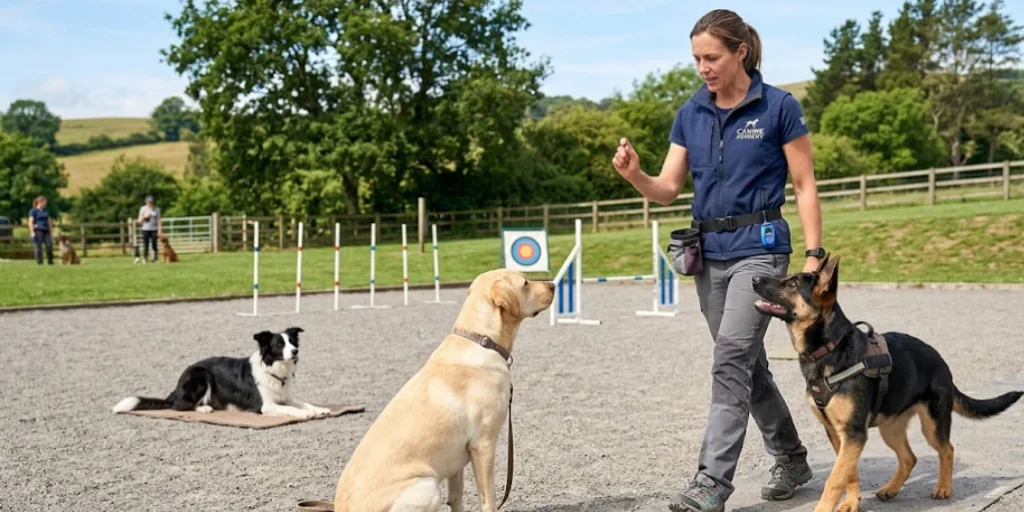
Understanding effective training techniques tailored to different dog breeds is absolutely crucial for fostering a well-behaved and happy companion, as each type of dog comes with its own unique temperament, intelligence, and inherent drives. What works wonders for a highly intelligent Border Collie might not be as effective for an independent Jack Russell Terrier, and the methods for training a gentle Golden Retriever will differ from those for a protective German Shepherd. This section will delve into breed-specific training advice, recognizing that a comprehensive guide to dog breeds must extend beyond merely identifying types of dogs to practical application of knowledge, ensuring you can truly connect with and guide your specific dog breed towards becoming a cherished family pet.
Training of German Shepherds
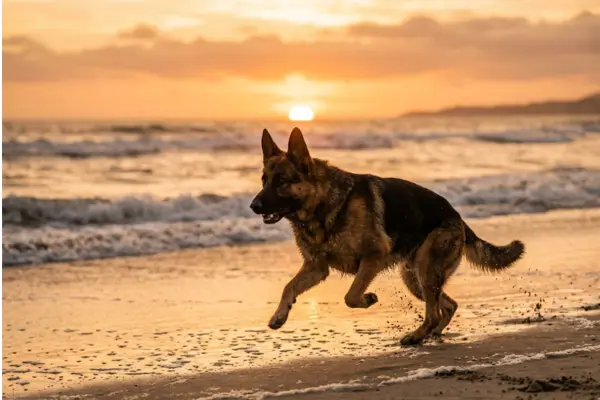
Training of German Shepherds is a highly rewarding endeavor, given their exceptional intelligence, strong work ethic, and unwavering loyalty, making them one of the most versatile types of dogs. These shepherd dogs thrive on purpose and structure, so early socialization and consistent obedience training are paramount to channel their natural protective instincts and high energy. They excel in various disciplines, from agility to protection work and search and rescue, benefiting greatly from positive reinforcement methods combined with clear, firm guidance. Their breed characteristics demand mental stimulation as much as physical exercise to prevent boredom and destructive behaviors.
Dog Training Staffordshire Bull Terrier
Dog training Staffordshire Bull Terriers involves harnessing their spirited personality, courage, and affectionate nature, making them wonderful companion dogs despite their tough exterior. Often referred to as “nanny dogs” due to their excellent rapport with children, they are intelligent and eager to please, though their terrier stubbornness can sometimes surface. Consistent, positive reinforcement-based training from a young age is key to managing their exuberance and ensuring they are well-socialized with other dogs and people, helping them grow into confident and well-adjusted members of the family. Their strong desire to chew also means plenty of appropriate toys are essential during their training.
Training of Golden Retrievers
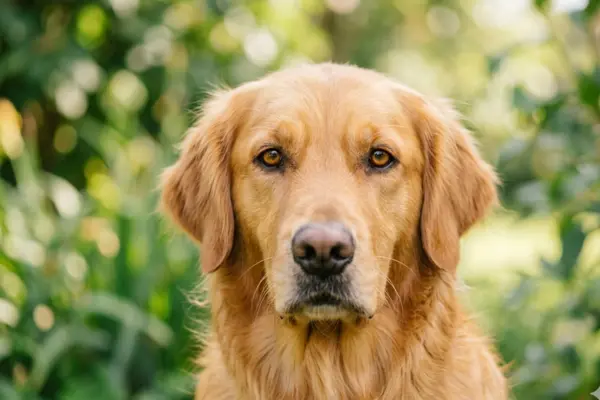
Training of Golden Retrievers is generally a joyous and straightforward experience due to their inherent eagerness to please, high intelligence, and friendly temperament, making them one of the most popular dog breeds. As sporting dogs, they possess a natural retrieving instinct and boundless energy, which means consistent exercise and engaging training sessions are vital. Positive reinforcement, patience, and early socialization are the cornerstones of successful training, allowing their gentle personality to shine while developing good manners. They thrive on being part of family activities, making them ideal companion dogs for active households, and their characteristic patience helps make them very trainable.
Bernese Mountain Dog Training
Bernese Mountain Dog training focuses on nurturing their gentle, calm, and devoted temperament, combined with recognizing their impressive size and strength as working dogs. While intelligent and eager to please, their puppyhood can be clumsy and slow to mature, requiring patience and a positive approach. Early socialization is crucial to ensure they are comfortable with various environments and people, and consistent, gentle training will help them grow into confident, well-mannered giant dog breeds. Their affectionate nature makes them wonderful companion dogs, but their sheer size necessitates good leash manners and impulse control training from a young age.
Training Miniature Poodles
Training Miniature Poodles is a delightful experience, as these elegant toy group dogs are renowned for their exceptional intelligence, quick learning abilities, and playful personality. They are highly trainable and excel in various dog sports and obedience, eager to please their owners and thrive on mental stimulation. Positive reinforcement, consistency, and early socialization are key to developing a well-rounded and confident pet. Despite their refined groom, they are robust and enjoy being active, making them adaptable types of dogs for various lifestyles, whether as a show dog or an active family companion, showcasing their versatility.
Cockapoo Dog Training
Cockapoo dog training involves a delightful blend of their parent breeds, the Cocker Spaniel and the Poodle, resulting in an intelligent, affectionate, and often hypoallergenic companion. These charming types of dogs are typically eager to please, making them quite trainable, though they can sometimes inherit the Poodle’s cleverness or the Cocker Spaniel’s occasional stubborn streak. Positive reinforcement and early socialization are crucial to nurturing their friendly personality and managing their moderate energy levels. Their enthusiastic nature means engaging, fun-filled training sessions will yield the best results, making them wonderful family pets.
Dog Training Standard Poodle
Dog training Standard Poodles is a testament to their incredible intelligence, versatility, and dignified temperament, solidifying their reputation as one of the most highly trainable types of dogs. These non-sporting group dogs excel in obedience, agility, and even hunting, possessing a keen mind and an eagerness to learn. Consistent positive reinforcement, mental stimulation, and early socialization are essential to prevent boredom and ensure a well-adjusted companion. Despite their elegant groom, they are robust and active, requiring plenty of exercise to satisfy their energetic and intelligent breed characteristics, making them superb working dogs and family pets.
Training Irish Terriers
Training Irish Terriers requires an understanding of their spirited, courageous, and sometimes stubborn terrier personality, combined with their boundless energy. These types of dogs are intelligent and fiercely loyal but can be independent, so consistent, firm, and positive reinforcement-based training is essential from a young age. Early socialization is crucial to manage their strong prey drive and ensure they are well-behaved around other animals and people. Their zest for life and mischievous charm make them engaging companions for owners who appreciate a dog with character and can provide ample mental and physical challenges.
Training Labrador Retrievers
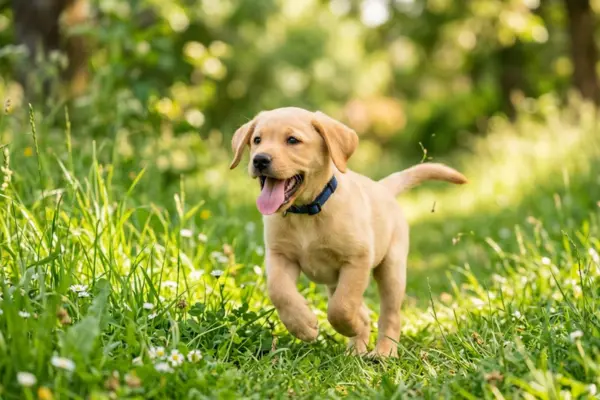
Training Labrador Retrievers is a rewarding journey, given their famously friendly temperament, boundless energy, and innate eagerness to please, establishing them as one of the most popular sporting dogs. As highly intelligent and food-motivated types of dogs, they respond exceptionally well to positive reinforcement and consistent training. Early socialization and plenty of exercise are crucial to channel their retrieving instincts and prevent destructive behaviors, especially during their boisterous puppy phase. Their affectionate and patient personality makes them excellent family pets, thriving on interaction and activity with their human companions, embodying the ideal loyal dog breed.
Training Kerry Blue Terrier
Training Kerry Blue Terriers demands a consistent and confident approach to manage their spirited terrier personality, intelligence, and protective instincts. These striking types of dogs are loyal and affectionate with their families but can be strong-willed and possess a strong prey drive. Early socialization and firm, positive reinforcement-based training are crucial to ensure they are well-mannered and comfortable in various situations. Their need for mental stimulation and physical activity should be met with engaging exercises and consistent boundaries, helping them become well-adjusted and beloved companion dogs, despite their sometimes fiery temperament.
Training Jack Russell Terrier
Training Jack Russell Terriers is an energetic endeavor, as these small dogs possess an incredibly bold, intelligent, and tenacious terrier personality with seemingly endless energy. Their strong prey drive and independent nature mean consistent, positive reinforcement training, coupled with ample mental and physical stimulation, is essential from a very young age. Early socialization is vital to manage their interactions with other animals and people, and channeling their natural instincts through activities like earthdog trials or agility can be incredibly beneficial. They are charming but demanding, making them ideal for active owners who appreciate a dog with a big personality.
Training Lurchers
Training Lurchers, a type of sighthound crossbreed, involves understanding their unique blend of speed, intelligence, and often a gentle, affectionate temperament. Given their diverse genetic backgrounds, training approaches need to be flexible, but generally, positive reinforcement works best. Many Lurchers inherit a strong prey drive from their sighthound lineage, so reliable recall training is paramount, along with a secure exercise area. They are often sensitive souls, thriving on companionship and comfortable living, making them wonderful pets for those who can provide ample opportunities for safe running and plenty of soft places to rest, balancing their athleticism with their calm indoor nature.
Training Australian Kelpies
Training Australian Kelpies means working with a highly intelligent, energetic, and dedicated herding dog breed, bred specifically for working livestock. These types of dogs possess an intense work ethic and require a purpose, thriving on mental and physical challenges. Consistent, positive reinforcement training, combined with early socialization, is crucial to channel their herding instincts and prevent boredom-induced behaviors. They excel in dog sports like agility and obedience, making them ideal companions for experienced, active owners who can provide plenty of structured activity and a job to do, ensuring their sharp minds and bodies are kept engaged.
Training a Border Collie
Training a Border Collie is an incredibly rewarding experience, as these herding dogs are widely regarded as one of the most intelligent dog breeds, possessing an intense focus and an insatiable desire to work. Their breed characteristics demand constant mental stimulation and physical exercise; without it, they can become bored and destructive. Consistent, positive reinforcement-based training from a young age, coupled with early socialization, is essential to channel their strong herding instincts and high energy. They excel in virtually all dog sports and thrive when given a “job,” making them perfect for active and dedicated owners who can provide the engagement they crave.
Dog Training Cavapoo
Dog training Cavapoos is generally a pleasant experience due to their affectionate, intelligent, and eager-to-please temperament, resulting from the cross between a Cavalier King Charles Spaniel and a Poodle. These charming companion dogs respond well to positive reinforcement and consistency, thriving on human interaction. Early socialization is important to ensure they are well-adjusted to various situations and people. Their moderate energy levels mean they enjoy both playtime and cuddles, making them adaptable types of dogs for a wide range of families, embodying the best traits of both parent breeds in a delightful small package.
Training Newfoundlands
Training Newfoundlands is about nurturing their famously gentle, patient, and devoted temperament, alongside managing their immense size and strength as working dogs. These “gentle giants” are intelligent and eager to please, making them quite trainable, but their sheer mass requires early and consistent obedience training to ensure they are manageable adults. Positive reinforcement and patient guidance are crucial. As water rescue dogs, they often have a natural affinity for water. Early socialization and careful handling during puppyhood are vital for their development into confident, well-adjusted companions, emphasizing their role as giant dog breeds with a calm personality.
Siberian Husky Training
Siberian Husky training presents unique challenges and rewards, as these beautiful working dogs possess an independent spirit, high intelligence, and an incredible amount of energy. Bred to pull sleds over long distances, they have a strong wanderlust and prey drive, making reliable recall and secure containment paramount. Positive reinforcement and consistency are vital, but owners must understand their independent personality; they are not always eager to please in the same way some other breeds are. Early socialization and plenty of mental and physical stimulation, such as running or dog sports, are crucial for a well-adjusted Siberian Husky, making them excellent companions for experienced, active owners.
Training Australian Shepherds
Training Australian Shepherds is a dynamic and rewarding process due to their exceptional intelligence, high energy, and strong herding instincts. These versatile shepherd dogs are eager to please and excel in various dog sports and working roles, thriving on having a purpose. Consistent, positive reinforcement, combined with extensive mental and physical stimulation, is essential to prevent boredom and destructive behaviors. Early socialization is also crucial to ensure they are well-adjusted to different environments and people, allowing their devoted and intelligent personality to flourish as loyal working dogs and beloved family pets.
Training Blue Heelers
Training Blue Heelers, also known as Australian Cattle Dogs, involves working with an incredibly intelligent, tenacious, and loyal herding dog breed with a strong work ethic. Their breed characteristics include high energy and a protective nature, so consistent, positive reinforcement-based training and early socialization are vital from puppyhood. They thrive on mental and physical challenges, excelling in dog sports and requiring a “job” to do to prevent boredom. Owners must provide firm yet fair guidance and plenty of structured activity to channel their innate herding instincts, ensuring they become well-mannered and devoted companions, embodying the essence of a working dog.
Training Dachshunds
Training Dachshunds, with their distinctive long bodies and charming personality, requires patience and a gentle, consistent approach. While intelligent, these hound dogs are known for their independent and sometimes stubborn nature, stemming from their badger-hunting origins. Positive reinforcement, early socialization, and engaging training sessions are essential. Due to their unique physique, special attention should be paid to preventing back injuries, meaning careful handling and discouraging jumping. House training can sometimes be a challenge, so consistency is paramount to ensure these endearing small dogs become well-mannered companion pets, despite their fiery spirit.
Training French Bulldogs
Training French Bulldogs focuses on their charming, affectionate, and sometimes comical personality. These popular companion dogs are intelligent and eager to please, although they can have a stubborn streak characteristic of many non-sporting breeds. Positive reinforcement, consistency, and early socialization are key to developing a well-mannered pet. Due to their brachycephalic (flat-faced) breed characteristics, exercise should be moderate and carefully monitored, especially in warm weather, to prevent overheating. Their relatively low exercise needs make them adaptable city dwellers, but regular training ensures their playful and loving temperament shines through, making them delightful members of the family.
Training German Shorthaired Pointers
Training German Shorthaired Pointers is an exciting endeavor for active individuals, as these intelligent and energetic sporting dogs possess an incredible drive and versatility. Bred for hunting, they have boundless energy, a keen sense of smell, and an eagerness to please, making them highly trainable. Consistent positive reinforcement, early socialization, and plenty of vigorous exercise are essential to channel their natural instincts and prevent boredom. They thrive when given a “job” and excel in various dog sports, making them ideal working dogs and loyal companions for owners who can provide the physical and mental stimulation they crave, embodying the spirit of a true sport dog.
Training a Huntaway
Training a Huntaway involves working with an intelligent, highly vocal, and energetic herding dog breed from New Zealand. Bred to “hunt” or “call away” sheep with their distinctive bark, they possess an inherent desire to work and a strong prey drive. Consistent positive reinforcement, early socialization, and plenty of mental and physical stimulation are crucial to channel their herding instincts and ensure they are well-behaved companions. They thrive in environments where they have a job to do, making them best suited for active owners who can provide ample opportunities for structured activity and engagement, leveraging their unique vocalizations and working drive.
Training Beagles
Training Beagles is a delightful but sometimes challenging experience, as these charming hound dogs are known for their incredibly keen sense of smell, independent nature, and melodious bay. While affectionate and generally good-natured, their powerful scent drive can make them easily distracted, so reliable recall training is paramount. Positive reinforcement, patience, and engaging, consistent training sessions are key to managing their instincts. Early socialization is also important to ensure they are well-adjusted companions. Owners must provide plenty of exercise to satisfy their energy and mental stimulation to keep their noses busy, making them wonderful pets for those who appreciate their hound traits.
Training Rottweilers
Training Rottweilers is a serious commitment that, when done correctly, results in a loyal, confident, and protective companion. These powerful working dogs are intelligent and possess a strong guarding instinct, making early and consistent socialization, along with firm, positive reinforcement-based training, absolutely crucial. They need a confident and experienced owner who can provide clear boundaries and leadership. Plenty of physical exercise and mental stimulation are also essential to channel their energy and prevent boredom. When properly trained and socialized, Rottweilers are devoted family pets, embodying their reputation as noble and reliable guard dogs.
Training Cocker Spaniels
Training Cocker Spaniels, whether American or English, is generally a pleasant experience due to their cheerful temperament, intelligence, and eagerness to please. These sporting dogs are affectionate and playful, thriving on companionship and interaction. Positive reinforcement, consistency, and early socialization are key to developing a well-mannered pet. Their moderate energy levels require regular exercise, and their beautiful coats necessitate consistent grooming. They are highly adaptable types of dogs, making them wonderful family pets, but their sensitivity means gentle training methods yield the best results, allowing their sweet and loving personality to shine.
Training Hungarian Vizslas
Training Hungarian Vizslas involves working with an incredibly intelligent, sensitive, and high-energy sporting dog breed known for its distinctive rusty-gold coat and affectionate “velcro dog” personality. They are eager to please and highly trainable but require consistent positive reinforcement and a gentle approach, as they can be quite sensitive. Plenty of vigorous exercise and mental stimulation are absolutely essential to channel their boundless energy and prevent anxiety or destructive behaviors. Early socialization is also crucial to ensure they are well-adjusted and confident companions, making them ideal for active owners who can meet their considerable needs for companionship and activity.
Training a Labradoodle
Training a Labradoodle is usually a rewarding experience, combining the intelligence of the Poodle with the friendly temperament of the Labrador Retriever. These popular crossbreeds are generally eager to please, intelligent, and highly social, responding well to positive reinforcement. Consistency and early socialization are vital to manage their moderate to high energy levels and ensure they are well-adjusted. Their often hypoallergenic coat types require regular grooming. As companion dogs, they thrive on being part of the family and benefit from engaging training sessions and plenty of exercise, making them adaptable and loving pets.
Training Dobermans
Training Dobermans is a serious and rewarding commitment, given their intelligence, athleticism, and natural protective instincts as working dogs. These powerful types of dogs require an experienced, confident owner who can provide consistent, firm, and positive reinforcement-based training from an early age. Early and extensive socialization is absolutely critical to ensure they are well-adjusted, confident, and appropriately discriminate between threats and friendly encounters. Plenty of physical exercise and mental stimulation are essential to channel their energy and prevent boredom. When properly trained, Dobermans are fiercely loyal, devoted, and elegant guard dogs and family protectors.
Training Boxer Dogs
Training Boxer Dogs involves managing their playful, energetic, and often clownish personality, combined with their strong, athletic build. These working group dogs are intelligent and eager to please but can be boisterous and sometimes stubborn, requiring consistent, positive reinforcement training. Early socialization is crucial to ensure they are well-mannered around other dogs and people. Plenty of physical exercise and mental stimulation are essential to channel their high energy and prevent destructive behaviors. Their affectionate nature makes them wonderful family companions, thriving on interaction and play with their human counterparts, embodying a joyous and loyal temperament.
Training Wheaten Terriers
Training Wheaten Terriers means engaging with their joyful, affectionate, and sometimes boisterous terrier personality. These types of dogs are intelligent and eager to please, but like many terriers, can have an independent streak. Consistent positive reinforcement, early socialization, and a patient approach are key to managing their exuberance and developing good manners. Their signature silky, open coat requires regular grooming. They are playful and energetic, requiring moderate exercise and mental stimulation to keep them happy and well-adjusted companion dogs, thriving on human companionship and making wonderful, lively additions to the family.
Training Brittanys
Training Brittanys is a delightful experience for active individuals, as these intelligent and energetic sporting dogs possess a strong hunting drive and an eager-to-please temperament. Bred for bird hunting, they have boundless energy, a keen nose, and a generally happy disposition, making them highly trainable. Consistent positive reinforcement, early socialization, and plenty of vigorous exercise are essential to channel their natural instincts and prevent boredom. They thrive in active homes where they can participate in outdoor activities and dog sports, making them exceptional working dogs and devoted companions for those who appreciate their spirited nature and intelligence.
Training Greyhounds
Training Greyhounds often involves adapting to their unique blend of incredible speed, gentle nature, and surprising couch potato tendencies once their exercise needs are met. These sighthound dogs are sensitive and respond best to positive reinforcement and a gentle, patient approach. Due to their strong prey drive, reliable recall and secure fencing are paramount. While they love to run, they also adore lounging and are generally quiet indoors. Early socialization and careful introduction to new environments are important, especially for ex-racers, ensuring these elegant types of dogs become confident, affectionate, and low-maintenance companion pets, showcasing their gentle temperament.
Training Chihuahuas
Training Chihuahuas, despite their tiny size, is just as important as training any other dog breed, though it requires a gentle and consistent approach tailored to their personality. These spirited toy group dogs are intelligent and can be quite willful, so positive reinforcement and early socialization are crucial to prevent small dog syndrome and ensure they are well-mannered. Special attention should be given to house training and leash manners. Their devotion to their owners makes them wonderful lap dogs, but consistent training helps them become confident, well-adjusted companions, proving that even the smallest types of dogs benefit immensely from guidance.
Training Rhodesian Ridgebacks
Training Rhodesian Ridgebacks is a commitment to nurturing a powerful, intelligent, and dignified working dog with a strong prey drive and independent streak. Originally bred to hunt lions, these types of dogs require an experienced, confident owner who can provide consistent, firm, and positive reinforcement-based training from an early age. Early and extensive socialization is critical to ensure they are well-adjusted and appropriately discriminate between threats and friendly encounters. Plenty of physical exercise and mental stimulation are essential to channel their energy and prevent boredom, making them fiercely loyal and protective family members when properly guided.
Training Shih Tzus
Training Shih Tzus is a delightful endeavor, as these charming toy group dogs are renowned for their affectionate, outgoing, and sometimes mischievous personality. While intelligent, they can be a bit stubborn, so positive reinforcement, consistency, and patience are key. Early socialization helps them develop into confident, well-mannered companions. Their moderate exercise needs are met with daily walks and playtime, and their beautiful long coat requires diligent grooming. These types of dogs thrive on human companionship, making them ideal lap dogs and family pets, bringing joy and a touch of regal charm to any household.
Training Springer Spaniels
Training Springer Spaniels, whether English or Welsh, is a lively and rewarding experience for active owners, as these sporting dogs are intelligent, energetic, and possess an inherent eagerness to please. Bred for flushing and retrieving game, they have boundless energy and a happy, outgoing temperament, making them highly trainable. Consistent positive reinforcement, early socialization, and plenty of vigorous exercise are absolutely essential to channel their natural instincts and prevent boredom. They thrive in active homes where they can participate in outdoor activities and dog sports, making them exceptional working dogs and devoted companions for those who appreciate their spirited nature.
Training Great Danes
Training Great Danes is a significant undertaking, given their immense size and strength as giant dog breeds, but their gentle and affectionate “Apollo of Dogs” personality makes it a rewarding one. These working dogs are intelligent and generally eager to please, though they can have a stubborn streak. Early and consistent obedience training, using positive reinforcement, is crucial to ensure they are manageable adults. Careful attention to their growth during puppyhood is vital to prevent joint issues. Their devotion to their families makes them wonderful companion dogs, but their size demands good manners and a patient owner.
Training Dalmatians
Training Dalmatians involves working with an energetic, intelligent, and sometimes independent dog breed with a distinctive personality. Known as coach dogs, they have high stamina and require significant physical and mental exercise to prevent boredom and destructive behaviors. Consistent positive reinforcement, early socialization, and patience are key. Some Dalmatians can be prone to deafness, which requires special training considerations. They are loyal and affectionate with their families, thriving on companionship and activity, making them excellent pets for active owners who can provide the engagement and structure these unique non-sporting types of dogs need.
Training Cavalier King Charles Spaniels
Training Cavalier King Charles Spaniels is a joyful experience, as these charming toy group dogs are renowned for their affectionate, gentle, and eager-to-please temperament. They are highly intelligent and respond exceptionally well to positive reinforcement and a soft, consistent approach. Early socialization is crucial to ensure they are well-adjusted and confident in various environments. Their moderate energy levels require regular walks and playtime, and their beautiful silky coats need routine grooming. These types of dogs thrive on human companionship, making them ideal lap dogs and adaptable family pets, bringing immense love and cheer to any home.
Conclusion
Summary of Key Points
In this comprehensive guide to dog breeds, we’ve explored the rich tapestry of different dog breeds, from the majestic giant dog breeds to the endearing small dogs, highlighting how each type of dog possesses unique characteristics. We began by understanding the importance of recognizing breed characteristics, moving through the various classifications by the American Kennel Club (AKC), which categorize working dogs, sporting dogs, herding dogs, terrier breeds, hound breeds, toy group breeds, and non-sporting group breeds. We then delved into specific traits, including size, physical attributes, temperament, and common health issues, emphasizing how these elements collectively define a dog breed’s personality and care requirements. Finally, we provided breed-specific training techniques, underscoring that effective dog training is not a one-size-fits-all approach but rather a tailored strategy that respects the innate intelligence, drives, and temperament of each unique dog.
Throughout our exploration, we’ve seen that whether you are considering a German Shepherd, a Labrador Retriever, a Jack Russell Terrier, or a Cavalier King Charles Spaniel, understanding their specific needs—from the intense mental stimulation required for herding breeds like the Border Collie, to the patient consistency needed for independent hound dogs like the Beagle, or the gentle handling appropriate for toy breeds like the Shih Tzu—is paramount. We’ve emphasized that early socialization, positive reinforcement, and consistent training are universal tenets, yet their application must be adapted to the individual dog breed’s predispositions. This recognition of distinct breed characteristics, coupled with appropriate training and care, is the foundation for a harmonious and fulfilling relationship with your pet.
We’ve also touched upon the importance of considering a dog’s physical traits, such as the unique groom of a Poodle, the powerful build of a Rottweiler, or the delicate structure of a Chihuahua, as these aspects directly influence their exercise needs, health predispositions, and grooming routines. The temperament and behavior traits, from the protective nature of a Doberman to the affectionate “velcro dog” personality of a Hungarian Vizsla, dictate how a dog breed will integrate into your family and lifestyle. Our guide serves to empower prospective and current dog owners with the knowledge to make informed decisions, ensuring that the chosen dog breed is a perfect match for their home and provides them with a loyal, healthy, and happy companion.
Ultimately, this comprehensive guide to dog breeds aims to equip you with the insights necessary to not only recognize different dog breeds but to truly understand them at a deeper level. From the working group breeds that demand a job to the companion dogs that thrive on affection, each type of dog offers something unique. By applying the knowledge of breed characteristics, health predispositions, and tailored training techniques, you can ensure that your relationship with your chosen dog breed is built on mutual understanding and respect, leading to years of joy and companionship. This journey into the world of domestic dogs reveals the incredible diversity and enduring appeal of our canine friends.
Encouragement for Dog Owners
To all current and prospective dog owners, I wholeheartedly encourage you to embrace the journey of understanding and connecting with your canine companions. Every dog breed, regardless of its classification—be it a spirited terrier, a diligent shepherd, a playful sporting dog, or a charming toy—brings immense joy and unique challenges. Remember that patience, consistency, and positive reinforcement are your most powerful tools in dog training. The bond you build through understanding their individual breed characteristics and catering to their specific needs, from mental stimulation to physical exercise, will be one of the most rewarding relationships you’ll ever experience. Don’t be afraid to seek professional guidance when needed; every step you take towards understanding your type of dog strengthens your connection and enhances their well-being, making them a well-adjusted and beloved pet.
The commitment to training, even for breeds that seem inherently “easy” like the Golden Retriever, or those that present more spirited challenges like the Jack Russell Terrier, is an investment in a lifetime of companionship. Celebrate their individual personality traits, whether it’s the protective instinct of a German Shepherd or the gentle nature of a Newfoundland. Understanding their common health issues allows for proactive care, and recognizing their unique temperament helps you respond effectively to their needs. This journey of discovery, guided by a comprehensive understanding of different dog breeds, fosters not just obedience, but a profound connection built on trust and respect. Your dedication to their care and training will be repaid tenfold in loyalty, affection, and endless happiness, making your dog truly a cherished member of your family.
Additional Resources and Next Steps
For those eager to deepen their knowledge and continue their journey in understanding different dog breeds, My PawandBreeds offers a wealth of additional resources. Our website is continually updated with comprehensive articles, detailed breed profiles, and expert advice on everything from specific training techniques like training of German Shepherds or dog training Staffordshire Bull Terriers, to managing breed-specific health concerns. We provide in-depth guides for popular dog breeds such as training of Golden Retrievers, Bernese Mountain Dog training, training Miniature Poodles, and Cockapoo dog training, alongside insights into more specialized needs like Siberian Husky training or house training an Australian Shepherd puppy. These resources are designed to provide practical, actionable information to help you navigate every aspect of dog ownership, ensuring you have a complete guide to dog breeds at your fingertips.
I encourage you to explore our full list of dog breeds, from A to Z, to discover even more about the diverse world of domestic dogs. You’ll find valuable information whether you are interested in working group breeds, intelligent herding breeds, or affectionate toy group breeds.
We offer specific articles on training for a wide variety of breeds, including:
| Breed Group Examples | Specific Training Articles Available |
| Working Group | Rottweiler, Doberman, Boxer Dogs, Great Danes, Newfoundland |
| Herding Group | Border Collie, Australian Kelpie, Australian Shepherd, Blue Heeler, Huntaway |
| Toy Group | Shih Tzu, Chihuahua, Cavalier King Charles Spaniel |
| Terrier Group | Irish Terrier, Kerry Blue Terrier, Jack Russell Terrier, Wheaten Terrier |
| Hound Group | Lurcher, Beagle, Greyhound, Rhodesian Ridgeback, Dachshund |
| Sporting Group | Labrador Retriever, German Shorthaired Pointer, Poodle, Cocker Spaniel, Hungarian Vizsla, Brittany, Springer Spaniel |
| Non-Sporting Group | French Bulldog, Dalmatian |
| Mixed Breeds | Cavapoo, Labradoodle |
| Other Breeds | Staffie |
Remember, continuous learning is key to becoming the best pet owner you can be, and My PawandBreeds is here to support you every step of the way with a complete guide to recognize and care for every type of dog.